Pistachio Kunafa Recipe
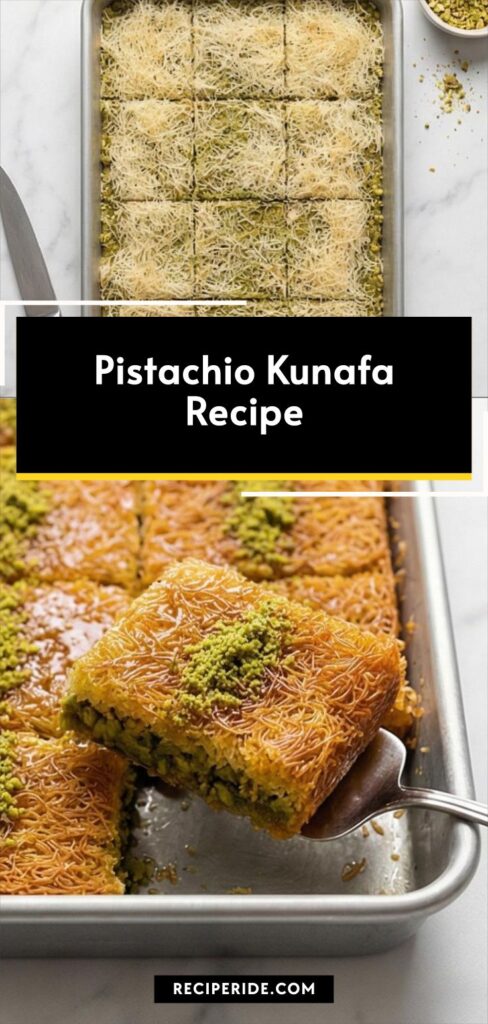
Make Pistachio Kunafa Recipe: golden kataifi filled with pistachios and syruped to serve warm.
Ingredients
- 1 1/2 cups (300 g) granulated sugar
- 3/4 cup (180 ml) water, at room temperature
- 1 teaspoon freshly squeezed lemon juice
- 1 teaspoon orange blossom water (optional but traditional)
- 1 teaspoon rose water (optional but traditional)
- 2 cups (260 g) raw unsalted pistachios, finely chopped or coarsely ground
- 1/3 cup (70 g) granulated sugar
- 1/4 teaspoon fine sea salt
- 1/2 teaspoon ground cardamom (optional)
- 2 tablespoons (30 g) unsalted butter, melted and cooled slightly
- 1 pound (450 g) kataifi (shredded phyllo) pastry, fully thawed if frozen and at room temperature
- 1 cup (225 g) unsalted butter or ghee, melted and slightly cooled
- 2 tablespoons (25 g) granulated sugar
- 1/4 teaspoon fine sea salt
- 2-3 tablespoons (30-45 g) unsalted butter or ghee, melted, for greasing the pan
- 2-3 tablespoons (20-30 g) finely ground pistachios, for garnish
- 1-2 tablespoons (15-30 ml) warm sugar syrup, for brushing the top after baking (optional)
Instructions
Step 1: Prepare the fragrant sugar syrup (attar)
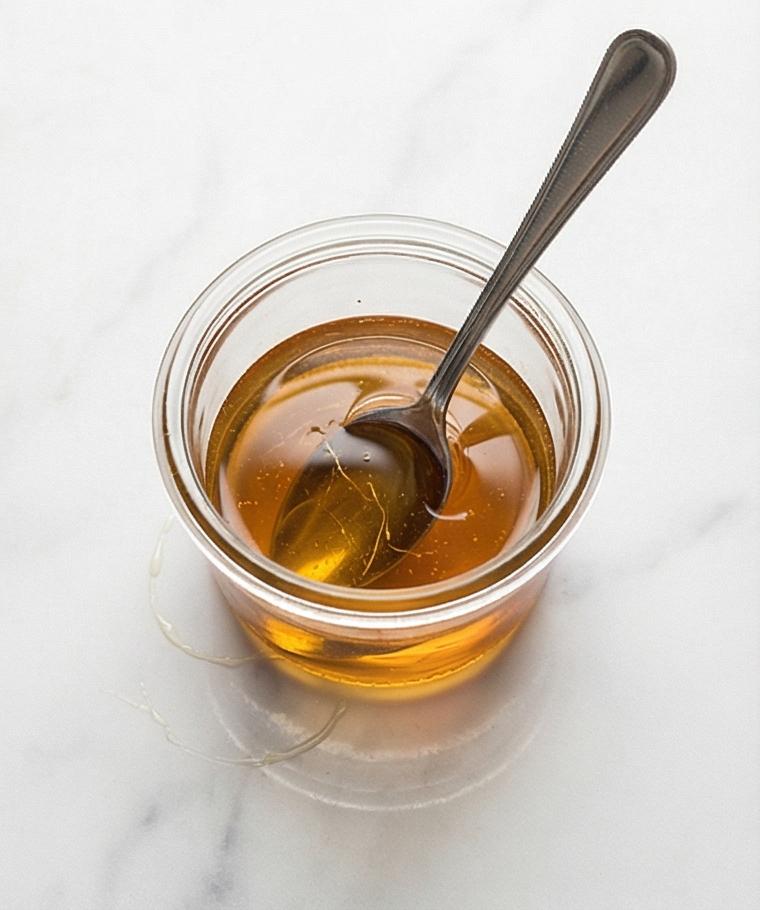
Make a clear, aromatic sugar syrup by dissolving the sugar with room-temperature water and gently simmering until it just coats the back of a spoon — the goal is a glossy, translucent syrup, not caramel. Off the heat stir in the lemon juice and, if using, the orange blossom and rose waters; transfer to a small clear glass jar and allow it to cool completely to room temperature so it will be ready to syrup the hot kunafa later. Treat the syrup like a delicate glaze: it should be fluid but noticeably syrupy, with light legs on a spoon and a faint floral perfume.
Step 2: Make the pistachio filling
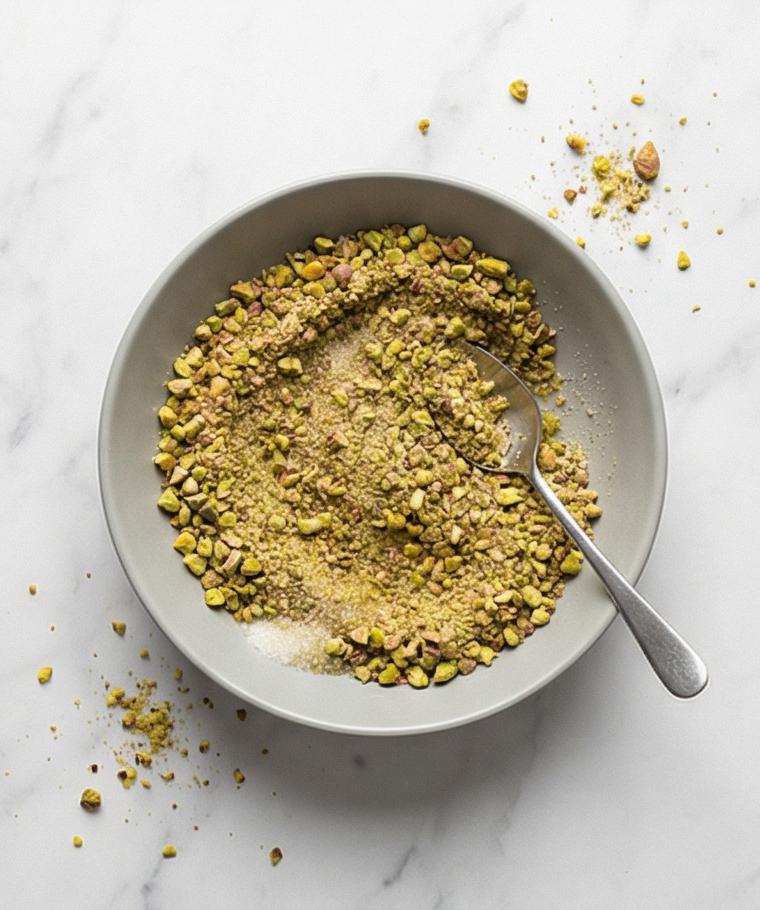
In a single medium matte-grey ceramic bowl combine the finely chopped pistachios, sugar, sea salt and the faint warmth of cardamom; the dry mix should read as sandy, granular pistachio green flecked with sugar crystals. Pour in the melted butter and fold just until the mixture looks evenly moistened and slightly compacted but still granular — imagine damp sand that holds shape briefly when pressed and then crumbles. Transfer the filling into the same bowl and leave a small offset spoon resting in it so the texture is obvious and ready for layering.
Step 3: Loosen and butter the kataifi strands until glossy and airy
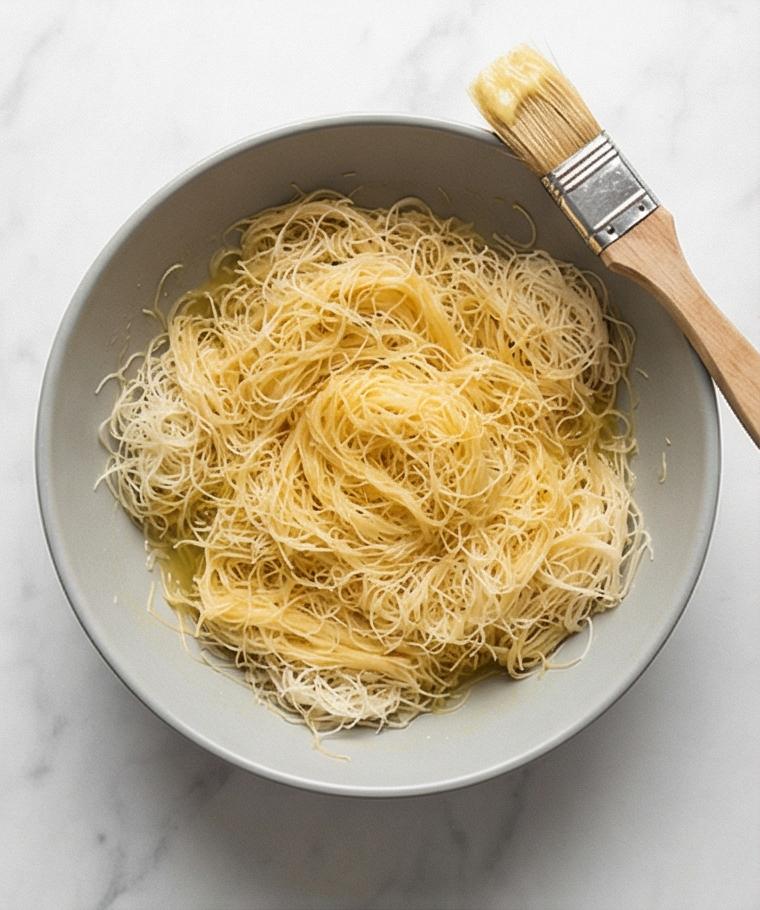
Spread the thawed kataifi into a large matte-grey ceramic mixing bowl, gently teasing the shredded strands apart with your fingers so they become light and feathery rather than clumped. In a clear measuring cup whisk together the melted butter (or ghee), a little sugar and salt until homogenous, then pour evenly over the kataifi. With open-handed, gentle massaging motions work the butter through the strands until every filament is coated and the mass reads glossy, golden and mobile — airy, not compacted. The finished bowl should look like delicate golden hair with a subtle butter sheen and zero dry patches; rest the pastry with a pastry brush nearby.
Step 4: Assemble the kunafa in the greased rectangular pan and score
Grease a 9x13-inch rectangular metal baking pan thoroughly with melted butter or ghee. Transfer about two-thirds of the buttered kataifi into the pan and press evenly and firmly into the bottom and slightly up the sides to form a compact, even base — the surface should appear dense and even but still textured with visible strands. Evenly scatter the pistachio filling over that base leaving a small border, then gently cover with the remaining kataifi so the nuts are hidden but the top remains light and airy. Using a sharp knife, lightly score the top into rectangles, cutting about halfway so the pistachio layer stays intact; the pre-bake pan should read as a neatly composed, scored rectangle with visible layers at the cut edges and a light dusting of stray pistachio pieces.
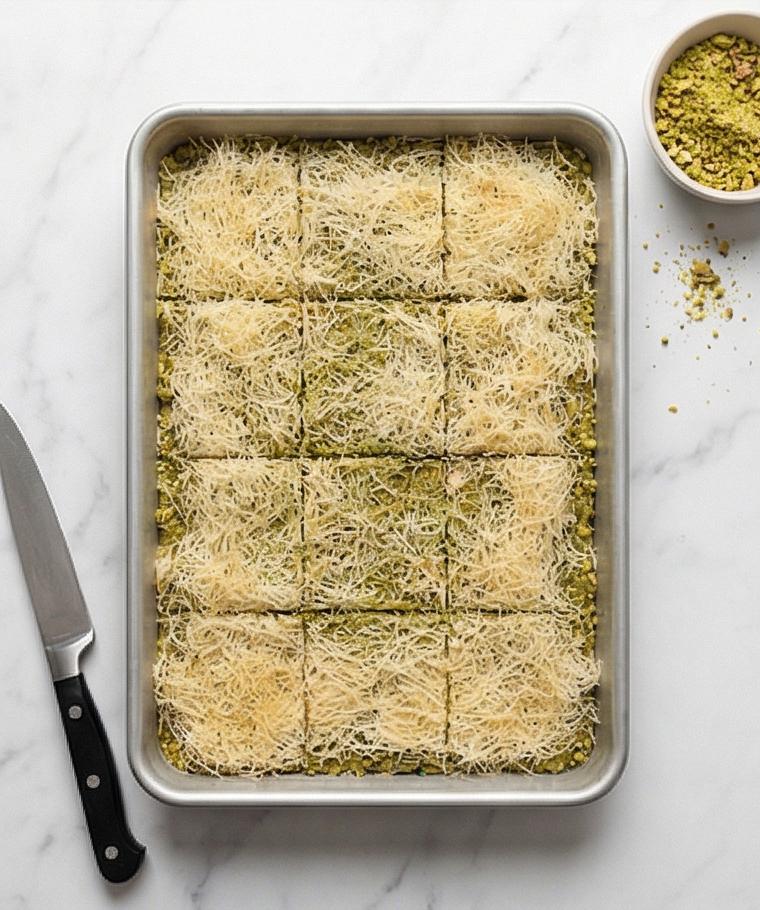
Step 5: Bake to a deep golden crisp, syrup and rest
Bake until the top is deeply golden and crisp and the edges are gently bubbling — when removed from the oven the pan should emit a faint sizzle and the top will look rigid and caramel-tinged. Immediately drizzle about three-quarters of the cooled syrup evenly across the hot surface so it sizzles and is absorbed; after 15–20 minutes the pastry will have softened slightly inside while keeping a crisp exterior. Optionally brush a tablespoon or two of warm syrup for extra shine, then sprinkle finely ground pistachios over the center or along the scored lines while the kunafa is still slightly warm.
Step 6: Slice and present straight from the rectangular pan
Use the pre-scored lines to cut fully into neat rectangles, lift portions with a small spatula, and serve warm or at room temperature. The finished piece should show a razor-crisp, deep golden lattice top, gleaming syrup catching the light, and a dense, verdant pistachio layer within. Store cooled leftover pieces covered (room temp up to 1 day, refrigerated up to 3) and re-crisp in a hot oven when needed.
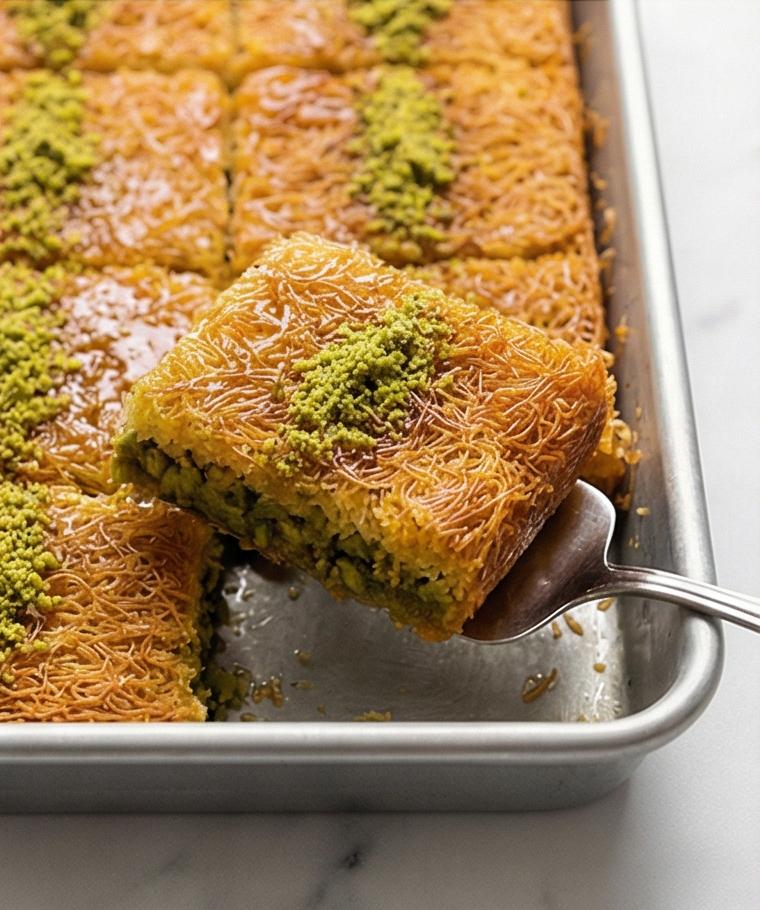
Notes
- Make the syrup ahead and store chilled in a sealed jar for up to two weeks.
- Use slightly cooled melted butter when mixing with pistachios to avoid releasing oil.
- Tease kataifi strands thoroughly so they remain airy and crisp when baked.
- Pre-score the top before baking for neat slices and easier serving.
- Re-crisp leftovers in a hot oven for 6 to 8 minutes rather than microwaving.