Za'atar Flatbread Recipe
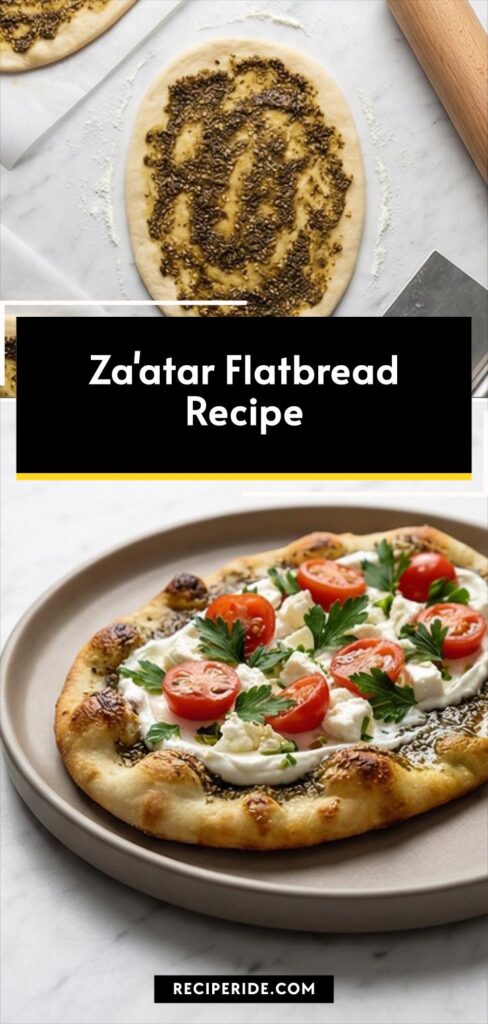
Make Za'atar Flatbread Recipe: crisp, herb-studded flatbreads ready to bake and share.
Ingredients
- 3/4 cup (180 ml) warm water, 105–110°F (40–43°C)
- 1 teaspoon granulated sugar
- 1 1/2 teaspoons (5 g) active dry yeast
- 2 cups (260 g) all-purpose flour, plus extra for dusting
- 1 teaspoon fine sea salt
- 2 tablespoons (30 ml) extra-virgin olive oil, plus more for greasing
- 1/3 cup (30 g) za'atar spice blend
- 1/4 cup (60 ml) extra-virgin olive oil, for the topping
- 1/2 teaspoon fine sea salt, for the topping (adjust to taste)
- 1 tablespoon (15 ml) water, at room temperature, if needed to loosen the topping
- 1/2 cup (120 g) labneh or thick Greek yogurt, chilled (optional, for serving)
- 1/2 cup (75 g) crumbled feta cheese (optional, for serving)
- 1 cup (150 g) cherry tomatoes, halved (optional, for serving)
- 1/4 cup (4 g) fresh parsley or mint leaves, loosely packed, roughly chopped (optional, for garnish)
- 1 medium lemon, cut into wedges (optional, for serving)
Instructions
Step 1: Bloom the Yeast and Combine the Wet
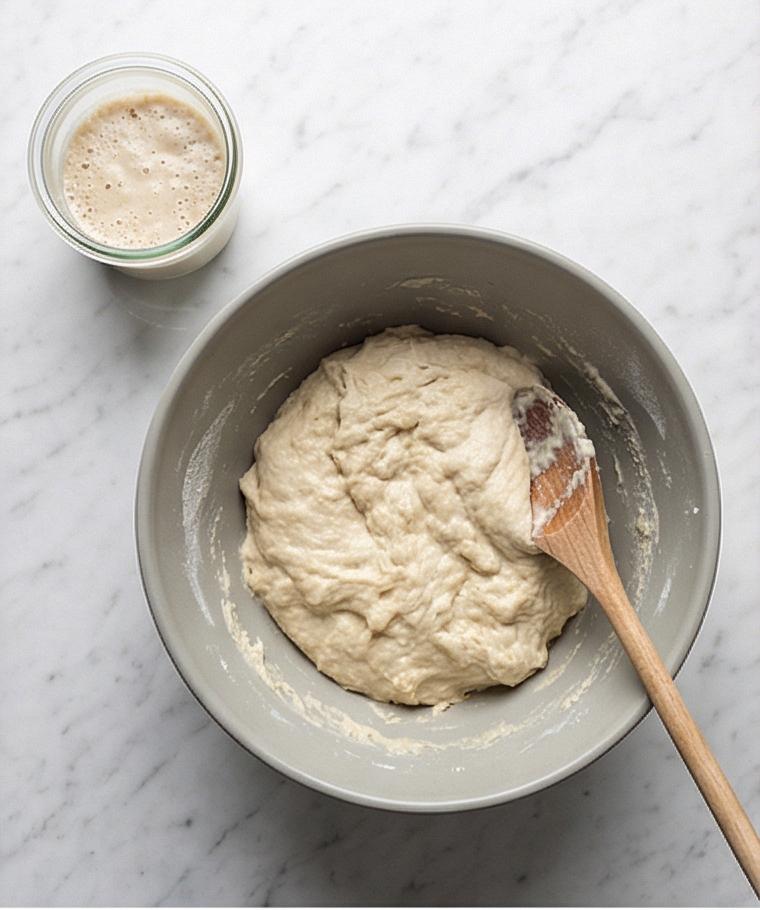
Warm the water to a gentle 105–110°F and stir in the granulated sugar, then sprinkle the active dry yeast over the surface. After a brief stir, let it sit until the surface becomes distinctly foamy and bubbly — that airy, ephemeral foam is your signal that the yeast is alive and ready. In a separate large mixing bowl whisk the all-purpose flour with the fine sea salt, make a well, and pour the foamy yeast mixture with the olive oil into the center. Using a wooden spoon or your fingertips, mix from the center outward until a shaggy mass forms and most of the flour is incorporated; this rough dough will look uneven, slightly dry in places, but clearly coming together.
Step 2: Knead to a Smooth, Elastic Dough and Proof
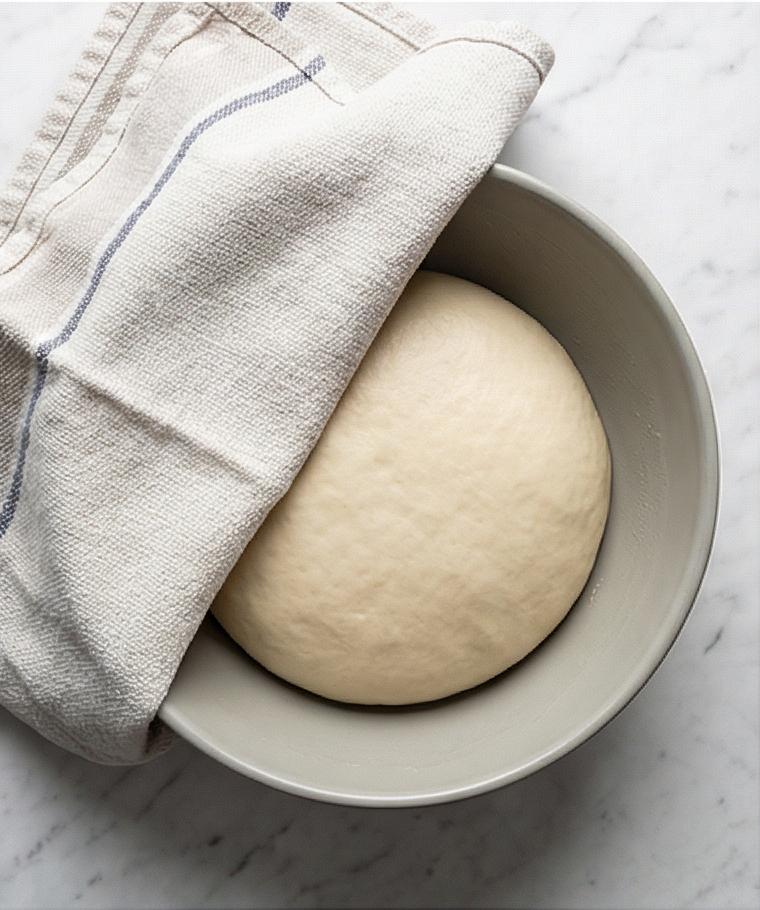
Turn the shaggy dough out onto a lightly floured surface and knead by hand for 8–10 minutes until it transforms into a smooth, elastic ball that is slightly tacky but not sticky. Keep flour usage minimal — just a light dusting to prevent sticking — so the crumb stays tender and airy. Lightly oil a clean bowl, shape the dough into a tight smooth ball, place it inside and turn to coat. Cover snugly with plastic wrap or a damp towel and set in a warm, draft-free spot to rise for about 60–75 minutes, until noticeably doubled, pillowy, and springy when gently pressed.
Step 3: Prepare the Za'atar Topping and Heat Setup
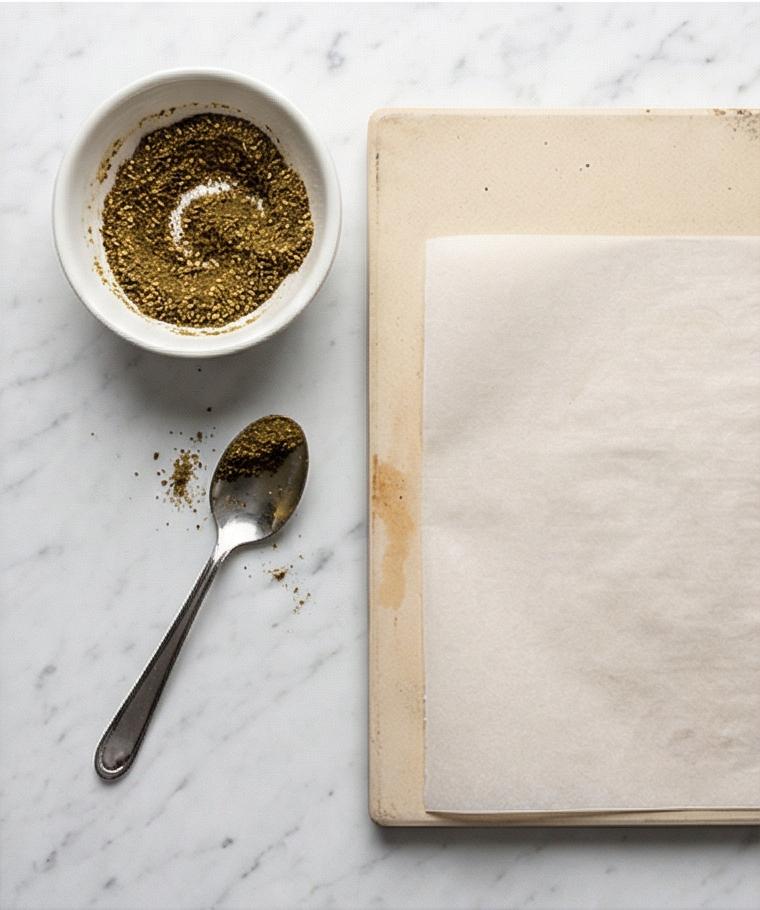
While the dough proofs, whisk the za'atar, olive oil and a pinch of fine sea salt in a small bowl until a cohesive, spreadable paste forms — glossy flecks of green and sesame suspended in olive oil, the texture like loose pesto. If needed, add a tablespoon of room-temperature water to loosen it to a spreadable consistency. About 20 minutes before baking, move a heavy upside-down baking sheet or baking stone to the center of the oven and allow it to preheat thoroughly so it will give the flatbreads an immediate blast of heat when transferred.
Step 4: Divide, Rest, Roll and Top
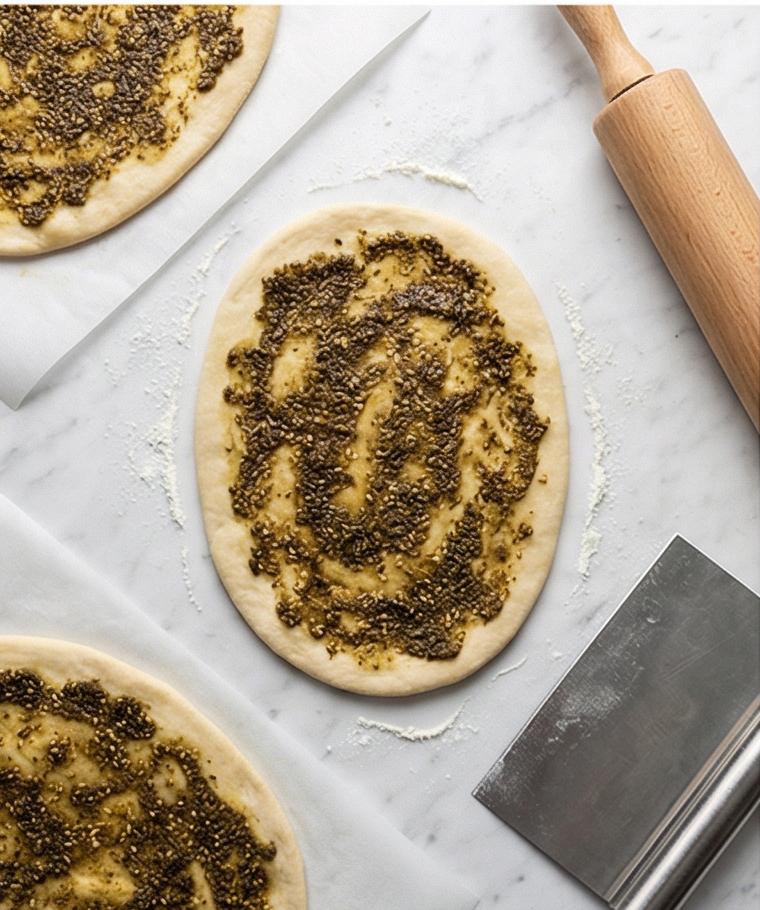
Gently deflate the risen dough, shape into a rough log and divide into equal pieces depending on your desired size. Lightly shape each piece into a tight ball, cover and rest 10–15 minutes so the gluten relaxes, then roll each on a lightly floured parchment into 7–8 inch ovals about 1/4 inch thick. Spread a generous, even layer of the za'atar paste to the edge, using the back of a spoon to push it almost to the rim without spilling. The dough should look thin, slightly dimpled, and saturated with a fragrant, herb-flecked oil.
Step 5: Bake Until Puffy, Golden and Sizzling
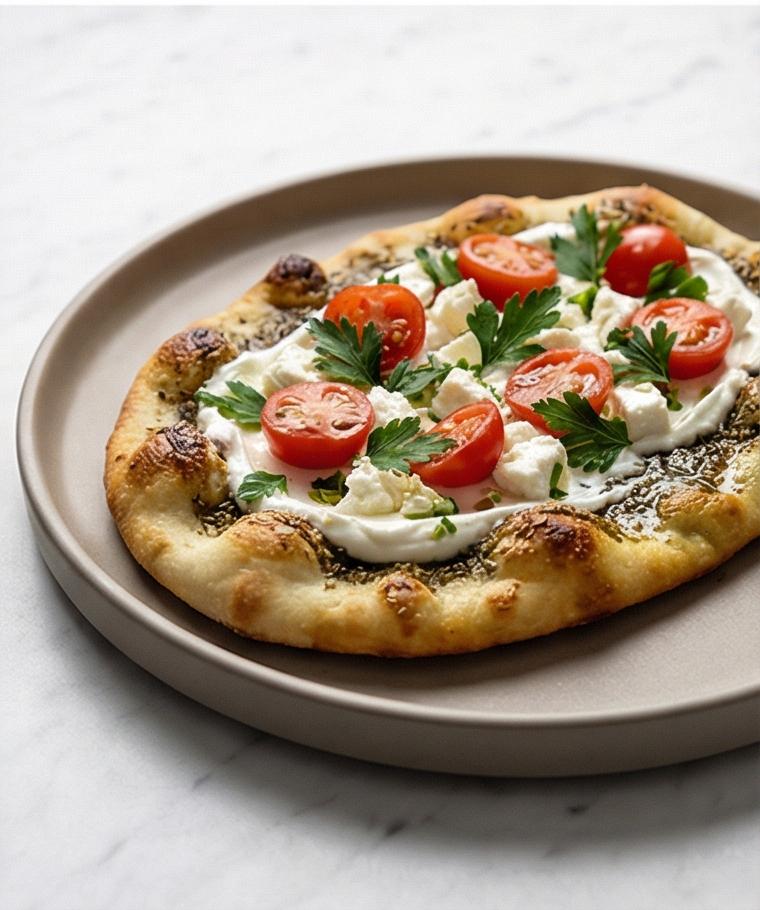
Slide each parchment-mounted flatbread onto the hot stone or sheet and bake at high heat until the edges puff and show light golden browning and the topping is sizzling but not charred. Each flatbread will come out with crisp, blistered edges, an airy interior, and a glossy, herb-studded surface with tiny oil pools glinting. Transfer to a rack to rest 3–5 minutes so the crumb sets and the topping settles; repeat until all pieces are baked.
Step 6: Finish and Serve Warm with Fresh Accents
If you like, dollop chilled labneh or thick Greek yogurt across each warm flatbread, scatter crumbled feta, halved cherry tomatoes and roughly chopped parsley or mint, and finish with a light squeeze of lemon. Serve warm or at room temperature, cut into wedges. The finished flatbread should read as crisp-edged yet pillowy-centered, the za'atar paste imparting an aromatic, savory sheen that contrasts with cool creamy dollops when used.
Notes
- Use a preheated baking stone or inverted heavy sheet for best oven spring.
- Keep extra flour minimal while kneading to maintain a tender crumb.
- Adjust za'atar and salt to taste; store spice blend in a cool place.
- For dairy-free toppings, use smashed avocado or a lemony tahini drizzle.
- Refrigerate shaped dough up to 24 hours for deeper flavor and easier scheduling.