Rosemary Olive Oil Bread Recipe
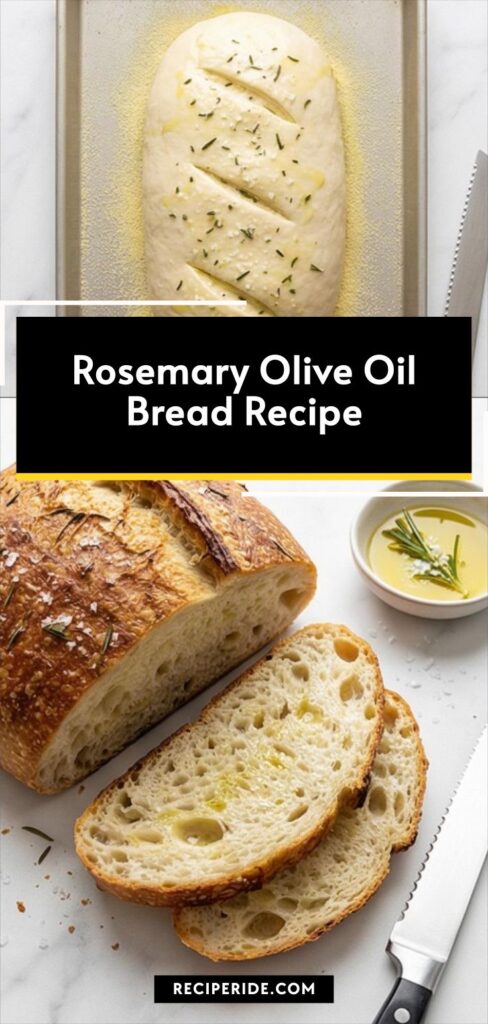
Bake the Rosemary Olive Oil Bread Recipe for a golden, herby loaf with crisp crust and olive oil sheen.
Ingredients
- 1 1/3 cups (315 g) warm water, 105–110°F (40–43°C)
- 1 teaspoon (4 g) granulated sugar
- 2 1/4 teaspoons (7 g) active dry yeast (1 standard packet)
- 4 cups (500 g) bread flour, plus extra for kneading and dusting
- 2 teaspoons (10 g) fine sea salt
- 2 tablespoons (4 g) fresh rosemary leaves, finely chopped (or 2 teaspoons dried rosemary, crushed)
- 2 cloves garlic, finely minced (optional)
- 1/4 cup (60 ml) extra-virgin olive oil, at room temperature, plus 2–3 tablespoons for greasing the bowl, pan, and brushing the top
- 1 tablespoon (8 g) fine cornmeal or semolina, for dusting the baking sheet (optional)
- 1/2 teaspoon flaky sea salt or coarse sea salt, for sprinkling on top (optional)
- 1 teaspoon finely chopped fresh rosemary, for sprinkling on top (optional)
Instructions
Step 1: Bloom the yeast and marry it with oil
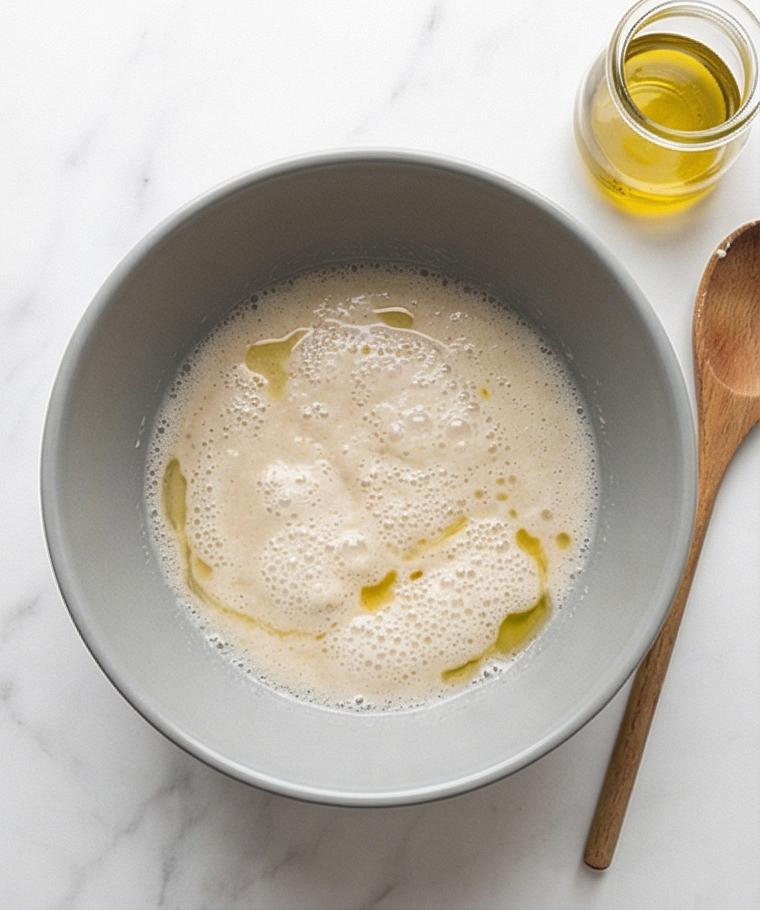
In a large matte grey ceramic mixing bowl pour the warm water and stir in the sugar, then sprinkle the active dry yeast evenly across the surface; watch and wait until the mixture becomes visibly foamy and creamy with fine, pillowy bubbles at the surface. Once the yeast is alive and frothy, stir in the room-temperature extra-virgin olive oil until the liquid surface looks glossy and uniformly combined — this foamy, slightly pearlescent pool is the foundation of the dough.
Step 2: Blend the aromatic dry mix
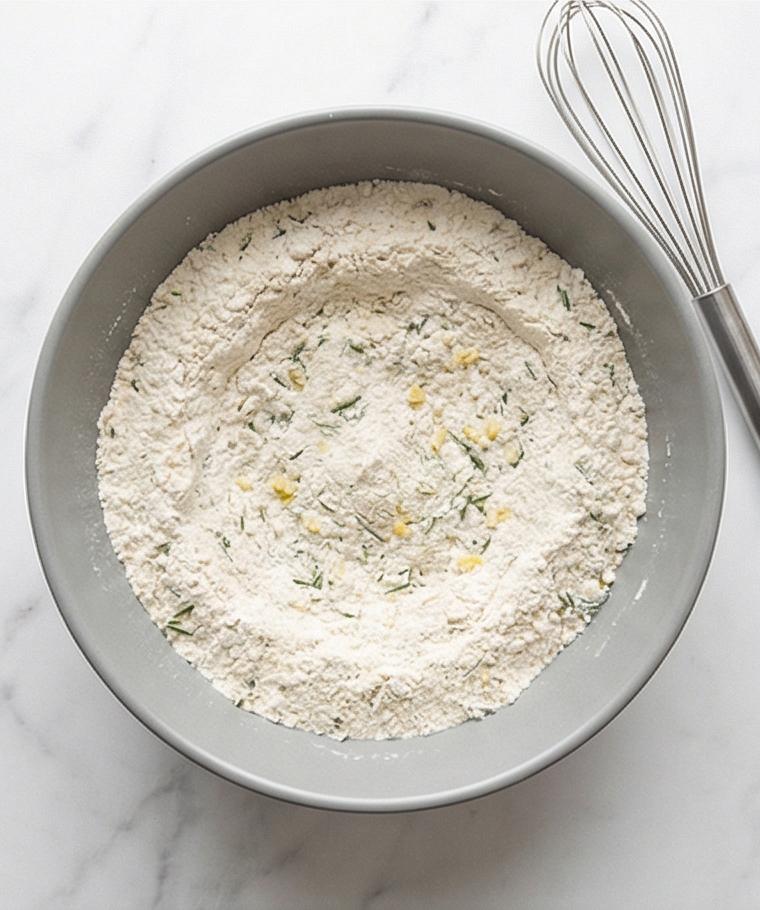
In a separate medium matte grey ceramic bowl whisk together the bread flour, fine sea salt, and the finely chopped fresh rosemary until the green flecks are evenly distributed through the pale flour; if using, fold in the minced garlic so every scoop will carry a fleck of herb or garlic. The texture here should read dry and powdery with contrasting specks of green; you want the herbs dispersed but not mashed. This dry bowl will stay visually consistent with the mixing bowl used earlier.
Step 3: Build the shaggy dough
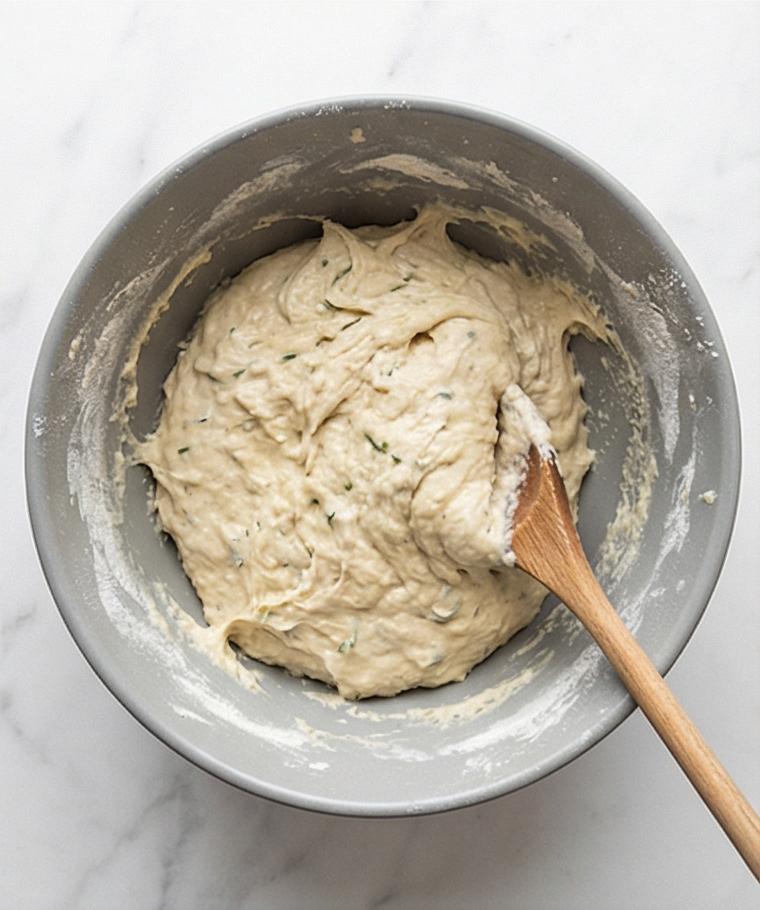
Add about two-thirds of the flour-herb mixture to the foamy yeast-oil bowl and stir with a wooden spoon until a thick, shaggy batter forms — strands of dough clinging to the spoon, no large dry islands remaining. Gradually incorporate the remaining flour in small additions, stirring after each, until a soft dough forms that begins to pull away from the bowl sides; it should be slightly tacky but not wet, with visible flecks of rosemary embedded throughout the surface. Allow a few light dustings of flour on the rim and work surface as needed to manage tackiness.
Step 4: Knead to smooth and elastic
Turn the dough out onto a very lightly floured surface and knead by hand using the heel-and-fold technique (or continue in the bowl with a dough hook) until the dough becomes smooth, elastic, and springs back gently when pressed — the interior will feel airy and the exterior satiny, with faint drag from the herbs. Small threads of gluten and a clean pull from the bowl are the visual cues; keep a wooden spoon or dough scraper nearby as the persistent tool in the composition.
Step 5: First rise in an oiled bowl
Lightly oil the same large mixing bowl with olive oil, shape the dough into a tight smooth ball and place seam-side down; turn once to coat lightly so the surface glistens and will not form a dry skin. Cover and let rise in a warm, draft-free spot until doubled and jiggly — the surface should look puffy with a few irregular dimples from trapped gas. When ready, gently deflate the dough and prepare to shape.
Step 6: Shape into a loaf and prepare the pan
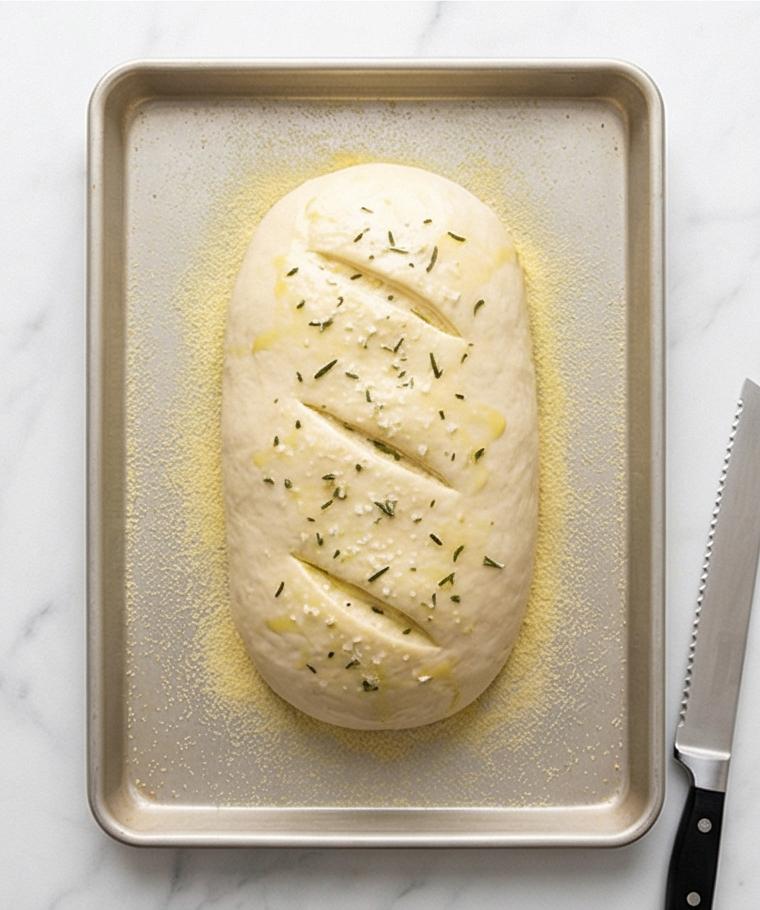
Flatten the risen dough into a rectangle, fold the long edges toward the center and roll it tightly, pinching the seam closed and tucking the ends under to create surface tension; the shaped loaf should hold a smooth outer dome. Lightly grease a baking sheet with olive oil and dust with cornmeal or semolina so the base will have fine granular texture. Place the shaped loaf seam-side down on the prepared sheet, brush the top with a thin sheen of olive oil, and let the dough rest for a shorter second rise until puffy.
Step 7: Final proof, score, and finish
Just before baking, uncover and use a sharp serrated knife or lame to make two to three shallow diagonal slashes across the top about 6 mm deep; brush again with a light film of olive oil and sprinkle a little flaky sea salt and a few pinches of finely chopped rosemary for visible surface contrast. The loaf at this stage should read soft, slightly glossy from the oil, and dotted with green and salt crystals — ready to go into the hot oven on the same geometry-preserving baking surface.
Step 8: Bake, cool, and serve
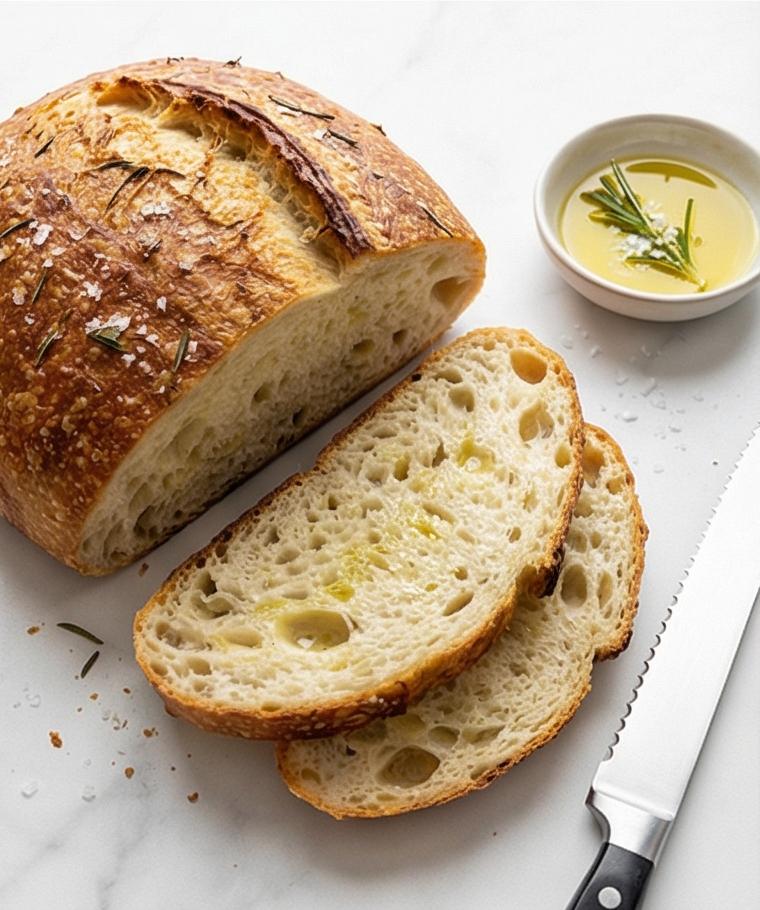
After baking until deep golden-brown with a crisp, crackly crust and a hollow sound when tapped, transfer the loaf to a wire rack to cool; when cooled at least 30–45 minutes, slice with a serrated knife to reveal an open, olive-oil-sheen crumb with irregular holes and flecks of rosemary. Serve slightly warm or at room temperature with a small shallow dish of extra-virgin olive oil and a pinch of flaky salt for dipping; store cooled leftovers wrapped or frozen.
Notes
- Use an oven thermometer to ensure accurate baking temperature.
- Fresh rosemary gives a brighter flavor than dried; chop finely.
- If dough is sticky, resist adding too much flour; chill briefly to make shaping easier.
- For deeper flavor, let the shaped loaf proof in the refrigerator overnight and bake the next day.
- Slice only after cooling at least 30 minutes to avoid gummy texture.