Gochujang Salmon Recipe greets the weeknight table with bold flavor and little fuss. I love how the sticky, spicy-sweet glaze clings to a perfectly roasted fillet and makes rice feel like a warm, necessary hug. This Gochujang Salmon Recipe is one of those dinners that looks restaurant-level but comes together in under an hour. If you like a balance of heat, tang, and caramelized sweetness, this recipe will quickly become a repeat.
How This Recipe Became My Rainy-Day Favorite
One gray afternoon, when the rain had turned the street into a watercolor smear, I pulled a forgotten jar of gochujang from the pantry and decided to experiment. The kitchen smelled like toasted sesame and lime within minutes, and as the salmon roasted its glaze started to bubble and caramelize into little glossy islands. I remember the first bite: the heat blooming, then honeyed sweetness, then that citrus lift that made me sit very still and savor. It felt indulgent without being fussy, the kind of comfort that lifts the mood. Since then, the Gochujang Salmon Recipe has been my go-to for nights when I want something bright, slightly spicy, and effortlessly special.
The Ingredients That Make the Magic
- Gochujang: The star of the show, giving fermented umami and chili heat. Substitute with a mix of miso and sriracha if needed; choose a well-aged paste for deeper flavor.
- Low-sodium soy sauce: Adds salty depth without overpowering; tamari works for gluten-free needs.
- Salmon fillets: The canvas for the glaze; pick center-cut, evenly thick fillets for even cooking.
- Toasted sesame oil: Provides toasty aroma; you can use a little toasted sesame seeds if you do not have the oil.
- Aromatics (garlic, ginger, lime): Brighten and balance the paste; use fresh for the best lift.
Essential Kitchen Tools and Why They Matter
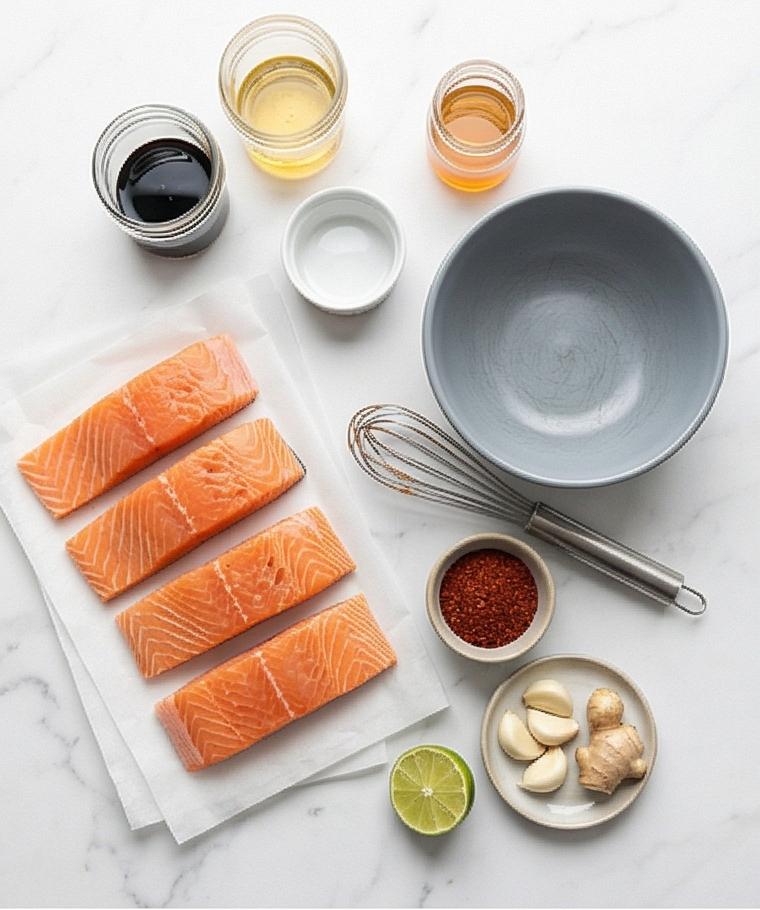
A few simple tools make this Gochujang Salmon Recipe straightforward and reliable. A rimmed baking sheet keeps pan juices contained and makes cleanup easy; line it with foil if you like. A silicone brush or spoon helps you apply the glaze in a controlled, even layer. Use a small ramekin to reserve glaze for finishing so you never cross-contaminate the raw fish. A whisk and a medium mixing bowl create a smooth, glossy glaze; a digital thermometer can help you hit just-opaque salmon every time.
- Rimmed baking sheet: Catches juices and enables high-heat roasting.
- Silicone brush or spoon: For even glazing and minimal mess.
- Small ramekin: Keeps a reserved glaze separate from raw fish.
- Medium mixing bowl and whisk: For a smooth, well-emulsified sauce.
- Digital thermometer: Optional, for precise doneness.
Step-by-Step Preparation Guide
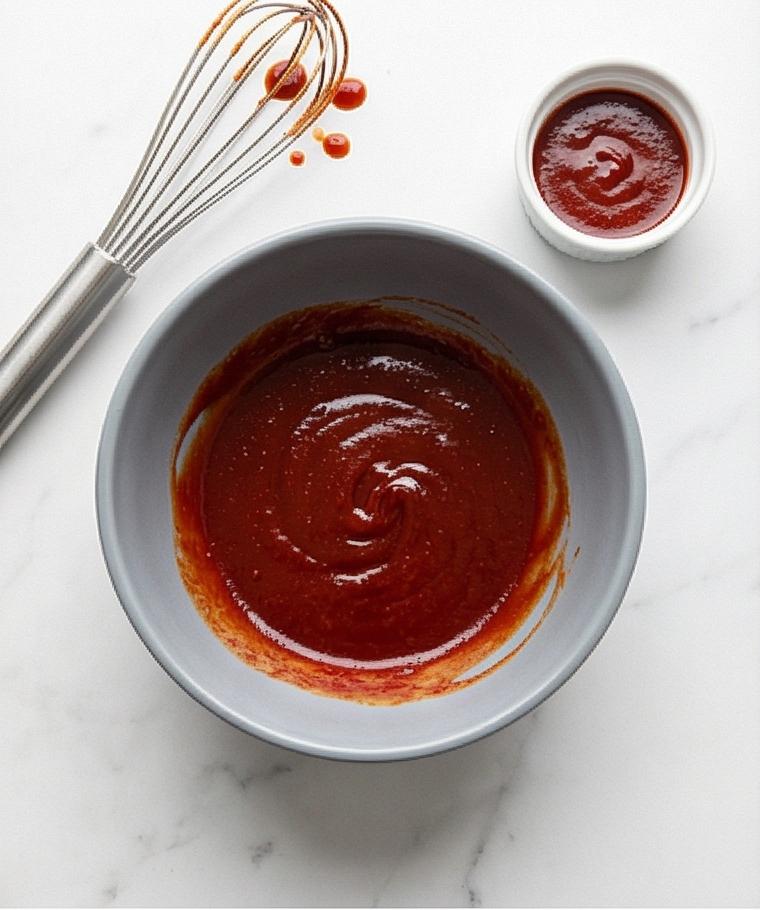
Step 1: Whisk the gochujang glaze until smooth
In a medium matte-grey ceramic mixing bowl, whisk together gochujang, low-sodium soy sauce, rice vinegar, fresh lime juice, honey, packed light brown sugar, toasted sesame oil, room-temperature water, finely minced garlic, grated ginger, and optional gochugaru until the mixture is completely smooth, glossy, and slightly thick but still pourable. Spoon 2 tablespoons of the finished glaze into a small white ramekin and set it aside — keep it physically separated from the bowl with the raw glaze so it never touches raw fish. This bowl will be the persistent mixing vessel throughout the process and the whisk should rest on its rim when not in use.
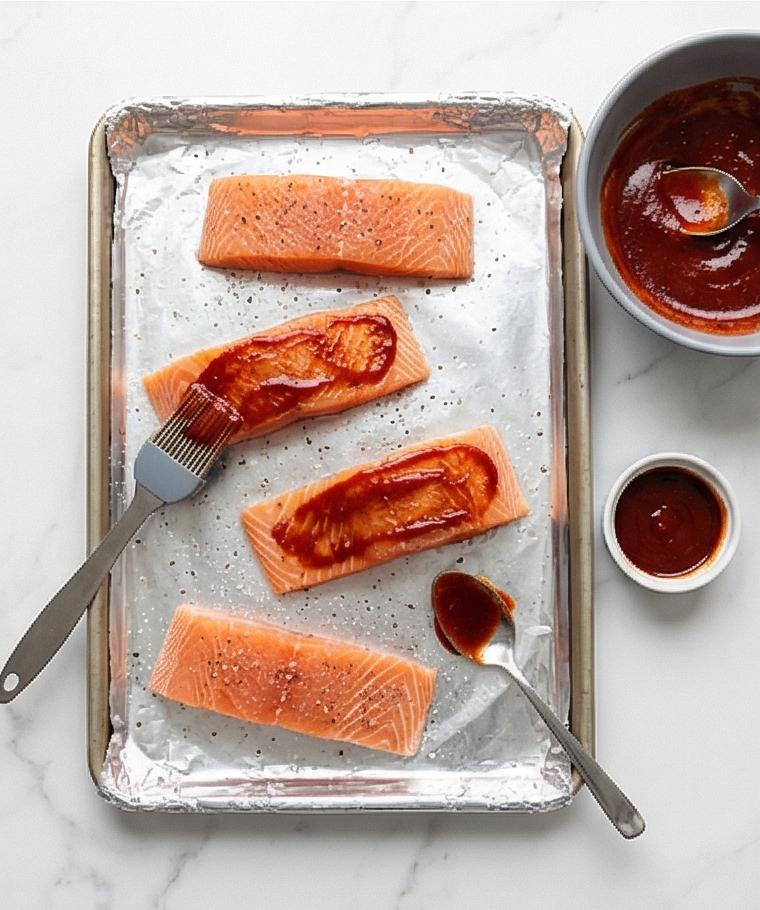
Step 2: Prepare the tray and glaze the raw salmon
Line a rimmed rectangular baking sheet with aluminum foil and lightly grease the foil with neutral oil. Pat four skin-on salmon fillets very dry again with paper towels, place them skin-side down on the prepared sheet with small gaps between each fillet, then season the flesh evenly with fine sea salt and freshly ground black pepper. Use a spoon or silicone brush to divide the remaining glaze and coat the tops and sides of each fillet in a thick, even layer, avoiding puddles on the foil. Cover loosely or refrigerate uncovered for 15–20 minutes to let the flavors penetrate while keeping the fish cold. Keep the matte-grey mixing bowl and the small reserved ramekin visible nearby so the tools and vessels persist across frames.
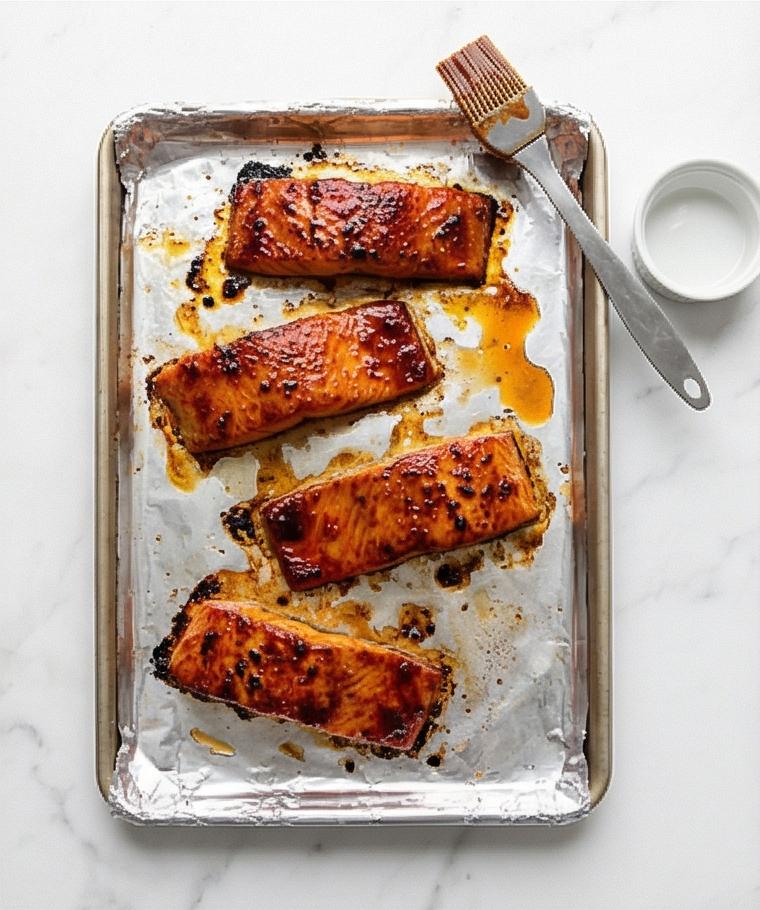
Step 3: Roast until the glaze bubbles and caramelize briefly
Bring the salmon to room temperature briefly while the oven finishes preheating to 400°F (200°C). Roast the glazed fillets on the middle rack until the glaze is bubbling at the edges and the fish is just opaque in the center — the surface should appear glossy and beginning to darken at the edges. For extra depth, brush the warm fillets with the reserved ramekin glaze and broil for a very short time until small darkened spots appear and the surface is shiny but not burned. Remove the tray and let the fillets rest on the foil-lined sheet; do not transfer the glazed juices elsewhere. The tray should show caramelized, slightly blistered red glaze with molten pan juices pooled at the corners.
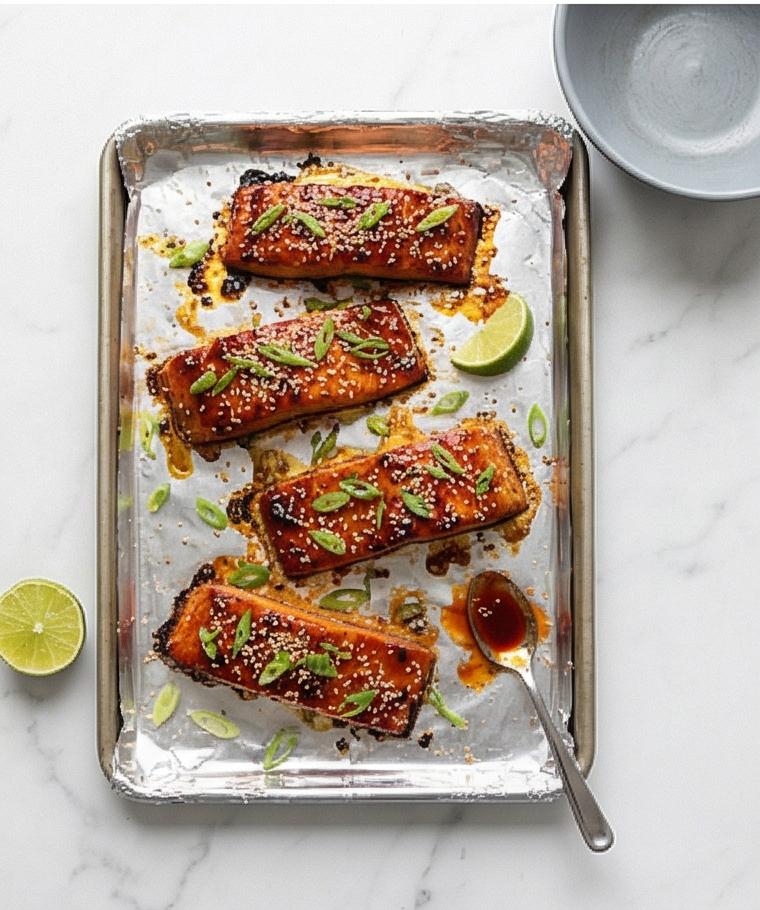
Step 4: Rest, garnish, and assemble the rectangular serving composition
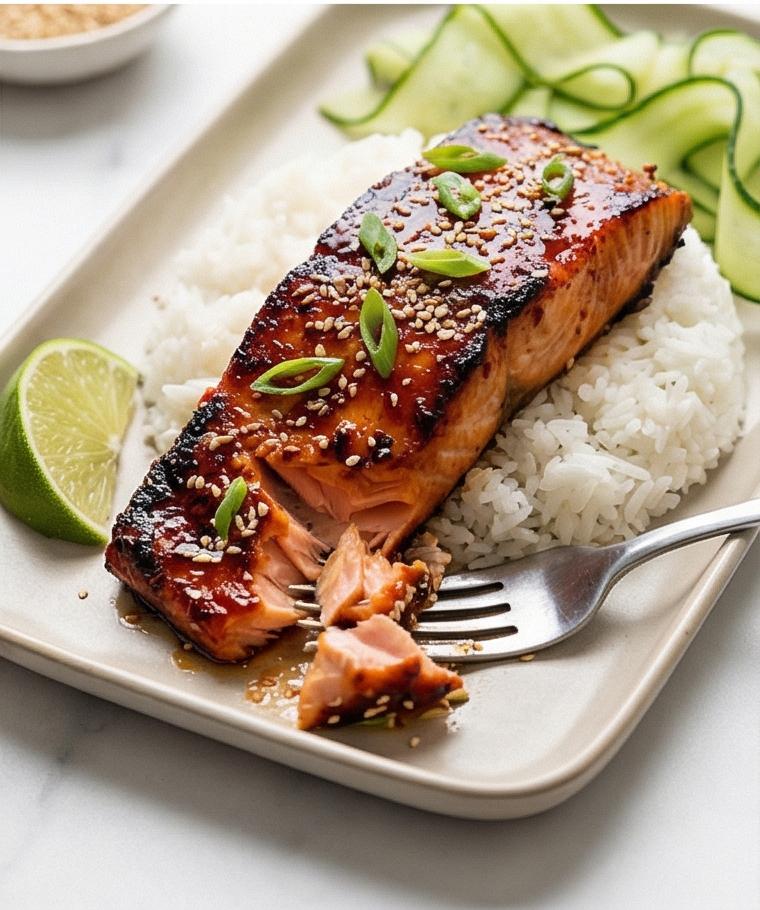
Allow the salmon to rest on the tray for a few minutes so juices redistribute, then scatter thinly sliced scallions and toasted sesame seeds over the warm glaze so they adhere. Spoon pan juices and any sticky caramelized glaze from the sheet back over the fillets. To assemble, mound hot white rice on a rectangular serving platter (keeping the overall rectangular geometry to echo the baking sheet), arrange a glazed fillet partly atop the rice with thin cucumber slices and a lime wedge to the side; the platter should carry the roasted rectilinear language of the tray. Serve immediately while the glaze is glossy and the salmon flakes tenderly.
Making It Your Own
I like to swap a bit of the water for pineapple juice when I want a fruitier glaze; the natural acids brighten the gochujang and play beautifully with honey. For a vegan take, use firm tofu slabs instead of salmon and roast them until the edges blister, finishing with the reserved glaze. When I need less heat, I halve the gochugaru and add an extra teaspoon of brown sugar to soften the punch. For winter dinners, try adding a tablespoon of dark soy for a deeper color and a savory boost.
How to Serve
When I’m hosting, I keep the platter rectangular and serve the Gochujang Salmon Recipe family style on a long board with a mound of hot rice down the center. Arrange fillets slightly overlapping so guests can choose portions. Offer thin cucumber slices, extra lime wedges, and a small bowl of reserved glaze for drizzling. For larger crowds, double the glaze and roast fillets in two batches so each piece gets even heat and a glossy finish. To make it weeknight-friendly, plate one fillet per person over rice with cucumber and scallions and serve immediately.
Storage and Reheating Tips
Store leftover Gochujang Salmon Recipe in an airtight container in the refrigerator for up to two days. Keep rice separate if possible to avoid sogginess; pack rice and salmon in separate containers for best texture.
Reheat gently to preserve flakiness: warm the salmon in a 300°F (150°C) oven for 6 to 8 minutes covered with foil, or reheat in a skillet over low heat with a lid for a few minutes. Add a splash of water or reserved glaze to keep the surface glossy and prevent drying.
Common Mistakes and How to Avoid Them
Overcooking is the usual culprit. Pull the salmon when it is just opaque in the center and still glossy; carryover heat will finish it. Use a thermometer if you are unsure and aim for about 125 to 130 F for medium.
Applying too much glaze on the pan can create burned puddles. Brush on an even layer and reserve the finishing glaze in a separate ramekin so you can baste after roasting without contaminating the reserved sauce.
Final Thoughts
Give the Gochujang Salmon Recipe a try this week and let the sticky, spicy-sweet glaze win you over. It is quick, forgiving, and impressive, and it pairs beautifully with steamed rice or a crunchy cucumber salad. Once you taste that caramelized glaze, you will want to make it again.
Frequently Asked Questions.
- Q: Can I make the glaze ahead of time? A: Yes, you can make the glaze up to 24 hours ahead and store it in the refrigerator; bring it to room temperature and whisk before using.
- Q: Is there a non-spicy substitute for gochujang? A: Try a blend of miso paste and a small amount of sweet chili sauce to mimic the umami and sweetness without as much heat.
- Q: How do I know when the salmon is done? A: The fish should be just opaque in the center and flake easily with a fork; a thermometer reading of about 125 to 130 F yields a tender result.
- Q: Can I use frozen salmon? A: Thaw completely in the refrigerator and pat very dry before glazing so the sauce adheres and the fillets roast evenly.
- Q: What can I serve with it? A: Hot white rice, quick pickled cucumbers, or steamed greens all complement the Gochujang Salmon Recipe nicely.
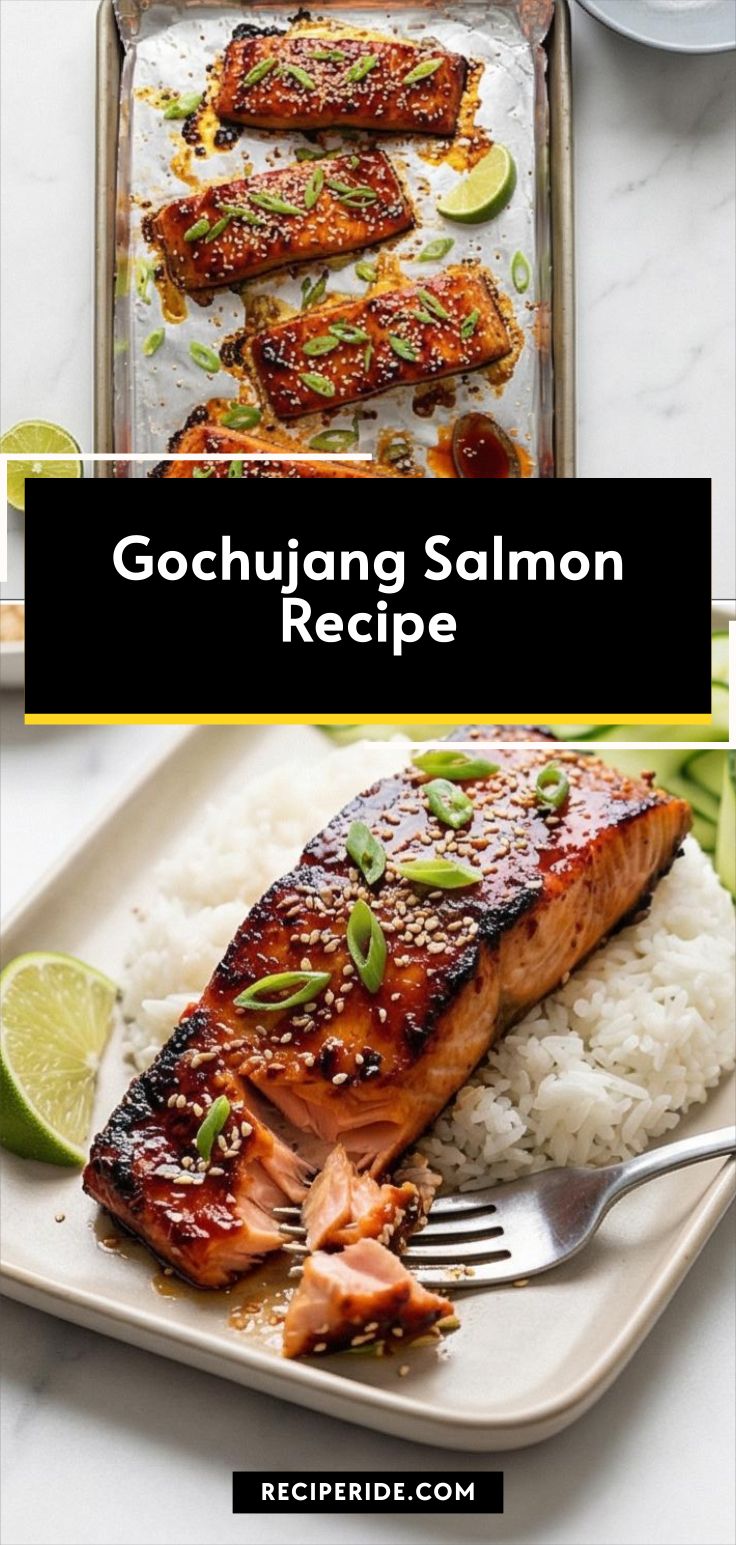
Gochujang Salmon Recipe
Make Gochujang Salmon Recipe for a sticky, spicy-sweet roasted salmon with rice and scallions in under an hour.
Ingredients
Instructions
Step 1: Whisk the gochujang glaze until smooth
In a medium matte-grey ceramic mixing bowl, whisk together gochujang, low-sodium soy sauce, rice vinegar, fresh lime juice, honey, packed light brown sugar, toasted sesame oil, room-temperature water, finely minced garlic, grated ginger, and optional gochugaru until the mixture is completely smooth, glossy, and slightly thick but still pourable. Spoon 2 tablespoons of the finished glaze into a small white ramekin and set it aside — keep it physically separated from the bowl with the raw glaze so it never touches raw fish. This bowl will be the persistent mixing vessel throughout the process and the whisk should rest on its rim when not in use.
Step 2: Prepare the tray and glaze the raw salmon
Line a rimmed rectangular baking sheet with aluminum foil and lightly grease the foil with neutral oil. Pat four skin-on salmon fillets very dry again with paper towels, place them skin-side down on the prepared sheet with small gaps between each fillet, then season the flesh evenly with fine sea salt and freshly ground black pepper. Use a spoon or silicone brush to divide the remaining glaze and coat the tops and sides of each fillet in a thick, even layer, avoiding puddles on the foil. Cover loosely or refrigerate uncovered for 15–20 minutes to let the flavors penetrate while keeping the fish cold. Keep the matte-grey mixing bowl and the small reserved ramekin visible nearby so the tools and vessels persist across frames.
Step 3: Roast until the glaze bubbles and caramelize briefly
Bring the salmon to room temperature briefly while the oven finishes preheating to 400°F (200°C). Roast the glazed fillets on the middle rack until the glaze is bubbling at the edges and the fish is just opaque in the center — the surface should appear glossy and beginning to darken at the edges. For extra depth, brush the warm fillets with the reserved ramekin glaze and broil for a very short time until small darkened spots appear and the surface is shiny but not burned. Remove the tray and let the fillets rest on the foil-lined sheet; do not transfer the glazed juices elsewhere. The tray should show caramelized, slightly blistered red glaze with molten pan juices pooled at the corners.
Step 4: Rest, garnish, and assemble the rectangular serving composition
Allow the salmon to rest on the tray for a few minutes so juices redistribute, then scatter thinly sliced scallions and toasted sesame seeds over the warm glaze so they adhere. Spoon pan juices and any sticky caramelized glaze from the sheet back over the fillets. To assemble, mound hot white rice on a rectangular serving platter (keeping the overall rectangular geometry to echo the baking sheet), arrange a glazed fillet partly atop the rice with thin cucumber slices and a lime wedge to the side; the platter should carry the roasted rectilinear language of the tray. Serve immediately while the glaze is glossy and the salmon flakes tenderly.
Notes
- Reserve 2 tablespoons of glaze separately to finish the cooked salmon and avoid cross-contamination.
- Pat salmon very dry so the glaze adheres and roasts instead of steaming.
- Use center-cut fillets of similar thickness for even cooking.
- If you like less heat, omit the gochugaru or reduce gochujang slightly and add more honey.
- Reheat gently at low temperature to preserve moisture and gloss.