Tzatziki Recipe has been a weeknight hero in my kitchen for years, and I still reach for it when I want something fresh, bright, and effortless. I learned to love making tzatziki at home because the homemade version is creamier and more aromatic than anything from a jar, and it comes together in minutes. I use it as a dip, a sauce, and a quick salad dressing, and it never fails to lift a meal. If you like cool, garlicky, herb-kissed flavors, this Tzatziki Recipe will be a go-to for you too.
How This Recipe Became My Porch-Party Staple
The first time I made this Tzatziki Recipe, it was for a small summer dinner on my back porch while herbs in the windowsill were exploding with growth. I remember grating the cucumber and the bright lemon scent cutting through the late-afternoon heat like a memory. My neighbor arrived early and we tasted it straight from the bowl, olive oil glinting on top, the garlic warm and assertive but not rude. That evening turned into a long, relaxed meal with pita, charred peppers, and stories that stretched past sunset. Each bite was crunchy cucumber against silky yogurt, and I felt proud that something so simple could anchor a whole night. Ever since, this tzatziki has been my signal for casual gatherings and lazy midsummer feasts.
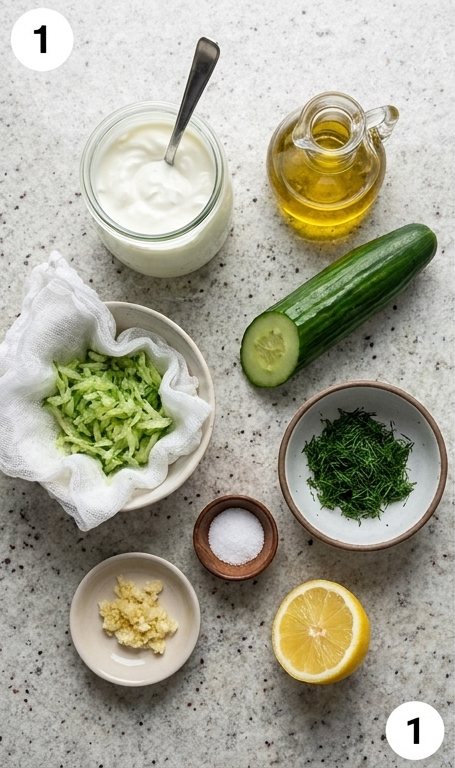
Primary Ingredients and Why They Matter
- English Cucumber: Provides crisp, watery texture and freshness; seedless types or Persian cucumbers work as substitutes and reduce excess moisture.
- Salt: Draws moisture from the cucumber and seasons the base; use kosher or sea salt and adjust to taste.
- Greek Yogurt: The creamy backbone; full-fat for richness, fat-free for a lighter dip.
- Lemon Juice: Brightens and lifts flavors; try vinegar if you need a pantry swap.
- Garlic: Gives assertive aromatic punch; roast lightly if you want a milder, sweeter note.
- Fresh Dill: The classic herb for tzatziki; parsley or mint can be swapped for a different profile.
- Extra Virgin Olive Oil: Rounds and smooths the sauce; finish with a drizzle for shine.
- Black Pepper: Adds subtle spice; freshly ground yields the best aroma.
Essential Kitchen Tools and Why They Help
A few humble tools make this Tzatziki Recipe simpler and more consistent. A box grater or microplane speeds up prep and gives texture control. Cheesecloth or a clean kitchen towel is essential to wring out excess cucumber liquid so the dip stays thick. A sturdy mixing bowl and a rubber spatula help you get the yogurt silky without overworking it. Measuring spoons keep your seasoning balanced, and a small citrus juicer makes squeezing that half lemon easy and mess-free. If you do not have a grater, finely dicing the cucumber works; if you lack cheesecloth, use a thin clean dish towel.
- Box grater or microplane: For crisp or fine cucumber texture.
- Cheesecloth or thin kitchen towel: To drain cucumber effectively.
- Mixing bowl and rubber spatula: To combine ingredients without splashing.
- Measuring spoons: For consistent seasoning.
- Citrus juicer or reamer: Easier lemon juice extraction.
Step-by-Step Preparation Guide
Step 1: Prep the Cucumber
Peel the English cucumber (or leave a little peel for color if you like), then finely dice it or grate it on the large holes of a box grater — whichever yields the crispest texture you prefer. Transfer the diced or grated cucumber into a small bowl lined with a clean cheesecloth, sprinkle with 1/2 teaspoon salt, and give it a gentle toss. Set the bowl aside so the cucumber can exude its bright, watery juice while you move on to the rest of the sauce prep; this little rest concentrates the cucumber’s crunch and keeps the final dip luscious rather than watery.
Step 2: Build the Yogurt Base
In a large mixing bowl, combine the cold Greek yogurt with freshly squeezed lemon juice, grated garlic cloves, roughly chopped fresh dill, three tablespoons of extra virgin olive oil, 1/4 teaspoon salt, and a few grinds of black pepper. Stir until the yogurt becomes silky and homogenous, the dill speckling the surface like tiny green confetti and the lemon lifting the mix with subtle brightness. Taste and adjust seasoning lightly now — the flavors should be bright but restrained, because the cucumber will join and mellow everything further.
Step 3: Drain and Fold
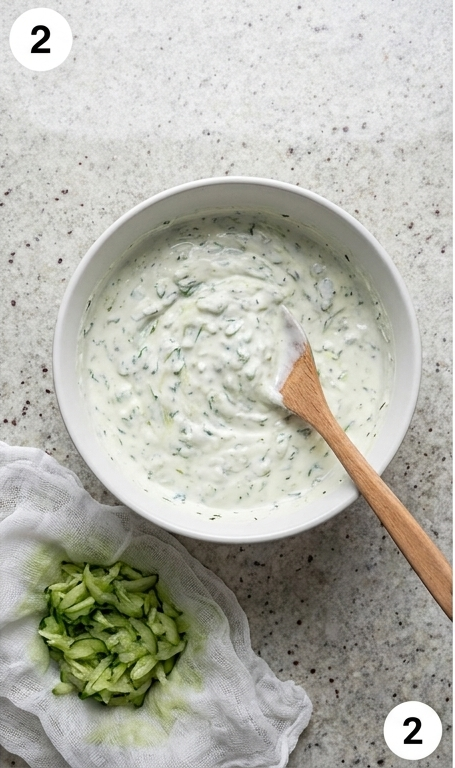
Gather the cheesecloth around the salted cucumber and squeeze firmly over the sink or a bowl to extract as much liquid as possible; you’ll be surprised by how much comes out. Discard that released juice, then add the firmly squeezed cucumber into the prepared yogurt-dill mixture. Fold gently but thoroughly so every cucumber bit is coated in the creamy tangy yogurt, maintaining shards of crisp cucumber for texture and flecks of dill dispersed throughout.
Step 4: Chill and Finish
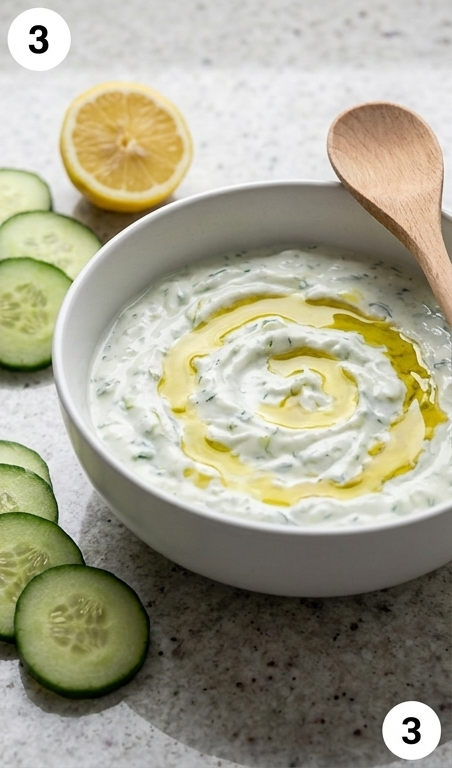
Adjust seasoning to taste, cover the bowl, and refrigerate the tzatziki for at least one hour to let the flavors knit together and the texture relax into a cool, creamy spread. When ready to serve, spoon the tzatziki into a shallow serving bowl, create a few soft swirls on the surface, and finish with a final drizzle of extra virgin olive oil and a small sprinkle of fresh dill.
Making It Your Own
Try swapping fresh dill for mint and add a pinch of ground cumin for a Middle Eastern twist. For a dairy-free version, use thick coconut or almond yogurt and increase lemon slightly to brighten the profile. If you like heat, stir in a little harissa or a pinch of red pepper flakes for warmth without overpowering the cooling cucumber. For a smoky take, finish with a few drops of smoked olive oil or pair the tzatziki with grilled meats.
If you want a thinner sauce for salads, stir in a tablespoon of water or extra olive oil until you reach the texture you like. For extra creaminess, blend half the cucumber into the yogurt before folding the rest in for contrast.
How to Serve
Serve this Tzatziki Recipe in a shallow bowl with a drizzle of olive oil and a sprinkle of fresh dill for a dinner party; place it on a shared mezze board with warm pita, olives, and roasted vegetables. For family meals, use it as a saucy topping for grilled chicken, lamb, or falafel. Scale the amounts up by multiplying the ingredients; for every additional 8 ounces of yogurt, add roughly another cucumber and adjust garlic and lemon incrementally.
If you are hosting, make the tzatziki several hours ahead so flavors meld and your prep time is freed up. Provide small spoons for guests to add it to plates, and offer pita triangles and crisp vegetable crudite for dipping.
Storage and Reheating
Tzatziki keeps best in an airtight container in the refrigerator for up to 3 days. The texture will firm up slightly as it chills, and the flavors will continue to knit together. Stir before serving and add a small splash of olive oil or a squeeze of lemon if it seems too thick.
This dip is not meant to be reheated. If you prefer it warm, briefly spoon it over warm dishes just before serving so the yogurt does not break. For longer storage, separate some cucumber from the yogurt and add fresh right before serving to retain crunch.
Common Mistakes and How to Avoid Them
A common slip is not draining the cucumber well enough. That extra water dilutes the yogurt and makes the tzatziki runny. Always salt and squeeze the cucumber thoroughly.
Another mistake is overdoing the garlic. Grating garlic releases a strong bite; if you want a subtler garlic presence, smash the cloves lightly and let them sit in lemon for a few minutes before adding, or use two cloves instead of four.
A Warm Invitation to Try It
Give this Tzatziki Recipe a try this week; it is quick to make, forgiving, and refreshingly versatile. Whether you dollop it on a sandwich, spoon it alongside grilled veggies, or serve it as the centerpiece of a mezze spread, it will brighten whatever plate it touches. I hope it becomes a small ritual in your kitchen the way it did in mine.
Frequently Asked Questions.
- What is the best yogurt to use for tzatziki?: Use thick Greek yogurt for a creamy, stable base; full-fat yields the richest flavor but low-fat works if you prefer.
- Can I make tzatziki ahead of time?: Yes, make it up to a day ahead and keep covered in the fridge so the flavors meld and serve chilled.
- How do I stop tzatziki from becoming watery?: Drain the cucumber well using cheesecloth and discard the released juice before folding it into the yogurt.
- Can I freeze tzatziki?: Freezing is not recommended because yogurt changes texture when frozen and thawed; enjoy fresh for best results.
- Can I use dried dill instead of fresh?: Fresh dill is best, but if needed use a small pinch of dried dill and adjust to taste; it will be less aromatic.
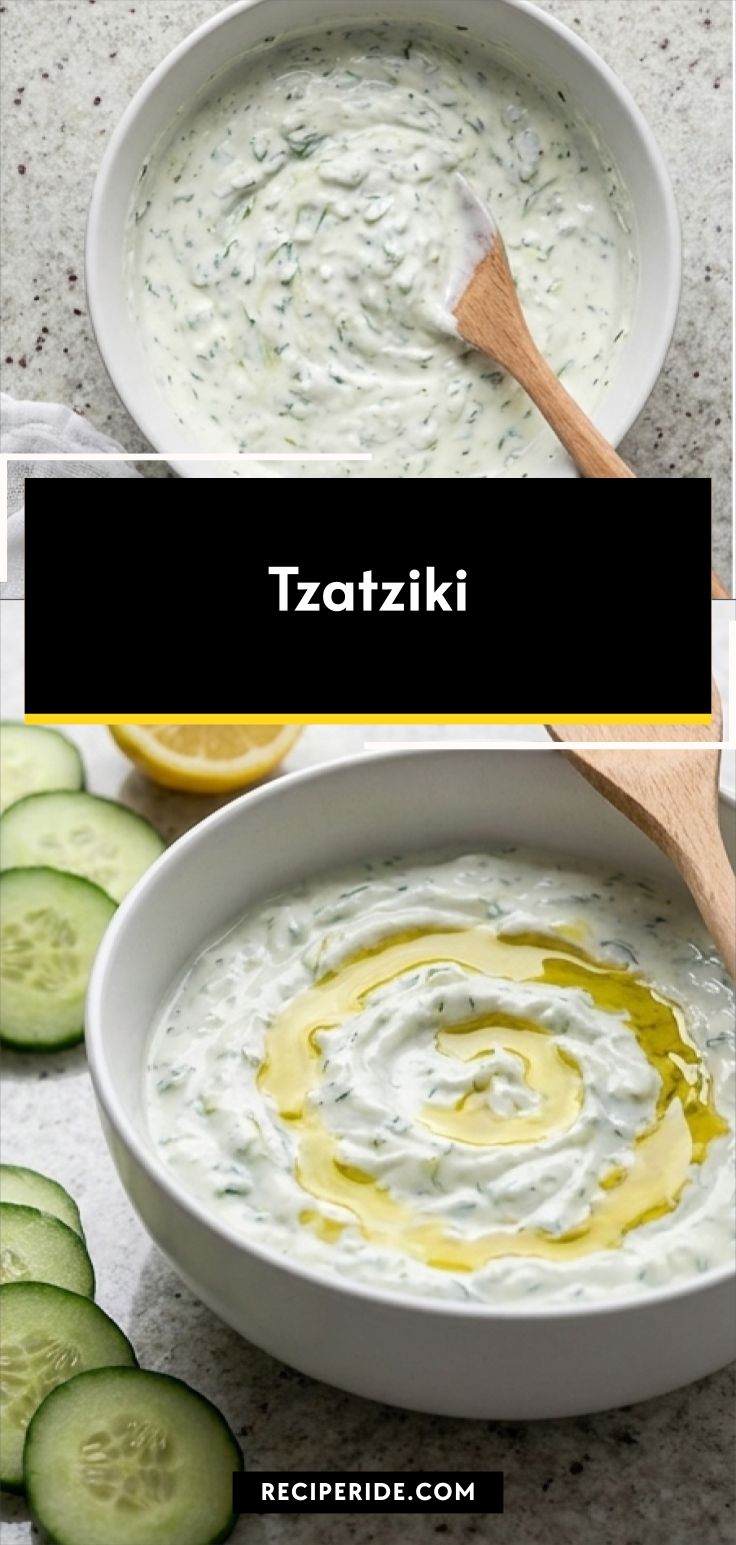
Tzatziki Recipe
Make Tzatziki Recipe fast: creamy Greek yogurt, grated cucumber, garlic, and dill for a fresh dip.
Ingredients
Instructions
Step 1: Prep the Cucumber
Peel the English cucumber (or leave a little peel for color if you like), then finely dice it or grate it on the large holes of a box grater — whichever yields the crispest texture you prefer. Transfer the diced or grated cucumber into a small bowl lined with a clean cheesecloth, sprinkle with 1/2 teaspoon salt, and give it a gentle toss. Set the bowl aside so the cucumber can exude its bright, watery juice while you move on to the rest of the sauce prep; this little rest concentrates the cucumber’s crunch and keeps the final dip luscious rather than watery.
Step 2: Build the Yogurt Base
In a large mixing bowl, combine the cold Greek yogurt with freshly squeezed lemon juice, grated garlic cloves, roughly chopped fresh dill, three tablespoons of extra virgin olive oil, 1/4 teaspoon salt, and a few grinds of black pepper. Stir until the yogurt becomes silky and homogenous, the dill speckling the surface like tiny green confetti and the lemon lifting the mix with subtle brightness. Taste and adjust seasoning lightly now — the flavors should be bright but restrained, because the cucumber will join and mellow everything further.
Step 3: Drain and Fold
Gather the cheesecloth around the salted cucumber and squeeze firmly over the sink or a bowl to extract as much liquid as possible; you’ll be surprised by how much comes out. Discard that released juice, then add the firmly squeezed cucumber into the prepared yogurt-dill mixture. Fold gently but thoroughly so every cucumber bit is coated in the creamy tangy yogurt, maintaining shards of crisp cucumber for texture and flecks of dill dispersed throughout.
Step 4: Chill and Finish
Adjust seasoning to taste, cover the bowl, and refrigerate the tzatziki for at least one hour to let the flavors knit together and the texture relax into a cool, creamy spread. When ready to serve, spoon the tzatziki into a shallow serving bowl, create a few soft swirls on the surface, and finish with a final drizzle of extra virgin olive oil and a small sprinkle of fresh dill.
Notes
- Drain the cucumber well in cheesecloth to prevent a watery dip.
- Taste and adjust lemon and salt after folding in the cucumber.
- Make it a few hours ahead so flavors meld for best results.
- For a dairy-free option, substitute thick coconut or almond yogurt and boost lemon.
- Use fresh dill for the brightest herb flavor; freeze-dried dill will be less vibrant.