I grew up chasing summer sunsets and the smell of buttered bread on the grill, and this Lobster Roll always brings me right back to those evenings. It is one of those simple dishes that feels elevated with just a few honest ingredients, and I love how it balances sweet shellfish, silky mayo, and crisp celery. When I make this Lobster Roll at home, friends crowd the kitchen while I toast buns and spoon big mounds of lobster salad into warm rolls. It is comfort food that still tastes a little fancy, and that combination keeps me making it again and again.
How This Recipe Became My Rainy-Day Favorite
The first time I tried this Lobster Roll I had driven through fog to meet a friend at a tiny seaside shack that smelled like salt and butter. I still remember the sound of the roll as I bit into it, the crackle of toasted bread, and the tender lobster meat that tasted like clean ocean air. Back in my tiny kitchen, I tried to replicate that precise contrast of textures: a soft, pillowy bun, a buttery sear on the cut faces, and chunks of lobster that were just big enough to feel substantial. Over the years I tuned the mayo to add a little heat, learned to chill the salad so it held shape, and started saving the best chives for garnish. Making this Lobster Roll now is like re-creating a memory for friends and family; it is loud with laughter, tiny with sticky fingers, and somehow always worth the extra butter.
Main Ingredients and Why They Matter
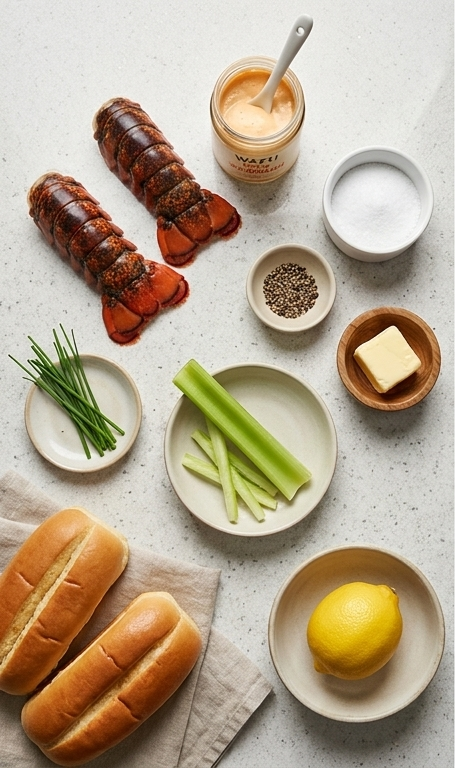
- Lobster tails with shell: The star protein that gives the Lobster Roll its sweet, briny flavor. Substitute cooked shrimp or king crab if lobster is unavailable; pick tails that smell clean and look glossy.
- Celery: Adds snap and color; use fennel for a licorice hint or cucumber for a milder crunch.
- Chives: Bright, oniony lift; green onion works in a pinch and use fresh, firm stems.
- WAFU Spicy Mayonaizu: Creamy binder with a spicy kick; swap for homemade spicy mayo (mayo plus sriracha) if needed.
- Diamond Crystal kosher salt and black pepper: Essential for seasoning; taste as you go and use a flaky salt for finishing.
- Split-top buns and unsalted butter: Buns provide texture contrast when toasted; brioche or soft hot dog rolls can substitute, and real butter toasts best.
Essential Kitchen Tools and Why They Help
Start simple: a few good tools make this Lobster Roll much easier and more enjoyable to prepare. A heavy pot gives even boiling so lobster cooks reliably. A sturdy pair of kitchen shears or a sharp chef knife helps you split shells cleanly and lift meat free without shredding it. A nonstick or well-seasoned skillet to toast buns gives that perfect golden sear, and a small mixing bowl lets you fold salad gently so the lobster chunks stay intact. If you do not have a griddle, use a cast iron pan or electric skillet; no kitchen shears, use a long thin knife and go slowly. These choices save time and keep the final texture exactly how it should be.
- Large pot: For boiling tails, choose one with room so water returns to a boil quickly.
- Kitchen shears or chef knife: For splitting shells cleanly and freeing the meat.
- Mixing bowl: To fold lobster with mayo and seasonings without breaking the meat.
- Skillet or griddle: For butter-toasting buns to golden perfection.
Step-by-Step Preparation Guide
Step 1: Defrost the Lobster Tails
Place the frozen lobster tails in the refrigerator for 8–12 hours to thaw gently; if you’re in a hurry, submerge them in a bowl of cold water until fully defrosted. Pat each tail dry with paper towel when ready—removing excess moisture now helps the meat hold its texture during cooking and makes the shells easier to handle.
Step 2: Boil the Lobster Tails and Rest
Bring a large pot of water seasoned with 1 teaspoon kosher salt per quart to a vigorous rolling boil, then add the lobster tails and cook until the shells turn bright red, about 8–12 minutes depending on size. Remove the tails to a tray and let them rest for about 5 minutes so the meat reabsorbs its juices; this resting softens the meat and keeps it tender when cut.
Step 3: Extract and Chunk the Lobster Meat
Once cool enough to handle, split the lobster shells lengthwise and carefully lift the meat free. Trim any veins and connective bits, then chop the lobster into roughly ½‑inch chunks so each bite is meaty and slightly irregular—those little uneven edges catch dressing and provide great mouthfeel.
Step 4: Chop Vegetables and Combine the Lobster Salad
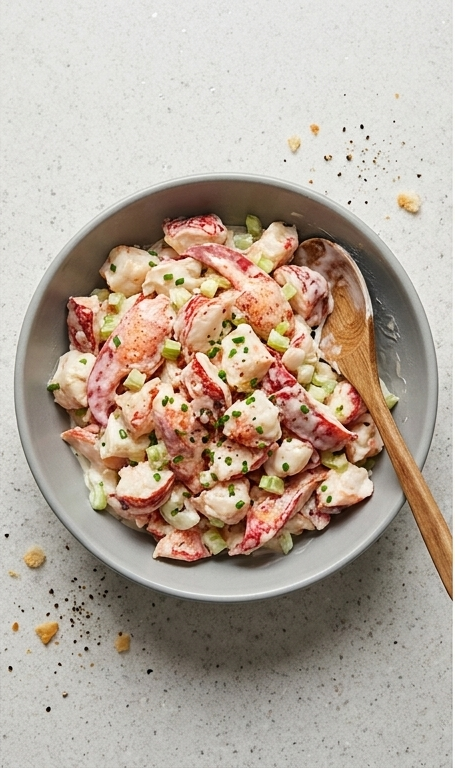
Slice 4 inches of celery into thin lengthwise strips, then dice into small pieces; finely snip most of the chives, reserving a few for garnish. In a large matte ceramic bowl, fold the lobster with WAFU Spicy Mayonaizu (or your homemade spicy mayo), celery, and most of the chives, seasoning gently with Diamond Crystal kosher salt and freshly ground black pepper. If you have a moment, chill the salad 5–10 minutes so the flavors meld and the dressing slightly firms on the meat.
Step 5: Split and Butter-Toast the Buns
If your New England split-top buns aren’t pre-slit, make a shallow lengthwise slit on top. Heat a griddle or skillet and melt 1 tablespoon unsalted butter, then press the flat sides of each bun into the butter and move them gently to soak up the fat. Brush the tops too, and toast until a warm golden-brown sheen appears on both cut faces—those slightly crisp, buttery surfaces give the roll structure and contrast to the creamy salad.
Step 6: Assemble the Lobster Rolls and Finish
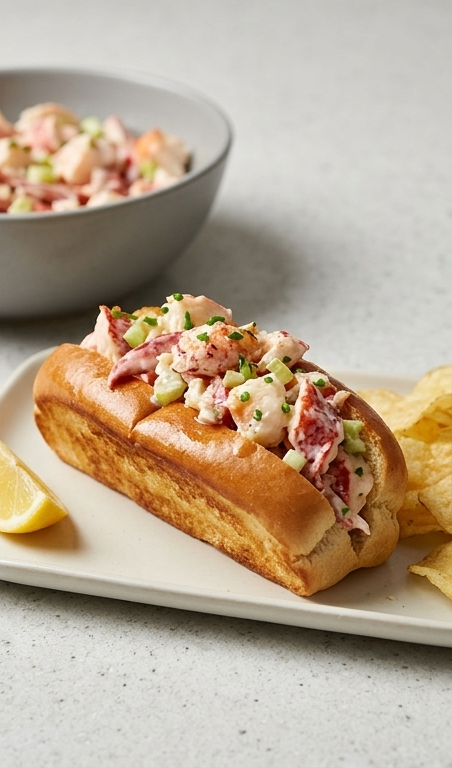
Divide the lobster salad evenly and spoon generous mounds into each toasted split-top bun so the meat spills slightly over the edges. Sprinkle reserved chives and a few more cracked black pepper flakes for contrast, and serve with lemon wedges to squeeze just before eating—the bright citrus cut lifts the richness and adds a fresh, glossy finish.
Step 7: Store Leftovers Thoughtfully
Place any leftover lobster salad in an airtight container and refrigerate for up to 2 days; keep buns separate and toast them fresh before serving again. The lobster mixture keeps best chilled and slightly firm, so give it a gentle stir and taste for seasoning before reusing.
Making It Your Own
I treated this Lobster Roll like a lab of small tweaks for months. One weekend I swapped part of the mayo for crème fraîche and loved the tangy lift it added. Another time I brightened the salad with a spoonful of finely grated lemon zest instead of more pepper. For a lighter take I folded in a few diced cucumbers and trimmed the mayo by a third. If you want a regional twist try a Connecticut-style warm buttered lobster on the roll, or add a little Old Bay for a Mid-Atlantic spin. Each experiment taught me how small swaps change texture and balance, and they all felt like tiny celebrations.
How to Serve
If you are hosting, line up toasted buns on a platter and place a bowl of lemon wedges, extra chives, and coarse salt nearby so guests can finish their Lobster Roll to taste. For a casual lunch, serve with kettle chips and a simple green salad dressed in lemon vinaigrette. For a dinner party, pair with chilled corn on the cob, fingerling potato salad, and light white wine. Scale easily: double the lobster and mayo for a crowd, toast buns right before serving, and keep the salad chilled until assembly so it stays cohesive when plated.
Storage and Reheating Tips
Store the lobster salad in an airtight container in the fridge for up to 2 days. Keep buns in a separate bag or container to preserve their toasted texture; toast again just before serving to revive that buttery crisp.
If you want to reuse leftover lobster in another dish, fold it into a warm pasta with butter and lemon or use it cold over greens. Avoid reheating lobster salad in the microwave as it will change texture; instead, serve chilled or gently warm the lobster meat separately in a pan with a little butter and then toss with a touch of mayo.
Common Mistakes and How to Avoid Them
Overcooking is the classic error. Watch the shells for color and use the lowest recommended time for smaller tails; a few spare minutes of resting will finish the job and keep meat tender.
Another misstep is breaking up the lobster into tiny flakes. Keep pieces chunky so you get satisfying bites of meat. Also, do not overdress: start with less mayo and add to reach a coating you like.
Enjoy Making This Lobster Roll
Give this recipe a try on a relaxed afternoon and notice how small details change the final result. Whether you stick to the classic version or add your own twist, the Lobster Roll rewards a little attention and tastes generous with almost no fuss. Serve it to people you want to impress without trying too hard.
Frequently Asked Questions.
-
What kind of lobster is best for a Lobster Roll?
Answer: Fresh or frozen lobster tails with firm, sweet meat work best; choose tails that smell clean and avoid any strong fishy odor. -
Can I make the lobster salad ahead of time?
Answer: Yes, make the lobster salad up to 2 days ahead and keep it chilled in an airtight container; hold buns separate. -
How do I avoid dry lobster meat?
Answer: Do not overcook the tails and let them rest briefly after boiling so the juices redistribute; chunky pieces feel juicier. -
What can I use instead of WAFU Spicy Mayonaizu?
Answer: Mix mayonnaise with sriracha or a touch of chili paste for a quick substitute, or use plain mayo and a squeeze of lemon if you prefer no heat. -
Can I grill the lobster instead of boiling it?
Answer: Yes, butter or oil the tails and grill meat-side down briefly for char and smoky flavor, then finish and chop as directed.
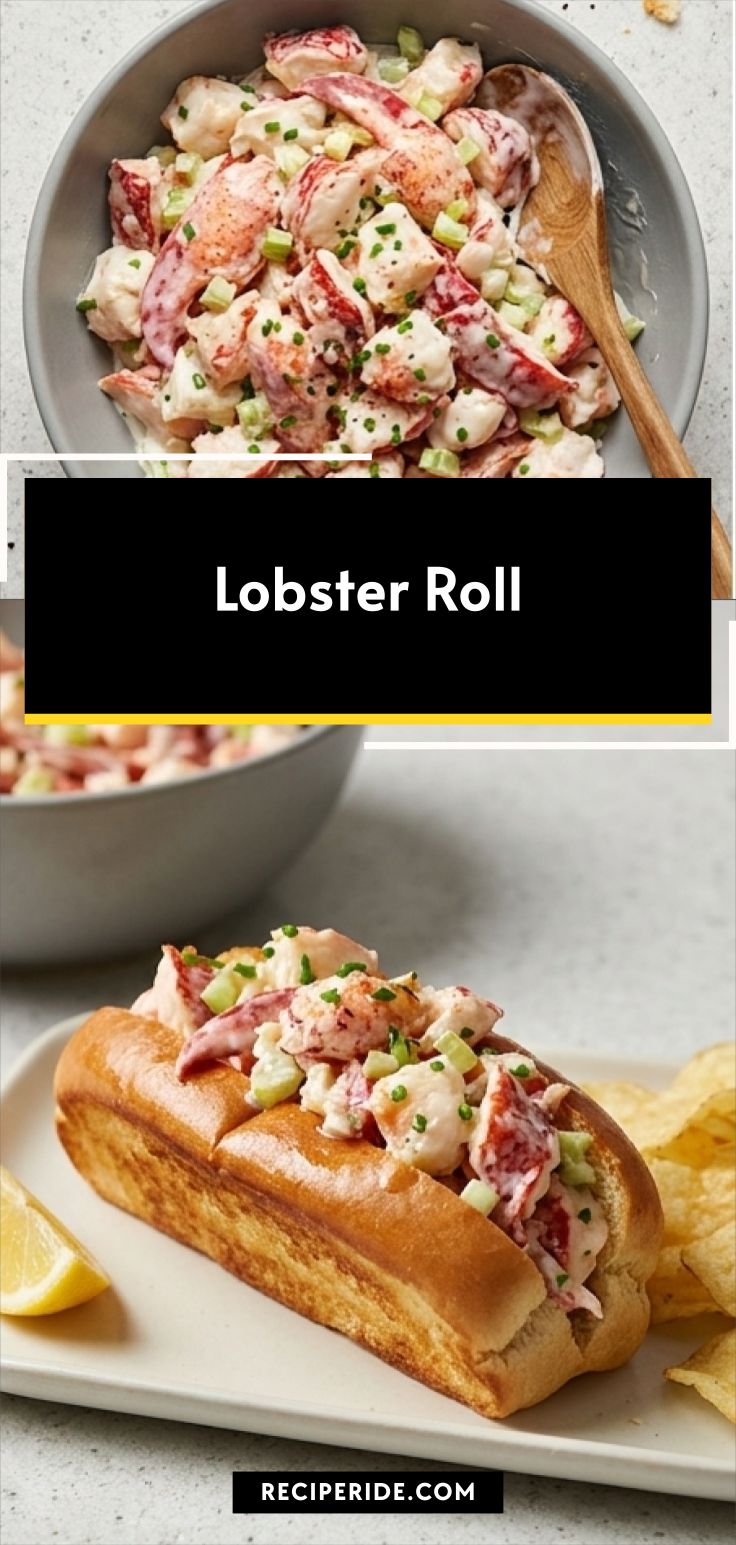
Lobster Roll
Make a buttery, bright Lobster Roll with tender lobster, spicy mayo, and toasted split-top buns.
Ingredients
Instructions
Step 1: Defrost the Lobster Tails
Place the frozen lobster tails in the refrigerator for 8–12 hours to thaw gently; if you’re in a hurry, submerge them in a bowl of cold water until fully defrosted. Pat each tail dry with paper towel when ready—removing excess moisture now helps the meat hold its texture during cooking and makes the shells easier to handle.
Step 2: Boil the Lobster Tails and Rest
Bring a large pot of water seasoned with 1 teaspoon kosher salt per quart to a vigorous rolling boil, then add the lobster tails and cook until the shells turn bright red, about 8–12 minutes depending on size. Remove the tails to a tray and let them rest for about 5 minutes so the meat reabsorbs its juices; this resting softens the meat and keeps it tender when cut.
Step 3: Extract and Chunk the Lobster Meat
Once cool enough to handle, split the lobster shells lengthwise and carefully lift the meat free. Trim any veins and connective bits, then chop the lobster into roughly ½‑inch chunks so each bite is meaty and slightly irregular—those little uneven edges catch dressing and provide great mouthfeel.
Step 4: Chop Vegetables and Combine the Lobster Salad
Slice 4 inches of celery into thin lengthwise strips, then dice into small pieces; finely snip most of the chives, reserving a few for garnish. In a large matte ceramic bowl, fold the lobster with WAFU Spicy Mayonaizu (or your homemade spicy mayo), celery, and most of the chives, seasoning gently with Diamond Crystal kosher salt and freshly ground black pepper. If you have a moment, chill the salad 5–10 minutes so the flavors meld and the dressing slightly firms on the meat.
Step 5: Split and Butter-Toast the Buns
If your New England split-top buns aren’t pre-slit, make a shallow lengthwise slit on top. Heat a griddle or skillet and melt 1 tablespoon unsalted butter, then press the flat sides of each bun into the butter and move them gently to soak up the fat. Brush the tops too, and toast until a warm golden-brown sheen appears on both cut faces—those slightly crisp, buttery surfaces give the roll structure and contrast to the creamy salad.
Step 6: Assemble the Lobster Rolls and Finish
Divide the lobster salad evenly and spoon generous mounds into each toasted split-top bun so the meat spills slightly over the edges. Sprinkle reserved chives and a few more cracked black pepper flakes for contrast, and serve with lemon wedges to squeeze just before eating—the bright citrus cut lifts the richness and adds a fresh, glossy finish.
Step 7: Store Leftovers Thoughtfully
Place any leftover lobster salad in an airtight container and refrigerate for up to 2 days; keep buns separate and toast them fresh before serving again. The lobster mixture keeps best chilled and slightly firm, so give it a gentle stir and taste for seasoning before reusing.
Notes
- Defrost lobster tails overnight in the fridge for best texture.
- Do not overcook tails; use the lower end of the time range for smaller tails.
- Keep the lobster salad chilled and the buns separate until serving.
- Toast buns in butter just before assembly for maximum flavor.
- Use fresh chives and a squeeze of lemon to brighten the finished roll.