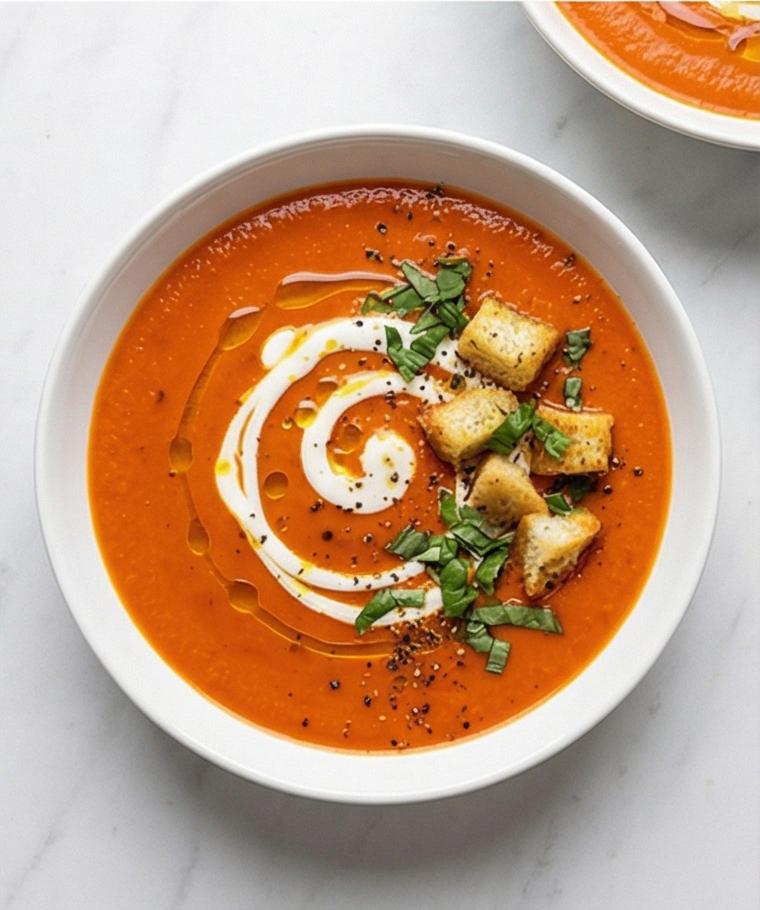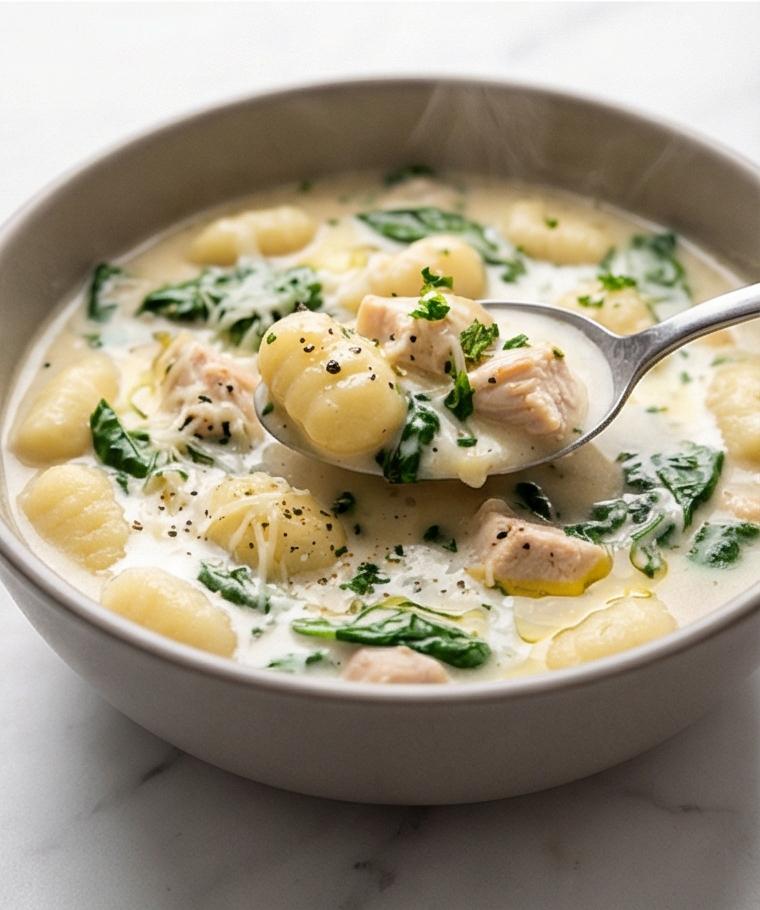
Italian Wedding Soup Recipe is one of those dishes that feels like a cozy blanket on a cold night and a celebration in a bowl at the same time. I fell in love with this Italian Wedding Soup Recipe after making tiny meatballs with my grandmother’s stories floating around the kitchen; the combination of tender meat, bright greens and little pearls of pasta is endlessly comforting. I like how the soup comes together quickly yet tastes like it simmered for hours. If you enjoy food that feels both homey and elegant, this Italian Wedding Soup Recipe will become a go-to for weeknights and small dinner gatherings.
The scent of simmering chicken broth and fresh parsley is an instant invitation to linger. What makes this recipe special is the balance between a clear, savory broth and small, tender meatballs that still feel delicate. It hits the savory, salty and bright notes in every spoonful, and the texture of acini di pepe keeps each bite playful.
How This Recipe Became My Rainy-Day Favorite
One late autumn afternoon, rain tapping the windows, I decided to try the Italian Wedding Soup Recipe from a crumpled page I had saved years earlier. The kitchen filled with the smell of sautéed onion and carrot, and rolling those tiny meatballs felt like working on a little edible puzzle. As the broth came to a gentle simmer and the meatballs bobbed quietly, a sense of calm settled over me. When I finally ladled a bowl, the first spoonful tasted like a warm conversation with an old friend: bright parsley, a whisper of lemon, and the salty richness of Parmigiano-Reggiano. That evening I served the soup to a few neighbors who had stopped by unexpectedly; we all sat around an old coffee table with mismatched mugs and crusty bread. It was simple, unfussy, and perfect for a rainy night, and since then the Italian Wedding Soup Recipe has been my comfort cooking shorthand whenever the weather turns gray.
Ingredients and What They Do
- Ground Beef: Provides savory depth and structure to the meatballs; substitute all beef or leaner beef if preferred, but add a touch more fat if using very lean meat.
- Ground Pork: Adds juiciness and flavor; turkey works in a pinch for a lighter version.
- Plain Dry Breadcrumbs: Bind and soften meatballs; use panko for a lighter texture.
- Parmigiano-Reggiano: Adds salty, nutty umami; Pecorino Romano can be a sharper substitute.
- Fresh Parsley: Brightens the whole soup; cilantro is not recommended, but basil can work in a pinch.
- Egg: Binds the mixture; for an egg-free meatball, try a tablespoon of yogurt or a flax egg.
- Garlic, Onion, Carrot, Celery: Build the aromatic base; finely dice for even cooking.
- Chicken Broth: The flavorful liquid base; use low-sodium so you control the salt.
- Acini di Pepe or Pastina: Tiny pasta that keeps the broth brothy; orzo is a bit heavier but still tasty.
- Escarole or Baby Spinach: Adds freshness and color; kale can substitute but may need longer cooking.

Essential Kitchen Tools Youll Use
Start with a short list and youll see how each tool makes a difference. Good tools speed up prep and keep the results consistent.
- Large Stock Pot: For simmering the broth and cooking meatballs and pasta together; a heavy-bottomed pot helps maintain an even simmer. Use a Dutch oven if you do not have a stock pot.
- Mixing Bowl: For blending and shaping meatballs; a roomy bowl prevents spills and uneven mixing. A large stainless steel bowl works well as an alternative.
- Slotted Spoon: To remove or check meatballs without spilling too much broth; a spider strainer can also do the job.
- Sharp Knife and Cutting Board: For fine dicing of mirepoix; a bench scraper helps transfer ingredients quickly.
- Measuring Cups and Spoons: For consistent seasoning and pasta ratios; kitchen scales are even better for accuracy.
Step-by-Step Preparation Guide
Step 1: Make the meatball mix and shape
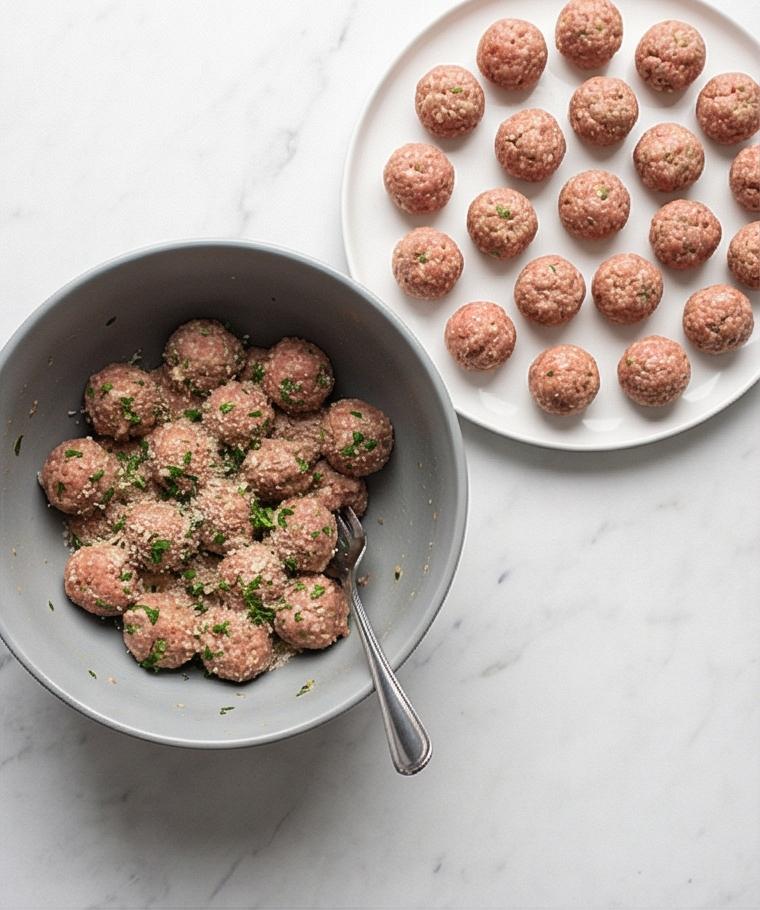
In a roomy matte-grey mixing bowl, combine the ground beef and pork with the dry breadcrumbs, finely grated Parmigiano-Reggiano, one tablespoon of chopped flat-leaf parsley, the lightly beaten egg, one finely minced garlic clove, 1/2 teaspoon fine sea salt and 1/4 teaspoon freshly ground black pepper. Gently fold with a fork or by turning the mixture with your hands just until the crumbs are moistened and the proteins hold together — you want a tender, slightly tacky texture, not a dense paste. Portion out roughly two-teaspoon-sized mounds and roll into 3/4-inch (2 cm) spheres, placing them in a single layer on a clean white ceramic plate to chill briefly; chilling firms their exterior and helps them hold their shape when they hit the hot broth.
Step 2: Sweat the aromatic vegetables
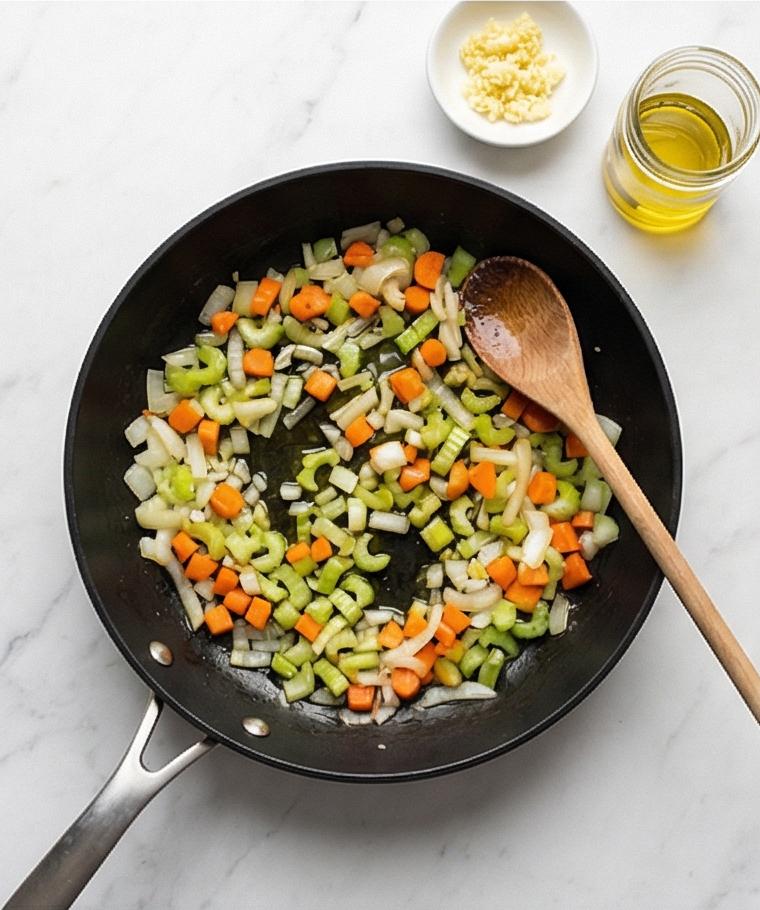
Heat a little extra-virgin olive oil until shimmering (off-camera, on the stove) and add finely diced yellow onion, carrot and celery. Cook just until the onion is translucent and the vegetables are softened and glossy but not colored — they should be softened, slightly glossy with softened edges and a plump, yielding bite. Stir in the remaining minced garlic for the last 30–60 seconds until fragrant; the mixture should smell sweet and gently aromatic, the garlic integrated but not browned. Transfer the softened mirepoix briefly into a shallow serving pan so it sits ready to join the broth.
Step 3: Build the seasoned broth and aromatics
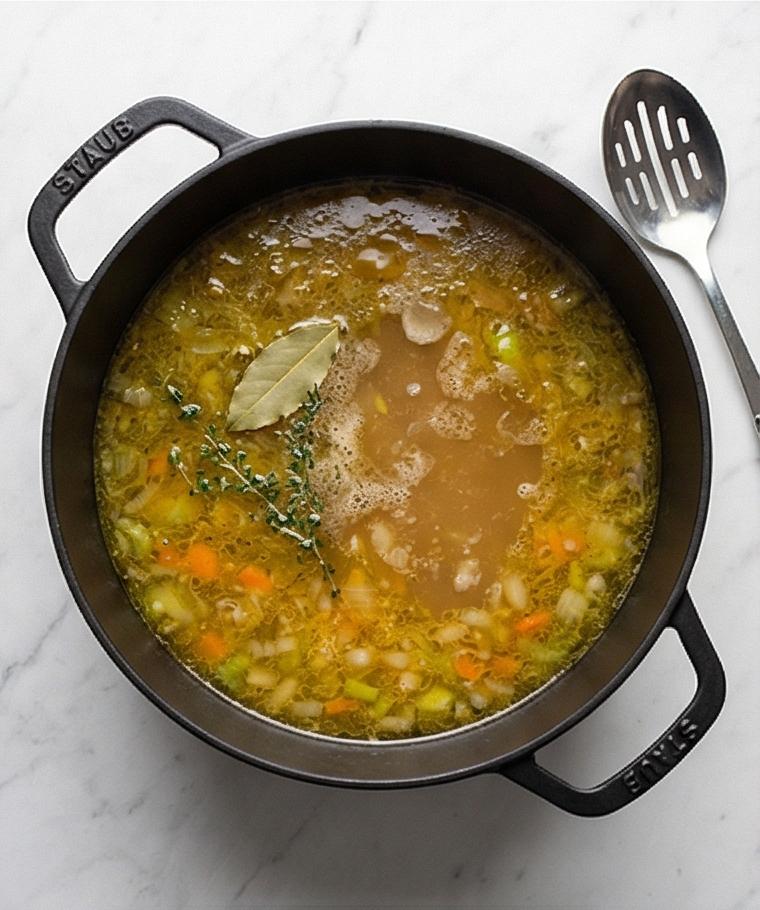
Pour the low-sodium chicken broth into a large, heavy, matte-black stock pot (placed on the table for photography), stir in a bay leaf and thyme, and season with 1/2 teaspoon salt and 1/4 teaspoon freshly ground black pepper. Bring the clear, golden broth just to a gentle simmer off-camera; the surface should appear glossy with a few steady, small bubbles around the edges and the aromatics floating like little flecks. The pot holds a luminous, light-broth base that will cradle the meatballs — this is the calm, savory sea they will swim in.
Step 4: Add the chilled meatballs and simmer gently
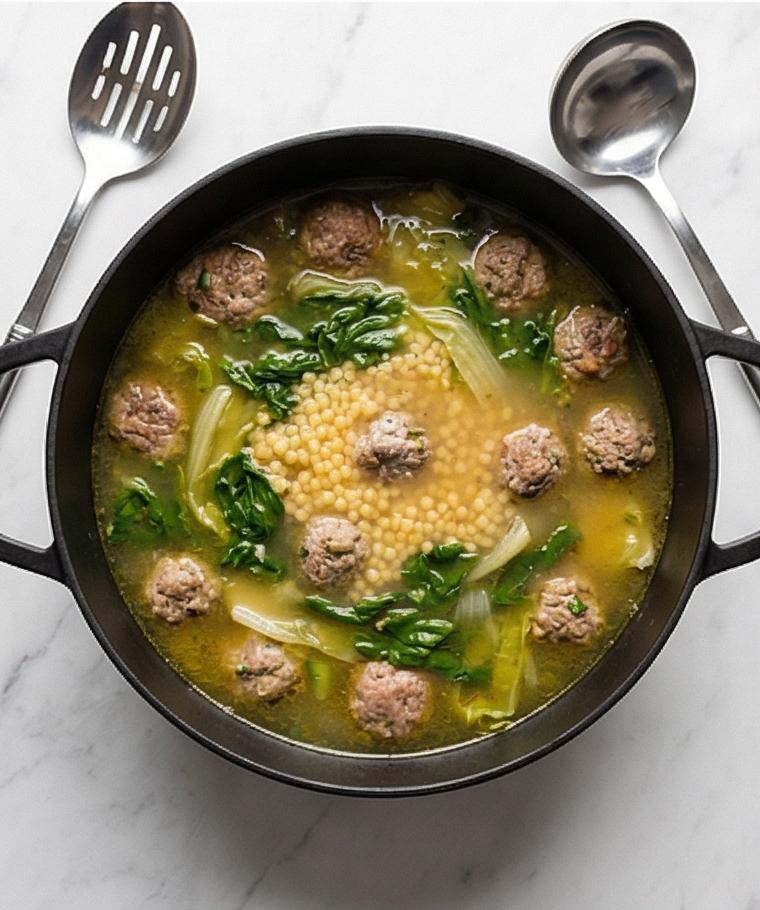
Carefully slide the chilled, uniform small meatballs into the warm broth so each sits independently without crowding; allow them to set for two minutes before any movement so a light exterior seal forms. Maintain a gentle simmer while the meatballs cook through to an opaque, slightly firm texture (target 165°F/74°C internal), the surfaces showing a faint cooked crust but still tender. Rest a slotted spoon on the pot rim — the focus here is on evenly suspended, plump meatballs bathing in clear broth.
Step 5: Stir in pasta and finish cooking
Once the meatballs are mostly cooked, stir in the acini di pepe (or small pastina) so it disperses evenly through the pot. Continue simmering until the tiny pasta is just al dente, with a clean bite and swollen, glossy pearls clinging to a few meatballs — the pasta should plump but not fall apart and the broth should still feel brothy, not starchy. Drain a touch of excess fat if needed, and taste to correct seasoning so the broth sings with balanced salt and pepper.
Step 6: Wilt the greens and marry the flavors
Fold in the chopped escarole or baby spinach and stir only until the greens are just wilted and vibrantly bright green — tender but with a little stem texture for contrast. Remove and discard the bay leaf, turn off the heat and let the soup rest 3–5 minutes so flavors meld and the pasta absorbs a little more broth; the finished texture should be brothy yet hearty, with distinct tender meatballs, al dente pasta, and vivid greens.
Step 7: Serve, garnish and store
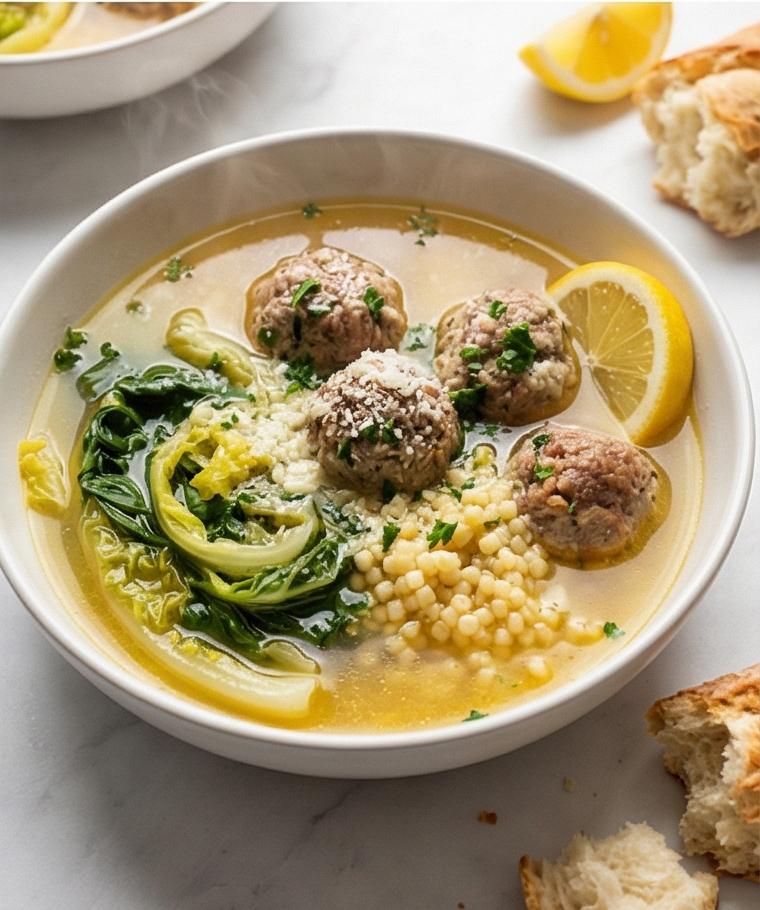
Ladle the hot soup into warmed wide, shallow soup bowls so each portion presents several meatballs, a spoonful of glossy acini di pepe and a nest of wilted greens in a golden broth. Finish each bowl with a generous grating of Parmigiano-Reggiano, a pinch of the reserved chopped parsley, and a lemon wedge at the side to brighten if desired. Serve immediately with crusty bread for dipping; to store, cool to room temperature (no more than 2 hours) then refrigerate in airtight containers for up to 3 days, adding a splash of broth or water when reheating to restore the original brothy texture.
Making It Your Own
I like to experiment with the Italian Wedding Soup Recipe depending on the season. In summer I swap escarole for a mix of baby greens and toss in chopped basil right before serving for a bright lift. For a lighter weeknight version I try lean turkey in place of pork and reduce the cheese slightly, which keeps it lean but still satisfying.
For a heartier, colder-weather bowl I add a small handful of cooked cannellini beans toward the end for extra body and protein. When entertaining, I will sometimes offer a small spice tray so guests can add red pepper flakes, extra cheese, or a squeeze of lemon to customize each bowl.
How to Serve
When hosting, ladle the Italian Wedding Soup Recipe into warm, shallow bowls so the meatballs and pasta sit invitingly at the top. Pair it with crusty bread or garlic-rubbed crostini to sop up the broth, and offer a small bowl of extra grated Parmigiano-Reggiano on the table.
For larger groups, keep the soup warm in a wide, shallow slow cooker set to low and add cooked pasta separately so it does not overcook. For a light lunch serving, offer smaller bowls with a side salad and finish each bowl with a lemon wedge to brighten.
Storage and Reheating Tips
Cool the soup to room temperature no more than two hours after cooking, then refrigerate in airtight containers. The soup will keep well for up to three days; separate the pasta if you plan to store it longer so the pasta does not become mushy.
When reheating, warm gently on the stove over medium-low heat and add a splash of broth or water to restore the brothy texture. If frozen, thaw overnight in the refrigerator, then reheat slowly and add a little extra seasoning before serving.
Common Mistakes and How to Avoid Them
Overcrowding the pot when cooking meatballs is a frequent misstep. Give them room so they can form a light exterior seal and cook evenly; work in batches if necessary.
Another trap is overcooking the tiny pasta. Add it late and aim for just al dente so it keeps texture after resting and reheating. Taste as you go and stop the pasta a touch earlier than you think.
A Warm Invitation
Give the Italian Wedding Soup Recipe a try this week; it is forgiving, quick to assemble, and perfect for feeding friends or comforting yourself. Once you make it, tweak the herbs and greens until it feels like your own signature bowl.
Frequently Asked Questions.
- Q: Can I make the meatballs ahead of time? A: Yes, you can shape and refrigerate them for a few hours before cooking, or freeze them on a tray and transfer to a bag for longer storage.
- Q: Is there a good substitute for acini di pepe? A: Tiny pastina or orzo work well as substitutes, though orzo is a bit larger and will make the soup heartier.
- Q: How do I keep the broth from becoming cloudy? A: Use a gentle simmer rather than a rolling boil and avoid stirring vigorously while the meatballs cook.
- Q: Can I make this vegetarian? A: For a vegetarian version, omit the meatballs and add hearty beans like cannellini and extra mushrooms for depth, and substitute vegetable broth.
- Q: Whats the best way to reheat leftovers? A: Reheat gently on the stove over medium-low, adding a splash of broth or water to refresh the texture and stirring occasionally.

Italian Wedding Soup Recipe
Make the Italian Wedding Soup Recipe now: tender meatballs, tiny pasta, and bright greens in a savory broth.
Ingredients
Instructions
Step 1: Make the meatball mix and shape
In a roomy matte-grey mixing bowl, combine the ground beef and pork with the dry breadcrumbs, finely grated Parmigiano-Reggiano, one tablespoon of chopped flat-leaf parsley, the lightly beaten egg, one finely minced garlic clove, 1/2 teaspoon fine sea salt and 1/4 teaspoon freshly ground black pepper. Gently fold with a fork or by turning the mixture with your hands just until the crumbs are moistened and the proteins hold together — you want a tender, slightly tacky texture, not a dense paste. Portion out roughly two-teaspoon-sized mounds and roll into 3/4-inch (2 cm) spheres, placing them in a single layer on a clean white ceramic plate to chill briefly; chilling firms their exterior and helps them hold their shape when they hit the hot broth.
Step 2: Sweat the aromatic vegetables
Heat a little extra-virgin olive oil until shimmering (off-camera, on the stove) and add finely diced yellow onion, carrot and celery. Cook just until the onion is translucent and the vegetables are softened and glossy but not colored — they should be softened, slightly glossy with softened edges and a plump, yielding bite. Stir in the remaining minced garlic for the last 30–60 seconds until fragrant; the mixture should smell sweet and gently aromatic, the garlic integrated but not browned. Transfer the softened mirepoix briefly into a shallow serving pan so it sits ready to join the broth.
Step 3: Build the seasoned broth and aromatics
Pour the low-sodium chicken broth into a large, heavy, matte-black stock pot (placed on the table for photography), stir in a bay leaf and thyme, and season with 1/2 teaspoon salt and 1/4 teaspoon freshly ground black pepper. Bring the clear, golden broth just to a gentle simmer off-camera; the surface should appear glossy with a few steady, small bubbles around the edges and the aromatics floating like little flecks. The pot holds a luminous, light-broth base that will cradle the meatballs — this is the calm, savory sea they will swim in.
Step 4: Add the chilled meatballs and simmer gently
Carefully slide the chilled, uniform small meatballs into the warm broth so each sits independently without crowding; allow them to set for two minutes before any movement so a light exterior seal forms. Maintain a gentle simmer while the meatballs cook through to an opaque, slightly firm texture (target 165°F/74°C internal), the surfaces showing a faint cooked crust but still tender. Rest a slotted spoon on the pot rim — the focus here is on evenly suspended, plump meatballs bathing in clear broth.
Step 5: Stir in pasta and finish cooking
Once the meatballs are mostly cooked, stir in the acini di pepe (or small pastina) so it disperses evenly through the pot. Continue simmering until the tiny pasta is just al dente, with a clean bite and swollen, glossy pearls clinging to a few meatballs — the pasta should plump but not fall apart and the broth should still feel brothy, not starchy. Drain a touch of excess fat if needed, and taste to correct seasoning so the broth sings with balanced salt and pepper.
Step 6: Wilt the greens and marry the flavors
Fold in the chopped escarole or baby spinach and stir only until the greens are just wilted and vibrantly bright green — tender but with a little stem texture for contrast. Remove and discard the bay leaf, turn off the heat and let the soup rest 3–5 minutes so flavors meld and the pasta absorbs a little more broth; the finished texture should be brothy yet hearty, with distinct tender meatballs, al dente pasta, and vivid greens.
Step 7: Serve, garnish and store
Ladle the hot soup into warmed wide, shallow soup bowls so each portion presents several meatballs, a spoonful of glossy acini di pepe and a nest of wilted greens in a golden broth. Finish each bowl with a generous grating of Parmigiano-Reggiano, a pinch of the reserved chopped parsley, and a lemon wedge at the side to brighten if desired. Serve immediately with crusty bread for dipping; to store, cool to room temperature (no more than 2 hours) then refrigerate in airtight containers for up to 3 days, adding a splash of broth or water when reheating to restore the original brothy texture.
Notes
- Chill the shaped meatballs briefly before adding to the broth to help them hold shape.
- Use low-sodium broth so you can better control final seasoning.
- Add pasta toward the end to avoid a starchy, thick broth.
- Store pasta separately if you plan to freeze leftovers to prevent mushiness.
- Warm gently when reheating and add a splash of broth to refresh texture.