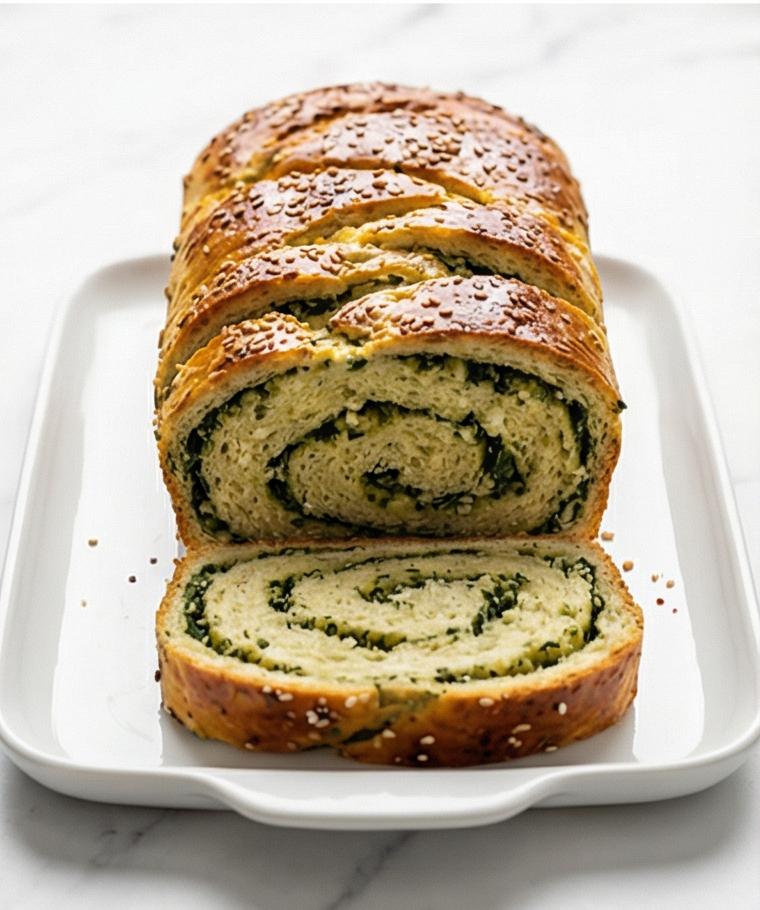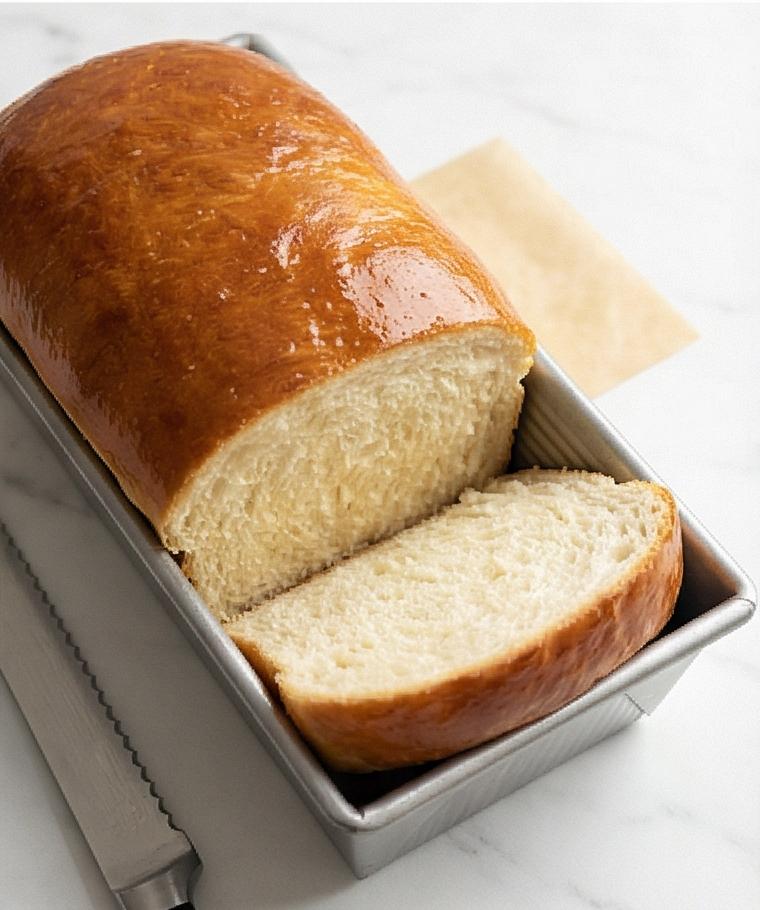
Butter Swim Biscuits Recipe has been my go-to comfort bake for chilly mornings and last-minute dinner sides. I first fell for the simplicity of pouring batter into a sizzling butter bath and watching the edges blister and brown. There’s a satisfying honesty to this method: few ingredients, one hot pan, and a result that feels indulgent without fuss. I love how the Butter Swim Biscuits Recipe makes a small kitchen smell like a bakery in minutes, and the texture is always a little surprisingflaky on the outside and tender inside.
How This Recipe Became My Rainy-Day Favorite
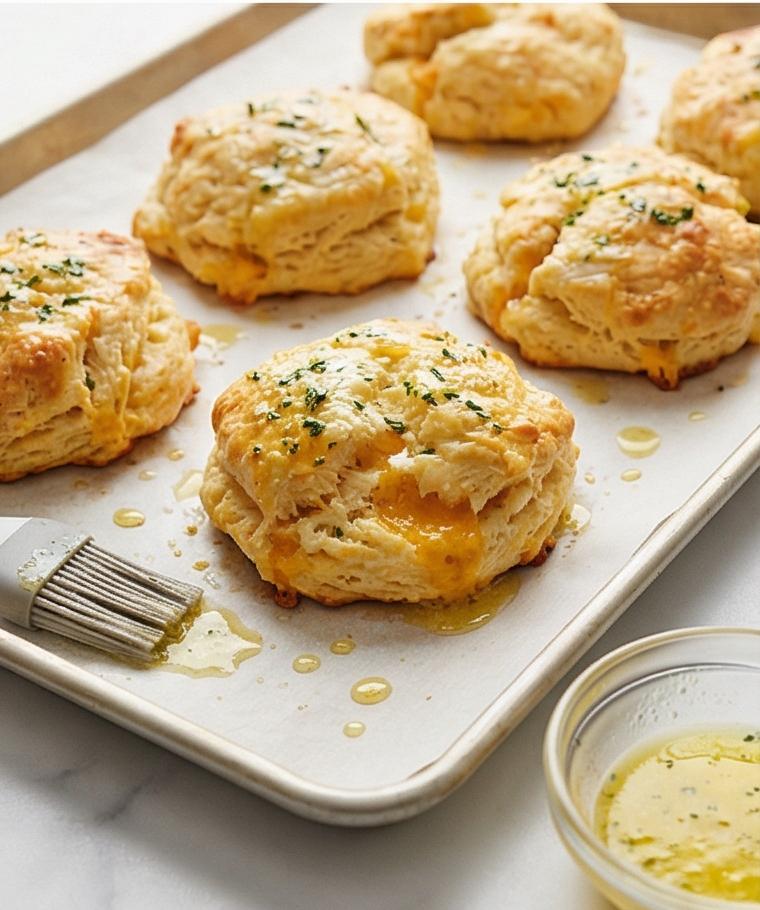
The first time I made the Butter Swim Biscuits Recipe it was raining so hard I could barely hear myself think. I remember the pan hissing when I took it out of the oven and the way the butter pooled into glossy seams around the scored lines. I sat at the counter with a steaming square of still-warm biscuit, the top brushed with melted butter and flecked with chives, and felt oddly proud. The kitchen filled with a toasty, slightly sweet smell, and for a few minutes the storm outside did not matter. The texture still surprises me each timethose crisp edges that give way to a soft, layered crumb. It became my rainy-day comfort because it is fast, forgiving, and somehow ceremoniousperfect for sharing or savoring alone.
Main Ingredients and Why They Matter
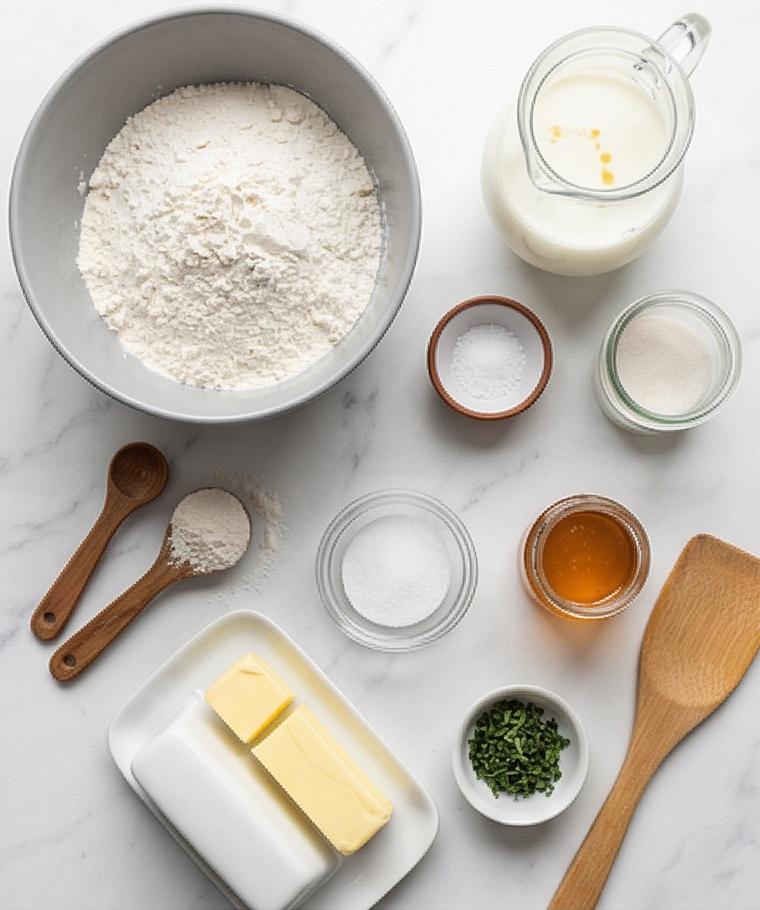
- Unsalted Butter: The literal bath the dough swims in. Use high-quality butter for flavor; cultured butter is a great upgrade. If dairy-free, try a firm plant-based baking butter and expect a slightly different finish.
- All-Purpose Flour: Provides structure. For a slightly tender crumb, you can blend in 1/2 cup cake flour as a substitute.
- Baking Powder: The leavening that gives lift and flakiness. Check freshness for best rise.
- Granulated Sugar: Optional sweetness; omit for savory biscuits or reduce for less sweetness.
- Fine Sea Salt: Balances flavor; use kosher salt but adjust quantity.
- Buttermilk: Adds tang and tenderness; substitute with milk plus 1 tablespoon lemon juice if needed.
Essential Kitchen Tools and Why They Help
A few simple tools make the Butter Swim Biscuits Recipe easy and repeatable. A sturdy 8 x 8-inch metal baking dish heats evenly and helps the butter pool correctly; if you only have glass, reduce oven temperature by 25 degrees F and watch browning. A whisk aerates the dry ingredients and lifts the flour for a lighter texture. A wooden spatula or flexible silicone spatula helps fold without overworking the dough. A bench scraper or metal spatula scores and separates the squares cleanly; an offset spatula works in a pinch. Finally, a pastry brush is handy to bathe the tops with butter for glossy shine. These tools are inexpensive and make the bake feel effortless.
Step-by-Step Preparation Guide
Step 1: Preheat and Prepare the Hot Butter Bed
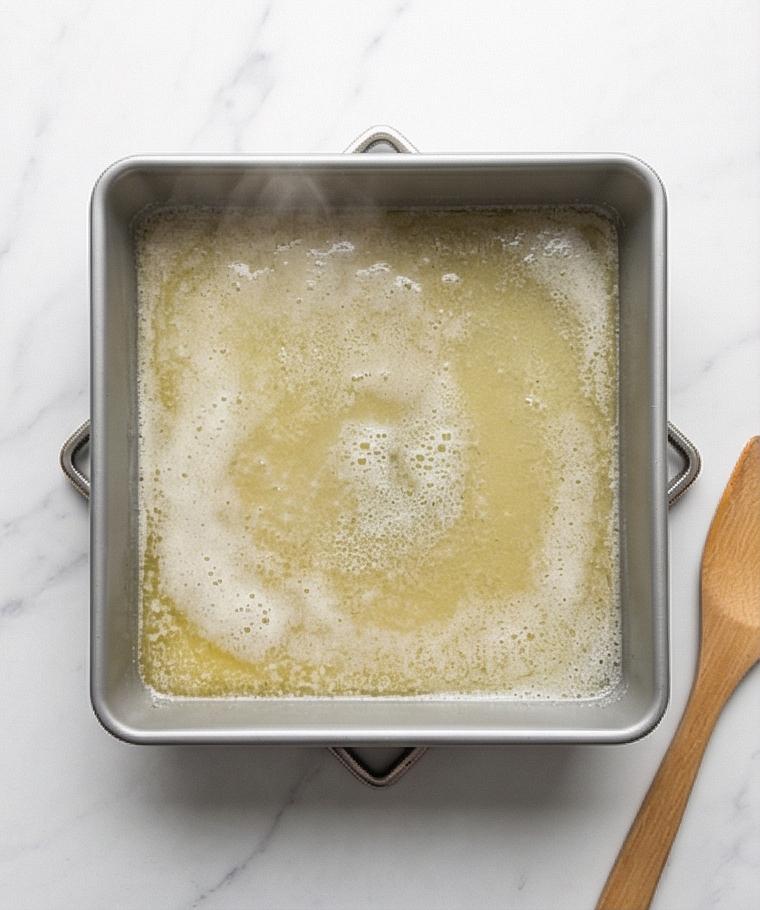
Preheat the oven to 450°F (232°C) and set an 8 x 8-inch square metal baking dish inside while the oven heats so it becomes very hot. Carefully cut 1/2 cup (113 g) unsalted butter into pieces and place them into the hot dish until fully melted and just beginning to color around the edges; when removed, tilt the dish on a heatproof surface so the butter pools and coats the bottom and sides. This is the critical “swim” environment that will crisp the edges and create buttery channels when the batter hits the pan.
Step 2: Whisk the Dry Mix
In a large matte grey ceramic mixing bowl whisk together 2 1/2 cups (300 g) all-purpose flour, 1 tablespoon (12 g) baking powder, 1 tablespoon (12 g) granulated sugar (optional), and 1 teaspoon (6 g) fine sea salt until evenly combined and aerated; the flour should look pale, flecked with salt, and light from the whisking. Keep the same bowl and whisk visible for continuity—this is where texture begins to take form.
Step 3: Fold in Buttermilk to a Shaggy Batter
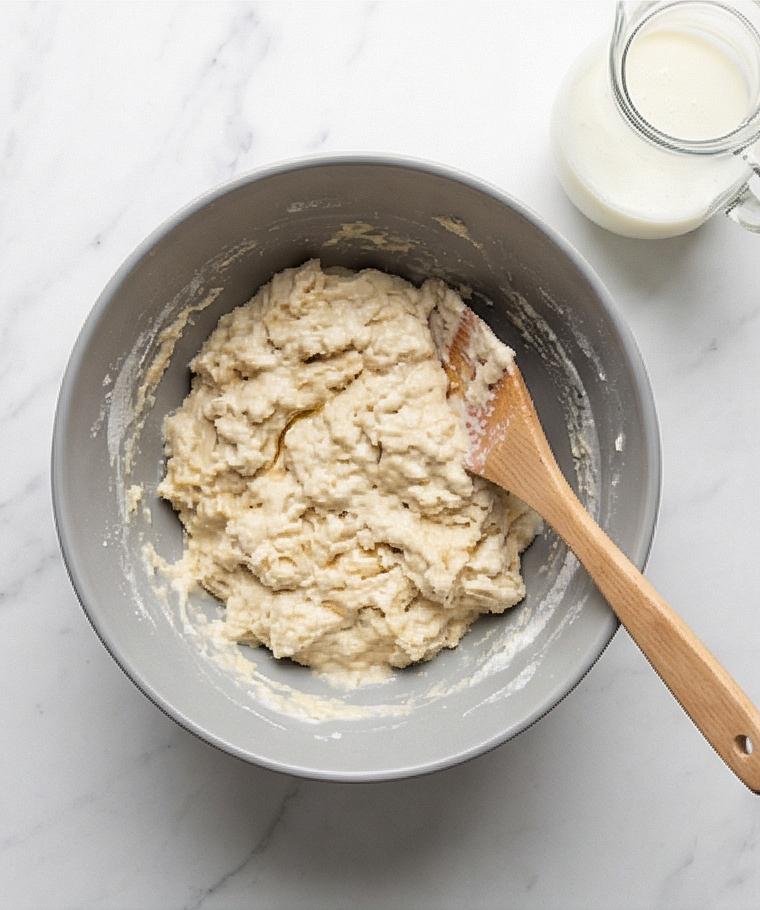
Make a shallow well in the dry mix and pour in 2 cups (480 ml) cold, well-shaken buttermilk from a clear glass jug. Gently stir with a wooden spatula or spoon just until the flour is moistened and a thick, shaggy batter forms—lumps are fine and desirable; the batter should be glossy in places, heavy but pliable, clinging to the spatula. Avoid overmixing so the texture remains irregular and tender.
Step 4: Transfer, Spread and Score the Dough
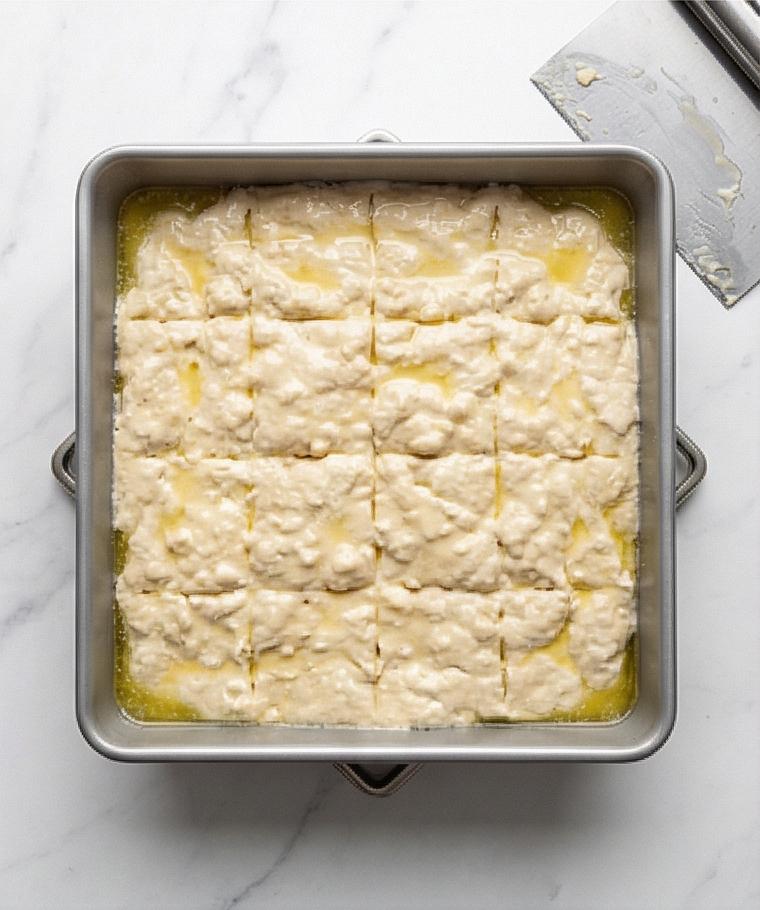
Scrape the shaggy biscuit batter immediately into the center of the hot, butter-filled square pan, using the spatula to coax it into an even layer that reaches all four corners. Tilt the pan gently as needed so butter pools around and partially over the dough. Using a greased bench scraper or metal spatula, make three parallel cuts in each direction to score a 4 x 4 grid, cutting almost to the bottom to form 16 squares—the clean, deep cuts create the rise lines and separation points. Keep the same square baking dish and the spatula visible to maintain tool persistence.
Step 5: Bake to a Deep Golden Finish and Brush
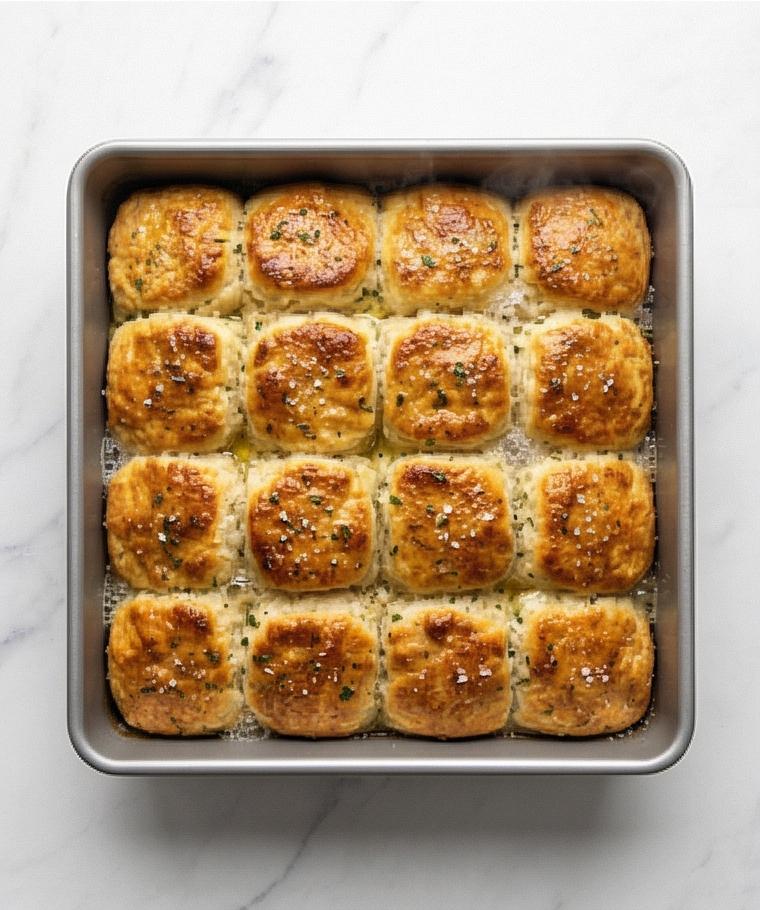
Slide the prepared pan into the preheated oven and bake until the tops are deeply golden brown, the butter is bubbling around the edges, and the centers feel set—about 20–25 minutes, rotating once for even color and tenting with foil if the tops brown too quickly. While the biscuits finish, melt the remaining 2 tablespoons (28 g) butter until warm. When the pan comes out, immediately brush the tops with the melted butter so it soaks down the scoring lines; if desired, scatter a pinch of flaky sea salt and finely chopped fresh herbs across the hot squares. Let the biscuits rest briefly in the pan so the crumb sets.
Step 6: Separate, Serve Warm from the Square Pan
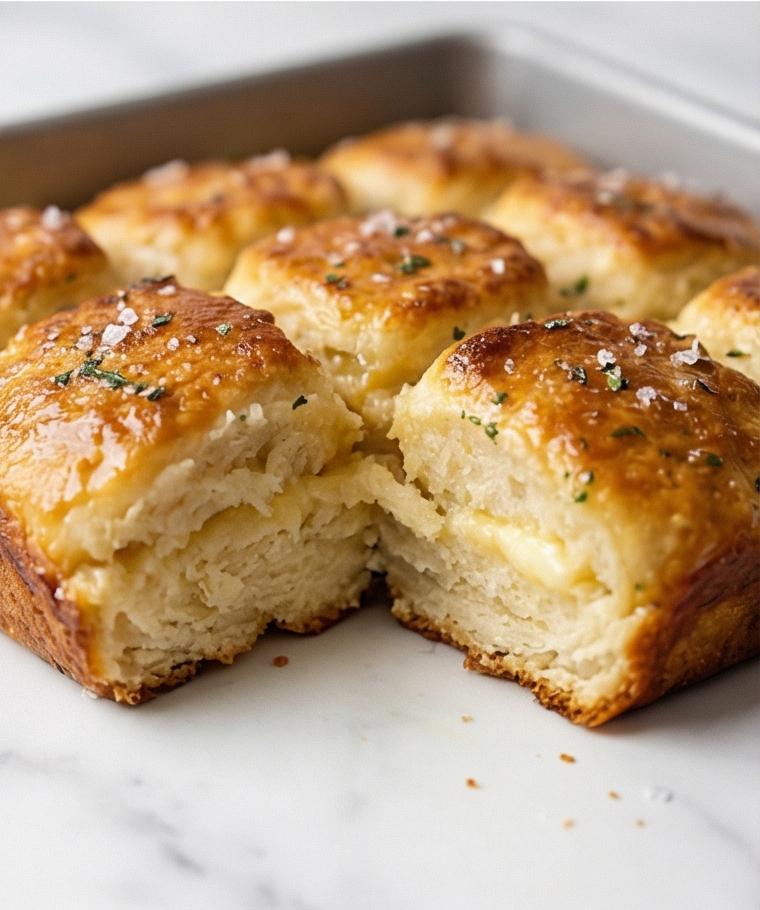
Run a knife along the scored lines, gently separating the 16 buttery squares and loosening edges from the pan; serve the biscuits warm, straight from the same 8 x 8-inch square baking dish with small glass jars of honey and jam and a small dish of softened butter on the side. The final presentation should emphasize the crisp, glossy edges, the tender layered interior, and the butter pooled in the seams—enjoy immediately for best texture.
Making It Your Own
I like to tinker with the Butter Swim Biscuits Recipe depending on the season. In spring I fold chopped chives into the batter and sprinkle more on top; the green pops against the golden top. For a sweeter take try adding a teaspoon of vanilla and swapping the flaky finishing salt for coarse sugar.
If you want a whole grain spin, replace up to 1 cup of the flour with white whole wheat and expect a slightly denser crumb. For a dairy-free experiment, test a firm vegan butter and a plant-based buttermilk made from almond milk plus lemon juice; results will be different but still delicious.
Try regional twists like adding sharp cheddar and a pinch of smoked paprika for a Southern-inspired biscuit, or scatter everything bagel seasoning on top for a savory snack.
How to Serve
When hosting, serve the Butter Swim Biscuits Recipe hot and uncut in the pan so guests can tear pieces where the butter pools look most tempting. For a brunch buffet, offer bowls of honey, jam, softened butter, and a savory option like compound herb butter or pimento cheese so people can build their own bites.
To scale up, double the batter and bake in a 9 x 13-inch pan, adjusting bake time to 25 to 30 minutes and watching for deep golden color. For a small dinner party, cut the squares into larger 12 pieces and pair with soup or roast chicken for a cozy plate.
Storage and Reheating Tips
Let any leftover biscuits cool completely before storing to avoid sogginess. For short-term storage, keep them in an airtight container at room temperature for up to two days. If you plan to keep them longer, wrap tightly and freeze for up to one month.
To reheat, thaw frozen biscuits at room temperature and warm in a 350°F (175°C) oven for 8 to 10 minutes until heated through and edges crisp again. For a quick revive, microwave briefly then pop under the broiler for a minute.
Common Mistakes and How to Avoid Them
Overmixing the batter is a frequent misstep. Stir just until combined; lumps are fine and help create a tender crumb. Resist the urge to smooth the batter completely.
Another misstep is using a cold pan. The hot butter bath is essential to create crisp edges and those buttery channels. Preheat the empty pan in the oven so the butter melts and browns properly when added.
Final Thoughts and Encouragement
Give the Butter Swim Biscuits Recipe a try this week; it rewards small efforts with big flavor. Keep the technique loose, use ingredients you enjoy, and serve them warmthey are best the first time out of the oven. You might find yourself making them for every little celebration.
Frequently Asked Questions.
-
What makes these different from regular biscuits?
These biscuits are baked in a hot melted butter pool, which crisps the edges and creates buttery seams that regular drop or rolled biscuits do not have. -
Can I make the Butter Swim Biscuits Recipe dairy-free?
Yes, swap in a firm vegan baking butter and use a plant-based buttermilk substitute; texture and flavor will vary but the method still works. -
How do I prevent the tops from over-browning?
Tent gently with foil halfway through baking or rotate the pan to promote even color. Using a metal pan helps control browning. -
Can I prepare the batter ahead of time?
You can mix the dry ingredients ahead, but add the buttermilk and bake right away for best rise and texture. -
Are these good for freezing?
Absolutely. Cool completely, wrap tightly, and freeze up to one month; reheat in a warm oven for best results.

Butter Swim Biscuits Recipe
Make Butter Swim Biscuits Recipe: bake buttery, crisp-edged biscuits in a hot butter pool—serve warm with honey or jam.
Ingredients
Instructions
Step 1: Preheat and Prepare the Hot Butter Bed
Preheat the oven to 450°F (232°C) and set an 8 x 8-inch square metal baking dish inside while the oven heats so it becomes very hot. Carefully cut 1/2 cup (113 g) unsalted butter into pieces and place them into the hot dish until fully melted and just beginning to color around the edges; when removed, tilt the dish on a heatproof surface so the butter pools and coats the bottom and sides. This is the critical “swim” environment that will crisp the edges and create buttery channels when the batter hits the pan.
Step 2: Whisk the Dry Mix
In a large matte grey ceramic mixing bowl whisk together 2 1/2 cups (300 g) all-purpose flour, 1 tablespoon (12 g) baking powder, 1 tablespoon (12 g) granulated sugar (optional), and 1 teaspoon (6 g) fine sea salt until evenly combined and aerated; the flour should look pale, flecked with salt, and light from the whisking. Keep the same bowl and whisk visible for continuity—this is where texture begins to take form.
Step 3: Fold in Buttermilk to a Shaggy Batter
Make a shallow well in the dry mix and pour in 2 cups (480 ml) cold, well-shaken buttermilk from a clear glass jug. Gently stir with a wooden spatula or spoon just until the flour is moistened and a thick, shaggy batter forms—lumps are fine and desirable; the batter should be glossy in places, heavy but pliable, clinging to the spatula. Avoid overmixing so the texture remains irregular and tender.
Step 4: Transfer, Spread and Score the Dough
Scrape the shaggy biscuit batter immediately into the center of the hot, butter-filled square pan, using the spatula to coax it into an even layer that reaches all four corners. Tilt the pan gently as needed so butter pools around and partially over the dough. Using a greased bench scraper or metal spatula, make three parallel cuts in each direction to score a 4 x 4 grid, cutting almost to the bottom to form 16 squares—the clean, deep cuts create the rise lines and separation points. Keep the same square baking dish and the spatula visible to maintain tool persistence.
Step 5: Bake to a Deep Golden Finish and Brush
Slide the prepared pan into the preheated oven and bake until the tops are deeply golden brown, the butter is bubbling around the edges, and the centers feel set—about 20–25 minutes, rotating once for even color and tenting with foil if the tops brown too quickly. While the biscuits finish, melt the remaining 2 tablespoons (28 g) butter until warm. When the pan comes out, immediately brush the tops with the melted butter so it soaks down the scoring lines; if desired, scatter a pinch of flaky sea salt and finely chopped fresh herbs across the hot squares. Let the biscuits rest briefly in the pan so the crumb sets.
Step 6: Separate, Serve Warm from the Square Pan
Run a knife along the scored lines, gently separating the 16 buttery squares and loosening edges from the pan; serve the biscuits warm, straight from the same 8 x 8-inch square baking dish with small glass jars of honey and jam and a small dish of softened butter on the side. The final presentation should emphasize the crisp, glossy edges, the tender layered interior, and the butter pooled in the seams—enjoy immediately for best texture.
Notes
- Preheat the empty metal pan so the butter pools and blisters the edges.
- Do not overmix the batter; keep it shaggy for tender biscuits.
- Use high-quality butter for the most flavorful results.
- Freeze leftovers wrapped tightly and reheat in a 350°F oven to restore crispness.
- Swap up to 1 cup flour for white whole wheat for a heartier crumb.