Creamy Orzo With Chicken Recipe is a dinner that always feels like a small celebration. I first made this dish on a weeknight when I was short on time but craving something comforting and a little fancy; it instantly became a go-to. The combination of creamy orzo, golden chicken thighs, and bright lemon notes is simple but deeply satisfying. I love how the dish comes together in one pan, and how the flavors mellow and deepen if you make it ahead.
I still remember the first time I called it “Creamy Orzo With Chicken Recipe” when friends asked what I was serving – the name stuck because it says exactly what you get: creamy, cozy orzo and tender chicken in a single, spoonable supper. If you like food that feels homey and restaurant-caliber at once, this is worth trying.
How This Dish Found Its Way Into My Weeknight Rotation
The first time I made this Creamy Orzo With Chicken Recipe I was juggling grocery bags and a tired dinner guest, so I needed something fast and forgiving. I can still see the way the chicken sizzled in the pan and the smell of butter and garlic that filled the kitchen. As the orzo toasted and the broth simmered, the whole house felt like a warm invitation. Serving it warm with a simple green salad made the evening feel intentional, not rushed. That contrast between the crisp, bronzed chicken and the silky orzo is what hooked me – it was comfort without being heavy, and it kept everyone talking through dessert. It became my rainy-day recipe, my quick weeknight rescue, and the dish I bring to potlucks when I want something that looks thoughtful but is easy to transport.
The Ingredients That Make the Magic
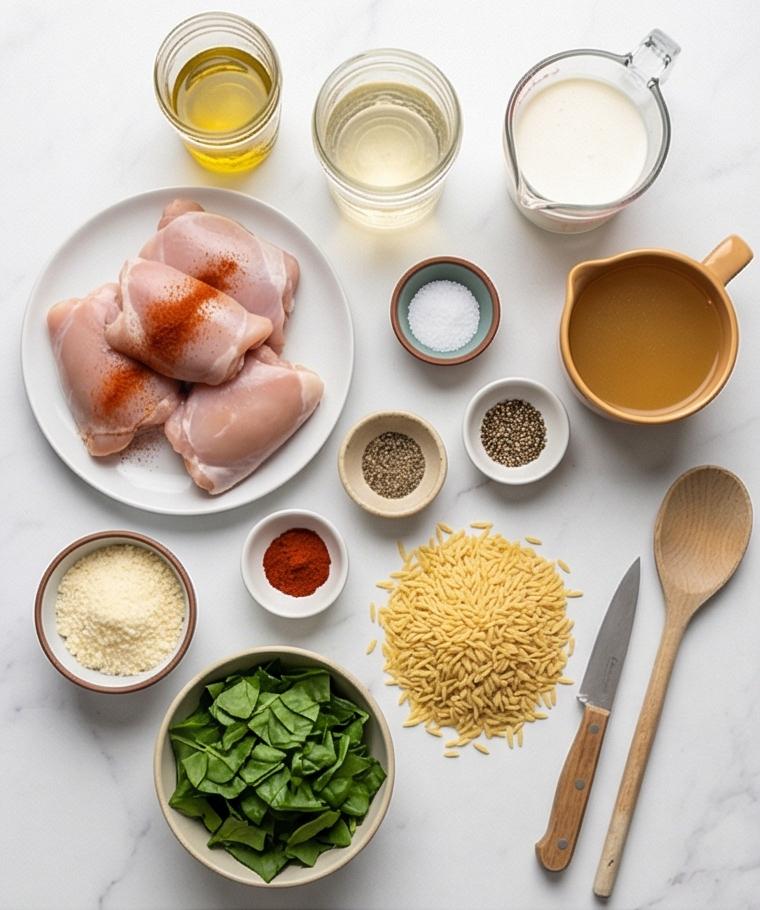
- Boneless, skinless chicken thighs: The star protein – juicy and forgiving. Substitute chicken breasts if you prefer, but watch cook time. Choose evenly sized pieces for even cooking.
- Orzo: The textural heart of the dish; it soaks up the cream into a risotto-like cradle. Substitute small pasta like acini di pepe in a pinch.
- Chicken broth and heavy cream: Build the cooking liquid. Use low-sodium broth to control salt, and full-fat cream for silkiness. For a lighter version, try half-and-half.
- Parmesan, butter, onion, garlic, spinach, lemon: Finishers and brighteners that lift the cream. Freshly grated Parmesan melts best; baby spinach wilts quickly and adds color.
Essential Kitchen Tools and Why They Matter
A few reliable tools make this Creamy Orzo With Chicken Recipe much easier to pull off. A heavy-bottomed skillet or sauté pan helps develop a good sear and hold gentle simmering heat without hot spots. A long-handled wooden spoon or heatproof spatula lets you stir the orzo and scrape fond comfortably. A ladle or heatproof measuring cup is handy for pouring warmed broth without splashing. A sharp chef’s knife and a sturdy cutting board speed prep and keep your fingers safe. If you have a kitchen thermometer, it removes guesswork when checking that the thighs reach 165°F. Alternatives: if you lack a skillet, use a Dutch oven; no thermometer, slice into the thickest piece to check for no pink.
Step-by-Step Preparation Guide
Step 1: Trim and season the chicken
Trim any excess fat from the chicken thighs and pat them very dry with paper towels. In a small bowl combine the salt, black pepper and sweet paprika; press the spice blend into both sides of each thigh so the color and grain of the paprika adheres. Let the seasoned thighs rest at room temperature briefly while you finish the small prep tasks – this is the first active touch in the recipe and sets the savory, bronzing profile for what follows.
Step 2: Chop, grate and warm
While the chicken is resting, finely dice the yellow onion, mince the garlic, roughly chop the baby spinach, and grate the Parmesan. Warm the low-sodium chicken broth on the stove until hot (transfer to a heatproof measuring cup) and bring the heavy cream to room temperature. These parallel small actions speed the cook and create the mise-en-place layers of flavor you’ll assemble shortly.
Step 3: Sear the thighs until deeply golden
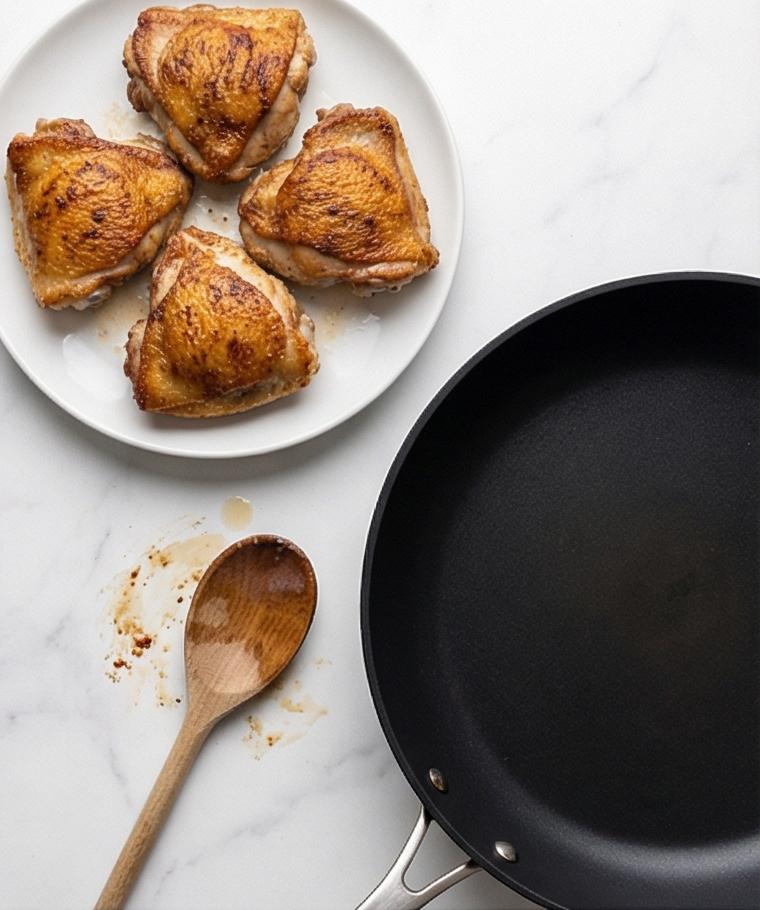
Dry the pan and add oil until shimmering; sear the seasoned thighs in a single layer until each side is deeply golden-brown – they do not need to be cooked through yet. Transfer the browned thighs to a clean plate and leave the fond (browned bits) and rendered fat in the pan – that caramelized base is essential to the recipe’s depth and will flavor the orzo.
Step 4: Soften the aromatics in butter
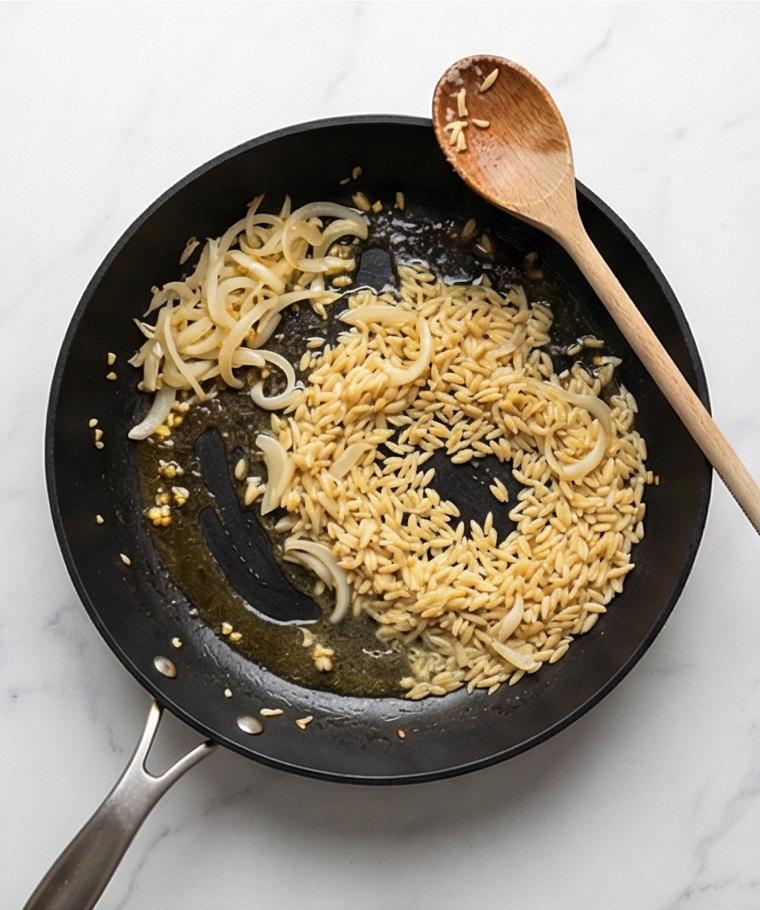
Reduce the heat and add unsalted butter to the pan. Once it foams, add the diced onion and cook gently until translucent and softened, then add the minced garlic and sauté just until fragrant. This produces a glossy, aromatic bed – buttery, soft onion ribbons flecked with tiny golden garlic edges – that will coat the orzo.
Step 5: Toast the orzo until nutty, then deglaze
Stir the dry orzo into the buttered aromatics and toast for a few minutes until several grains take on a pale golden hue and a nutty scent emerges. Pour in the white wine (or a splash of hot broth if you’re omitting alcohol) and scrape the pan to lift all the flavorful fond; the liquid will sizzle briefly and carry that deep color into the grains.
Step 6: Build the creamy cooking liquid
Pour the warmed chicken broth and heavy cream into the pan, then stir in dried thyme, oregano, a bay leaf, and the remaining sprinkle of salt and pepper. Bring everything to a gentle simmer – small bubbles at the edge – so the starches can bloom and the orzo begins to swell, suspended in a pale, gently bubbling cream.
Step 7: Nestle the seared chicken into the orzo bath
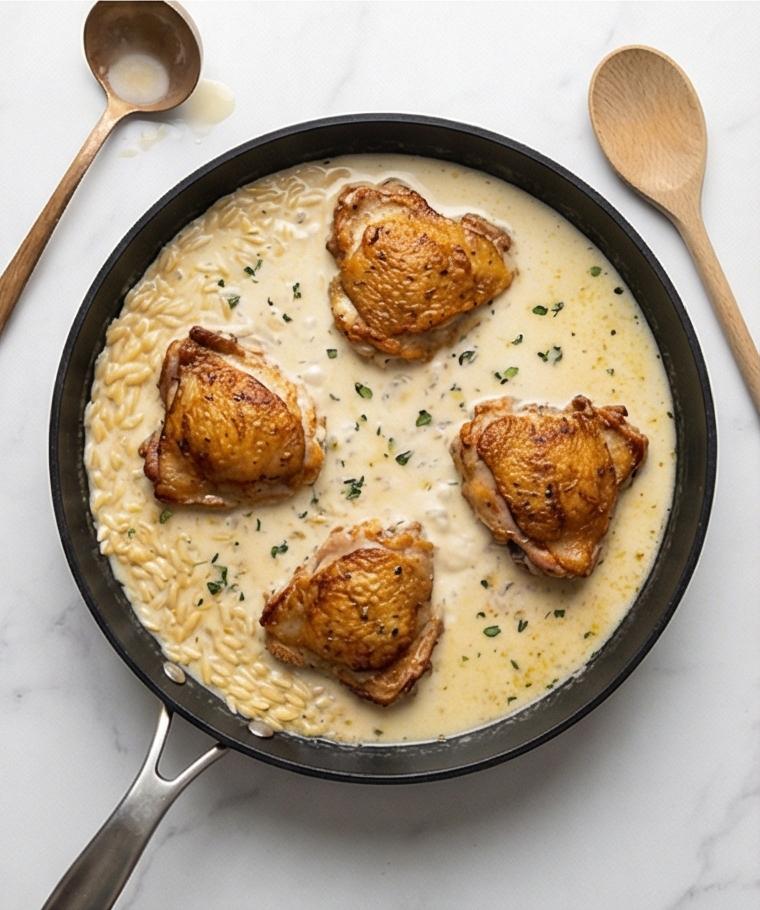
Push the browned thighs back into the simmering mixture, tucking them so they are mostly submerged and collecting their juices back into the sauce. Lower the heat to maintain a gentle simmer, cover, and allow the orzo to cook around the chicken; this is the stage where the meat finishes and the pasta absorbs the rich liquid.
Step 8: Simmer until the orzo is tender and the chicken is cooked
Cook covered for the recommended time, stirring every few minutes to prevent sticking, until the orzo is tender but still slightly al dente and the internal temperature of the thighs reaches a safe 165°F (74°C). If the pot looks too dry before tenderness, add small splashes of hot broth; if too thin, uncover and reduce briefly to concentrate the sauce.
Step 9: Wilt the greens and finish with cheese and lemon
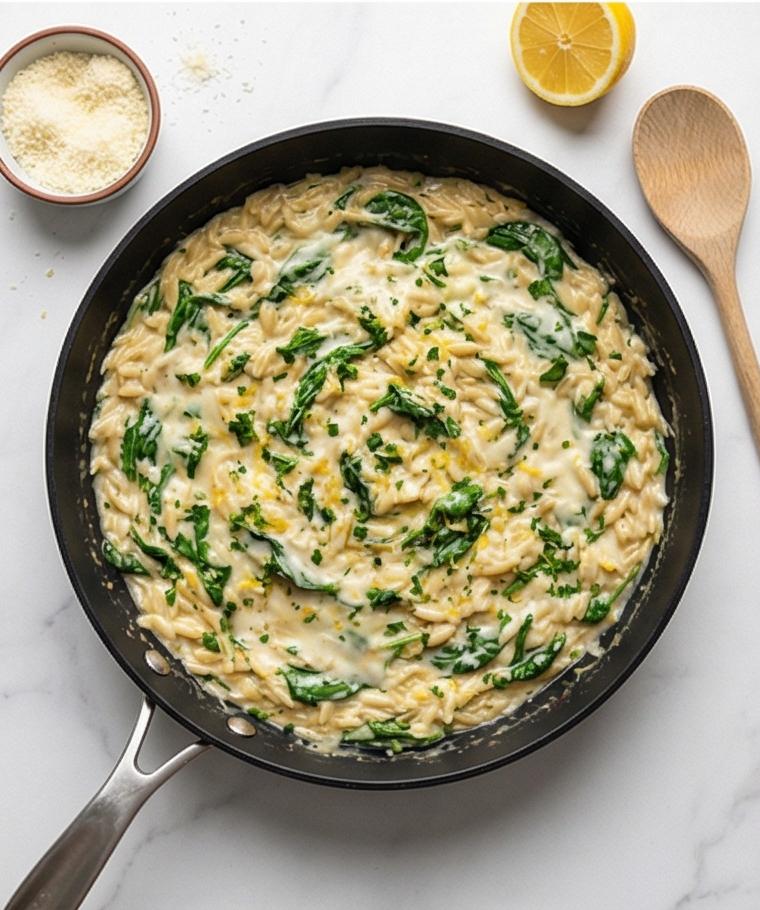
Remove the pan from heat, discard the bay leaf, and stir in the chopped baby spinach until it wilts bright green. Add grated Parmesan, lemon zest and a splash of lemon juice; stir until the cheese melts and the sauce becomes glossy and spoon-coating, with flecks of green and pale gold from the orzo.
Step 10: Adjust the texture and seasoning
Assess the consistency – the orzo should be creamy and slightly loose, akin to risotto. If it’s too thick, stir in a few tablespoons of hot broth; if it’s too loose, return to low heat and reduce, stirring frequently. Taste and adjust with salt, pepper, and a final squeeze of lemon if desired.
Step 11: Rest briefly off the heat
Let the assembled creamy orzo and chicken rest for 3–5 minutes off the heat so the grains finish absorbing liquid and the sauce relaxes into a luxurious, spoonable consistency. This quiet pause tightens the texture without drying it out.
Step 12: Spoon and arrange for serving
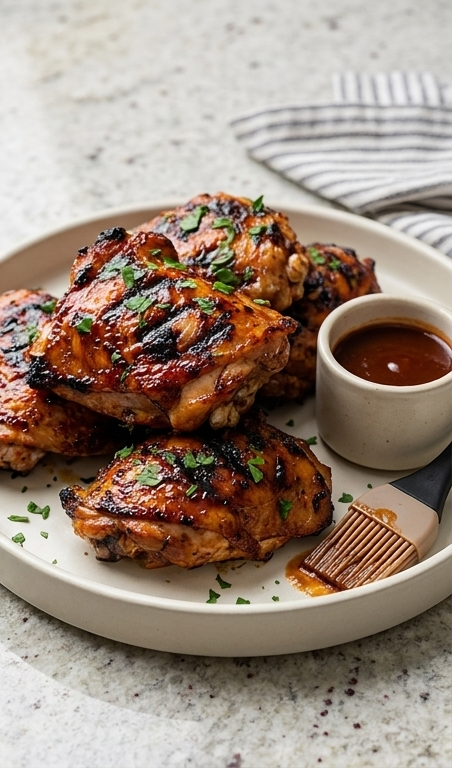
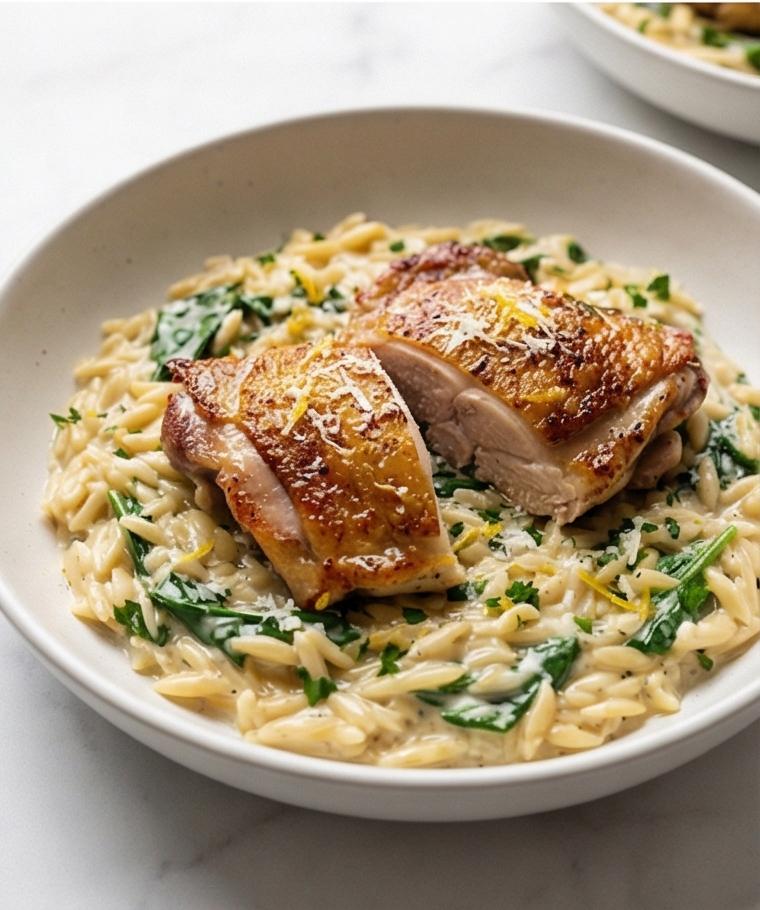
Spoon the creamy orzo into warmed shallow bowls or onto plates, placing one or two pieces of the rested chicken on top so the golden crust reads against the creamy bed. Sprinkle with chopped fresh parsley and a little extra grated Parmesan for contrast and a final lift of color.
Step 13: Final garnishes and optional heat
Finish each portion with a pinch of crushed red pepper flakes or a fresh grind of black pepper if you like a hint of heat. The garnishes are minimal but effective – a bright green parsley scatter and pale Parmesan snow that accent the dish’s creaminess.
Step 14: Serve while hot
Serve immediately alongside a crisp green salad or roasted vegetables and crusty bread for mopping up any remaining sauce. The dish is best enjoyed hot so the textures and contrasts are at their peak.
Step 15: Storage notes
Cool leftovers completely before refrigerating in an airtight container for up to three days; reheat gently over low heat with a splash of broth to loosen the sauce back to a creamy state.
Making It Your Own – Variations I Love
Try adding mushrooms and a splash of sherry for earthiness and depth. For a lighter take, swap heavy cream for half-and-half and reduce the butter by a tablespoon; the dish will still be creamy but feel brighter. To make this dairy-free, use a full-bodied almond or oat cream and nutritional yeast in place of Parmesan – it changes texture but keeps umami.
For a Mediterranean twist, stir in sun-dried tomatoes and kalamata olives with a sprinkle of smoked paprika. If you want more veg, add thinly sliced zucchini or roasted red peppers near the end. Each small experiment keeps the Creamy Orzo With Chicken Recipe fresh and adaptable to seasons and diets.
How to Serve and Present This Dish
If you are hosting, warm shallow bowls and serve the orzo spooned into the center with a rested chicken thigh or two on top so guests see the golden crust. Offer extra grated Parmesan, chopped parsley, and lemon wedges at the table for finishing touches. A simple crisp green salad dressed with lemon vinaigrette and a loaf of crusty bread keeps the meal balanced and convivial.
For larger gatherings, transfer the orzo to a wide serving dish and nestle the browned thighs on top so people can serve themselves. To adjust quantities, increase orzo and broth proportionally – 1 part dry orzo to about 2.3 parts liquid keeps the creamy texture intact.
Storage and Reheating Tips
Cool leftovers quickly and refrigerate in an airtight container for up to three days. The orzo will absorb more liquid as it sits, so it may stiffen in the fridge.
When reheating, gently warm over low heat with a splash of hot chicken broth, stirring until it loosens back to a creamy consistency. Avoid high heat, which can separate the cream and dry out the chicken.
Common Missteps and Simple Fixes
Overcooking the orzo is the usual culprit – stop when it still has a slight bite and rest; it will finish softening off the heat. If the pan gets too dry while cooking, add warm broth a little at a time.
Skipping the sear on the thighs sacrifices flavor – take the extra minutes to build that browned fond. And if the sauce feels flat at the end, a little lemon juice and extra Parmesan will brighten and lift the dish.
Final Thoughts
If you try this Creamy Orzo With Chicken Recipe, start with the basic method and then tweak it to your taste. It is forgiving, satisfying, and quick enough for weeknights but pretty enough for company. I hope it becomes a favorite in your home too.
Frequently Asked Questions.
- Can I use chicken breasts instead of thighs? Yes, you can substitute boneless chicken breasts, but watch the cook time – breasts will cook faster and can dry out if overcooked.
- Is there a good nonalcoholic substitute for the white wine? Absolutely – use an equal amount of hot chicken broth with a teaspoon of white wine vinegar or a squeeze of lemon to add brightness.
- Can I make this dairy-free? Yes, swap heavy cream for a high-quality oat or almond cream and use nutritional yeast or a dairy-free Parmesan alternative for savory depth.
- How do I know when the orzo is done? The orzo should be tender with a slight bite – not mushy. Taste a few grains as it nears the end of cooking to judge.
- What is the best way to reheat leftovers? Reheat gently on the stove over low heat with a splash of hot broth, stirring until the sauce loosens and the chicken is warmed through.

Creamy Orzo With Chicken Recipe
Make Creamy Orzo With Chicken Recipe: sear chicken, simmer orzo in creamy broth, finish with Parmesan and lemon for a comforting meal.
Ingredients
Instructions
Step 1: Trim and season the chicken
Trim any excess fat from the chicken thighs and pat them very dry with paper towels. In a small bowl combine the salt, black pepper and sweet paprika; press the spice blend into both sides of each thigh so the color and grain of the paprika adheres. Let the seasoned thighs rest at room temperature briefly while you finish the small prep tasks — this is the first active touch in the recipe and sets the savory, bronzing profile for what follows.
Step 2: Chop, grate and warm
While the chicken is resting, finely dice the yellow onion, mince the garlic, roughly chop the baby spinach, and grate the Parmesan. Warm the low-sodium chicken broth on the stove until hot (transfer to a heatproof measuring cup) and bring the heavy cream to room temperature. These parallel small actions speed the cook and create the mise-en-place layers of flavor you’ll assemble shortly.
Step 3: Sear the thighs until deeply golden
Dry the pan and add oil until shimmering; sear the seasoned thighs in a single layer until each side is deeply golden-brown — they do not need to be cooked through yet. Transfer the browned thighs to a clean plate and leave the fond (browned bits) and rendered fat in the pan — that caramelized base is essential to the recipe’s depth and will flavor the orzo.
Step 4: Soften the aromatics in butter
Reduce the heat and add unsalted butter to the pan. Once it foams, add the diced onion and cook gently until translucent and softened, then add the minced garlic and sauté just until fragrant. This produces a glossy, aromatic bed — buttery, soft onion ribbons flecked with tiny golden garlic edges — that will coat the orzo.
Step 5: Toast the orzo until nutty, then deglaze
Stir the dry orzo into the buttered aromatics and toast for a few minutes until several grains take on a pale golden hue and a nutty scent emerges. Pour in the white wine (or a splash of hot broth if you’re omitting alcohol) and scrape the pan to lift all the flavorful fond; the liquid will sizzle briefly and carry that deep color into the grains.
Step 6: Build the creamy cooking liquid
Pour the warmed chicken broth and heavy cream into the pan, then stir in dried thyme, oregano, a bay leaf, and the remaining sprinkle of salt and pepper. Bring everything to a gentle simmer — small bubbles at the edge — so the starches can bloom and the orzo begins to swell, suspended in a pale, gently bubbling cream.
Step 7: Nestle the seared chicken into the orzo bath
Push the browned thighs back into the simmering mixture, tucking them so they are mostly submerged and collecting their juices back into the sauce. Lower the heat to maintain a gentle simmer, cover, and allow the orzo to cook around the chicken; this is the stage where the meat finishes and the pasta absorbs the rich liquid.
Step 8: Simmer until the orzo is tender and the chicken is cooked
Cook covered for the recommended time, stirring every few minutes to prevent sticking, until the orzo is tender but still slightly al dente and the internal temperature of the thighs reaches a safe 165°F (74°C). If the pot looks too dry before tenderness, add small splashes of hot broth; if too thin, uncover and reduce briefly to concentrate the sauce.
Step 9: Wilt the greens and finish with cheese and lemon
Remove the pan from heat, discard the bay leaf, and stir in the chopped baby spinach until it wilts bright green. Add grated Parmesan, lemon zest and a splash of lemon juice; stir until the cheese melts and the sauce becomes glossy and spoon-coating, with flecks of green and pale gold from the orzo.
Step 10: Adjust the texture and seasoning
Assess the consistency — the orzo should be creamy and slightly loose, akin to risotto. If it’s too thick, stir in a few tablespoons of hot broth; if it’s too loose, return to low heat and reduce, stirring frequently. Taste and adjust with salt, pepper, and a final squeeze of lemon if desired.
Step 11: Rest briefly off the heat
Let the assembled creamy orzo and chicken rest for 3–5 minutes off the heat so the grains finish absorbing liquid and the sauce relaxes into a luxurious, spoonable consistency. This quiet pause tightens the texture without drying it out.
Step 12: Spoon and arrange for serving
Spoon the creamy orzo into warmed shallow bowls or onto plates, placing one or two pieces of the rested chicken on top so the golden crust reads against the creamy bed. Sprinkle with chopped fresh parsley and a little extra grated Parmesan for contrast and a final lift of color.
Step 13: Final garnishes and optional heat
Finish each portion with a pinch of crushed red pepper flakes or a fresh grind of black pepper if you like a hint of heat. The garnishes are minimal but effective — a bright green parsley scatter and pale Parmesan snow that accent the dish’s creaminess.
Step 14: Serve while hot
Serve immediately alongside a crisp green salad or roasted vegetables and crusty bread for mopping up any remaining sauce. The dish is best enjoyed hot so the textures and contrasts are at their peak.
Step 15: Storage notes
Cool leftovers completely before refrigerating in an airtight container for up to three days; reheat gently over low heat with a splash of broth to loosen the sauce back to a creamy state.
Notes
- Use low-sodium broth to better control final seasoning
- Warm the broth before adding to keep the simmer steady
- Reheat gently with a splash of broth to restore creaminess
- If you omit wine, add a teaspoon of white wine vinegar to the broth for brightness
- Slice the thickest chicken piece to check doneness if you do not have a thermometer