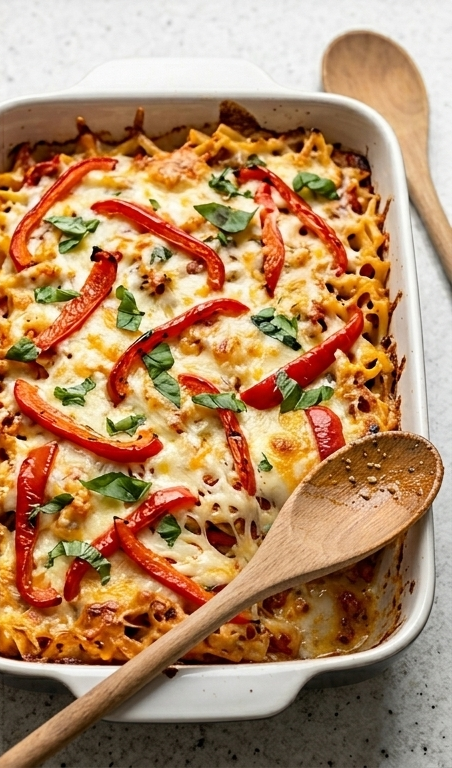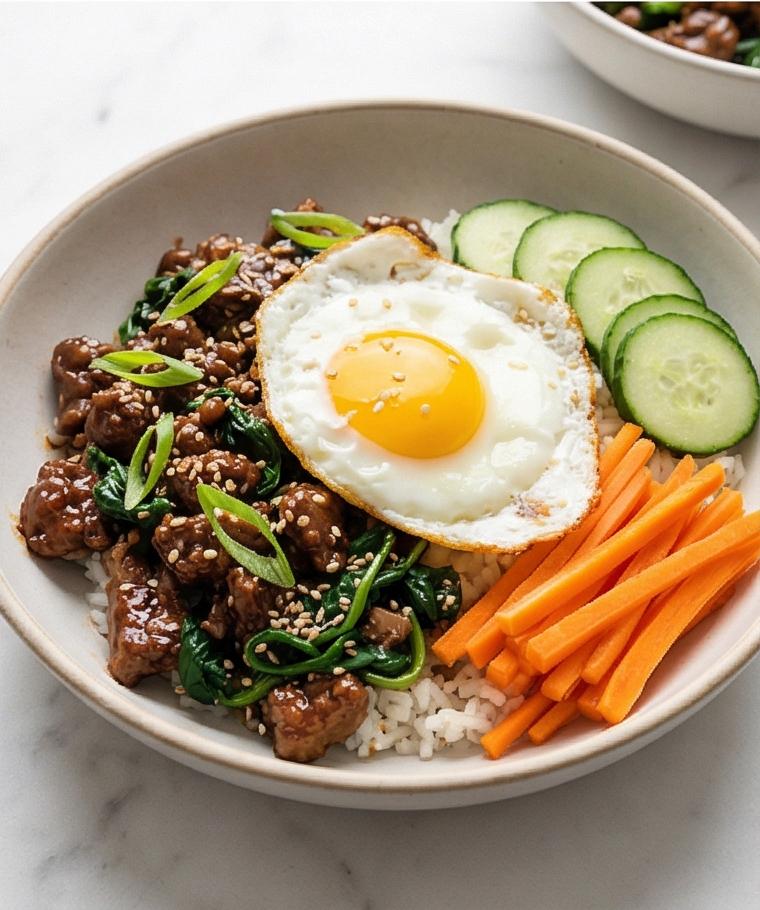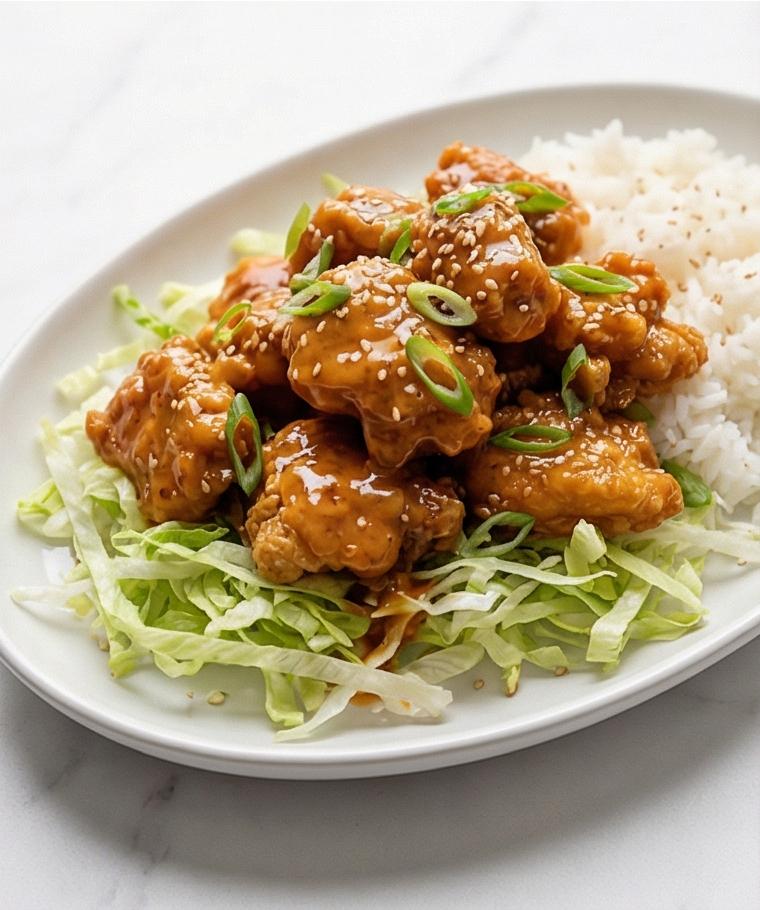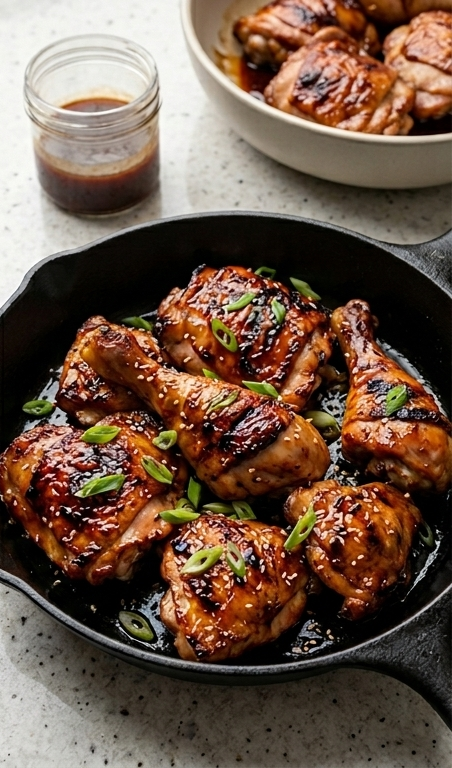
Teriyaki Chicken Bowls Recipe is one of those weeknight heroes I come back to again and again. I love how the glossy sauce clings to tender chicken and bright vegetables, and how simple pantry ingredients transform into something special. I learned to balance sweet, salty, and acidic notes over many dinners for friends, and this version always lands with smiles. If you want a bowl that feels both comforting and celebratory, the Teriyaki Chicken Bowls Recipe is a reliable pick you’ll reach for on busy nights and when you want an easy, impressive meal.
How This Recipe Became My Rainy-Day Favorite
I remember the first time I made this Teriyaki Chicken Bowls Recipe on a rainy evening when the city smelled like wet pavement. The kitchen felt small and warm, steam fogging the window as jasmine rice simmered and garlic sizzled. As the sauce reduced it filled the apartment with the scent of toasted sesame and ginger, and I kept stealing little tastes with the back of a wooden spoon. Sitting down to eat, the contrast of sticky glaze, crisp-tender broccoli, and creamy avocado felt like a cozy hug after a long day. It became my go-to when I wanted something that was both effortless and comforting, the kind of recipe that turns ordinary nights into something memorable.
The Ingredients That Make It Sing
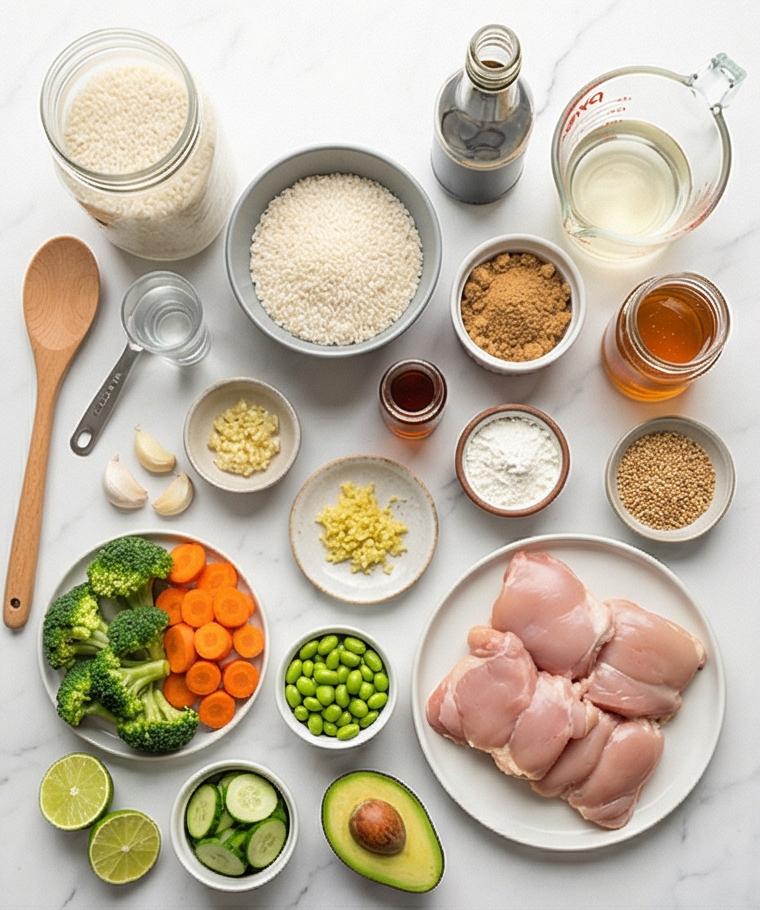
- Jasmine Rice: Pillowy, fragrant base that soaks up every bit of sauce; swap with short-grain or brown rice if you prefer, and always rinse to remove excess starch.
- Low-Sodium Soy Sauce: Brings savory backbone; use tamari for gluten-free or regular soy for a bolder hit.
- Mirin: Adds sweet rice wine brightness; substitute a mix of rice vinegar and a little sugar if needed.
- Sake or Dry Sherry: Deepens savory notes; omit for a simpler sauce or replace with chicken stock.
- Brown Sugar and Honey: Give rounded sweetness and gloss; maple syrup works for vegan tweaks.
- Garlic and Ginger: Aromatic kick, fresh is best; ground powders can stand in but use less.
- Cornstarch: Thickener for that glossy cling; arrowroot is a one-to-one substitute.
- Chicken Thighs: Juicy and forgiving; swap with chicken breast or tofu for a vegetarian option.
- Broccoli, Carrot, Edamame: Texture and color; any crisp-tender veg will do.
- Green Onions and Sesame Seeds: Finish with brightness and nuttiness; scallions or chives work.
Essential Kitchen Tools and Why They Matter
A few simple tools make this Teriyaki Chicken Bowls Recipe effortless and reliably delicious. A heavy-bottomed skillet gives even heat for that caramelized sear on the chicken, while a medium saucepan handles rice without drama. A small saucepan is handy for building the sauce, and a whisk helps get the cornstarch slurry perfectly smooth. Sharp knives and a good cutting board keep prep safe and fast; if you don’t have a chef’s knife, a smaller utility knife will do in a pinch. Measuring spoons and cups help reproduce results. Finally, tongs or a spatula make turning and serving clean and easy.
- Heavy-bottomed skillet: For even searing and glaze finishing.
- Medium saucepan: For perfectly cooked jasmine rice.
- Small saucepan: To simmer and thicken the teriyaki sauce.
- Whisk: For a lump-free cornstarch slurry and glossy sauce.
- Sharp knife and cutting board: To prep chicken and vegetables cleanly.
- Measuring cups and spoons: For consistent, repeatable results.
- Tongs or spatula: To turn chicken and serve the bowls.
Step-by-Step Preparation Guide
Step 1: Cook and Fluff the Jasmine Rice
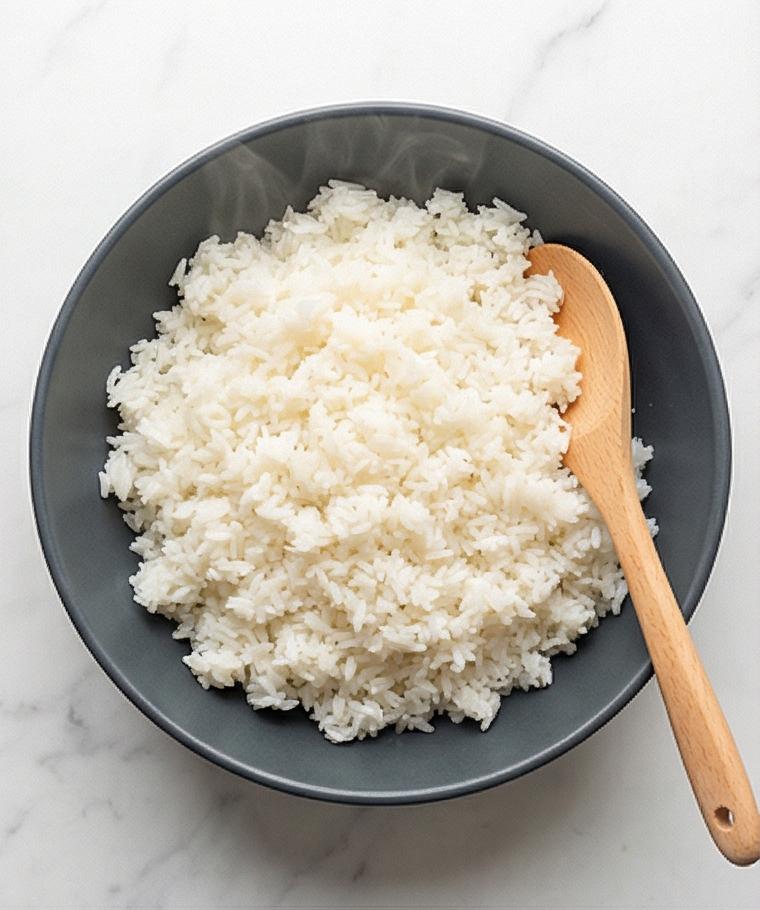
Rinse the jasmine rice under cool running water, swishing with your fingers until the water runs mostly clear to remove excess starch. Transfer the rinsed rice to a medium saucepan with 2 cups (480 ml) water and an optional pinch of fine sea salt, bring to a gentle boil, then cover and simmer on low until the water is absorbed and the grains are tender. Turn off the heat and let the rice rest, covered, for 10 minutes so the steam finishes the job—then uncover and fluff gently with a fork so the grains separate and look glossy and pillowy.
Step 2: Build the Teriyaki Base and Simmer
Combine low-sodium soy sauce, water, mirin, sake (or dry sherry), packed light brown sugar, honey or maple syrup, toasted sesame oil, minced garlic, and grated ginger in a small saucepan. Warm gently until the sugar dissolves and the mixture smells fragrant and slightly sweet-savory; the liquid should look unified and shimmering before thickening. Stir occasionally so the aromas meld and the sauce takes on a warm amber tone.
Step 3: Thicken to a Glossy Syrup
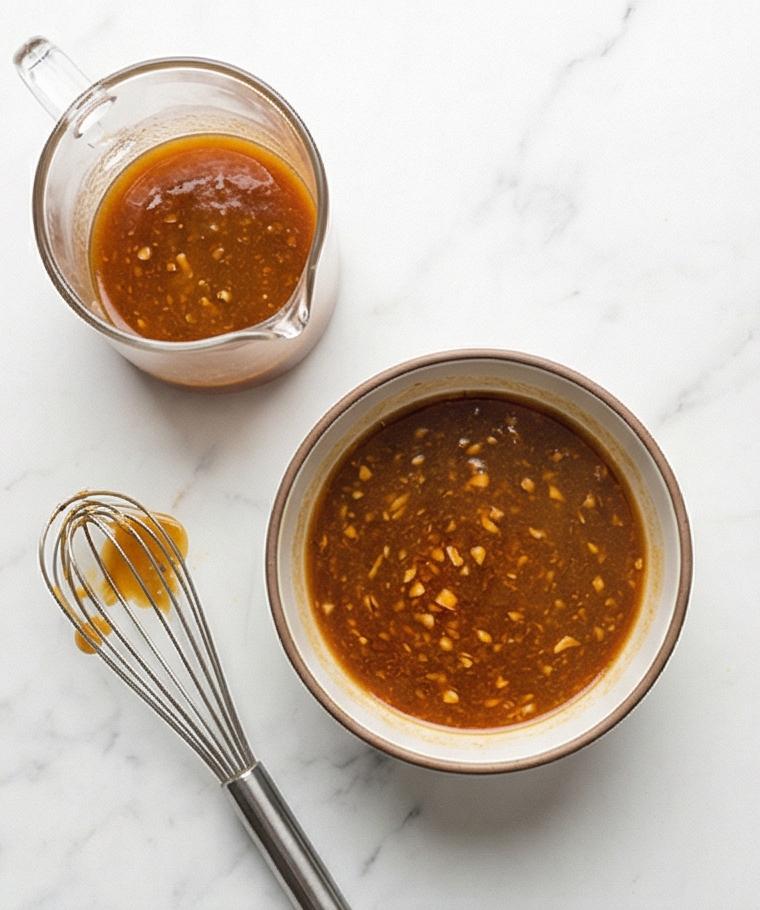
Whisk together cornstarch and cold water until completely smooth, then slowly whisk the slurry into the gently simmering sauce. Keep whisking until the sauce transforms into a glossy, syrupy coating that clings to the whisk and coats the back of a spoon—viscous, polished, and translucent with flecks of garlic and ginger suspended inside. Remove from heat and set aside to cool slightly so it will cling to the chicken and vegetables when combined.
Step 4: Season and Sear the Chicken Pieces
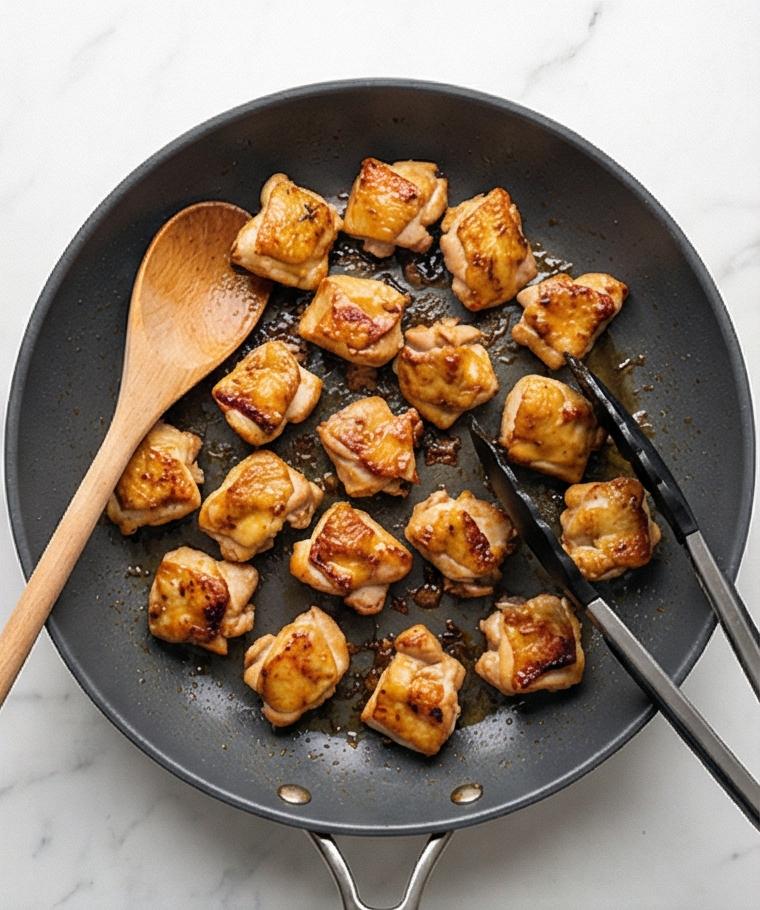
Pat the boneless skinless chicken thighs dry and season evenly with fine sea salt and a touch of freshly ground black pepper. Heat a tablespoon of neutral oil until shimmering, then sear the chicken pieces in a single layer until the bottoms develop a deeply golden, caramelized crust. Flip and finish until cooked through and juicy, the exterior showing concentrated Maillard browning and slightly crisp edges—then transfer the browned pieces to a resting dish so the juices settle.
Step 5: Brighten with Aromatics and Crisp-Tender Vegetables
Return the cooked chicken to the pan and add the sliced white parts of the green onions to soften for a moment. Toss in small broccoli florets and thin diagonal carrot slices and stir over medium heat just until the vegetables become vibrantly green and bright orange—crisp-tender, still holding a slight snap. Stir in shelled edamame to heat through; everything should read as lively, textured, and just-cooked so the vegetables contrast the tender chicken.
Step 6: Coat and Finish with the Teriyaki Glaze
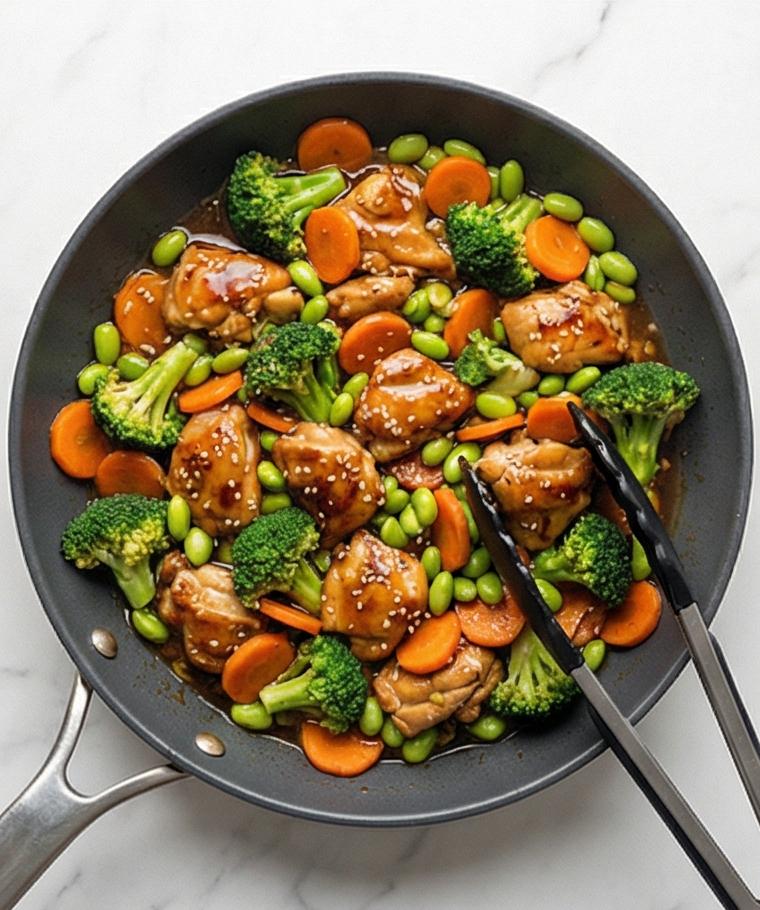
Pour the warm, glossy teriyaki sauce over the chicken and vegetables and stir until every piece is lusciously coated—thick syrup clinging to nooks and crannies, pooling slightly at the pan edge and glazing each broccoli floret. Bring to a gentle simmer so the sauce reduces a touch and becomes shiny and clingy. Finish with toasted sesame seeds and half the sliced green onion tops, taste and adjust if needed; the mixture should look glossy, richly lacquered, and fragrant.
Step 7: Assemble, Garnish, and Serve the Bowls
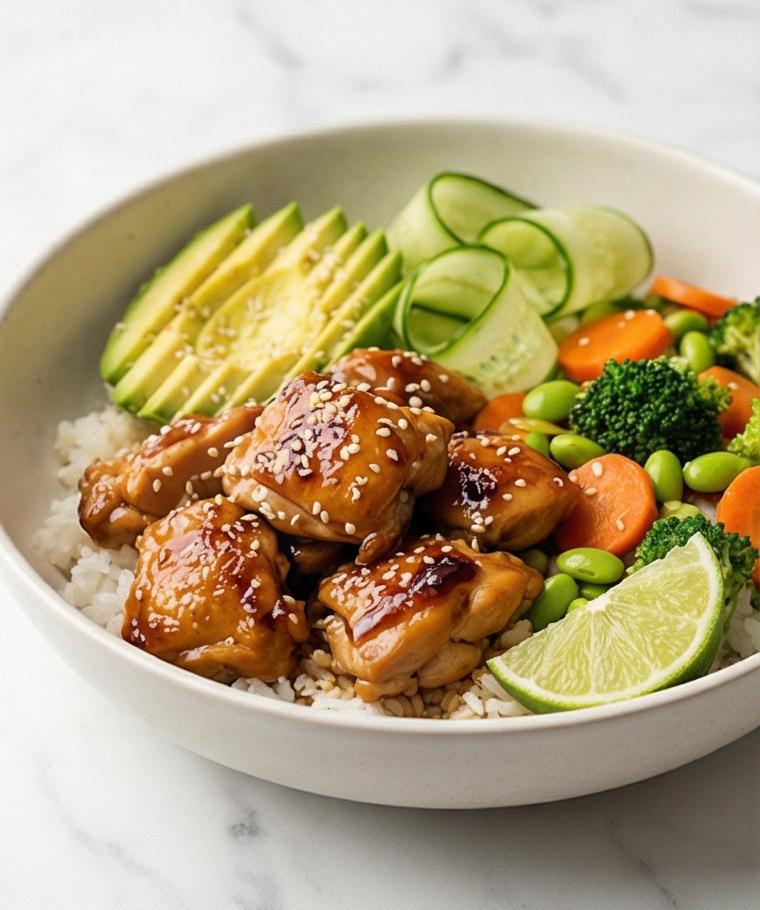
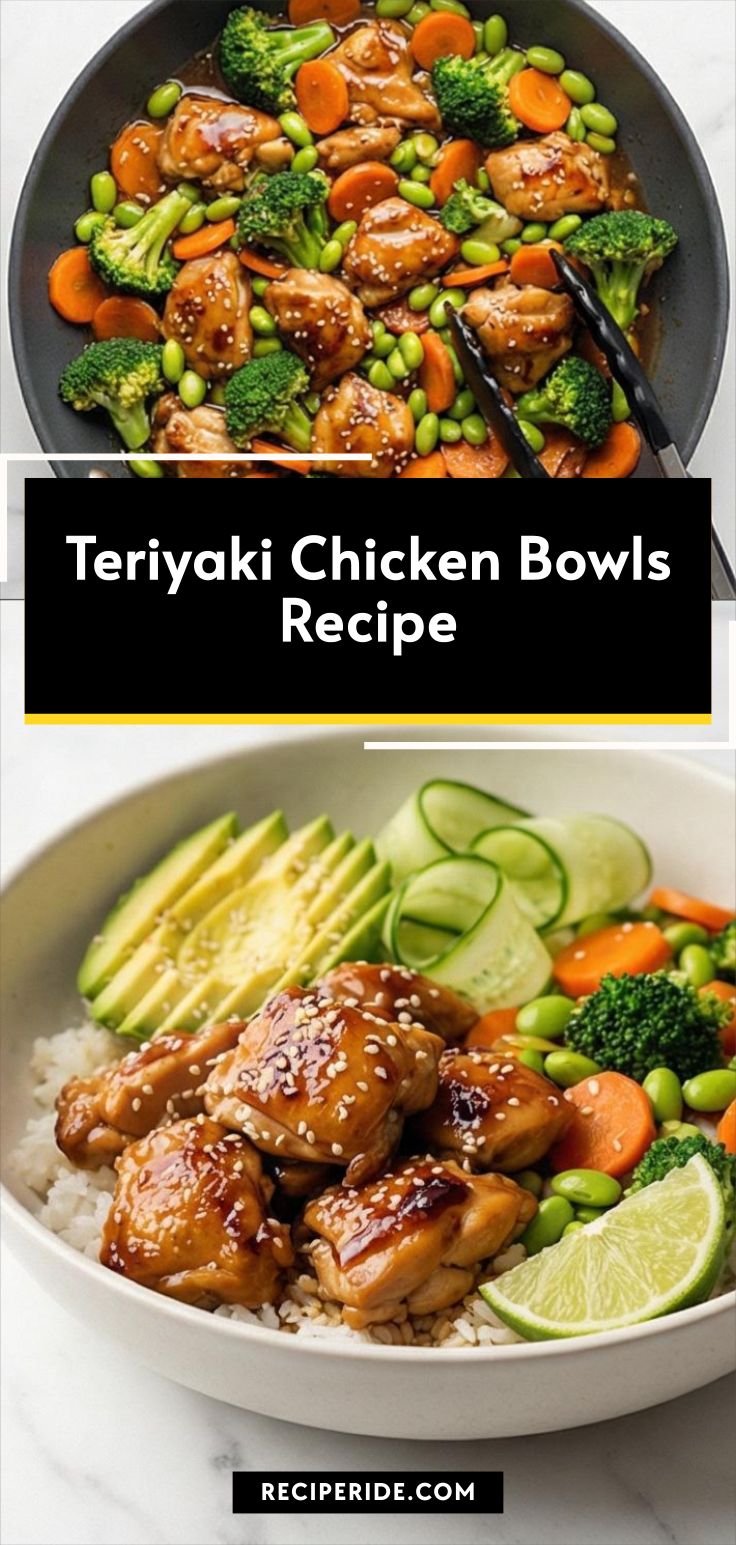
Divide the hot, fluffed jasmine rice among four serving bowls, spoon the teriyaki chicken and vegetables over the rice so each bowl has a balanced mix of chicken, broccoli, carrot, and edamame. Garnish with the remaining green onion tops, an extra sprinkle of toasted sesame seeds, thin cucumber ribbons and avocado slices if using, and lime wedges at the side for squeezing. Serve immediately while the glaze is warm and glossy for maximum contrast—single bowls showing steam, sticky gloss, bright veg, and a scattering of sesame seeds.
Making It Your Own
I like to treat this Teriyaki Chicken Bowls Recipe as a flexible template. Swap chicken thighs for firm tofu and double the mirin for a vegetarian twist, or use shrimp for a quicker-cooking, coastal version. In winter I add roasted baby bok choy and shiitake mushrooms for earthiness, and in summer I toss in blanched sugar snap peas and lettuce leaves for brightness. To reduce sugar, halve the brown sugar and increase the soy and mirin by a tablespoon, balancing with a squeeze of lime. Small experiments with heat, like a drizzle of chili oil, will quickly show you what you love.
How to Serve
When I serve Teriyaki Chicken Bowls Recipe for guests I lay everything out buffet-style. Keep the rice warm in a covered dish and set the chicken and vegetables in a shallow pan to show off the glossy glaze. Offer bowls of optional toppings like sliced cucumber, avocado, and lime wedges so people can customize. For larger groups double the sauce and cook the chicken in batches so it still caramelizes. To make it family style, transfer rice to a large platter and pile the glazed chicken and veg on top; garnish with scallions and sesame seeds for a pretty, shareable center.
Storage and Reheating Tips
Store cooled leftovers in an airtight container in the refrigerator for up to 3 days. Keep rice and chicken mixed or separate depending on how you like to reheat; storing them together makes assembly faster, but keeps the rice slightly softer.
To reheat, gently warm the teriyaki chicken and vegetables in a skillet over medium heat with a splash of water or stock to loosen the sauce, stirring until steaming. Reheat rice in the microwave with a damp paper towel or in a saucepan with a little water to restore moisture. Avoid high heat that will toughen the chicken.
Common Mistakes and How to Avoid Them
Crowding the pan is a classic error. If the chicken is too crowded it will steam instead of sear, so cook in batches for a good caramelized crust. Also, don’t skip rinsing the rice; excess starch makes clumpy, gummy grains.
Over-thickening the sauce can make it gummy. Whisk the cornstarch slurry smooth and add it slowly, then remove from heat once glossy. Taste before serving and adjust salt or acid with lime if the sauce feels too sweet.
A Warm Invitation
If you try this Teriyaki Chicken Bowls Recipe, give yourself a little extra time the first go so you can focus on perfecting the sauce. I hope it becomes a staple in your rotation, a simple, satisfying dish that is both weekday-friendly and party-ready. Come back and make it your own.
Frequently Asked Questions.
- What can I use instead of mirin? You can substitute a mix of rice vinegar and a pinch of sugar, or use a sweet white wine; mirin gives a distinctive sweetness but a vinegar-plus-sugar mix mimics the profile.
- Can I make the sauce ahead? Yes, make the teriyaki sauce up to two days in advance and refrigerate; rewarm gently and whisk before using.
- Is there a gluten-free option? Use tamari or a gluten-free soy sauce and check your mirin or swap mirin for a rice vinegar and sugar mix.
- How do I keep the chicken juicy? Don’t overcook the thighs and let them rest briefly off heat; thighs stay forgiving compared with breasts.
- Can I freeze leftovers? You can freeze the cooked chicken and sauce for up to 2 months, but rice texture changes; freeze separately if possible.
Teriyaki Chicken Bowls Recipe
Make Teriyaki Chicken Bowls Recipe for sticky glazed chicken over jasmine rice—simple, flavorful, and weeknight-friendly.
Ingredients
Instructions
Step 1: Cook and Fluff the Jasmine Rice
Rinse the jasmine rice under cool running water, swishing with your fingers until the water runs mostly clear to remove excess starch. Transfer the rinsed rice to a medium saucepan with 2 cups (480 ml) water and an optional pinch of fine sea salt, bring to a gentle boil, then cover and simmer on low until the water is absorbed and the grains are tender. Turn off the heat and let the rice rest, covered, for 10 minutes so the steam finishes the job—then uncover and fluff gently with a fork so the grains separate and look glossy and pillowy.
Step 2: Build the Teriyaki Base and Simmer
Combine low-sodium soy sauce, water, mirin, sake (or dry sherry), packed light brown sugar, honey or maple syrup, toasted sesame oil, minced garlic, and grated ginger in a small saucepan. Warm gently until the sugar dissolves and the mixture smells fragrant and slightly sweet-savory; the liquid should look unified and shimmering before thickening. Stir occasionally so the aromas meld and the sauce takes on a warm amber tone.
Step 3: Thicken to a Glossy Syrup
Whisk together cornstarch and cold water until completely smooth, then slowly whisk the slurry into the gently simmering sauce. Keep whisking until the sauce transforms into a glossy, syrupy coating that clings to the whisk and coats the back of a spoon—viscous, polished, and translucent with flecks of garlic and ginger suspended inside. Remove from heat and set aside to cool slightly so it will cling to the chicken and vegetables when combined.
Step 4: Season and Sear the Chicken Pieces
Pat the boneless skinless chicken thighs dry and season evenly with fine sea salt and a touch of freshly ground black pepper. Heat a tablespoon of neutral oil until shimmering, then sear the chicken pieces in a single layer until the bottoms develop a deeply golden, caramelized crust. Flip and finish until cooked through and juicy, the exterior showing concentrated Maillard browning and slightly crisp edges—then transfer the browned pieces to a resting dish so the juices settle.
Step 5: Brighten with Aromatics and Crisp-Tender Vegetables
Return the cooked chicken to the pan and add the sliced white parts of the green onions to soften for a moment. Toss in small broccoli florets and thin diagonal carrot slices and stir over medium heat just until the vegetables become vibrantly green and bright orange—crisp-tender, still holding a slight snap. Stir in shelled edamame to heat through; everything should read as lively, textured, and just-cooked so the vegetables contrast the tender chicken.
Step 6: Coat and Finish with the Teriyaki Glaze
Pour the warm, glossy teriyaki sauce over the chicken and vegetables and stir until every piece is lusciously coated—thick syrup clinging to nooks and crannies, pooling slightly at the pan edge and glazing each broccoli floret. Bring to a gentle simmer so the sauce reduces a touch and becomes shiny and clingy. Finish with toasted sesame seeds and half the sliced green onion tops, taste and adjust if needed; the mixture should look glossy, richly lacquered, and fragrant.
Step 7: Assemble, Garnish, and Serve the Bowls
Divide the hot, fluffed jasmine rice among four serving bowls, spoon the teriyaki chicken and vegetables over the rice so each bowl has a balanced mix of chicken, broccoli, carrot, and edamame. Garnish with the remaining green onion tops, an extra sprinkle of toasted sesame seeds, thin cucumber ribbons and avocado slices if using, and lime wedges at the side for squeezing. Serve immediately while the glaze is warm and glossy for maximum contrast—single bowls showing steam, sticky gloss, bright veg, and a scattering of sesame seeds.
Notes
- Rinse jasmine rice until water runs mostly clear to avoid gummy rice.
- Sear chicken in batches to ensure a good caramelized crust.
- Make the teriyaki sauce ahead and store in the fridge for up to 2 days.
- Use tamari for a gluten-free version and arrowroot as a cornstarch substitute.
- Reheat chicken gently in a skillet with a splash of water to loosen the sauce.