Butterfly Pea Lemonade Recipe has been a favorite of mine since I first coaxed that impossible purple from simple dried flowers and lemons. I love how the Butterfly Pea Lemonade Recipe looks almost magical in a clear glass, and I keep coming back to its bright citrus balance whenever friends drop by. It is one of those drinks that makes conversation easier and photos better, a small showstopper for backyard afternoons. You can make this Butterfly Pea Lemonade Recipe with pantry staples and only a little patience, and the payoff is totally worth it.
How This Recipe Became My Rainy-Day Favorite
The first time I made this, it was raining and I wanted something cheerful to sip while I read. The tea steeped into a jewel-blue that smelled faintly floral and green, and the thin thread of lemon juice I poured in felt like a tiny science experiment. When the liquid turned jewel-toned purple I actually laughed out loud; it felt like a private fireworks show. I remember the warmth of the glass in my hands, the bright lemon scent cutting through the floral notes, and the way the mint finished each sip with a cool lift. That rainy afternoon made this Butterfly Pea Lemonade Recipe feel like comfort and curiosity all at once, and I still reach for it whenever I want a colorful pick-me-up.
What Makes the Ingredients Sing
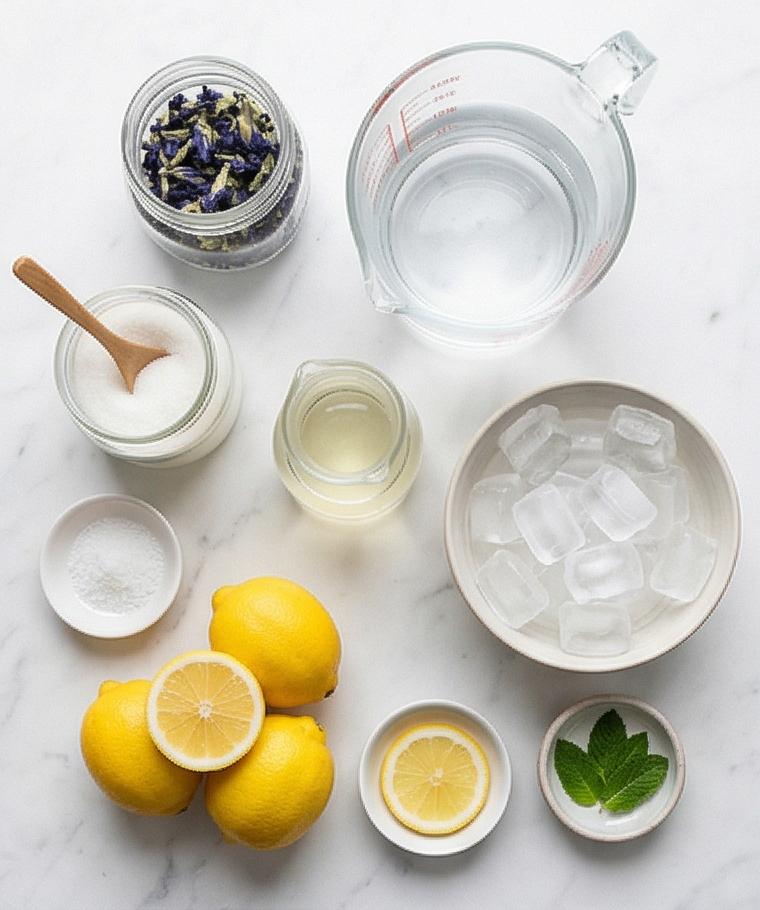
- Dried Butterfly Pea Flowers: The star that gives the brilliant blue color and delicate floral aroma; substitute with butterfly pea tea bags if needed and look for vibrant, whole petals.
- Fresh Lemon Juice: The acid that triggers the color change and brings brightness; bottled lemon juice won’t give the same fresh zing.
- Granulated Sugar and Simple Syrup: Sugar sweetens and simple syrup lets you fine-tune without grit; use honey or agave for a different flavor note.
- Cold Water and Ice: Dilute and chill the tea so the flavor is balanced; use filtered water for the cleanest taste.
- Salt, Mint, Lemon Slices: Tiny salt lifts flavors, mint adds aroma, and lemon rounds garnish beautifully.
Essential Kitchen Tools
A few simple tools make this recipe easy and reliable. A heatproof measuring jug or teapot helps you steep and see the color; a fine-mesh sieve keeps the liquid clear and free of petals; and a sturdy citrus juicer makes getting a full cup of lemon juice quick and tidy. Youll also want a clear glass pitcher so the dramatic color change is visible, and a small saucepan if you prefer to make a quick simple syrup. If you lack a juicer, use a fork to press lemons in a bowl then strain; a fine-mesh sieve can stand in for a tea strainer in a pinch.
- Heatproof measuring jug or teapot: For steeping and visual appeal.
- Fine-mesh sieve: To remove petals and seeds for a crystal-clear drink.
- Citrus juicer: Speeds up juicing and extracts more juice.
- Clear glass pitcher: Shows the beautiful color transformation.
- Small saucepan: For making simple syrup if you choose.
Step-by-Step Preparation Guide.
Step 1: Steep and sweeten the butterfly pea tea
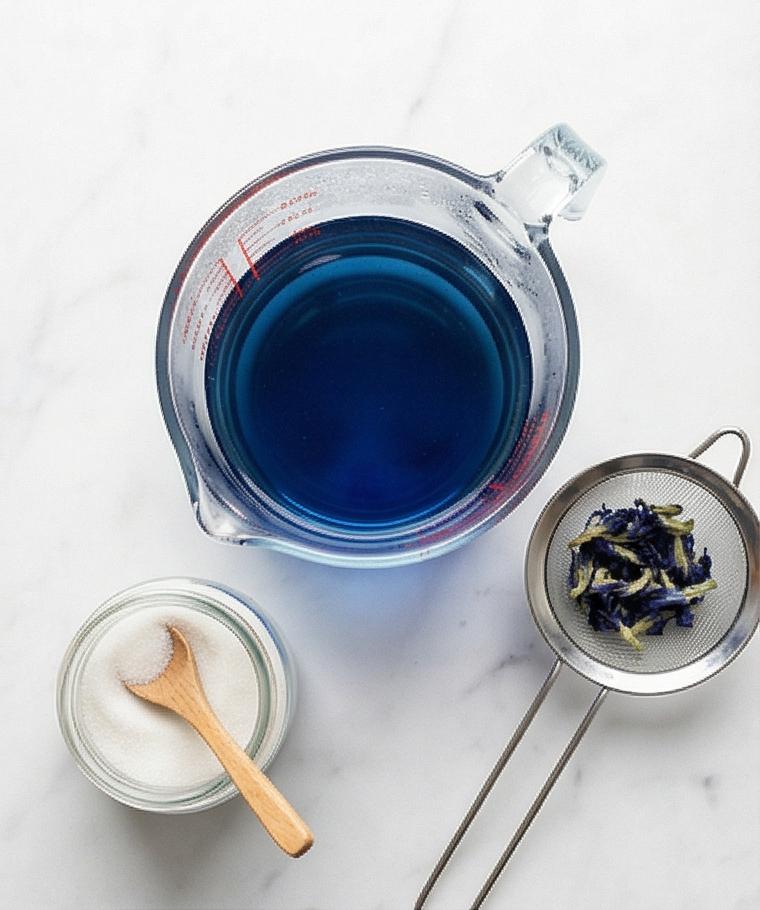
Heat two cups of water until just off the boil, then pour it over the dried butterfly pea flowers placed in a clear heatproof measuring jug. Let the flowers steep 7–10 minutes, stirring once or twice until the water becomes a deep, vibrant blue. Strain the tea through a fine-mesh sieve back into the jug, discard the spent flowers, then while still warm stir in the granulated sugar and a pinch of fine sea salt until fully dissolved and the liquid looks perfectly clear and jewel-toned. Let the sweetened tea cool to room temperature, then chill until very cold.
Step 2: Juice and strain the lemons
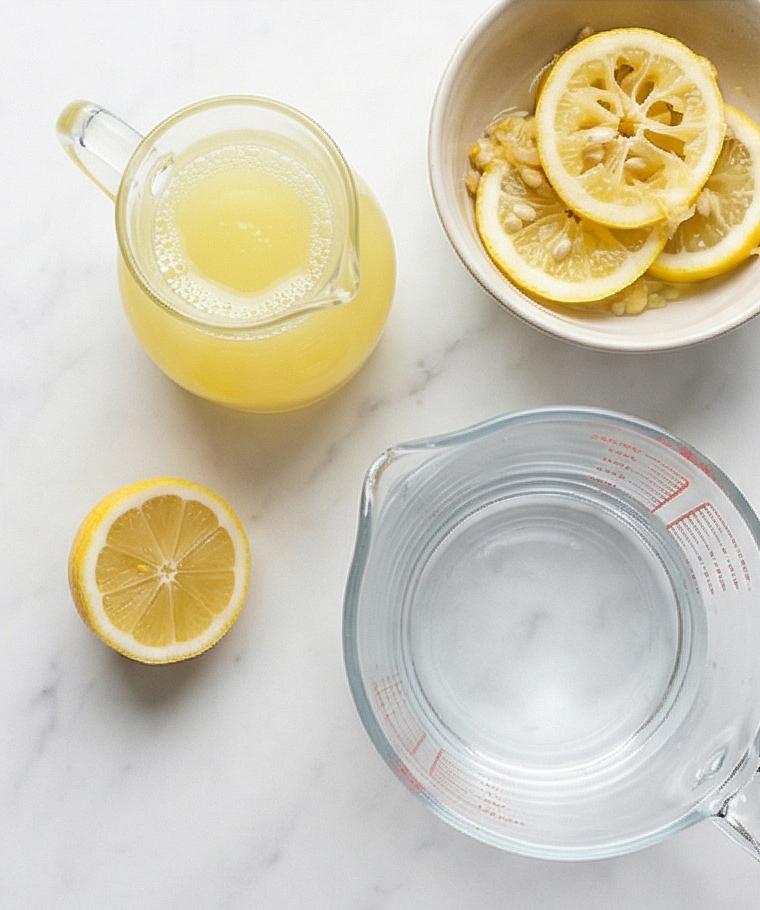
Squeeze fresh lemons until you have a cup of bright, tangy lemon juice, then strain it through a fine sieve into a small chilled glass jug to remove seeds and excess pulp. Keep the lemon juice covered and cold in the refrigerator while the tea chills; its pale, citric yellow will be the dramatic color-change trigger when it meets the blue tea.
Step 3: Build the chilled base in a pitcher
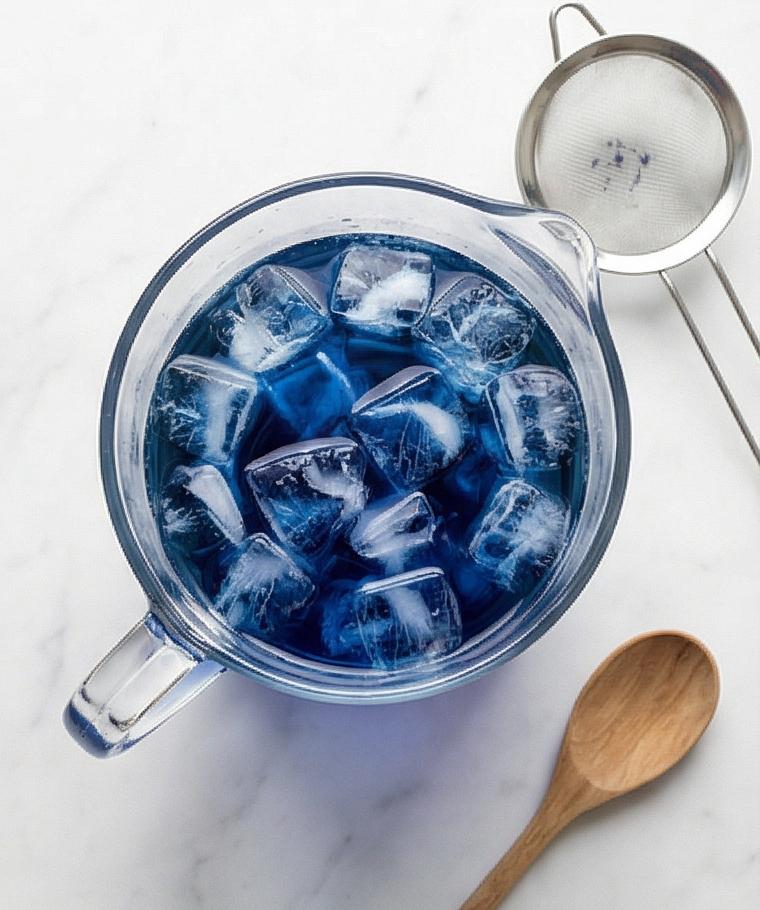
Pour the thoroughly chilled butterfly pea tea into a large clear glass pitcher, add the cold filtered water to balance intensity, then add plenty of ice and stir briefly to bring everything down to refrigerator temperature. The mixture at this stage should remain a saturated, translucent sapphire blue with sparkling ice facets and tiny condensation beads on the outer glass.
Step 4: Add lemon, watch the color transform, and adjust sweetness
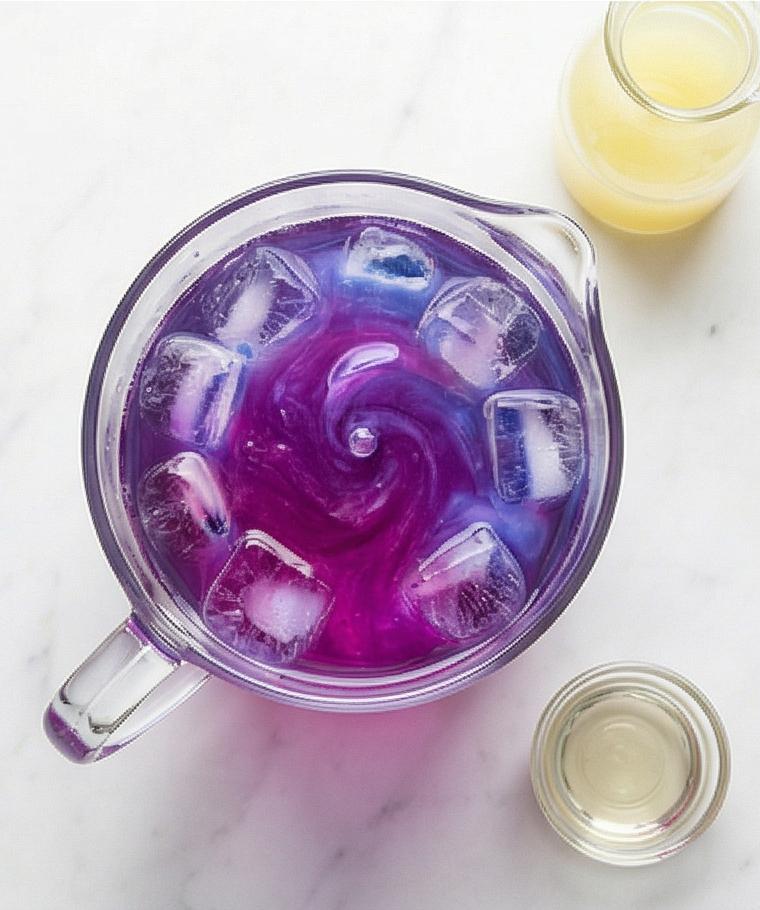
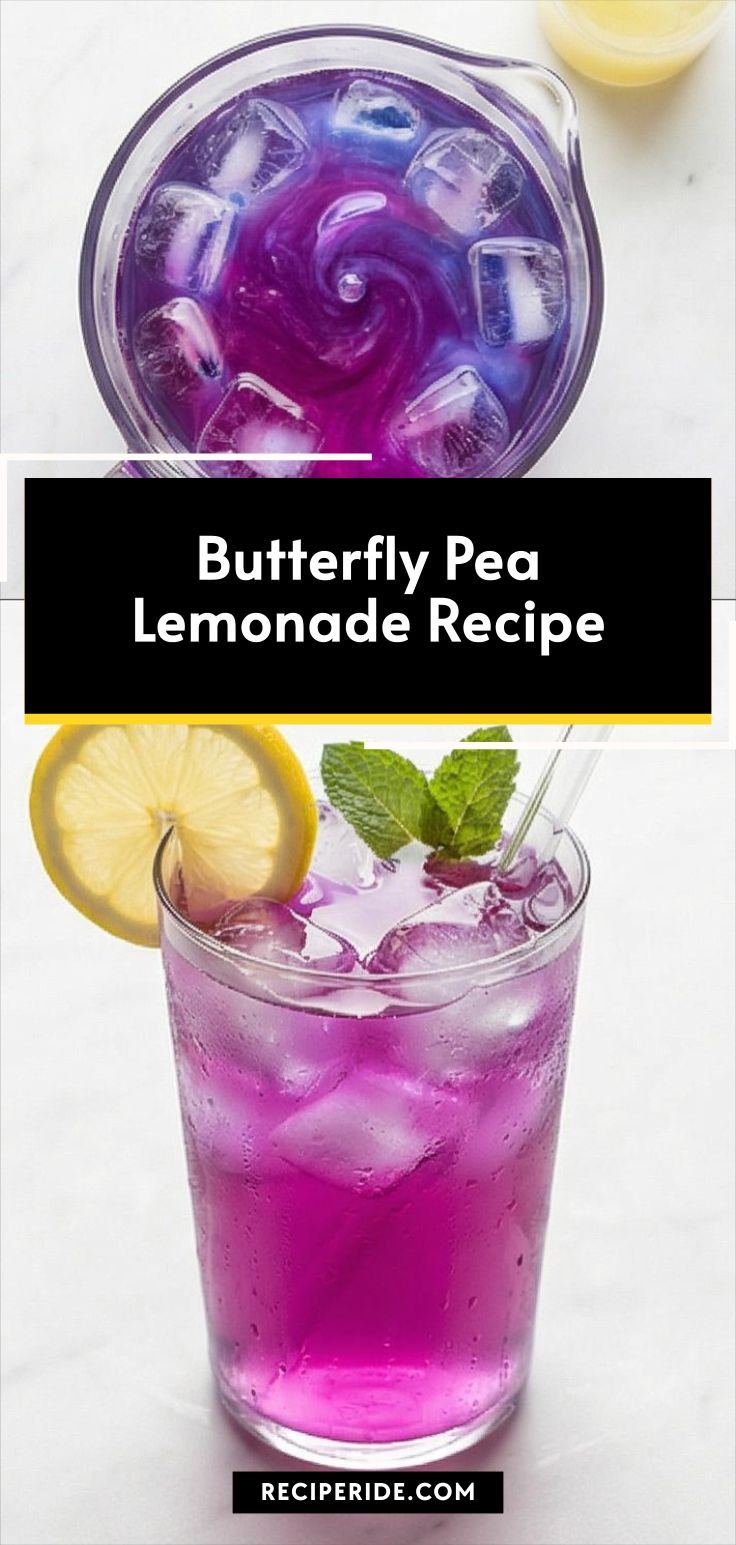
Slowly stream the cold, strained lemon juice into the iced blue pitcher while gently stirring; watch the chemistry and color morph from deep blue to vibrant purple and then magenta as acidity shifts the pigment. Taste and, if needed, stir in up to a quarter cup of chilled simple syrup a tablespoon at a time until the sweetness is balanced. The final liquid should be glossy, evenly colored, and clear—no sugar grit, with cold ice pockets softening the hue.
Step 5: Serve cold with lemon and mint garnish
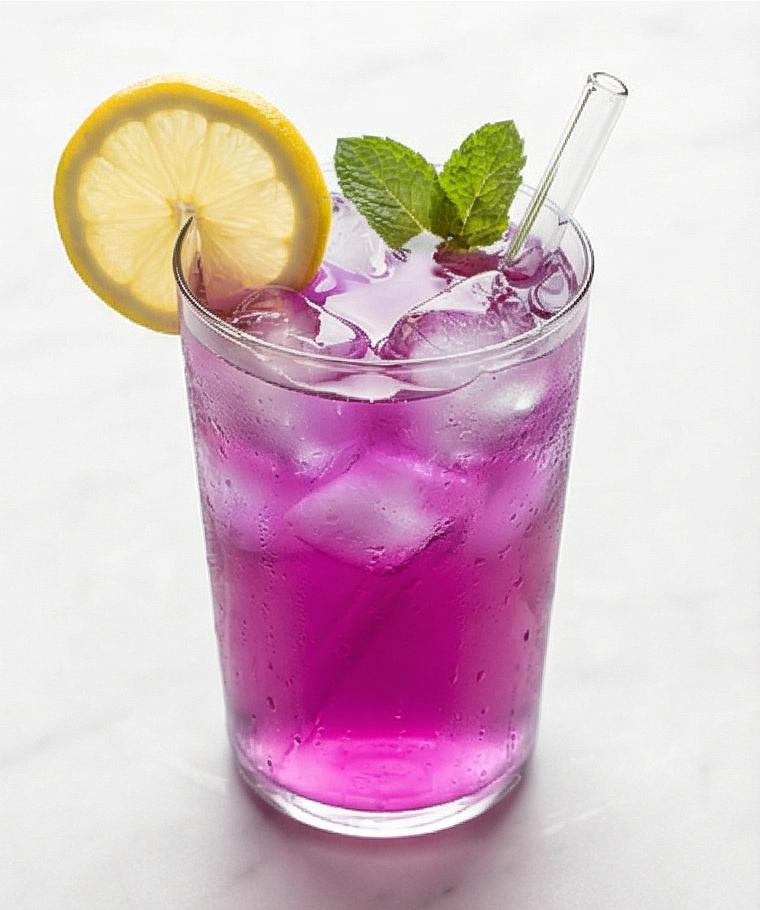
Fill individual clear glasses with fresh ice, pour the butterfly pea lemonade so each glass shows the clean, saturated purple, then finish with a thin lemon round on the rim and a couple of lightly bruised mint leaves tucked into the ice. Serve immediately while very cold; the glasses should show delicate condensation, crisp ice geometry, and bright citrus/mint accents.
Making It Your Own
I like to experiment with this base recipe depending on the season. In warmer months I swap half the cold water for sparkling water to make a fizzy picnic version; it lifts the aroma and looks fantastic in tall fluted glasses. For a lower-sugar option I reduce granulated sugar and lean on muddled mint or a splash of elderflower syrup for complexity. In cooler weather try a warm take by serving the steeped tea lightly warmed with a touch of honey and lemon for a cozy, color-shifting toddy. Regional twists like adding cilantro in tropical climates or a hint of ginger create subtle savory notes.
How to Serve
When hosting, keep everything chilled and assemble the pitcher just before guests arrive so the color change is part of the presentation. For a party of 8 double the recipe and use a large clear beverage dispenser with an ice chamber to avoid watering down the drink. Offer simple syrup on the side so guests can adjust sweetness and set out lemon wedges and extra mint sprigs for garnish. To make individual mocktails, layer crushed ice, pour the purple lemonade, then finish each glass with a lemon wheel for an elegant look.
Storage and Reheating Tips
Store leftover Butterfly Pea Lemonade Recipe in a sealed glass pitcher or jar in the refrigerator for up to 48 hours; the color will remain vibrant if kept cold. Avoid leaving it at room temperature for long periods since fresh lemon juice loses its bright flavor quickly.
This lemonade is not meant to be reheated; if you want a warm version, steep fresh butterfly pea tea and add warmed lemon-honey syrup separately so the texture and brightness remain pleasant. Always give chilled batches a quick stir before serving as separation can occur.
Common Mistakes and How to Avoid Them
Oversteeping the flowers can make the tea taste vegetal rather than floral, so stick to 7 to 10 minutes and taste as it brews. If the drink tastes flat, a tiny pinch of salt or a splash more lemon will open up the flavors.
Using bottled lemon juice or skipping the sieve can result in a dull color change or gritty texture; always strain fresh juice and use fresh lemons when possible. If you prefer it sweeter, add simple syrup a tablespoon at a time so you dont oversweeten.
A Warm Invitation
I hope this Butterfly Pea Lemonade Recipe tempts you to try a small, colorful experiment in your kitchen. It is easy enough for a weeknight treat and showy enough for guests; make a batch, watch the color transform, and share the moment with someone you like.
Frequently Asked Questions.
- Can I make Butterfly Pea Lemonade Recipe ahead of time? Yes, you can make the tea and simple syrup up to 48 hours ahead and keep them chilled; add lemon and ice just before serving for the freshest flavor.
- Will bottled lemon juice work? Bottled juice will change the color but tastes flatter; for the brightest flavor use freshly squeezed lemons and strain out pulp.
- How do I make it sparkling? Replace part or all of the cold water with chilled sparkling water right before serving to preserve fizz.
- Can I sweeten with honey or agave? Yes, warm the tea slightly and dissolve honey or mix in agave; taste as you go to avoid over-sweetening.
- Why did my drink turn muddy? That usually happens when sugar is not fully dissolved or the tea wasnt strained well; dissolve sugar while tea is still warm and strain carefully.
Butterfly Pea Lemonade Recipe
Make Butterfly Pea Lemonade Recipe for a color-changing, chilled citrus drink—simple, stunning, and ready in about 25 minutes.
Ingredients
Instructions
Step 1: Steep and sweeten the butterfly pea tea
Heat two cups of water until just off the boil, then pour it over the dried butterfly pea flowers placed in a clear heatproof measuring jug. Let the flowers steep 7–10 minutes, stirring once or twice until the water becomes a deep, vibrant blue. Strain the tea through a fine-mesh sieve back into the jug, discard the spent flowers, then while still warm stir in the granulated sugar and a pinch of fine sea salt until fully dissolved and the liquid looks perfectly clear and jewel-toned. Let the sweetened tea cool to room temperature, then chill until very cold.
Step 2: Juice and strain the lemons
Squeeze fresh lemons until you have a cup of bright, tangy lemon juice, then strain it through a fine sieve into a small chilled glass jug to remove seeds and excess pulp. Keep the lemon juice covered and cold in the refrigerator while the tea chills; its pale, citric yellow will be the dramatic color-change trigger when it meets the blue tea.
Step 3: Build the chilled base in a pitcher
Pour the thoroughly chilled butterfly pea tea into a large clear glass pitcher, add the cold filtered water to balance intensity, then add plenty of ice and stir briefly to bring everything down to refrigerator temperature. The mixture at this stage should remain a saturated, translucent sapphire blue with sparkling ice facets and tiny condensation beads on the outer glass.
Step 4: Add lemon, watch the color transform, and adjust sweetness
Slowly stream the cold, strained lemon juice into the iced blue pitcher while gently stirring; watch the chemistry and color morph from deep blue to vibrant purple and then magenta as acidity shifts the pigment. Taste and, if needed, stir in up to a quarter cup of chilled simple syrup a tablespoon at a time until the sweetness is balanced. The final liquid should be glossy, evenly colored, and clear—no sugar grit, with cold ice pockets softening the hue.
Step 5: Serve cold with lemon and mint garnish
Fill individual clear glasses with fresh ice, pour the butterfly pea lemonade so each glass shows the clean, saturated purple, then finish with a thin lemon round on the rim and a couple of lightly bruised mint leaves tucked into the ice. Serve immediately while very cold; the glasses should show delicate condensation, crisp ice geometry, and bright citrus/mint accents.
Notes
- Steep butterfly pea flowers 7–10 minutes for best color without bitterness.
- Use freshly squeezed and strained lemon juice for brightest flavor and color change.
- Chill the tea thoroughly before adding lemon to preserve clarity and color.
- Make simple syrup ahead to quickly adjust sweetness without graininess.
- Store in a sealed glass container and consume within 48 hours for best freshness.