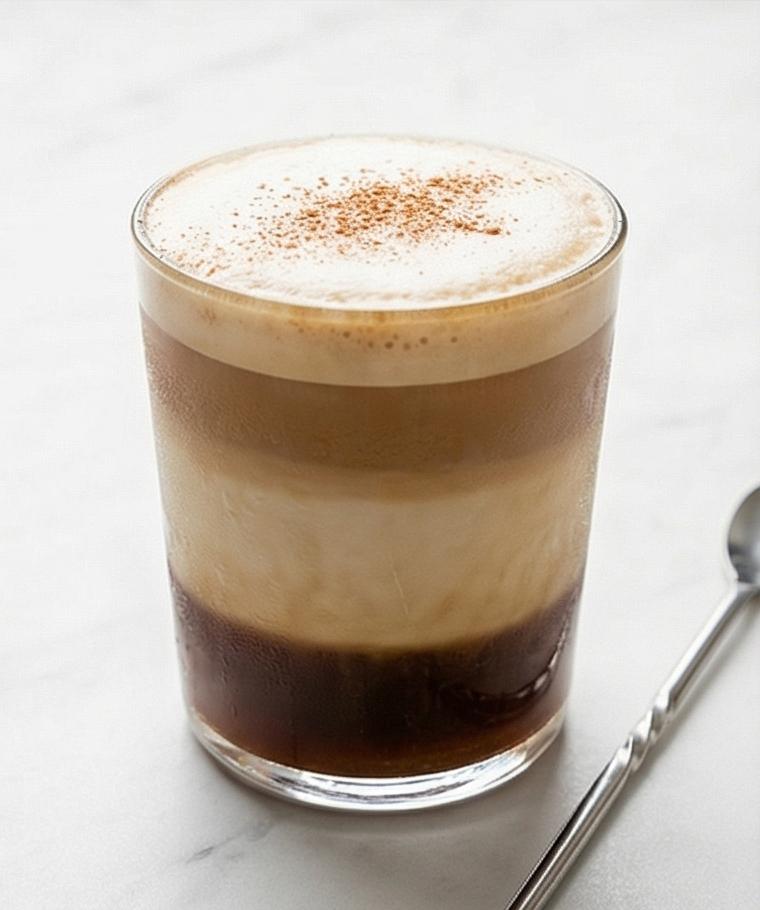
Passion Fruit Iced Tea Recipe is one of those drinks I reach for when I want something bright, slightly tart, and utterly refreshing. I started making this version after craving a tropical twist on a classic iced tea, and it quickly became a summer staple in my kitchen. The balance of bold black tea, sunny passion fruit pulp, and a squeeze of lime is irresistibly simple. Whether you sip it on the porch or bring a pitcher to a small gathering, this Passion Fruit Iced Tea Recipe always feels like a little celebration in a glass.
I love how easy the recipe is to scale, and how the flavors develop as it chills. It is forgiving if you tweak the sweetening or strain the seeds, and it still tastes like the same bright drink that first hooked me.
How This Passion Fruit Pitcher Became My Rainy-Day Favorite
Rainy afternoons used to mean tea, but rarely did a cuppa make me feel transported. The first time I made this Passion Fruit I Iced Tea Recipe I was juggling a toddler and a stack of mail, yet the small ritual of brewing strong black tea and coaxing sugar to dissolve felt grounding. When I stirred in the glossy, jewel-toned passion fruit pulp and breathed in the fragrant citrus, I felt the kitchen brighten. The seeds clicked softly against the bowl as I decided whether to press them through a strainer. I kept some for texture, which felt honest and joyful – little bursts of tartness against the sweetened tea. I remember sitting by the window with a tall glass, the rain blurring the garden and the mint on top smelling like a tiny promise that summer would return. That quiet, unexpected pleasure is why this Passion Fruit Iced Tea Recipe stuck with me.
Why These Ingredients Matter
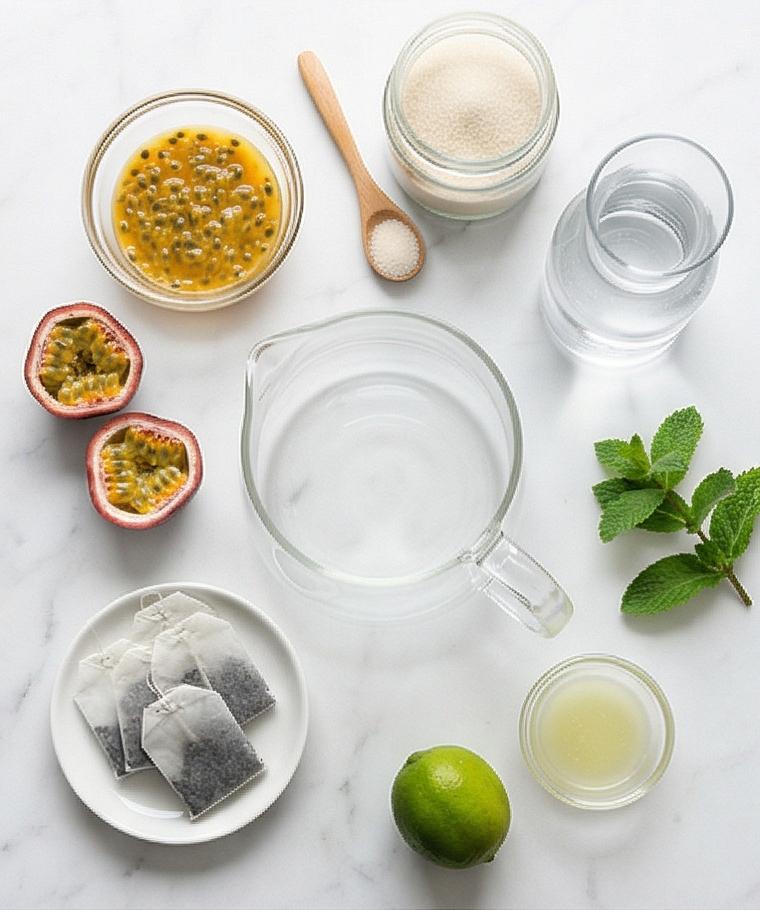
- Black tea: The backbone of the drink, offering tannin, color, and a malty base. Substitute with rooibos for caffeine-free or use a milder Darjeeling if you want a lighter finish. Choose fresh, whole-leaf or good-quality teabags for a clean flavor.
- Passion fruit pulp: The star that brings bright acidity and tropical perfume. Fresh is best, frozen is fine – if seeds bother you, strain half for silkiness. Look for deeply colored pulp with a fragrant aroma.
- Granulated sugar: Balances acidity and amplifies flavor. Swap for honey or simple syrup at a 3:4 ratio for different sweetness notes. Use fine sugar so it dissolves quickly.
- Lime juice: Adds lift and brightness. Use fresh juice only; bottled lacks the same snap. Adjust to taste for more zing.
Essential Kitchen Tools That Make This Easy
Start with a short intro: a few simple tools keep this recipe smooth and repeatable.
- Heatproof glass pitcher: : Needed for steeping and chilling – it holds heat and shows the pretty color. A stainless pitcher works too but glass helps you see clarity.
- Fine-mesh strainer or tea infuser: : For loose-leaf tea or straining seeds; a mesh strainer makes the tea clean and clear.
- Wooden spoon or long-handled stirrer: : Helps dissolve sugar and mix pulp without scratching glass.
- Citrus juicer: : Handy for extracting bright lime juice; a fork or reamer works as an alternative.
- Measuring cups and spoons: : Accuracy matters for balance – but feel free to tweak sweetness by taste.
These tools are inexpensive and versatile, and alternatives will still yield a delicious Passion Fruit Iced Tea Recipe.
Step-by-Step Preparation Guide
Step 1: Brew the tea and achieve a deep amber steep
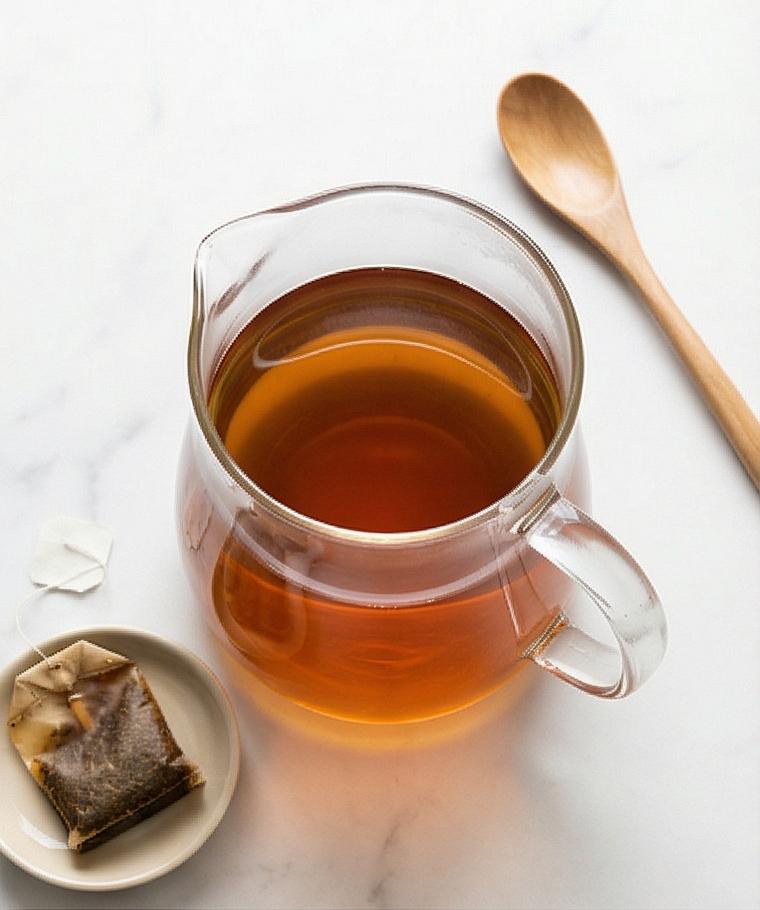
Bring the filtered water to just below a boil and pour it over the black tea in a heatproof glass pitcher so the leaves or bags are fully submerged; let the tea steep until it turns a clear, deep amber and smells robust and malty. Remove the tea bags or strain the leaves so the liquid is clean and free of leaves, leaving a smooth, steaming tea base. Give it a gentle swirl to distribute color and aroma – the surface should be glossy and uniformly amber, not cloudy or bitter.
Step 2: Sweeten and temper the hot tea
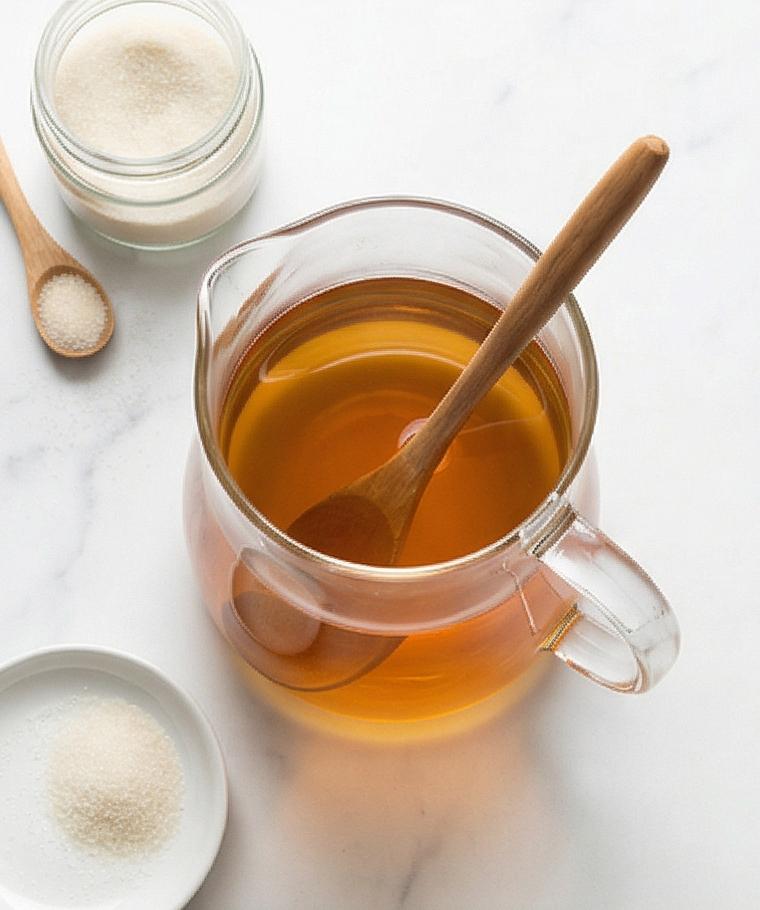
While the tea is still hot, add the granulated sugar and stir briskly with the same wooden spoon until the sugar dissolves completely and the liquid regains a clear, unmarred surface – you should see no granules and the tea should look satin-smooth. Stir in the cold filtered water to slightly cool and dilute the concentrate until the pitcher feels just lukewarm; the color lightens to a warm, translucent amber and the liquid takes on a slightly thinner, more pourable viscosity as it moves across the glass.
Step 3: Prepare the passion fruit pulp and options for texture
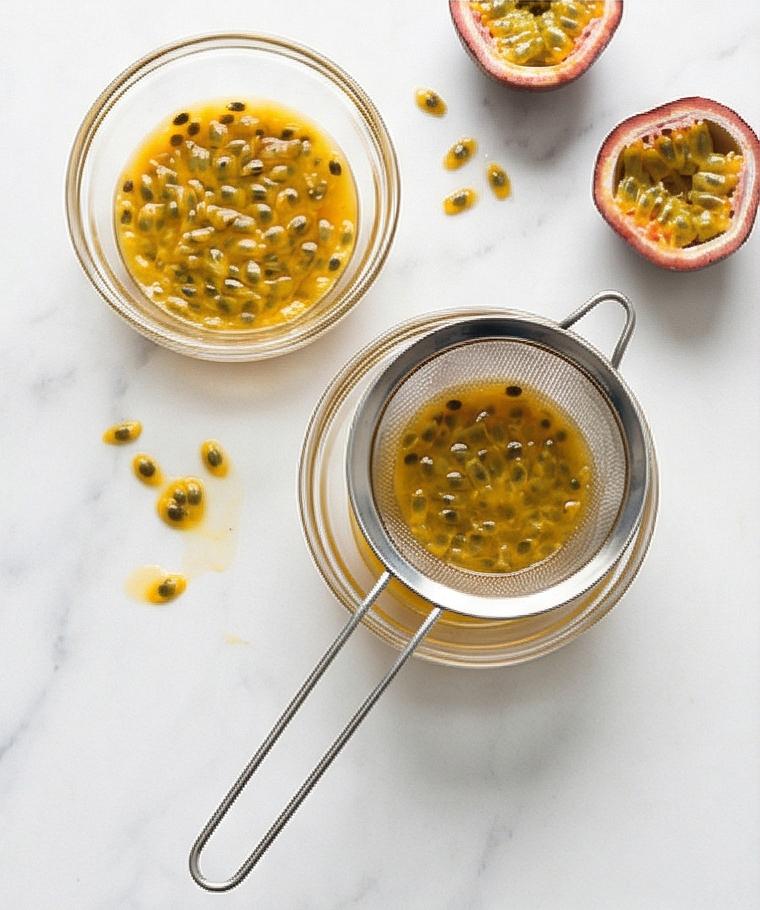
Halve fresh passion fruits and scoop the pulp into a small clear glass bowl, or measure thawed pulp into the same bowl; swirl to homogenize the juice and seeds so the color is an even golden-orange. For a silky mouthfeel press half the pulp through a fine-mesh strainer into a separate bowl, leaving behind most seeds; for a rustic texture keep the seeds and mix them through. The pulp should look glossy, viscous, and jewel-like with bright seed specks if retained – stir until evenly suspended.
Step 4: Combine fruit, lime, and chill until cold
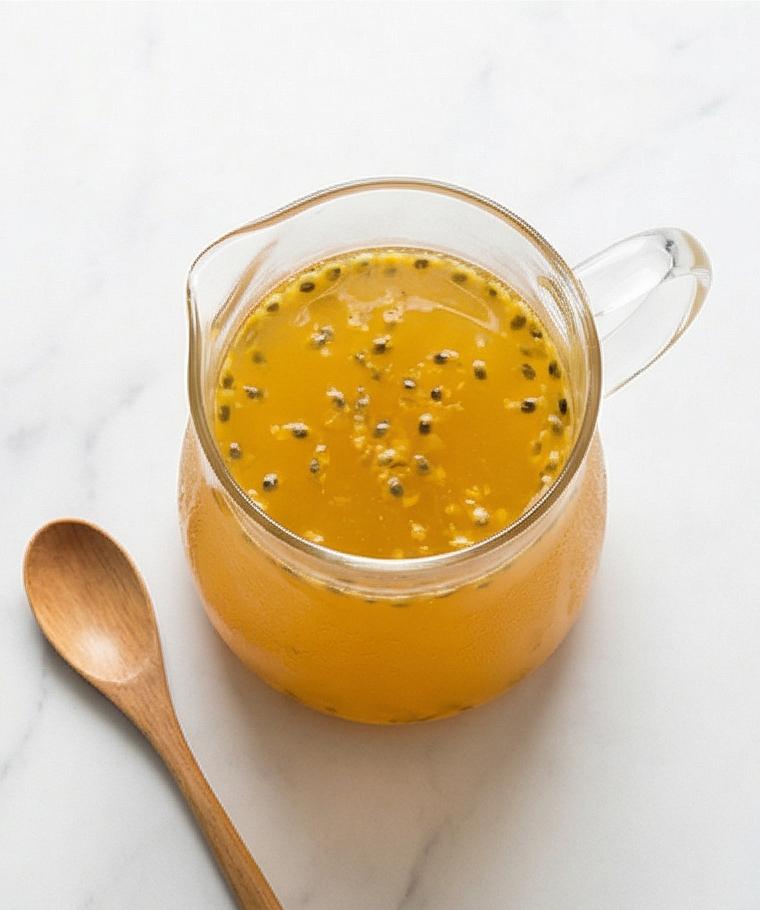
Once the tea is no longer hot, pour the passion fruit pulp and the freshly squeezed lime juice into the glass pitcher and mix thoroughly with the same spoon so the color becomes a uniform golden-yellow; the pulp should be evenly distributed, imparting a slightly thickened, speckled texture. Taste and fine-tune sweetness by adding a teaspoon of sugar at a time if needed, stirring until dissolved. Cover and refrigerate the combined tea until thoroughly chilled and slightly thickened by the fruit, about a couple hours – the pitcher should feel cold and the tea should look bright, settled but stirrable.
Step 5: Assemble over ice and garnish, serve immediately
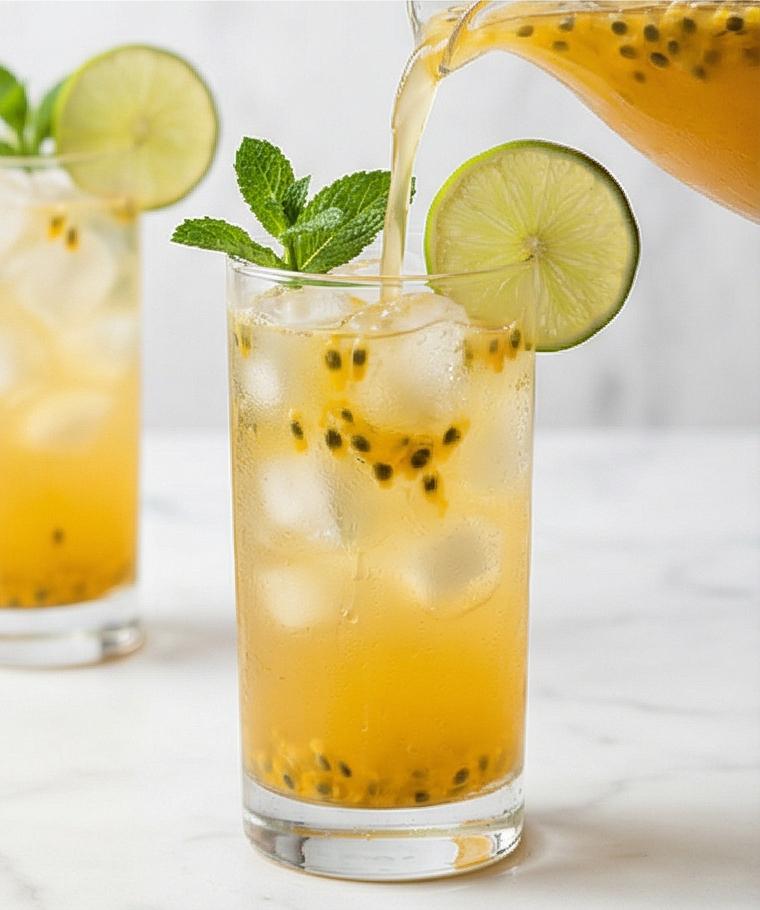
Just before serving, fill tall clear glasses three quarters full with ice cubes and give the chilled pitcher a final stir to lift settled pulp. Pour the passion fruit iced tea over ice, leaving a small gap at the top; the liquid should cascade with visible suspended pulp and tiny seeds if left in, settling around the ice. Garnish each glass with a fresh mint sprig and a thin lime wheel on the rim or floated on the surface for a burst of green and citrus.
Making It Your Own
Try small experiments – I often swap half the sugar for honey and note how it deepens the flavor without hiding the passion fruit. In cooler months, use frozen passion fruit pulp and let it thaw slowly in the fridge so the texture stays silky. For a regional twist, add a splash of ginger syrup for Southeast Asian warmth or a few bruised Thai basil leaves for a fragrant lift. If you want a boozy option, a shot of white rum or cachaça per glass turns it into a tropical cocktail.
For a lower-sugar version, reduce sugar by a third and use riper passion fruit to bring natural sweetness. Each tiny tweak taught me which elements truly define this Passion Fruit Iced Tea Recipe.
How to Serve
If you are hosting, plan for about 1 to 1.5 cups per guest for a long afternoon, and set up a simple self-serve station with glasses, ice, mint, and lime slices. For a dinner party of eight, double the recipe and chill in two pitchers so guests can grab without long waits.
Serve in tall clear glasses to show off the suspended pulp and seeds. Layer a sprig of mint and a lime wheel on the rim for drama, and provide small spoons so guests can fish out seeds or scoop pulp into their bites. For family breakfasts, halve the garnish and keep it casual – the drink is still bright and memorable.
Storage and Reheating Tips
Store the chilled tea in an airtight pitcher or covered jug in the refrigerator for up to 48 hours. The flavor mellows over time, so give it a brisk stir before serving to redistribute the pulp and aromatics.
I do not recommend reheating this drink – the fresh passion fruit brightness is best enjoyed cold. If you want a warm variation, brew a fresh small batch and stir in a spoonful of passion fruit pulp just before serving.
Common Slip-Ups and How to Dodge Them
Oversteeping the black tea makes the drink bitter – keep a close eye and pull the bags or leaves when the color is a clear deep amber. If it tastes flat, a squeeze more lime usually rescues it.
Rushing the cooling step can cloud the tea and leave sugar grains – dissolve sugar while hot, then cool with the cold water. If seeds bother you, strain half the pulp to keep body without grit.
Warm Send-Off
I hope you give this Passion Fruit Iced Tea Recipe a try – it rewards a little patience with a drink that feels both indulgent and effortless. Make a pitcher, tweak it, and share the bright results.
Frequently Asked Questions.
- What type of tea is best for this Passion Fruit Iced Tea Recipe? – A bold black tea like Ceylon or Assam gives the best backbone, but use rooibos for caffeine-free.
- Can I use bottled passion fruit juice instead of fresh pulp? – Yes, but choose a high-quality juice and reduce any added sugar to keep the balance bright.
- How far in advance can I make this tea? – Make and chill up to 48 hours ahead; stir well before serving to lift settled pulp.
- Is there a way to make it less seedy? – Press half the pulp through a fine strainer for a silkier texture while keeping some seeds for character.
- Can I turn this into a cocktail? – Absolutely, add a shot of white rum or cachaça per glass for a tropical cocktail.

Passion Fruit Iced Tea Recipe
Make Passion Fruit Iced Tea Recipe for a bright, refreshing pitcher—easy, fruity, and ready to chill.
Ingredients
Instructions
Step 1: Brew the tea and achieve a deep amber steep
Bring the filtered water to just below a boil and pour it over the black tea in a heatproof glass pitcher so the leaves or bags are fully submerged; let the tea steep until it turns a clear, deep amber and smells robust and malty. Remove the tea bags or strain the leaves so the liquid is clean and free of leaves, leaving a smooth, steaming tea base. Give it a gentle swirl to distribute color and aroma — the surface should be glossy and uniformly amber, not cloudy or bitter.
Step 2: Sweeten and temper the hot tea
While the tea is still hot, add the granulated sugar and stir briskly with the same wooden spoon until the sugar dissolves completely and the liquid regains a clear, unmarred surface — you should see no granules and the tea should look satin-smooth. Stir in the cold filtered water to slightly cool and dilute the concentrate until the pitcher feels just lukewarm; the color lightens to a warm, translucent amber and the liquid takes on a slightly thinner, more pourable viscosity as it moves across the glass.
Step 3: Prepare the passion fruit pulp and options for texture
Halve fresh passion fruits and scoop the pulp into a small clear glass bowl, or measure thawed pulp into the same bowl; swirl to homogenize the juice and seeds so the color is an even golden-orange. For a silky mouthfeel press half the pulp through a fine-mesh strainer into a separate bowl, leaving behind most seeds; for a rustic texture keep the seeds and mix them through. The pulp should look glossy, viscous, and jewel-like with bright seed specks if retained — stir until evenly suspended.
Step 4: Combine fruit, lime, and chill until cold
Once the tea is no longer hot, pour the passion fruit pulp and the freshly squeezed lime juice into the glass pitcher and mix thoroughly with the same spoon so the color becomes a uniform golden-yellow; the pulp should be evenly distributed, imparting a slightly thickened, speckled texture. Taste and fine-tune sweetness by adding a teaspoon of sugar at a time if needed, stirring until dissolved. Cover and refrigerate the combined tea until thoroughly chilled and slightly thickened by the fruit, about a couple hours — the pitcher should feel cold and the tea should look bright, settled but stirrable.
Step 5: Assemble over ice and garnish, serve immediately
Just before serving, fill tall clear glasses three quarters full with ice cubes and give the chilled pitcher a final stir to lift settled pulp. Pour the passion fruit iced tea over ice, leaving a small gap at the top; the liquid should cascade with visible suspended pulp and tiny seeds if left in, settling around the ice. Garnish each glass with a fresh mint sprig and a thin lime wheel on the rim or floated on the surface for a burst of green and citrus.
Notes
- Taste and adjust sugar after chilling - passion fruit sweetness varies
- Strain half the pulp for a smoother drink while keeping some seeds for texture
- Use good-quality black tea for the cleanest, most balanced flavor
- Prepare one hour ahead if short on time, but two hours is ideal for full chill and melding