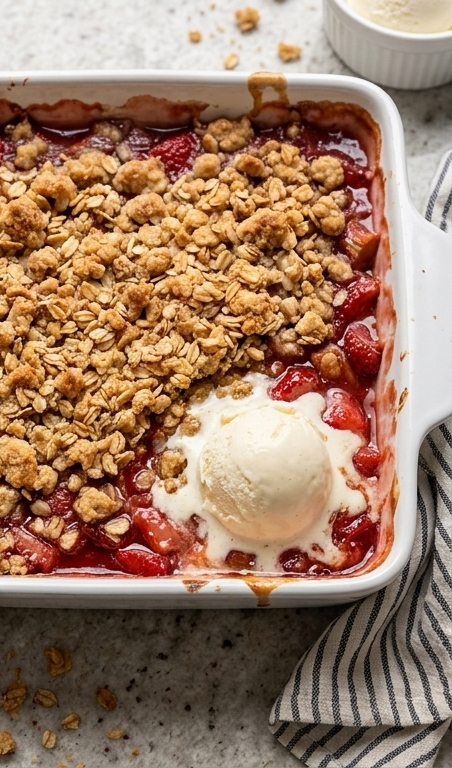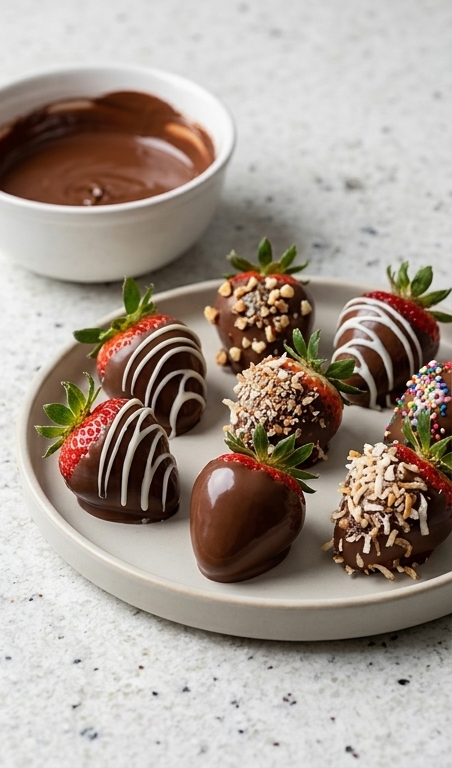
I have a soft spot for weekend breakfasts that feel like dessert, which is probably why the Crème Brûlée French Toast Recipe found its way into my regular rotation. The first time I made this, the crack of the caramelized top and the custardy center felt like a tiny kitchen victory. It’s one of those recipes that rewards patience—simple ingredients, a little waiting, and a dramatic finish. If you love custard and caramel textures, this Crème Brûlée French Toast Recipe is worth carving out a special morning for.
How This Recipe Became My Rainy-Day Favorite
The day I first made this Crème Brûlée French Toast Recipe it was raining hard and the house smelled like warm sugar and butter. I remember pressing the custard into the stale brioche and watching the bread bloom as it soaked up the milk and cream mixture; the kitchen felt cozy and a little indulgent. When the caramelized sugar cracked under the spoon and the steam rose from the custardy interior, I laughed out loud—pure comfort. I brought a platter to the small table by the window, and the flavors felt like a warm hug. That memory stuck, and now whenever the sky looks gray I reach for old bread, eggs and cream to recreate that gentle, celebratory breakfast.
Ingredient Highlights and Tips
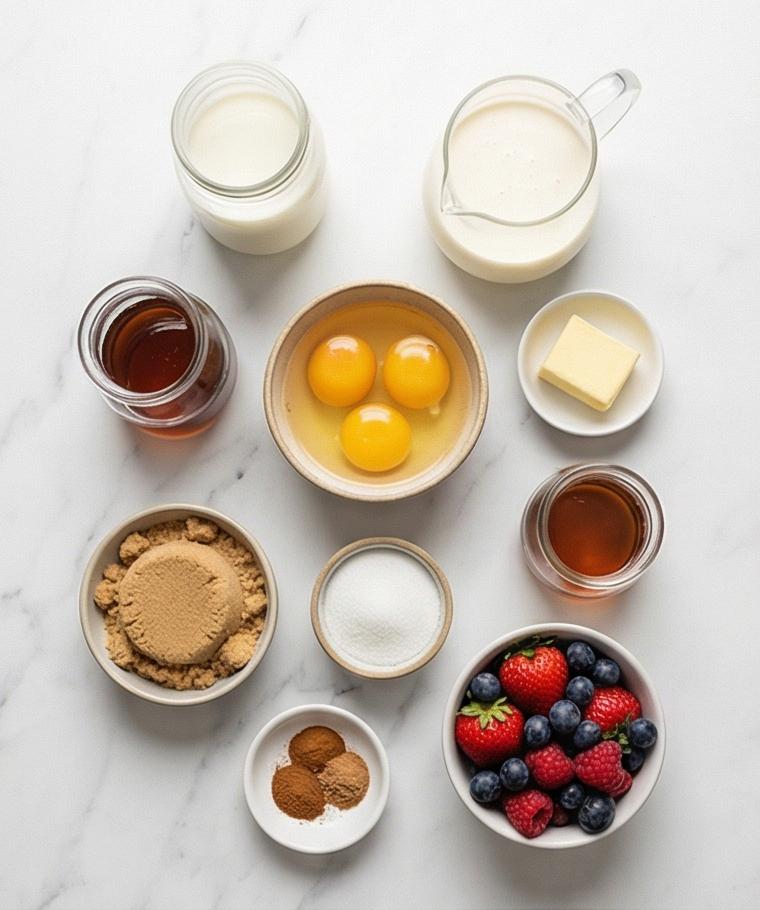
- Unsalted Butter: Gives the caramel a rich mouthfeel and helps the caramel set smoothly; use high-quality butter for a cleaner flavor or margarine in a pinch.
- Packed Light Brown Sugar: Adds molasses notes to the caramel; dark brown sugar gives a deeper flavor if you prefer richer notes.
- Brioche or Challah Bread: The structure and softness are key; stale or day-old slices absorb custard better. Sourdough is a firmer substitute but will change texture.
- Eggs, Whole Milk and Heavy Cream: These make the custard silky and custardy; for a lighter version swap some cream for extra milk.
- Granulated Sugar (for brûlée): Creates the crisp top; superfine sugar melts more evenly, and a mix of white and brown gives a nuanced crust.
Essential Kitchen Tools and Why They Matter
A few simple tools make this Crème Brûlée French Toast Recipe feel effortless. You don’t need a pro kitchen, but some items really help.
- Saucepan: : For making smooth, glossy caramel; a heavy-bottomed pan prevents burning.
- 9 x 13-inch Baking Dish: : Holds the custard-soaked bread in one rectangular slab; if you don’t have one, use a similar shallow pan and adjust portioning.
- Mixing Bowls and Whisk: : For a lump-free custard; a whisk helps incorporate air and dissolve sugars.
- Kitchen Torch or Broiler: : A torch gives controlled caramelization; a hot broiler is a good alternate if you watch closely.
- Sharp Knife: : A straight-down cut prevents shattering the caramelized top; a bench scraper also works for neat slices.
Step-by-Step Preparation Guide
Step 1: Make and pour the caramel
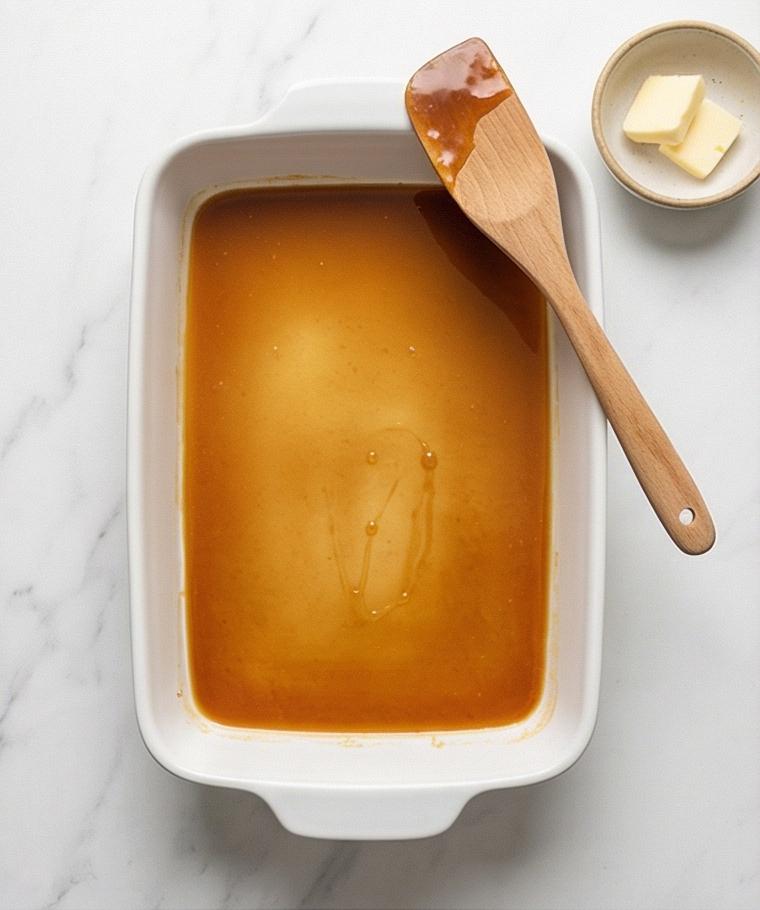
Warm a small amount of butter in a saucepan with packed light brown sugar, a splash of maple syrup (or light corn syrup) and a pinch of sea salt, stirring until the mixture is glossy, velvety and just starting to bubble at the edges. Immediately pour that hot, warm-amber caramel into a lightly buttered rectangular 9 x 13–inch baking dish, tilting the dish so the caramel forms an even, thin glassy blanket across the bottom; rest the dish until the caramel cools slightly and thickens, the surface becoming slightly tacky to the touch. Keep the heatproof spatula that stirred the caramel close by on the rim of the dish for continuity.
Step 2: Arrange the bread and build the custard
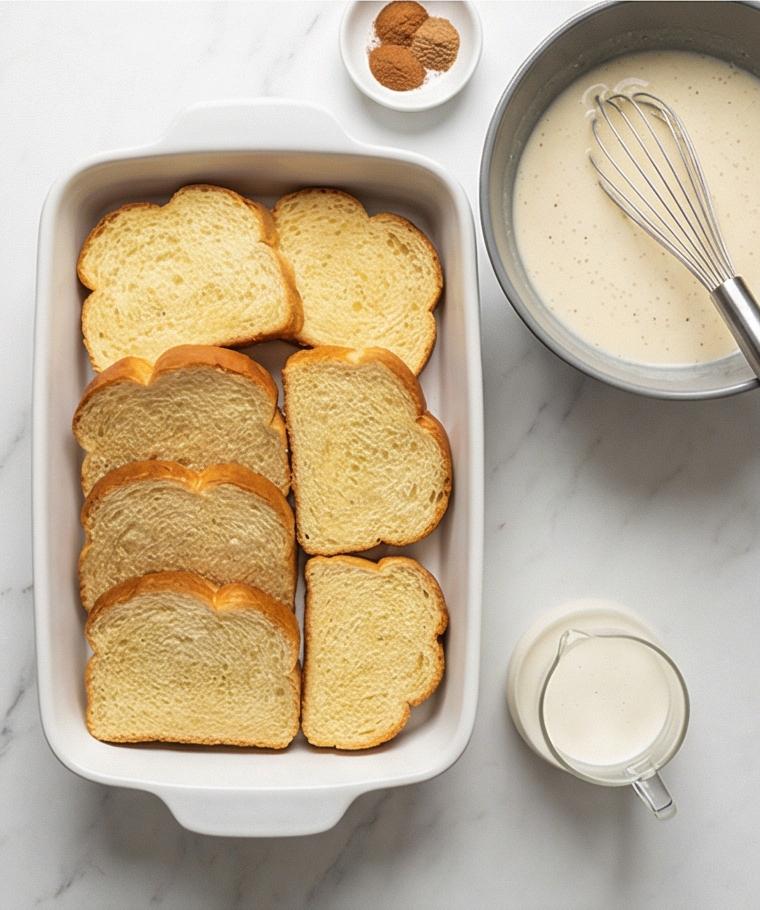
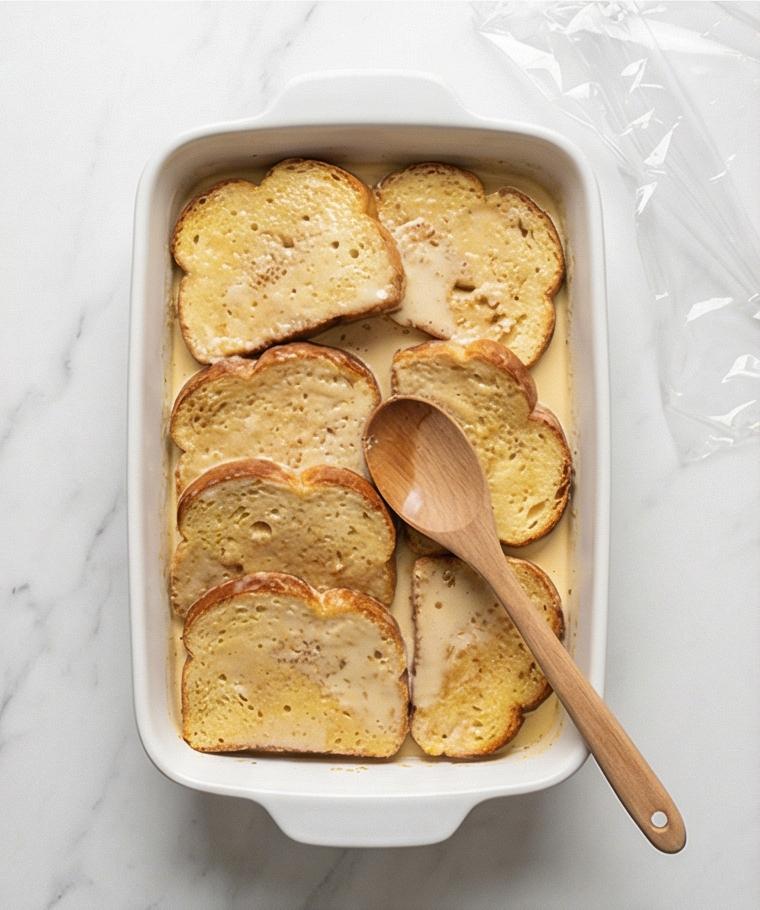
Nestle thick brioche or challah slices in a single, slightly overlapping layer over the cooled caramel, the pillowy golden edges just barely touching so the caramel peeks between seams. In a large mixing bowl whisk together room-temperature eggs, whole milk and heavy cream until the mixture is silky; whisk in granulated and brown sugars, vanilla, cinnamon, nutmeg, salt and the optional orange liqueur or zest until the sugar is mostly dissolved and the custard has a smooth, satiny texture with faint specks of spice. Slowly stream the custard over the arranged bread, making sure every slice becomes saturated; press the slices gently with the back of a spoon so they begin to absorb the liquid, then cover tightly and chill at least 30 minutes and up to overnight so the custard fully blooms into the bread.
Step 3: Rest, preheat and bake until set
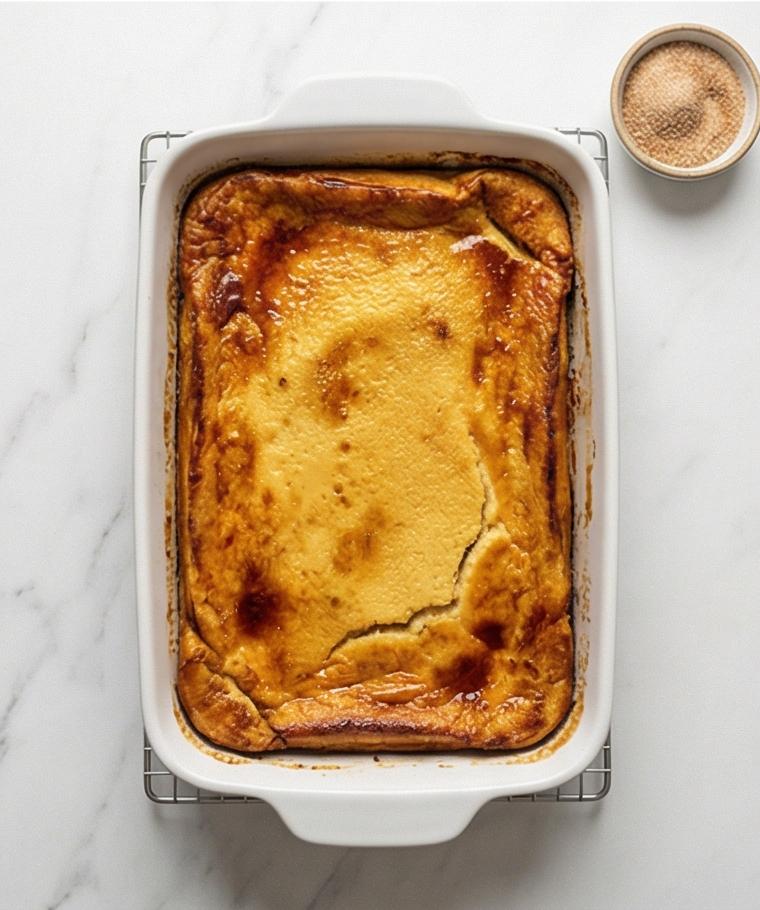
Bring the chilled dish up to room temperature for 20–30 minutes while you preheat the oven to 350°F (175°C) and center a rack. Remove the cover, press the bread down once more so any pooled custard distributes, then slide the uncovered rectangular dish into the oven and bake until the custard is just set and the tops and edges are puffed and a deep golden brown—about 30–40 minutes—tenting loosely with foil only if the top darkens too quickly. When the timing is right, remove the dish and let it rest on a wire rack 10–15 minutes; the surface will finish setting and the caramel on the bottom will loosen slightly as the structure stabilizes.
Step 4: Prepare the brûlée topping and loosen the edges
While the French toast rests, combine the granulated sugar and a touch of packed brown sugar for the brûlée crust, breaking up any clumps so the blend is even and dry. Gently run a thin knife around the edges of the rectangular dish to release any stuck areas; decide whether to serve directly from the dish or to invert the whole rectangular slab onto a matching platter so the caramel side faces up for dramatic presentation. Keep the same baking dish geometry in mind—your final presentation will retain that rectangular silhouette.
Step 5: Caramelize to a glassy, crisp top
Evenly dust the prepared sugar mix across the surface into a thin, continuous layer. Using a kitchen torch at medium flame, sweep small circular motions 1–2 inches above the sugar until it melts, bubbles and turns a deep golden amber, forming a hard, glass-like shell; alternatively, briefly broil from 3–4 inches below a high broiler element, watching closely and rotating for even caramelization. Allow the brûléed surface to cool undisturbed 3–5 minutes until it snaps with a clear, crisp crack when tapped gently.
Step 6: Slice, plate and finish for serving
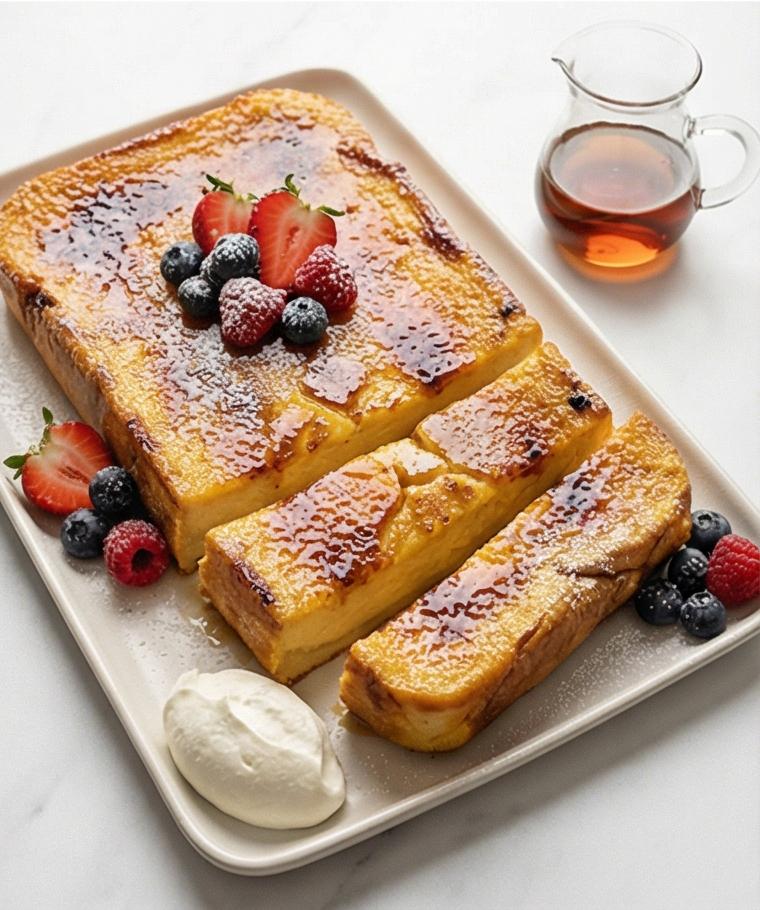
Cut the rectangular French toast into 6–8 even portions with a sharp knife pressed straight down to avoid shattering too much of the caramel top; transfer slices to warmed plates or serve the entire rectangular slab on a rectangular serving platter so the geometric shape is preserved. Garnish each portion with a small cluster of fresh berries, a light dusting of powdered sugar, and a spoonful of lightly sweetened whipped cream; offer a small glass jug of warm maple syrup on the side so it can be drizzled sparingly over individual slices without immediately softening the crisp brûlée. Serve immediately to enjoy the contrast between the crackly, glassy top and the custardy, pillowy interior.
Making It Your Own
I like swapping the orange liqueur for a teaspoon of zest when I want a subtle citrus lift without alcohol. For a dairy-free take, experiment with full-fat coconut milk plus a tablespoon of cornstarch to help set the custard; texture will be slightly different but still lush. During berry season I fold a few halved strawberries between the brioche layers so the fruit steams into the custard.
If you want a lower-sugar option, reduce the custard sugar by a quarter and rely on ripe fruit and a tiny drizzle of maple syrup at the table. Regional variations are fun too: swap cinnamon and nutmeg for cardamom and orange in Nordic-influenced versions.
How to Serve
Picture a brunch where one rectangular slab feeds a small group. For 6 guests, cut into 6 even portions and serve warm on a large platter so guests can help themselves. If you have more people, slice into 8 to 10 thinner pieces and arrange on two platters to make passing easier.
Pair the Crème Brûlée French Toast Recipe with lightly sweetened whipped cream and a small bowl of warm maple syrup so guests can add sweetness to taste. If you’re hosting a sit-down brunch, plate individually with a sprig of mint and a small cluster of berries; for casual gatherings, serve the slab with tongs and let everyone pick their piece.
Storage and Reheating Tips
Store any leftovers in an airtight container in the refrigerator for up to 2 days. Because the brûlée top is fragile, it may soften in the fridge; keep slices separated by wax paper if possible to protect the surface.
To reheat, place slices in a 325°F (160°C) oven for 8–10 minutes until warmed through; use a quick blast from a kitchen torch to revive the crisp top or heat under a hot broiler for 1–2 minutes while watching closely. Avoid microwaving, which makes the texture rubbery.
Common Mistakes and How to Avoid Them
Under-soaking the bread leaves a dry center. Press the slices gently into the custard and allow at least 30 minutes of chilling; overnight yields the best custardy interior.
Burned caramel can happen if the heat is too high. Use medium heat, stir constantly and pour the caramel as soon as it reaches a glossy, bubbling edge to avoid bitterness.
Final Thoughts
Give the Crème Brûlée French Toast Recipe a try next weekend; it turns simple pantry ingredients into a special occasion breakfast. The crackly caramel top and pillowy custard inside feel luxurious, but the method is straightforward. Make it for a celebration or a slow morning and enjoy the applause when the top snaps.
Frequently Asked Questions.
- Q: Can I make this ahead? A: Yes, assemble and chill overnight, then bake the next morning for an easy, showy brunch.
- Q: What bread is best? A: Brioche or challah are ideal for their richness and ability to soak up custard without falling apart.
- Q: Can I skip the torched top? A: You can broil briefly, but a torch gives the most control and that iconic crack.
- Q: How do I keep the top crisp? A: Serve soon after caramelizing and avoid pouring syrup directly on the brûlée surface.
- Q: Is there a dairy-free option? A: Try full-fat coconut milk and a small cornstarch slurry; texture will be slightly different.
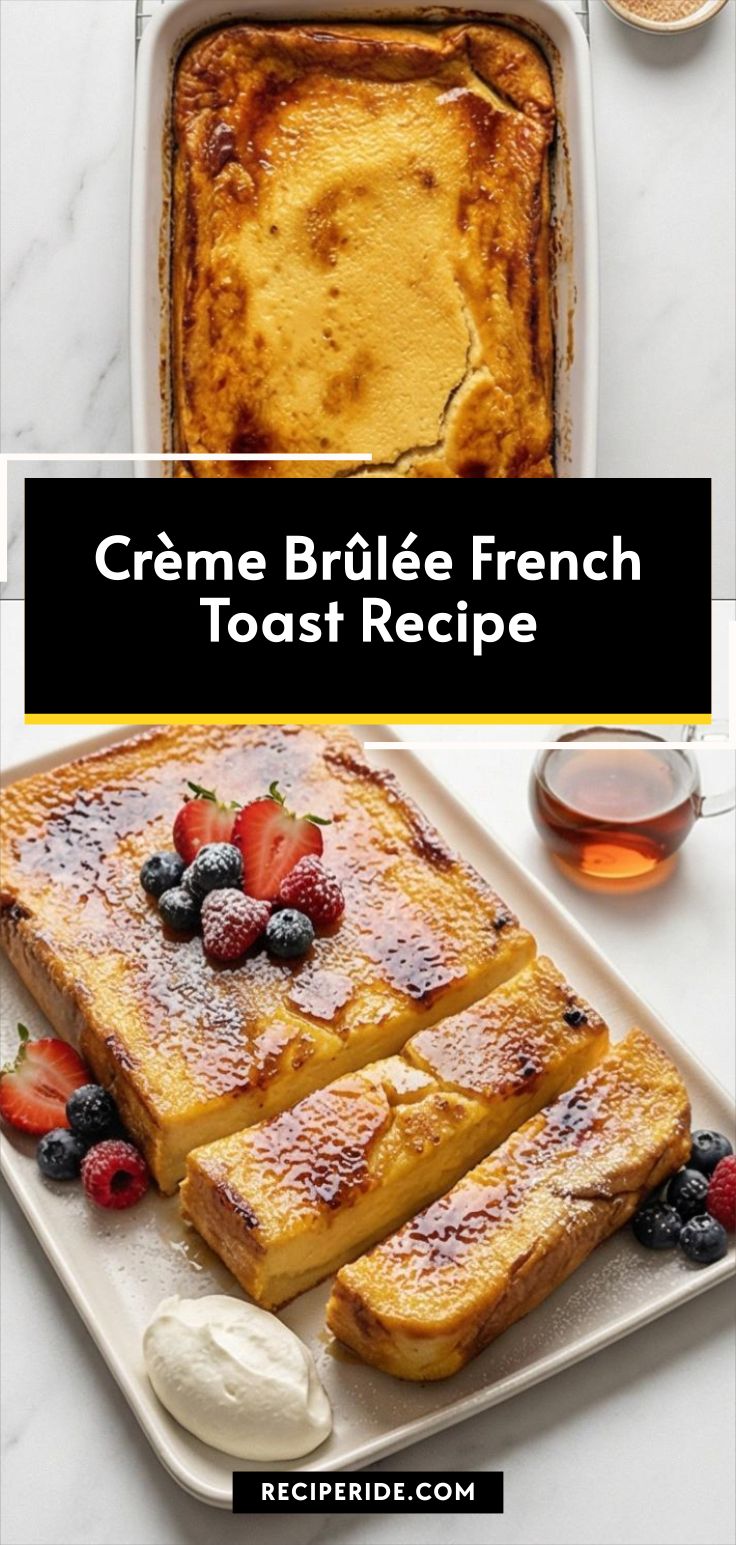
Crème Brûlée French Toast Recipe
Make Crème Brûlée French Toast Recipe: caramelized, custardy brioche perfect for brunch—assemble, chill, bake and torch for a crackly top.
Ingredients
Instructions
Step 1: Make and pour the caramel
Warm a small amount of butter in a saucepan with packed light brown sugar, a splash of maple syrup (or light corn syrup) and a pinch of sea salt, stirring until the mixture is glossy, velvety and just starting to bubble at the edges. Immediately pour that hot, warm-amber caramel into a lightly buttered rectangular 9 x 13–inch baking dish, tilting the dish so the caramel forms an even, thin glassy blanket across the bottom; rest the dish until the caramel cools slightly and thickens, the surface becoming slightly tacky to the touch. Keep the heatproof spatula that stirred the caramel close by on the rim of the dish for continuity.
Step 2: Arrange the bread and build the custard
Nestle thick brioche or challah slices in a single, slightly overlapping layer over the cooled caramel, the pillowy golden edges just barely touching so the caramel peeks between seams. In a large mixing bowl whisk together room-temperature eggs, whole milk and heavy cream until the mixture is silky; whisk in granulated and brown sugars, vanilla, cinnamon, nutmeg, salt and the optional orange liqueur or zest until the sugar is mostly dissolved and the custard has a smooth, satiny texture with faint specks of spice. Slowly stream the custard over the arranged bread, making sure every slice becomes saturated; press the slices gently with the back of a spoon so they begin to absorb the liquid, then cover tightly and chill at least 30 minutes and up to overnight so the custard fully blooms into the bread.
Step 3: Rest, preheat and bake until set
Bring the chilled dish up to room temperature for 20–30 minutes while you preheat the oven to 350°F (175°C) and center a rack. Remove the cover, press the bread down once more so any pooled custard distributes, then slide the uncovered rectangular dish into the oven and bake until the custard is just set and the tops and edges are puffed and a deep golden brown—about 30–40 minutes—tenting loosely with foil only if the top darkens too quickly. When the timing is right, remove the dish and let it rest on a wire rack 10–15 minutes; the surface will finish setting and the caramel on the bottom will loosen slightly as the structure stabilizes.
Step 4: Prepare the brûlée topping and loosen the edges
While the French toast rests, combine the granulated sugar and a touch of packed brown sugar for the brûlée crust, breaking up any clumps so the blend is even and dry. Gently run a thin knife around the edges of the rectangular dish to release any stuck areas; decide whether to serve directly from the dish or to invert the whole rectangular slab onto a matching platter so the caramel side faces up for dramatic presentation. Keep the same baking dish geometry in mind—your final presentation will retain that rectangular silhouette.
Step 5: Caramelize to a glassy, crisp top
Evenly dust the prepared sugar mix across the surface into a thin, continuous layer. Using a kitchen torch at medium flame, sweep small circular motions 1–2 inches above the sugar until it melts, bubbles and turns a deep golden amber, forming a hard, glass-like shell; alternatively, briefly broil from 3–4 inches below a high broiler element, watching closely and rotating for even caramelization. Allow the brûléed surface to cool undisturbed 3–5 minutes until it snaps with a clear, crisp crack when tapped gently.
Step 6: Slice, plate and finish for serving
Cut the rectangular French toast into 6–8 even portions with a sharp knife pressed straight down to avoid shattering too much of the caramel top; transfer slices to warmed plates or serve the entire rectangular slab on a rectangular serving platter so the geometric shape is preserved. Garnish each portion with a small cluster of fresh berries, a light dusting of powdered sugar, and a spoonful of lightly sweetened whipped cream; offer a small glass jug of warm maple syrup on the side so it can be drizzled sparingly over individual slices without immediately softening the crisp brûlée. Serve immediately to enjoy the contrast between the crackly, glassy top and the custardy, pillowy interior.
Notes
- Chill the assembled dish at least 30 minutes or overnight for the best custard texture.
- Use day-old brioche or challah so the slices absorb custard without disintegrating.
- Work quickly when making caramel and pour it into the dish as soon as it starts to bubble.
- Use a kitchen torch for precise brûlée topping; if using the broiler, watch constantly to avoid burning.
- Reheat in the oven at 325°F (160°C) and re-crisp the top with a torch or quick broil.