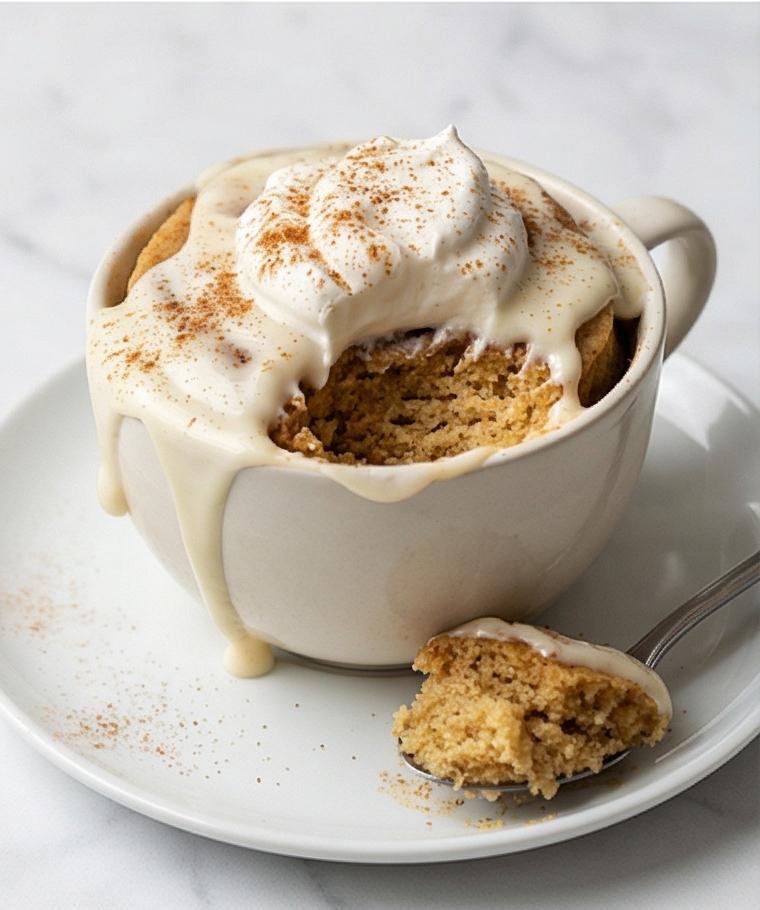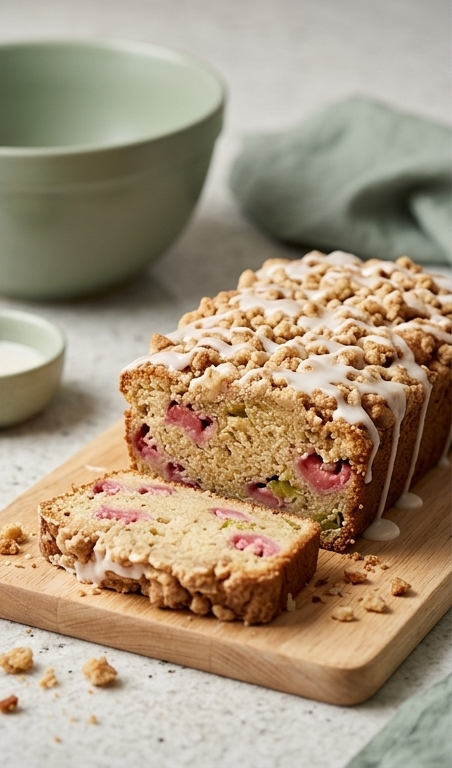
Rhubarb Upside Down Cake has been a go-to for spring gatherings in my kitchen for years, and I still get that warm, excited buzz when the oven timer dings. I love the pop of tart, glossy rhubarb against a tender, lemony crumb; it feels both nostalgic and a little adventurous. This Rhubarb Upside Down Cake is simple enough for a weeknight but pretty enough for guests, and it highlights how a few basic ingredients can become seriously memorable. I often find myself slicing off a piece while it is still warm with a smear of whipped cream on top.
How This Recipe Became My Rainy-Day Favorite
The first time I made this Rhubarb Upside Down Cake I was trying to use a bag of rhubarb that was getting soft, and the kitchen smelled like caramel and lemon within minutes. I remember pressing the pink stalks into the sugar at the bottom of the pan, thinking it looked too simple to turn out well, and then waiting by the oven like a child. When I finally flipped the pan and the glossy fruit revealed itself, I felt equal parts proud and comforted. That first bite was a bright, tart hit tempered by soft cake and sticky caramel, and it immediately became my rainy-day ritual for quiet evenings.
Primary Ingredients and What They Do
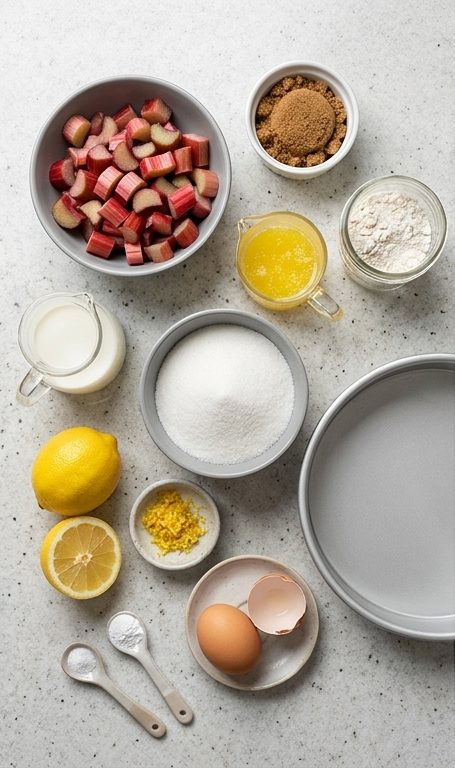
- Rhubarb: The tart showpiece, providing bright acidity and color. Substitute with strawberries for a sweeter twist; choose firm, fresh stalks without blemishes. Trim fibrous ends and chop evenly for uniform cooking.
- All-purpose Flour: Gives structure to the cake while keeping it tender. For a lighter crumb, sift before measuring; you can replace up to 25% with cake flour for a softer texture.
- Butter: Adds richness and helps form the caramel base. Use unsalted to control seasoning; melted butter helps the sugar spread evenly.
- Brown Sugar: Creates the caramel glaze that the rhubarb sits on, giving depth and a slightly molasses flavor. Dark brown adds more warmth.
- Egg and Milk: Egg binds and adds lift, milk keeps the batter moist. For dairy-free, swap milk for a plant-based milk and use a neutral oil for the butter.
Essential Kitchen Tools and Why They Matter
Start with a small intro: a few right tools make the whole process more relaxed and the results more consistent. A sturdy 9 inch round cake pan is essential because it creates the classic upside-down presentation and holds the caramel and rhubarb in place. A good mixing bowl and a whisk or spatula keep the batter light and lump-free. A small bowl for tossing the rhubarb with flour stops the fruit from sinking. Finally, a thin knife and a platter make unmolding clean and dramatic. If you don’t have a 9 inch pan, a similar sized oven-safe dish will work, but baking time may vary. For mixing, a handheld mixer speeds things up, but a vigorous whisk and some elbow grease are perfectly fine.
Step-by-Step Preparation Guide
Step 1: Prepare the rhubarb and the pan
Toss the chopped fresh rhubarb with the tablespoon of all-purpose flour in a small bowl until each piece is lightly dusted , this helps the fruit release juices without sinking into the batter. Pour 1/4 cup of melted butter into a clean 9″ round cake pan, sprinkle and level the brown sugar on top so it forms an even caramel base, then arrange the floured rhubarb pieces into a tidy single layer on the sugar, pressing gently so they sit snugly. Set the prepared pan aside while you make the batter.
Step 2: Make the batter
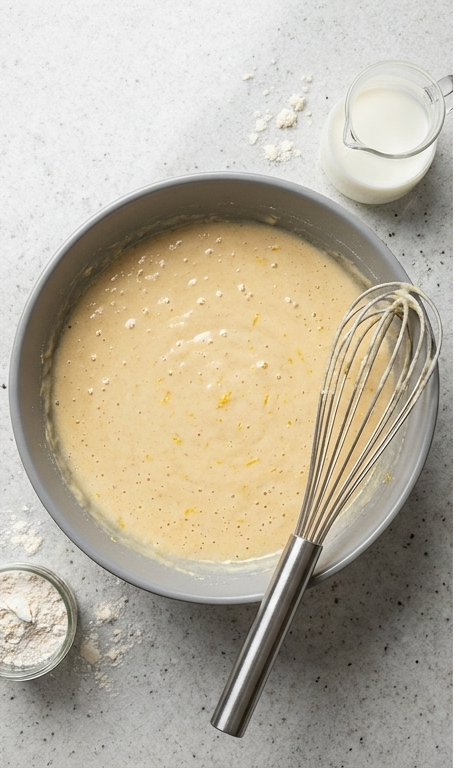
In a modern matte grey ceramic mixing bowl, combine the granulated sugar and 1/4 cup melted butter and stir until glossy and slightly grainy, then beat in the egg and the lemon juice until smooth. In a separate small bowl whisk together the all-purpose flour, baking powder, lemon zest and a pinch of salt until evenly distributed. Add the flour mixture to the butter mixture alternately with the milk, folding gently and stopping as soon as the batter looks homogenous , pale golden, slightly thick but pourable, flecked with lemon zest.
Step 3: Assemble and bake
Carefully spread the finished batter in an even layer over the arranged rhubarb in the prepared round pan so the fruit remains covered but still visible at the edges. Bake in a preheated oven at 350°F until the cake is golden and a toothpick inserted into the center comes out clean, about 32–36 minutes. Remove the pan and let the cake cool in the pan for 15–20 minutes so the caramel can set.
Step 4: Unmold and serve warm
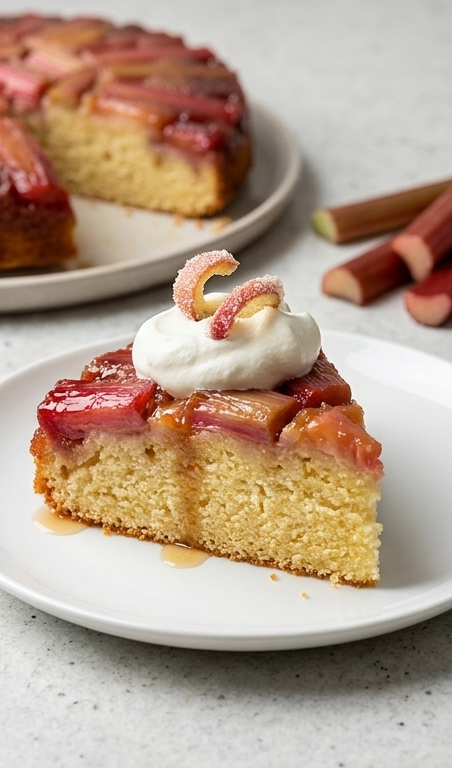
Run a thin knife around the cake’s edge, invert the pan onto a platter and lift to reveal the glossy, caramelized rhubarb top; the cake should be golden with a light, airy crumb beneath the fruit. Serve warm slices on a clean white plate with a generous dollop of whipped cream and an optional sugared rhubarb slice garnish, the warm caramel pooling slightly at the base , perfect with a scoop of ice cream if you like.
Making It Your Own
I like to experiment with small swaps to see how the cake responds. Try using strawberries and rhubarb together when rhubarb is particularly tart; it softens the edge without losing the bright color. For a dairy-free version I once used coconut milk and melted coconut oil, which added a faint tropical note that paired well with the lemon. If you prefer less sweetness, reduce the brown sugar by a tablespoon and add a sprinkle of coarse sugar on top for texture. For a more autumnal twist, swap the lemon zest for orange and add a pinch of ground ginger.
How to Serve
When I host, I treat this Rhubarb Upside Down Cake like a centerpiece. Warm it slightly before serving so the caramel is soft and glossy; slices look beautiful with a dollop of softly whipped cream or a quenelle of vanilla ice cream. For a casual brunch, cut smaller wedges and serve with coffee. For larger gatherings, double the recipe and use two pans, staggering the bake times so fresh cake is ready when guests arrive. If you need to transport it, cool fully, cover gently with foil, and reheat briefly in a low oven at your destination.
Storage and Reheating Tips
Store the cooled cake covered loosely with foil or in an airtight container at room temperature for up to two days. If you need longer storage, refrigerate for up to five days; bring slices to room temperature or gently rewarm before serving so the caramel loosens.
To reheat, place slices in a single layer in a shallow baking dish and warm in a 300°F oven for 8 to 12 minutes, or microwave single slices for 12 to 20 seconds depending on your microwave power. A quick reheat brings back that just-baked feel and keeps the rhubarb glossy.
Common Mistakes and How to Avoid Them
One frequent slip-up is overmixing the batter, which can make the crumb tough. Mix just until the flour disappears and the batter is smooth. Another is using rhubarb pieces that are uneven in size; trim and chop to uniform lengths so everything cooks at the same rate.
If you try to unmold while the cake is too hot, the caramel can run off and make a sticky mess. Let it rest 15 to 20 minutes so the caramel sets slightly, then flip with confidence.
Final Thoughts
Give this Rhubarb Upside Down Cake a try the next time rhubarb is in season. It rewards simple attention and a few good ingredients with a bright, nostalgic dessert that feels both elegant and homey. I hope it becomes a favorite in your kitchen too.
Frequently Asked Questions.
- Can I use frozen rhubarb for Rhubarb Upside Down Cake? Yes, frozen rhubarb will work, but thaw and drain it well first to avoid excess moisture; toss with flour as directed.
- How do I know when the cake is done? The top should be golden and a toothpick inserted in the center should come out clean or with a few moist crumbs, not raw batter.
- Can I make this ahead of time? You can bake this a day ahead, store it tightly wrapped, and rewarm gently before serving for best texture.
- What can I serve with this cake? Whipped cream, vanilla ice cream, or a light mascarpone cream are all lovely, and a thin slice of sugared rhubarb makes a pretty garnish.
- Can I halve or double the recipe? Yes, halve it for a smaller pan or double and bake in two pans; watch the baking time as it may vary slightly.
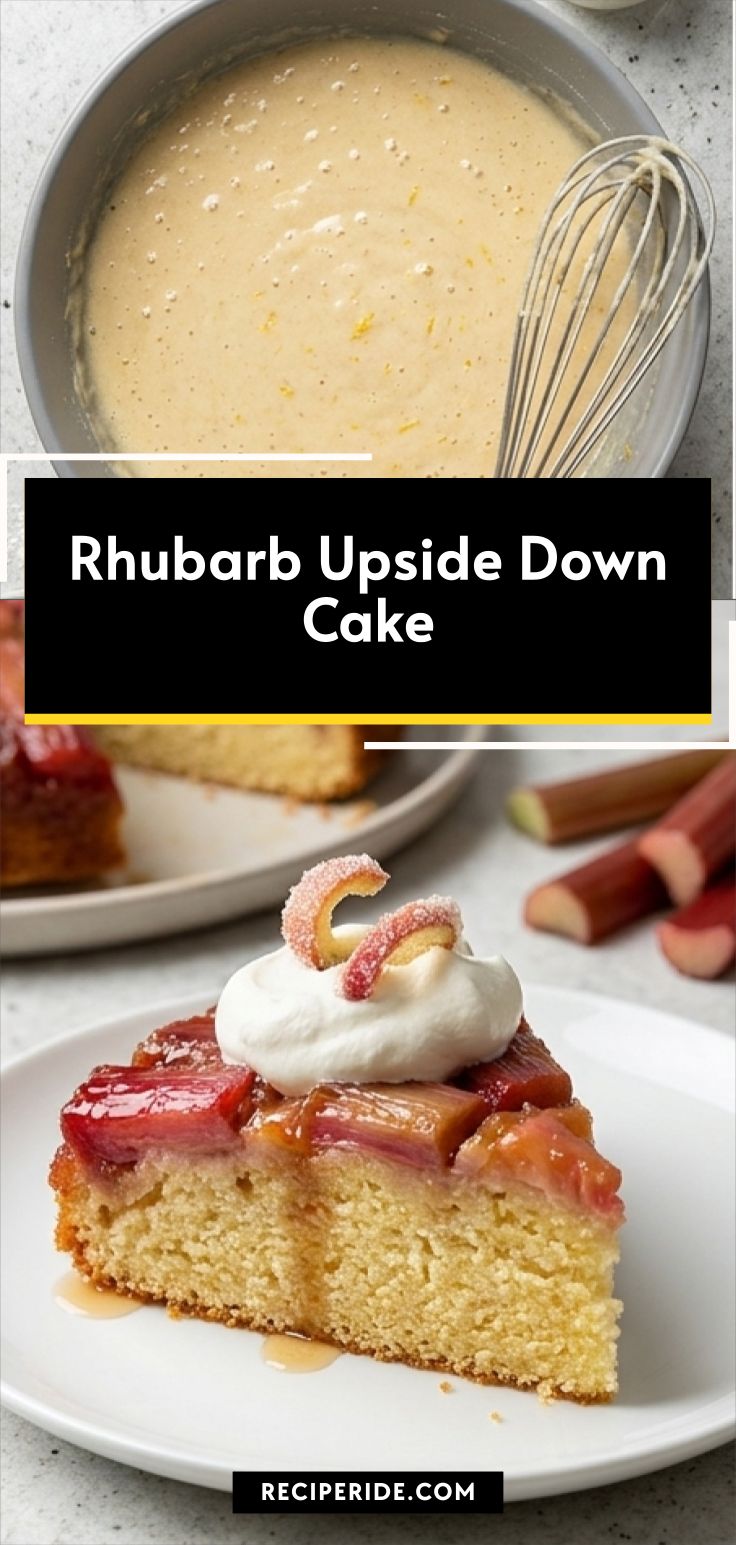
Rhubarb Upside Down Cake
Bake Rhubarb Upside Down Cake with caramelized rhubarb and a tender lemon cake, serve warm and enjoy.
Ingredients
Instructions
Step 1: Prepare the rhubarb and the pan
Toss the chopped fresh rhubarb with the tablespoon of all-purpose flour in a small bowl until each piece is lightly dusted — this helps the fruit release juices without sinking into the batter. Pour 1/4 cup of melted butter into a clean 9" round cake pan, sprinkle and level the brown sugar on top so it forms an even caramel base, then arrange the floured rhubarb pieces into a tidy single layer on the sugar, pressing gently so they sit snugly. Set the prepared pan aside while you make the batter.
Step 2: Make the batter
In a modern matte grey ceramic mixing bowl, combine the granulated sugar and 1/4 cup melted butter and stir until glossy and slightly grainy, then beat in the egg and the lemon juice until smooth. In a separate small bowl whisk together the all-purpose flour, baking powder, lemon zest and a pinch of salt until evenly distributed. Add the flour mixture to the butter mixture alternately with the milk, folding gently and stopping as soon as the batter looks homogenous — pale golden, slightly thick but pourable, flecked with lemon zest.
Step 3: Assemble and bake
Carefully spread the finished batter in an even layer over the arranged rhubarb in the prepared round pan so the fruit remains covered but still visible at the edges. Bake in a preheated oven at 350°F until the cake is golden and a toothpick inserted into the center comes out clean, about 32–36 minutes. Remove the pan and let the cake cool in the pan for 15–20 minutes so the caramel can set.
Step 4: Unmold and serve warm
Run a thin knife around the cake's edge, invert the pan onto a platter and lift to reveal the glossy, caramelized rhubarb top; the cake should be golden with a light, airy crumb beneath the fruit. Serve warm slices on a clean white plate with a generous dollop of whipped cream and an optional sugared rhubarb slice garnish, the warm caramel pooling slightly at the base — perfect with a scoop of ice cream if you like.
Notes
- Toss rhubarb with flour to prevent sinking and control juices.
- Use unsalted butter to manage salt, or adjust to taste.
- For a dairy-free version, swap milk for plant milk and butter for neutral oil.
- Let the cake cool 15-20 minutes before unmolding so the caramel sets.
- Rewarm slices briefly before serving to revive the caramel.