Rhubarb Cake has been one of my favorite ways to celebrate spring and late-summer rhubarb harvests. I first learned this version in a kitchen that smelled of butter and lemon, and it instantly became my go-to when friends came over. The Rhubarb Cake balances tart, pink rhubarb with a tender, buttery crumb and a slightly crisp cinnamon-tossed top. If you love a simple, unfussy dessert that feels like a warm hug, this is the one to try.
How This Recipe Became My Rainy-Day Favorite
I remember the afternoon clearly: rain tapping the windows, a pot of tea on the counter, and a mismatched bowl of bright rhubarb waiting on the cutting board. Baking this Rhubarb Cake felt like patching a drizzly day with something cheerful. The first bite was sensory proof that tart fruit can lift a dense, buttery cake into something lively and almost floral. As it baked, the kitchen filled with a soft cinnamon-and-sugar perfume and the oven released small puffs of steam that smelled faintly lemony. I felt proud handing warm squares to friends, watching their faces register surprise at how the tang of rhubarb cut through the richness. That day the cake became a ritual: simple, dependable, and entirely comforting.
The Ingredients That Make It Sing
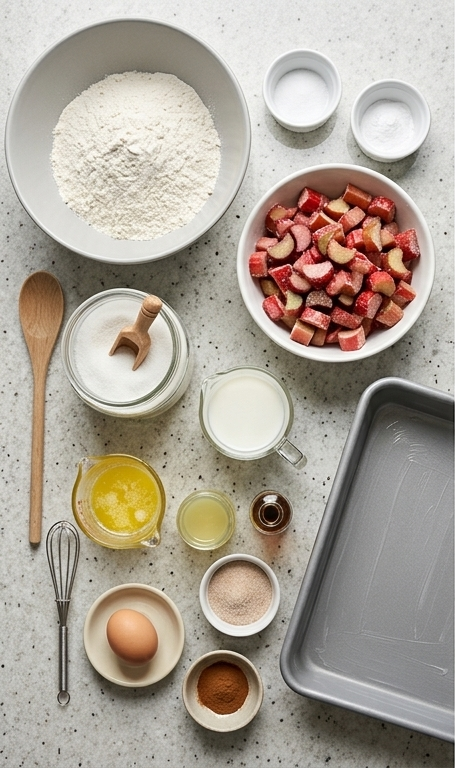
- All-purpose flour: The structural canvas for the cake, giving it body and tender crumb. Substitute half whole wheat for a nuttier flavor but use light touch to avoid a heavy result.
- Salt: Enhances sweetness and rounds flavors. Kosher salt is a safe bet; measure by weight when possible.
- Baking soda: Provides lift and keeps the cake from being dense; make sure it is fresh.
- Granulated sugar: Sweetens and helps the crust caramelize; you can use a bit less for a tangier finish.
- Milk: Adds moisture and softens the crumb; use buttermilk for extra tang.
- Unsalted butter: Melted for richness and a tender texture; brown butter gives depth.
- Lemon juice and vanilla: Brighten and balance the rhubarb’s tartness; fresh lemon is best.
- Egg: Binds and enriches the batter; room temperature helps emulsion.
- Fresh rhubarb: The star—use firm, brightly colored stalks. If out of season, frozen rhubarb works when thawed and drained.
Essential Kitchen Tools
A few reliable tools make this Rhubarb Cake effortless and help you avoid frustration. Start with a 9×13-inch rectangular pan – it gives the cake the right shape and depth. A whisk and a wooden spoon keep mixing simple; the whisk aerates the dry mix while the spoon protects the batter from overworking. Use an offset or rubber spatula to level the batter so the top bakes evenly. For chopping rhubarb, a sturdy chef’s knife and a small cutting board are ideal. If you lack a cooling rack, lay a clean kitchen towel on the counter to let the cake rest; it helps avoid soggy bottoms.
Step-by-Step Preparation Guide
Step 1: Preheat and Prepare the Pan
Preheat the oven to 350°F and grease a 9×13-inch rectangular baking pan thoroughly so the cake releases cleanly after baking. I like to rub a thin layer of butter over the inside and give it a light dusting of flour or lay down a bit of parchment on the long sides; this step sets you up for an intact rectangular shape later on, so take a moment to make the pan ready.
Step 2: Whisk the Dry Mix
In a large matte pale grey ceramic bowl, whisk together the all-purpose flour, salt, and baking soda until evenly distributed and airy. This dry mix is the structural backbone of the cake – taking a few gentle whisks now ensures even rise and a uniform crumb later.
Step 3: Make the Wet Mix
In a separate small glass jug or bowl, combine the granulated sugar, milk, melted unsalted butter, fresh lemon juice, and vanilla extract, stirring until the sugar starts to dissolve and the liquids look glossy. Crack in the large room-temperature egg and whisk just until incorporated; the wet mix should be smooth and homogenous, with a slightly syrupy sheen from the melted butter.
Step 4: Fold Rhubarb into the Dry Mix
Toss the chopped fresh rhubarb into the bowl with the whisked dry ingredients and gently fold so the pieces are evenly coated and distributed. Coating the rhubarb in flour first keeps the pieces suspended in the batter instead of sinking, and you’ll start to notice pink-streaked flour pockets where the rhubarb’s juices begin to cling – that’s a good sign.
Step 5: Combine Wet and Dry into Batter
Pour the wet mixture into the flour-and-rhubarb bowl and stir with a wooden spoon until the batter looks fully combined – moist, thick but pourable, with visible pink/red rhubarb chunks throughout. Avoid overmixing; stop when streaks of flour disappear and the batter sits in a cohesive mass.
Step 6: Transfer to Pan and Add Topping
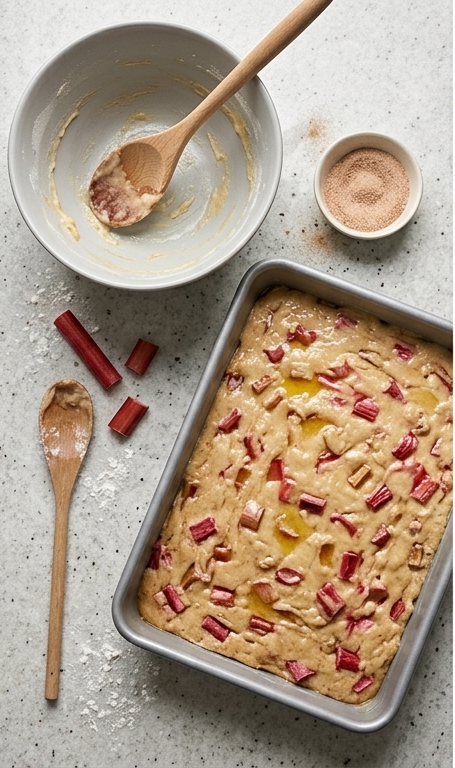
Spoon and scrape the batter into the prepared 9×13-inch rectangular pan, smoothing the top with an offset spatula so the surface is even. In a tiny bowl mix the topping sugar with the cinnamon and sprinkle it uniformly over the batter so the top will caramelize into a slightly crisp, speckled crust as it bakes.
Step 7: Bake Until Set
Bake in the preheated oven for 40–45 minutes, or until a toothpick inserted near the center comes out clean and the top is a warm golden-brown with speckles of caramelized sugar and cinnamon. The cake will puff slightly and the rhubarb bits will show faint pink stains through the surface.
Step 8: Cool Briefly
Remove the rectangular pan to a cooling rack and let the cake cool for a short while until it reaches warm, hand-holdable temperature – cooling stabilizes the crumb and makes it easier to slice into neat rectangular pieces without collapsing.
Step 9: Serve with Vanilla Ice Cream
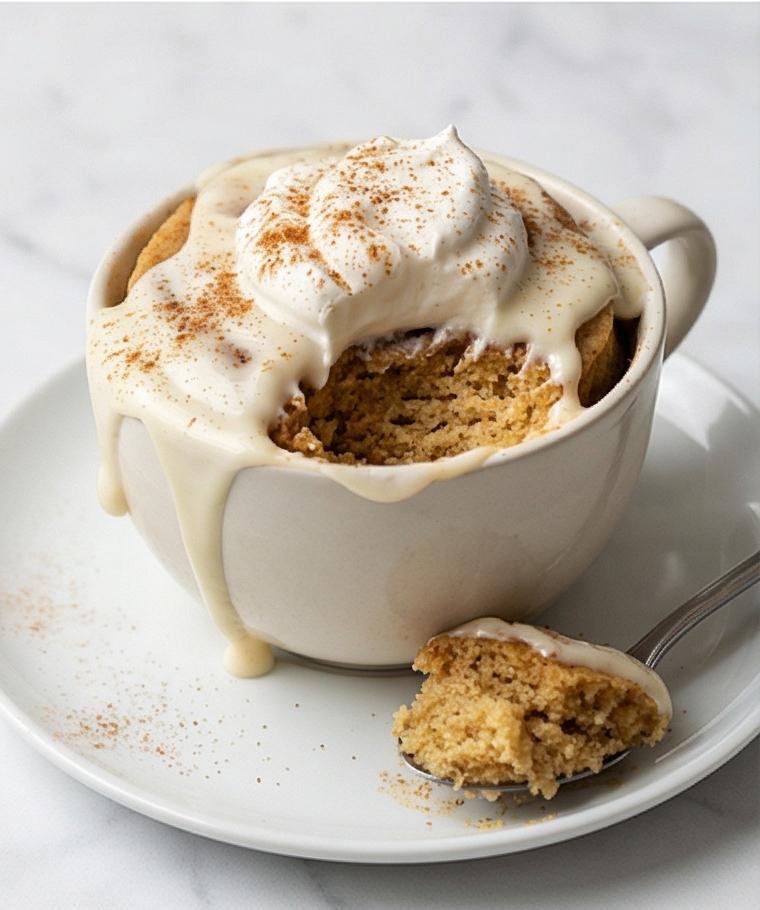
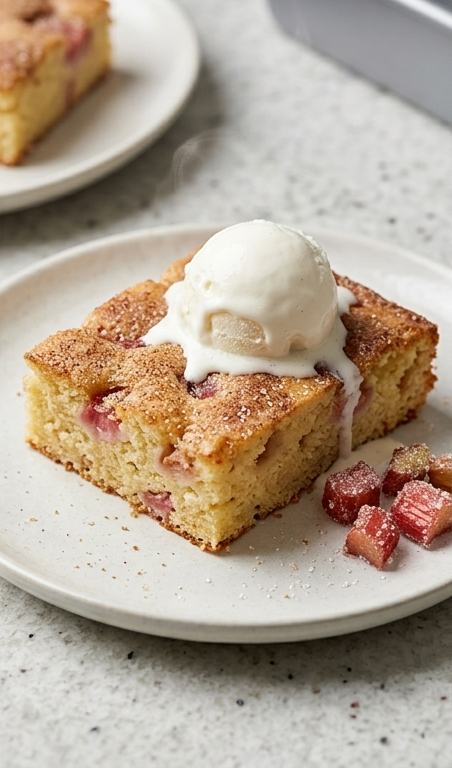
Slice a neat rectangular piece from the pan and plate it as a rectangular bar; serve warm with a generous scoop of glossy vanilla ice cream on top so it melts slowly into the warm crumb. The final bite should combine a lightly crisp, cinnamon-speckled top, a tender buttery cake studded with tangy pink rhubarb, and creamy melting ice cream.
Making It Your Own
I like to swap small elements depending on the season and guests. When I want a deeper flavor, I brown the butter briefly before cooling and folding it into the wet mix; it adds a nutty, caramel note that pairs beautifully with rhubarb. For a dairy-free version, try oat milk and melted coconut oil – the texture shifts slightly but the tartness of the rhubarb still shines.
For texture play, add a handful of chopped almonds or an oat crumble on top for crunch. If you prefer less sugar, reduce the granulated sugar by 1/4 cup and serve with a dusting of powdered sugar and a lemony yogurt on the side. Each small change turns the Rhubarb Cake into a new, personal experiment.
How to Serve
If I’m hosting, I slice the cake into neat rectangular bars and plate each piece with a generous scoop of vanilla ice cream and a spoonful of macerated berries for color. For a larger crowd, cut into smaller squares so guests can sample with tea or coffee. Warm slices are especially appealing; they release aromas and soften the rhubarb into ribbons.
For a brunch twist, serve thin slices with thick Greek yogurt and a drizzle of honey. To make it look festive, sprinkle toasted almond slivers and a few micro herbs on top of each scoop of ice cream. Small paper doilies and simple white plates keep the presentation homey but refined.
Storage and Reheating Tips
Store leftover Rhubarb Cake covered at room temperature for up to two days; the top will soften slightly but the flavor stays bright. For longer storage, wrap tightly and refrigerate up to five days.
To reheat, warm individual slices in a 325°F oven for 8 to 10 minutes, or microwave a single piece for 20 to 30 seconds until warm. If refrigerated, let the cake sit at room temperature for 10 minutes before reheating so it warms evenly.
Common Mistakes and How to Avoid Them
One common slip is overmixing the batter after you add the wet ingredients – that can make the cake tough. Stir gently until the flour streaks disappear and then stop.
Another is using rhubarb that is too watery or old; choose firm, crisp stalks and pat them dry after chopping to prevent a soggy center. Finally, don’t skip preparing the pan well – a little butter and flour or parchment makes slicin and serving far less stressful.
Why You Should Try It
This Rhubarb Cake is a small celebration of tart fruit and humble pantry staples. It rewards minimal effort with comforting results and folds into breakfasts, desserts, and casual gatherings with equal ease. Give it a go this weekend and share a warm square with someone you love.
Frequently Asked Questions.
- Can I use frozen rhubarb in Rhubarb Cake? Yes, you can use frozen rhubarb; thaw and drain it well so excess liquid does not thin the batter.
- How do I prevent the rhubarb from sinking? Tossing the chopped rhubarb with a little flour before folding it into the dry mix helps suspend the pieces in the batter.
- Can I make this Rhubarb Cake ahead of time? Absolutely. Bake a day ahead and store covered at room temperature or refrigerated for longer freshness.
- Is there a gluten-free option? Substitute a 1-to-1 gluten-free flour blend and watch texture; you may need a touch more liquid if the mix is drier.
- What should I serve with the cake? Vanilla ice cream, plain yogurt, or a dollop of whipped cream are classic pairings that balance the rhubarb’s tartness.
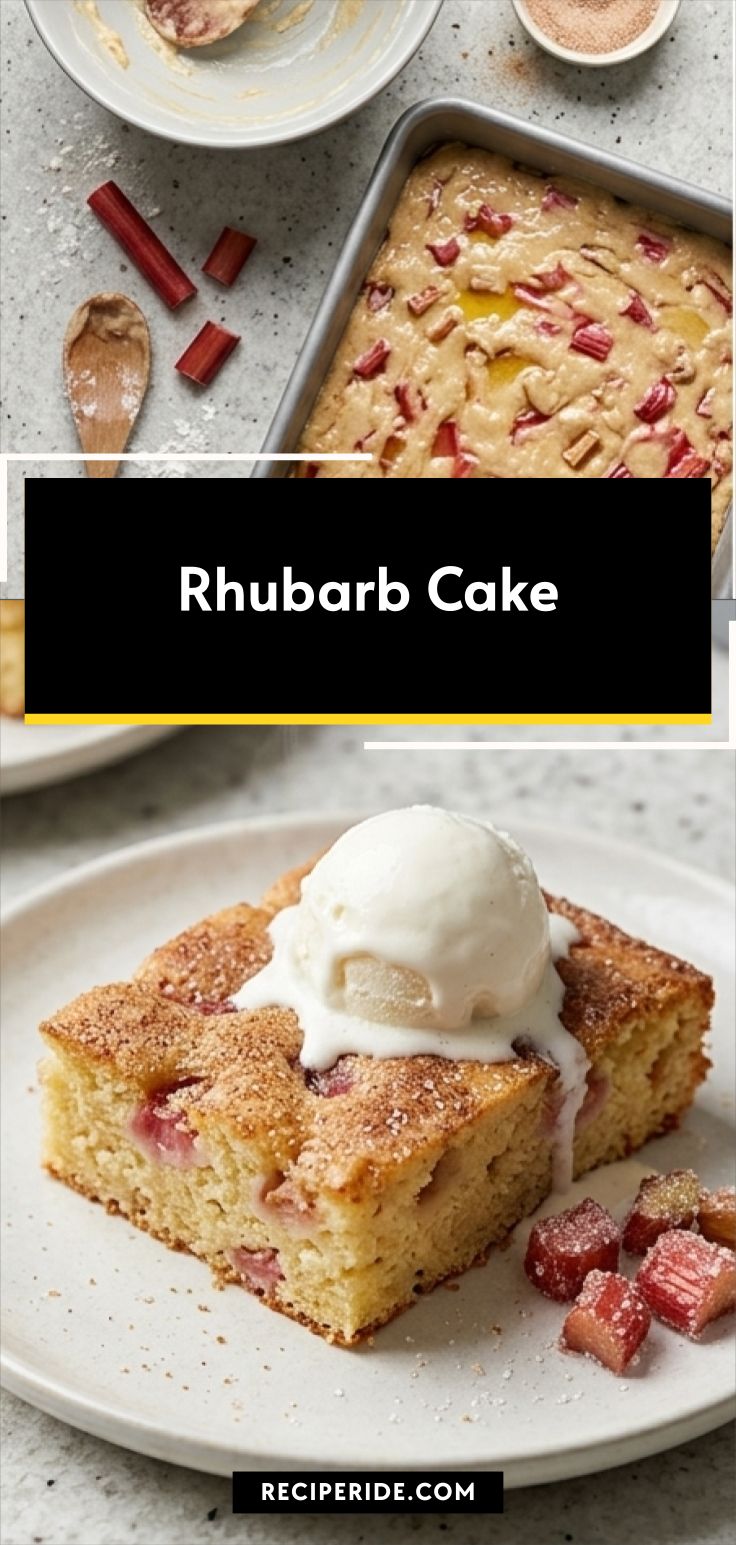
Rhubarb Cake
Bake Rhubarb Cake: tender, tangy 9x13 cake studded with fresh rhubarb for warm, shareable moments.
Ingredients
Instructions
Step 1: Preheat and Prepare the Pan
Preheat the oven to 350°F and grease a 9x13-inch rectangular baking pan thoroughly so the cake releases cleanly after baking. I like to rub a thin layer of butter over the inside and give it a light dusting of flour or lay down a bit of parchment on the long sides; this step sets you up for an intact rectangular shape later on, so take a moment to make the pan ready.
Step 2: Whisk the Dry Mix
In a large matte pale grey ceramic bowl, whisk together the all-purpose flour, salt, and baking soda until evenly distributed and airy. This dry mix is the structural backbone of the cake — taking a few gentle whisks now ensures even rise and a uniform crumb later.
Step 3: Make the Wet Mix
In a separate small glass jug or bowl, combine the granulated sugar, milk, melted unsalted butter, fresh lemon juice, and vanilla extract, stirring until the sugar starts to dissolve and the liquids look glossy. Crack in the large room-temperature egg and whisk just until incorporated; the wet mix should be smooth and homogenous, with a slightly syrupy sheen from the melted butter.
Step 4: Fold Rhubarb into the Dry Mix
Toss the chopped fresh rhubarb into the bowl with the whisked dry ingredients and gently fold so the pieces are evenly coated and distributed. Coating the rhubarb in flour first keeps the pieces suspended in the batter instead of sinking, and you’ll start to notice pink-streaked flour pockets where the rhubarb’s juices begin to cling — that’s a good sign.
Step 5: Combine Wet and Dry into Batter
Pour the wet mixture into the flour-and-rhubarb bowl and stir with a wooden spoon until the batter looks fully combined — moist, thick but pourable, with visible pink/red rhubarb chunks throughout. Avoid overmixing; stop when streaks of flour disappear and the batter sits in a cohesive mass.
Step 6: Transfer to Pan and Add Topping
Spoon and scrape the batter into the prepared 9x13-inch rectangular pan, smoothing the top with an offset spatula so the surface is even. In a tiny bowl mix the topping sugar with the cinnamon and sprinkle it uniformly over the batter so the top will caramelize into a slightly crisp, speckled crust as it bakes.
Step 7: Bake Until Set
Bake in the preheated oven for 40–45 minutes, or until a toothpick inserted near the center comes out clean and the top is a warm golden-brown with speckles of caramelized sugar and cinnamon. The cake will puff slightly and the rhubarb bits will show faint pink stains through the surface.
Step 8: Cool Briefly
Remove the rectangular pan to a cooling rack and let the cake cool for a short while until it reaches warm, hand-holdable temperature — cooling stabilizes the crumb and makes it easier to slice into neat rectangular pieces without collapsing.
Step 9: Serve with Vanilla Ice Cream
Slice a neat rectangular piece from the pan and plate it as a rectangular bar; serve warm with a generous scoop of glossy vanilla ice cream on top so it melts slowly into the warm crumb. The final bite should combine a lightly crisp, cinnamon-speckled top, a tender buttery cake studded with tangy pink rhubarb, and creamy melting ice cream.
Notes
- Use firm, brightly colored rhubarb stalks for the best texture and flavor.
- Toss rhubarb with a bit of flour to keep pieces from sinking in the batter.
- Brown the butter for a deeper, toffee-like flavor variation.
- Reduce sugar by 1/4 cup if you prefer a less sweet cake.
- Warm slices briefly in the oven before serving with ice cream for best aroma and texture.