How to Cook Rice (perfect every time!) is my go-to technique for fluffy, separate grains whenever I want a reliable side dish. I learned this simple method over years of trial and error and it lives in my head like a comforting routine. The steps are short, clear, and forgiving, so once you get the hang of it you’ll always have great rice on the table. I love how a small pan and a little patience turn three pantry staples into something almost meditative.
What makes this method worth trying is how consistently it works: predictable texture, minimal fuss, and room for flavor tweaks. You only need one cup of rice, a bit more water, and a teaspoon of fat to coax the best out of ordinary white rice. Try it once and it will become your reliable weeknight and dinner-party trick.
The Night I Finally Nailed It
The first time I remember making How to Cook Rice (perfect every time!) for friends, it felt like a small victory. We had been cooking all evening and I was nervous about timing; rice can betray you in a crowded kitchen. I rinsed the grains until the water ran clear, felt the cool little stones slip through my fingers, and smiled at the simple ritual. As the pot sat quietly, steam rising beneath the lid, the house filled with a warm, faintly sweet rice scent that somehow made everything feel cozier. When I lifted the lid and fluffed the grains, the texture was exactly what I wanted: light, slightly translucent, and separate. My friends noticed the difference and asked for the recipe, which felt surprisingly proud. From that night on, this rice became the side dish I brought to potlucks and lazy dinners alike.
Key Ingredients and How They Work
This recipe succeeds because each simple ingredient has a clear role and a few easy swaps. Choosing the right rice and clean water sets the foundation, while a little fat helps keep the grains distinct and adds silkiness. If you need substitutions, small changes can still deliver great results, but pay attention to ratios and cooking times.
- 1 cup white rice: The base; use long-grain for fluffy, separate grains. Substitute with jasmine for aroma or medium-grain for stickier texture; if you switch rice types, adjust water and cook time.
- 1 ½ cups water: Hydrates and cooks the rice; filtered water is ideal for a clean flavor. Use slightly less for firmer rice or a touch more for softer rice.
- 1 teaspoon butter or olive oil: Adds silk and prevents clumping. Use a neutral oil or a tiny knob of butter for extra flavor.
Essential Kitchen Tools and Why They Matter
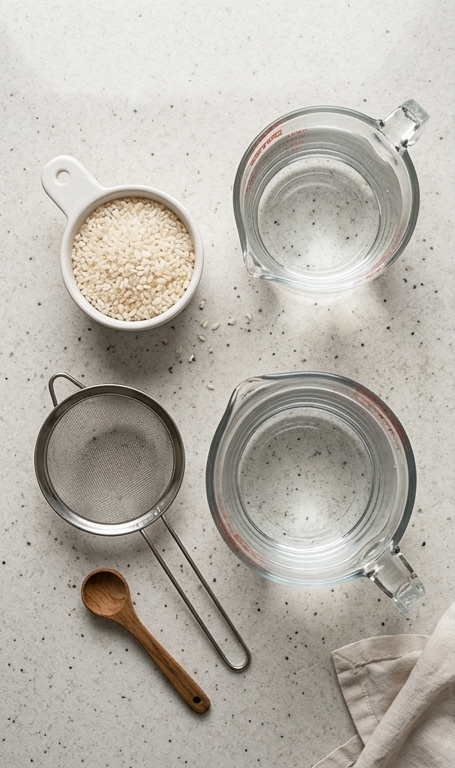
A few basic tools make this recipe foolproof. They help you control water, heat, and timing, which are all more important than fancy gadgets. If you don’t have a specific item, there are sensible alternatives that still get great results.
- Small to medium saucepan with a tight-fitting lid: Keeps steam contained so the rice cooks evenly. If you don’t have a lid that fits, cover tightly with foil.
- Fine mesh strainer: Lets you rinse rice quickly and remove excess starch. A colander works in a pinch, but a fine strainer is best.
- Measuring cups and spoon: Accurate ratios matter; use a proper measuring cup rather than guessing.
- Fork or spatula: For gentle fluffing. Avoid vigorous stirring which can smash grains.
Step-by-Step Preparation Guide
Step 1: Rinse and Drain the Rice
Place the white rice into a fine mesh strainer and rinse thoroughly under cool, running water until the rinse runs clear; this removes excess surface starch so the grains will cook separate and pillowy. Shake the strainer gently to remove excess water, then let the rice sit briefly to finish draining before moving on.
Step 2: Bring Water and Fat to a Boil, Add the Rice
Pour 1 ½ cups of filtered water into a medium saucepan and add the teaspoon of butter or a splash of olive oil for a touch of silk and separation. Bring the water to a rolling boil over medium-high heat; as soon as it reaches a boil, stir the drained rice into the bubbling water so the grains are fully submerged, immediately cover the pot with its lid, and reduce the heat to the lowest setting so the pot goes into a gentle, barely-there simmer.
Step 3: Cook Covered, Then Let It Rest
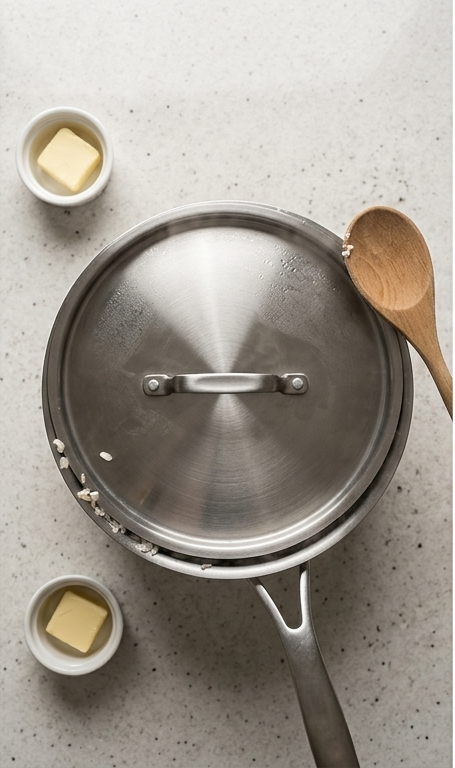
Leave the covered pot untouched for 15 minutes—no peeking—to allow the steam to evenly cook the rice. The pot should sit at an extremely low simmer so the grains absorb the water slowly and remain distinct. After 15 minutes on the heat, remove the pot from the heat source and leave the lid closed for an additional 10 minutes so the steam finishes the gentle carryover cooking.
Step 4: Fluff and Serve
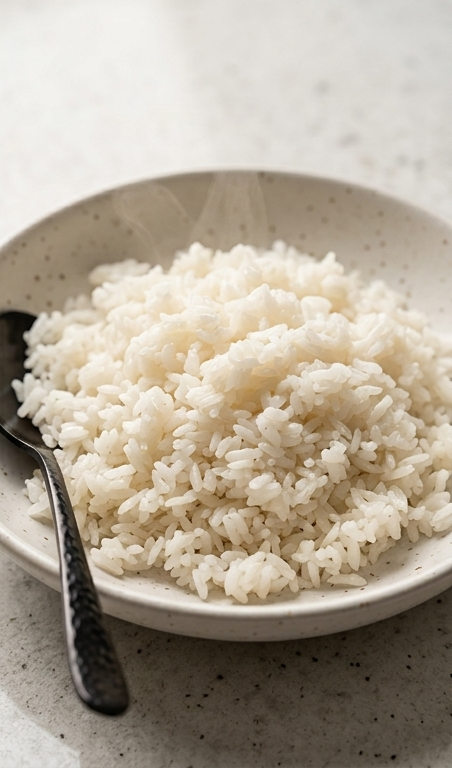
After the rest, lift the lid and use a fork, spoon, or spatula to delicately fluff the rice into airy, separated grains, releasing a soft, warm steam. Transfer or heap the rice into a shallow, round serving bowl and present immediately so the pillowy, slightly translucent grains with a subtle sheen show at their best.
Making It Your Own
I like to experiment with little variations of How to Cook Rice (perfect every time!) depending on the season or the main dish. For a herby twist, add a bay leaf or a sprig of thyme to the boiling water; remove it before fluffing. For a richer, nuttier profile, cook the rice in a mix of half water and half low-sodium chicken stock. If you want a subtle citrus note for seafood, simmer the rice with a strip of lemon zest and a small pinch of salt.
For a quick, dairy-free change, swap the butter for a neutral oil and finish with a drizzle of toasted sesame oil for Asian-inspired dishes. These small experiments keep the same reliable technique while stretching the recipe across different cuisines.
How to Serve
When I’m hosting, I portion the rice into a warm serving bowl so guests can help themselves. For two people, one cup of uncooked rice is usually perfect; scale up by adding an extra cup of rice and 1 1/2 cups of water for each additional cup of rice. For large gatherings, bake the cooked rice briefly in a low oven to keep it warm without drying it out.
Pair the rice with saucy mains to let it soak up flavors, or serve it under grilled vegetables and proteins for a composed plate. Garnish with chopped herbs, a sprinkle of toasted seeds, or a quick squeeze of citrus to brighten the dish just before serving.
Storage and Reheating Tips
Cool cooked rice quickly by spreading it in a shallow container and refrigerate within an hour to reduce food-safety risks. Stored in an airtight container, it keeps well for up to 4 days in the fridge.
To reheat, sprinkle a few drops of water over the rice, cover, and microwave until steaming, or reheat in a skillet with a splash of water over low heat, covered, until warmed through. For a quick refresh, fluff with a fork and add a small pat of butter or a drizzle of oil.
Common Mistakes and How to Avoid Them
Peeking while the rice cooks is the most common habit that backfires; lift the lid only after the resting time. Too much stirring or opening the pot lets steam escape and changes the texture.
Another frequent error is wrong rice-to-water ratios when switching rice types. Always check the package for guidance, and when in doubt, err on the side of a bit less water; you can always add a splash while cooking if needed.
Final Thoughts
If you give How to Cook Rice (perfect every time!) a try, be patient during the quiet cooking and resting stages. The payoff is consistently fluffy, separate rice that complements many meals. I hope this method becomes a small, dependable ritual in your kitchen as it has in mine.
Frequently Asked Questions.
- How long should I rinse the rice and why? Rinse until the water runs clear, usually 30 to 60 seconds; this removes surface starch so the grains stay separate.
- Can I use a different rice-to-water ratio? You can, but adjust slowly; long-grain white usually takes 1 cup rice to 1 1/2 cups water. Shorter or stickier types need different ratios.
- Do I have to add butter or oil? No, but a teaspoon helps prevent clumping and adds a touch of silk; omit for fully dairy-free cooking or use oil.
- What if my rice is still crunchy after cooking and resting? Return the pot to low heat with the lid on for a few minutes and check again, or add a tablespoon of hot water and let it steam a little longer.
- Can I cook larger quantities using this method? Yes, scale by adding 1 1/2 cups water per extra cup of rice and use a larger pot with an equally tight lid.
How to Cook Rice (perfect every time!)
Master How to Cook Rice (perfect every time!) with simple steps for fluffy, separate grains.
Ingredients
Instructions
Step 1: Rinse and Drain the Rice
Place the white rice into a fine mesh strainer and rinse thoroughly under cool, running water until the rinse runs clear; this removes excess surface starch so the grains will cook separate and pillowy. Shake the strainer gently to remove excess water, then let the rice sit briefly to finish draining before moving on.
Step 2: Bring Water and Fat to a Boil, Add the Rice
Pour 1 ½ cups of filtered water into a medium saucepan and add the teaspoon of butter or a splash of olive oil for a touch of silk and separation. Bring the water to a rolling boil over medium-high heat; as soon as it reaches a boil, stir the drained rice into the bubbling water so the grains are fully submerged, immediately cover the pot with its lid, and reduce the heat to the lowest setting so the pot goes into a gentle, barely-there simmer.
Step 3: Cook Covered, Then Let It Rest
Leave the covered pot untouched for 15 minutes—no peeking—to allow the steam to evenly cook the rice. The pot should sit at an extremely low simmer so the grains absorb the water slowly and remain distinct. After 15 minutes on the heat, remove the pot from the heat source and leave the lid closed for an additional 10 minutes so the steam finishes the gentle carryover cooking.
Step 4: Fluff and Serve
After the rest, lift the lid and use a fork, spoon, or spatula to delicately fluff the rice into airy, separated grains, releasing a soft, warm steam. Transfer or heap the rice into a shallow, round serving bowl and present immediately so the pillowy, slightly translucent grains with a subtle sheen show at their best.
Notes
- Rinse rice until water runs clear to remove excess starch.
- Use a tight-fitting lid for even steaming and consistent texture.
- Store cooled rice in an airtight container and reheat with a splash of water.
- Adjust water slightly for different rice varieties and personal texture preference.