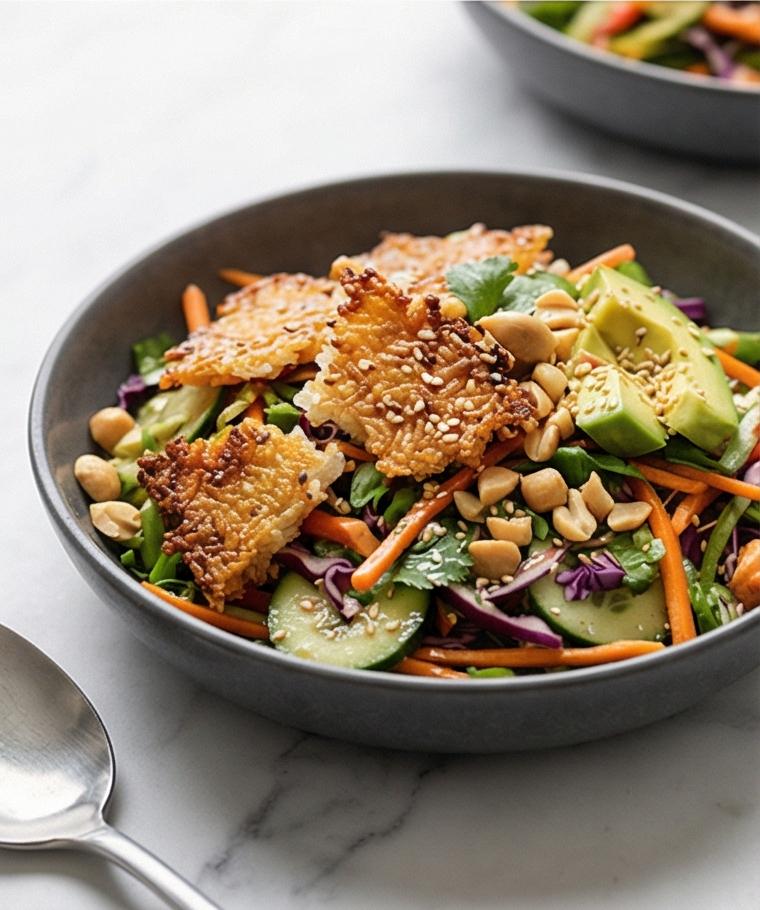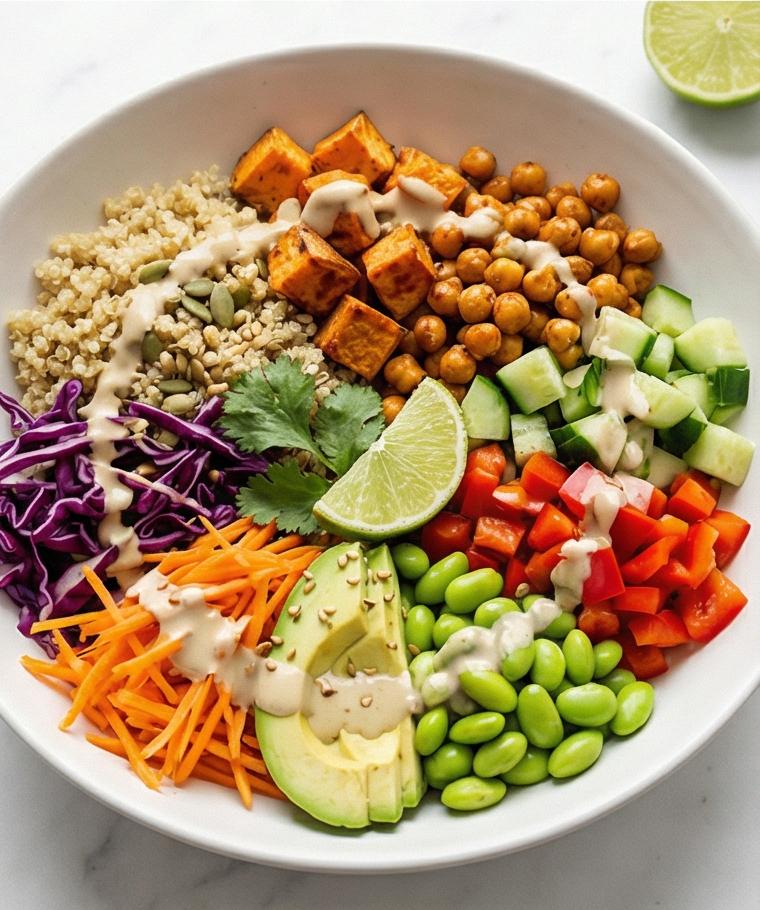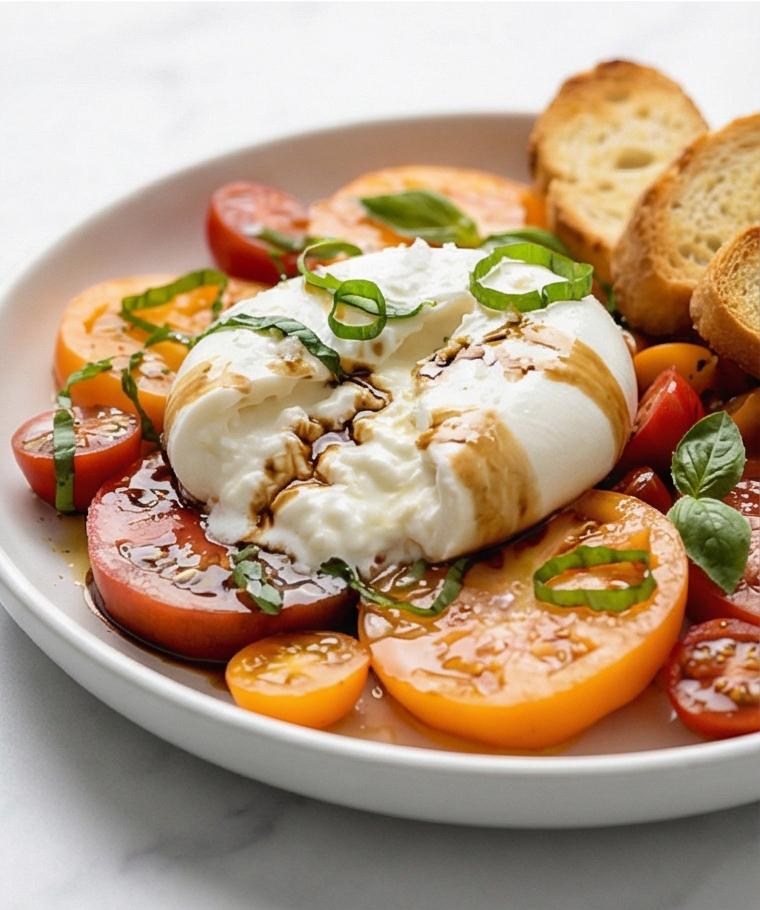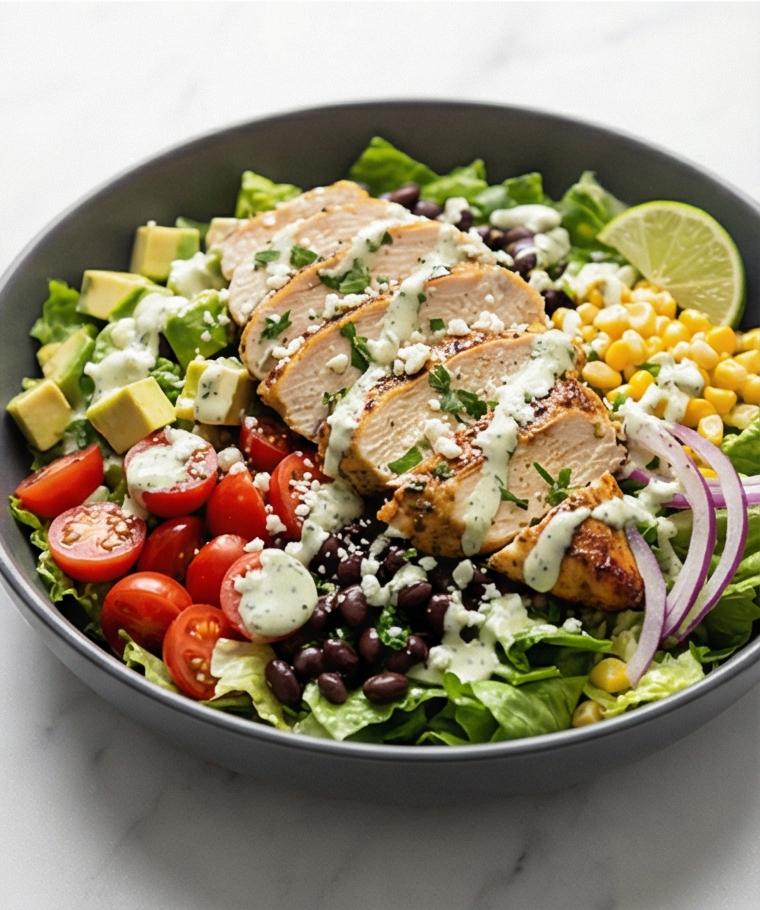
I keep a jar of this Mediterranean Chickpea Salad Recipe in heavy rotation for weeknight dinners and lazy weekend lunches. It hangs together with bright lemon, salty feta, and those plump chickpeas that feel like a gentle butting at the door of flavor town. Over the years I have tuned the vinaigrette and timing until the salad feels balanced every time. If you like quick, honest food with a Mediterranean spirit, this Mediterranean Chickpea Salad Recipe is a must-have in your repertoire.
How This Salad Became My Summer Go-To
I first made this Mediterranean Chickpea Salad Recipe on a sticky June evening when friends were dropping by with unexpected appetites and a couple of bottles of rosé. I remember the citrusy scent of lemon brightening the kitchen as I chopped tomatoes and bell pepper while music drifted in from the porch. There was a small moment of panic when I saw we were missing a side, so I opened two cans of chickpeas, dried them well, and let the dressing do its work. The textures were what sold me: the chickpeas were tender but firm, the cucumber snapped under the fork, and the feta crumbled into little salty clouds. We ate from a wide bowl and kept going back for more, the simple flavors improving after each ten-minute rest. That evening stuck with me, and since then this salad has become my easy, confident answer for everything from potlucks to solo lunches.
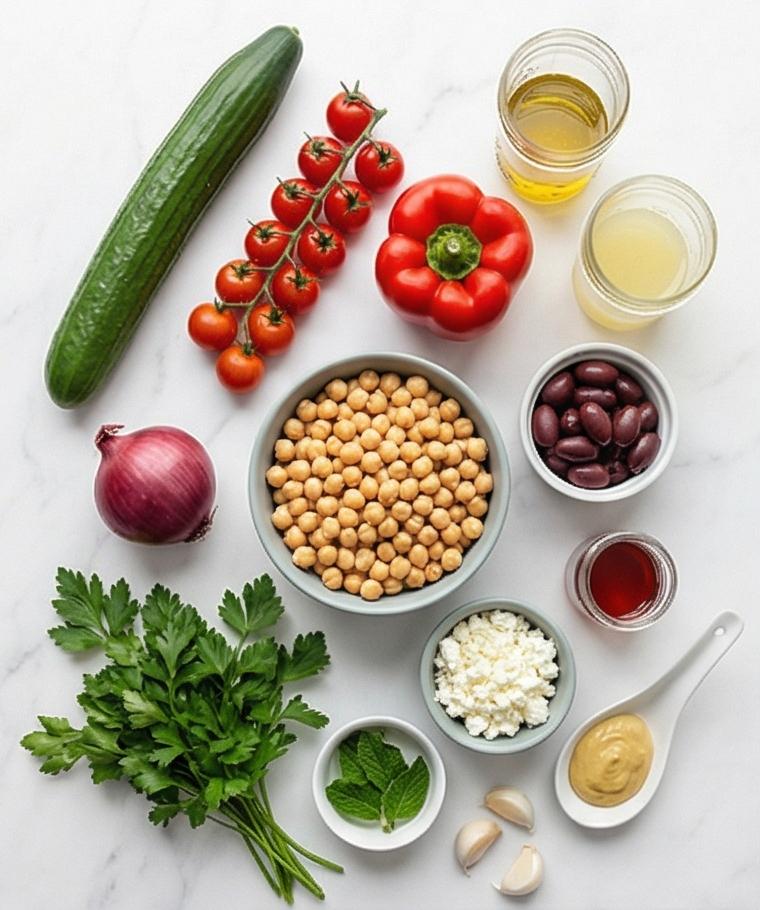
Main Ingredients and What They Do
- Chickpeas: The base and protein, they add a creamy, nutty chew. Substitute cooked white beans or cannellini for a softer bite. Choose firm, intact beans and dry them thoroughly.
- Cucumber: Brings cooling crunch. Seeded English cucumbers hold up well; substitute Persian cucumber if available.
- Tomatoes: Provide acidity and juiciness; grape or cherry tomatoes work best for concentrated flavor.
- Red bell pepper: Sweet crunch and color; orange pepper can be swapped for a softer sweetness.
- Red onion: Sharpness and bite; soak briefly in cold water if you want milder onion.
- Kalamata olives: Salty, briny notes; use green olives for a different tang.
- Feta: Salty creaminess to finish; goat cheese is a good substitute for a tangier touch.
- Herbs, olive oil, lemon, garlic, oregano: The dressing elements that lift everything; use high-quality extra-virgin olive oil for best results.
Essential Kitchen Tools and Why They Matter
A few simple tools make this Mediterranean Chickpea Salad Recipe effortless and keep textures clean. A sturdy colander is key to rinse and drain canned chickpeas well, and clean kitchen towels or paper towels help remove surface moisture so the vinaigrette clings rather than pools. A sharp chef’s knife and a stable cutting board speed up prep and keep dice even. A glass jar with lid or a small whisk and bowl will emulsify the dressing quickly and neatly. Finally, a wide mixing bowl lets you fold the salad without crushing the ingredients, and airtight containers protect leftovers.
- Colander: For rinsing and draining chickpeas; use a fine-mesh sieve for smaller cans.
- Kitchen towels or paper towels: To dry chickpeas thoroughly; blot gently.
- Chef’s knife and cutting board: For neat, uniform chopping; keep the knife sharp.
- Glass jar or whisk and bowl: For emulsifying the dressing; a jar is great for shaking.
- Wide mixing bowl: To combine without bruising ingredients; stoneware looks nice for serving.
- Airtight containers: For storing leftovers and keeping flavors bright.
Step-by-Step Preparation Guide
Step 1: Prepare the chickpeas
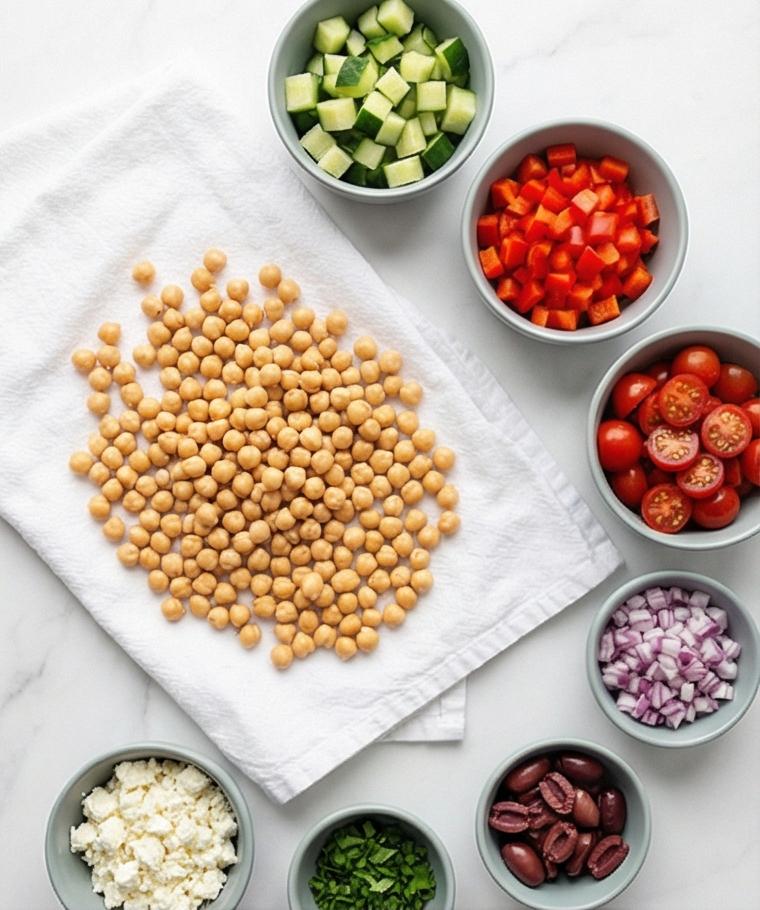
Drain the canned chickpeas in a colander and rinse thoroughly under cold water to remove the canning liquid. Shake well to drain, then spread the drained chickpeas across a clean kitchen towel or several layers of paper towels and pat them very dry until there is no visible surface moisture; this dryness is essential to keep the salad bright and not watery. As you dry them, notice their matte, slightly grainy skin and any split peas or loose skins—pick those away so the final salad feels clean and toothsome.
Step 2: Prepare the vegetables and herbs
Dice the English cucumber into neat 1/2-inch cubes, halve the cherry tomatoes, core and dice the red bell pepper into matching 1/2-inch pieces, and finely mince the red onion. Finely chop the flat-leaf parsley and, if using, the mint leaves. Arrange each chopped element into small prep bowls or ramekins so the colors sit next to one another—emerald parsley, ruby tomatoes, pale cucumber flesh—ready to be layered into the mixing bowl. Keep the Kalamata olives halved or sliced and the crumbled feta in a separate small bowl to control texture when they go in.
Step 3: Make the dressing
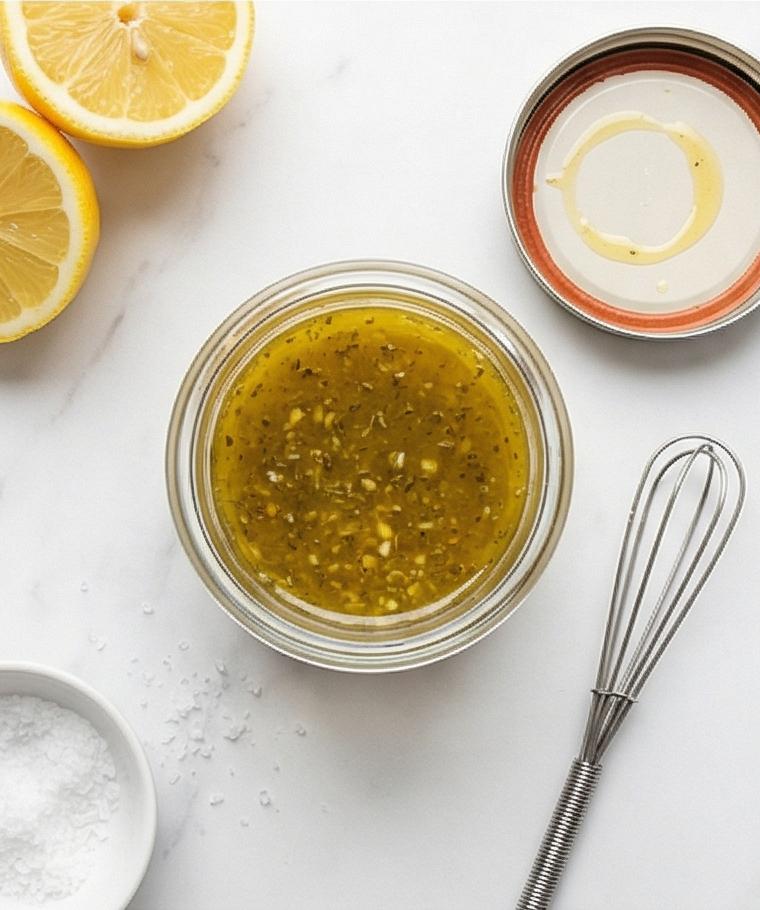
Measure the extra-virgin olive oil, freshly squeezed lemon juice, red wine vinegar, Dijon mustard, and add the finely minced garlic to a small clear glass jar or a shallow mixing cup. Sprinkle in the dried oregano, salt, cracked black pepper, and the optional red pepper flakes. Having all dressing elements visible in transparent vessels keeps the scene honest—the oil’s golden viscosity next to the lemon’s pale citrus and the mustard’s ochre streaks creates an attractive contrast before they are combined.
Step 4: Emulsify the dressing
Vigorously whisk the ingredients for 30–60 seconds or seal the jar and shake until the dressing looks cohesive and slightly thickened, with no obvious oil separation. The emulsion should cling to the whisk or the jar walls in a glossy ribbon and display tiny suspended garlic flecks and oregano specks. Taste and tweak with a pinch more salt or a squeeze more lemon if the vinaigrette needs brighter acidity.
Step 5: Combine the salad base
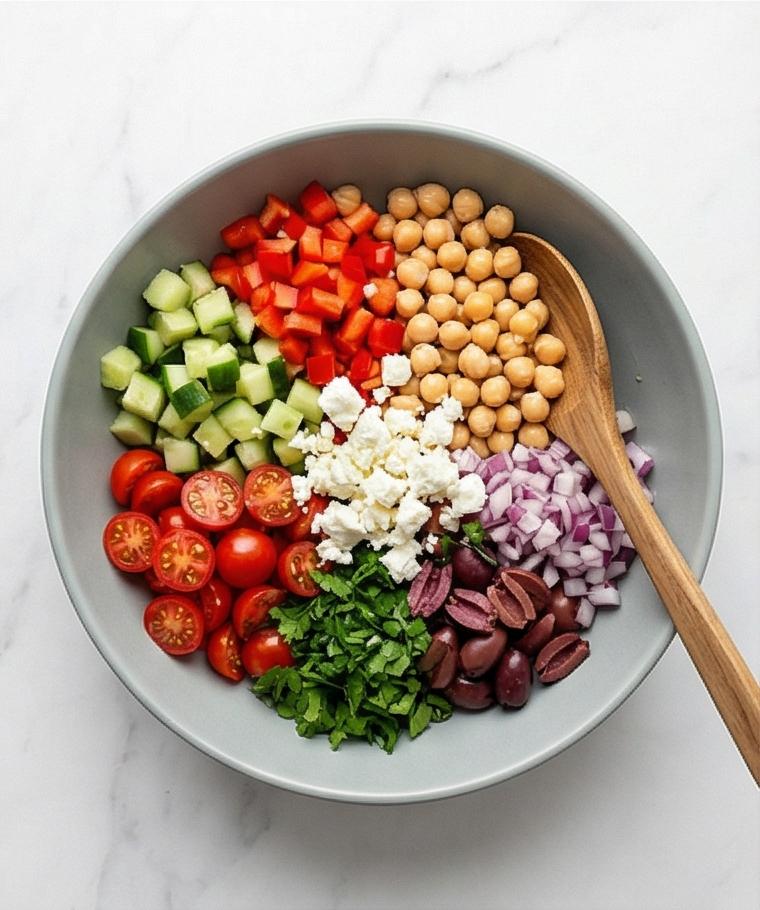
In a single, wide matte dove-grey stoneware mixing bowl, add the well-dried chickpeas, diced cucumber, halved tomatoes, diced red bell pepper, finely diced red onion, chopped parsley, chopped mint (if using), Kalamata olives, and about half of the crumbled feta, keeping the rest for garnish. Gently fold these elements together so the contrasting textures—firm chickpeas, juicy tomato flesh, crisp cucumber, and briny olive slices—sit visibly layered and balanced in the bowl.
Step 6: Dress the salad and toss
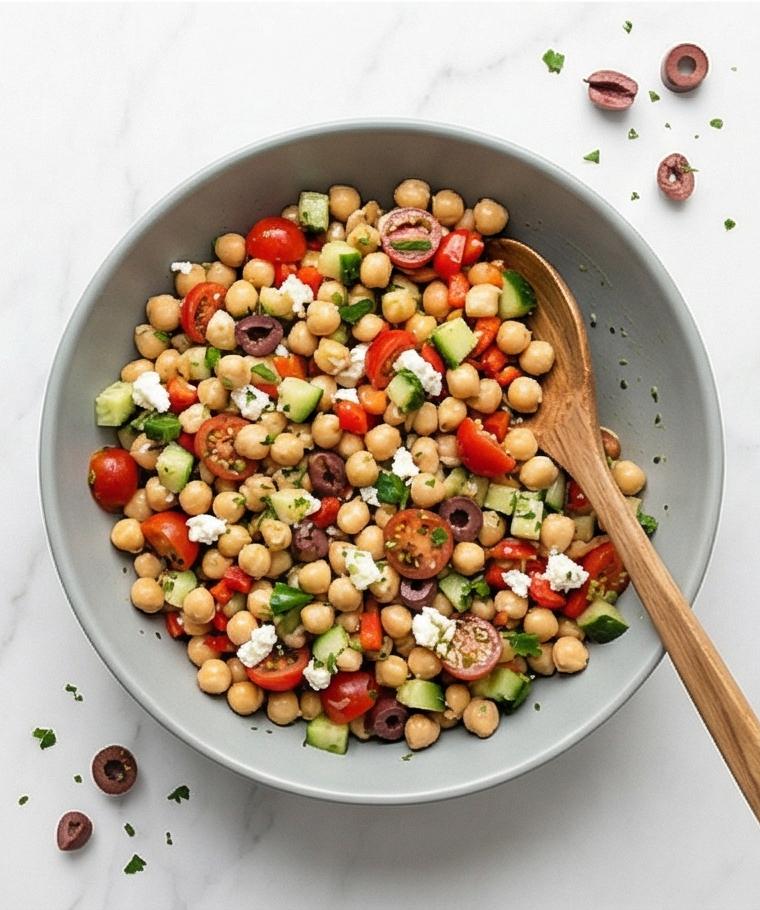
Pour the emulsified dressing evenly over the chickpea and vegetable mixture and use a large spoon or salad tongs to toss gently but thoroughly for 1–2 minutes until each piece is lightly coated. Aim for an even sheen on the chickpeas and vegetables without crushing them; the feta should remain in small curds rather than pulverized. Pause to ensure the dressing has dispersed into tight crevices between chickpeas and diced vegetables so every bite will be flavorful.
Step 7: Taste and adjust
Give the dressed salad a careful taste and adjust seasoning as needed—add small pinches of fine sea salt to lift the flavors, a crack of black pepper for warmth, or an extra squeeze of lemon to brighten. If the bowl seems dry, drizzle another teaspoon or two of olive oil and toss once more; the goal is a balanced, lively flavor profile that complements the salad’s textural variety.
Step 8: Rest to develop flavor
Let the tossed salad sit at room temperature for 10–15 minutes so the flavors meld, or cover and refrigerate for 30 minutes to up to 24 hours. If chilled for longer than an hour, bring the salad out 10–15 minutes before serving so the olive oil and lemon aromas become more pronounced and the textures are not overly cold.
Step 9: Garnish and serve
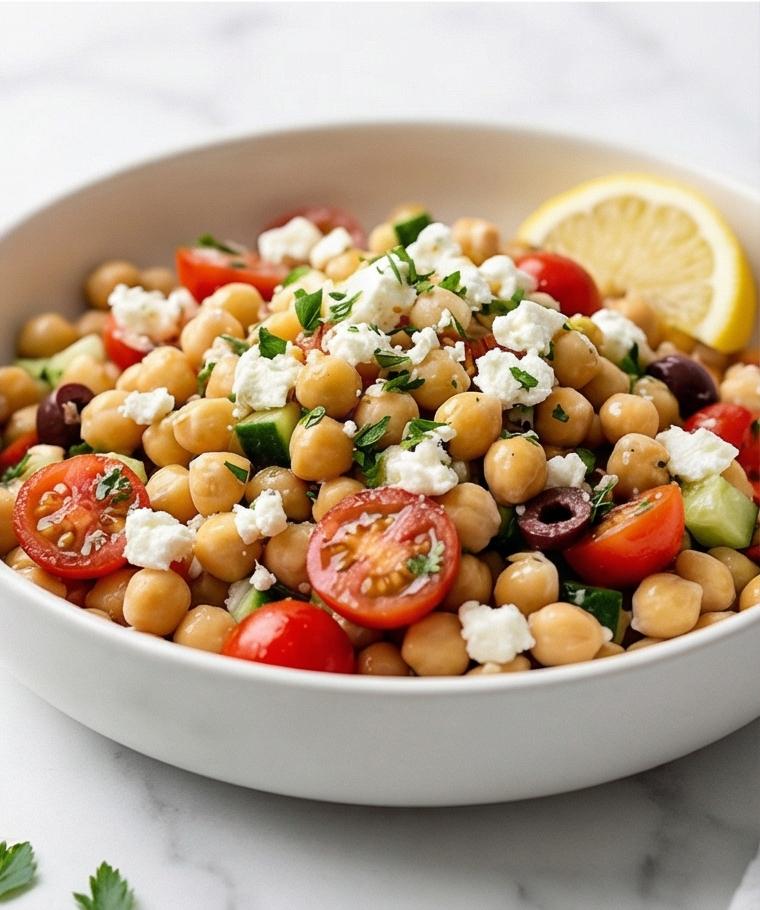
Just before serving, give the salad one gentle toss and transfer it to a low, wide serving bowl or platter. Sprinkle the reserved crumbled feta and the extra chopped parsley on top for bright contrast, and tuck lemon wedges around the edge for squeezing. The final touch should highlight the salad’s layered textures—crumbly feta, glossy olives, and plump chickpeas—so they read clearly on the plate.
Step 10: Serving suggestions
Serve the Mediterranean chickpea salad slightly chilled or at cool room temperature as a side with grilled fish, chicken, lamb, or alongside warm pita and hummus. It also stands well as a light main on a bed of mixed greens—its bright vinaigrette and herb notes pair especially well with simply seasoned proteins.
Step 11: Storage
Store leftovers in an airtight container in the refrigerator at 40°F (4°C) for up to 3–4 days. Stir before serving; if the salad seems dry after chilling, refresh it with a small squeeze of lemon and a light drizzle of olive oil, then toss to reunite the textures and flavors.
Making It Your Own
Try swapping ingredients like a curious tinkerer. Add roasted red peppers or charred corn for a smoky accent. For a gluten-free, vegan main, skip the feta and fold in toasted pine nuts and a spoonful of tahini for creaminess. In colder months, swap cherry tomatoes for roasted grape tomatoes to concentrate sweetness; in high summer use the ripest tomatoes you can find. I once tried crushed zaatar for a regional spin and loved the herb-sesame lift. Small experiments like extra mint or a pinch of red pepper flakes let the salad wear a new identity without losing its core.
How to Serve
When I host, this Mediterranean Chickpea Salad Recipe gets a center stage bowl set on a linen cloth with warm pita tucked alongside. For a dinner party of 6, double the recipe and serve in two shallow bowls so guests can help themselves. For a buffet, place lemon wedges and extra crumbled feta in small dishes so people can finish their portions. If serving as a main, lay the salad over mixed greens and add a sliced, simply grilled chicken breast or chickpea falafel to make it substantial. For picnic packing, keep the dressing separate and toss right before serving to preserve crunch.
Storage and Reheating
This salad keeps well refrigerated for 3 to 4 days. I prefer to store it in an airtight container and press a piece of parchment on top to reduce moisture contact with the feta so the cheese does not overly soften.
When you take leftovers out, give the salad a gentle stir and bring it to cool room temperature for 10 to 15 minutes to let the olive oil lose its chill. If the salad seems dry after chilling, refresh with a teaspoon or two of olive oil and a squeeze of lemon, then toss. Do not reheat; this salad is best served cool or at room temperature.
Common Slip-Ups and How to Avoid Them
Overdressing is an easy trap. Start with half the vinaigrette, toss, taste, and then add more if needed so the salad stays bright and not oily. Dry your chickpeas well so the dressing clings instead of pooling at the bottom of the bowl.
Undercutting the vegetables can leave uneven textures. Aim for uniform 1/2-inch dice so every bite has balance. If the feta is added too early and stirred vigorously, it can become a paste; reserve some for garnish to maintain pleasing curds.
Join Me at the Table
Give this Mediterranean Chickpea Salad Recipe a try this week. It is forgiving, quick, and dependable, and it only gets better if you let it rest a little after dressing. Make a double batch and you will find it becomes one of those dishes you turn to again and again.
Frequently Asked Questions.
- Can I use dried chickpeas instead of canned? Yes. Cook dried chickpeas until tender, cool them, and dry well before using; plan extra time for soaking and simmering.
- How long will the salad keep in the fridge? Stored in an airtight container it keeps for 3 to 4 days; refresh with a little olive oil and lemon before serving.
- Is this salad good as a main course? Absolutely. Add extra herbs, toasted nuts, or grilled protein and serve over greens for a satisfying main.
- Can I make the dressing ahead of time? Yes, make and store the dressing in the fridge for up to a week; bring to room temperature and shake before using.
- How can I make this vegan? Omit the feta and consider adding toasted sunflower seeds or tahini into the dressing for creaminess.
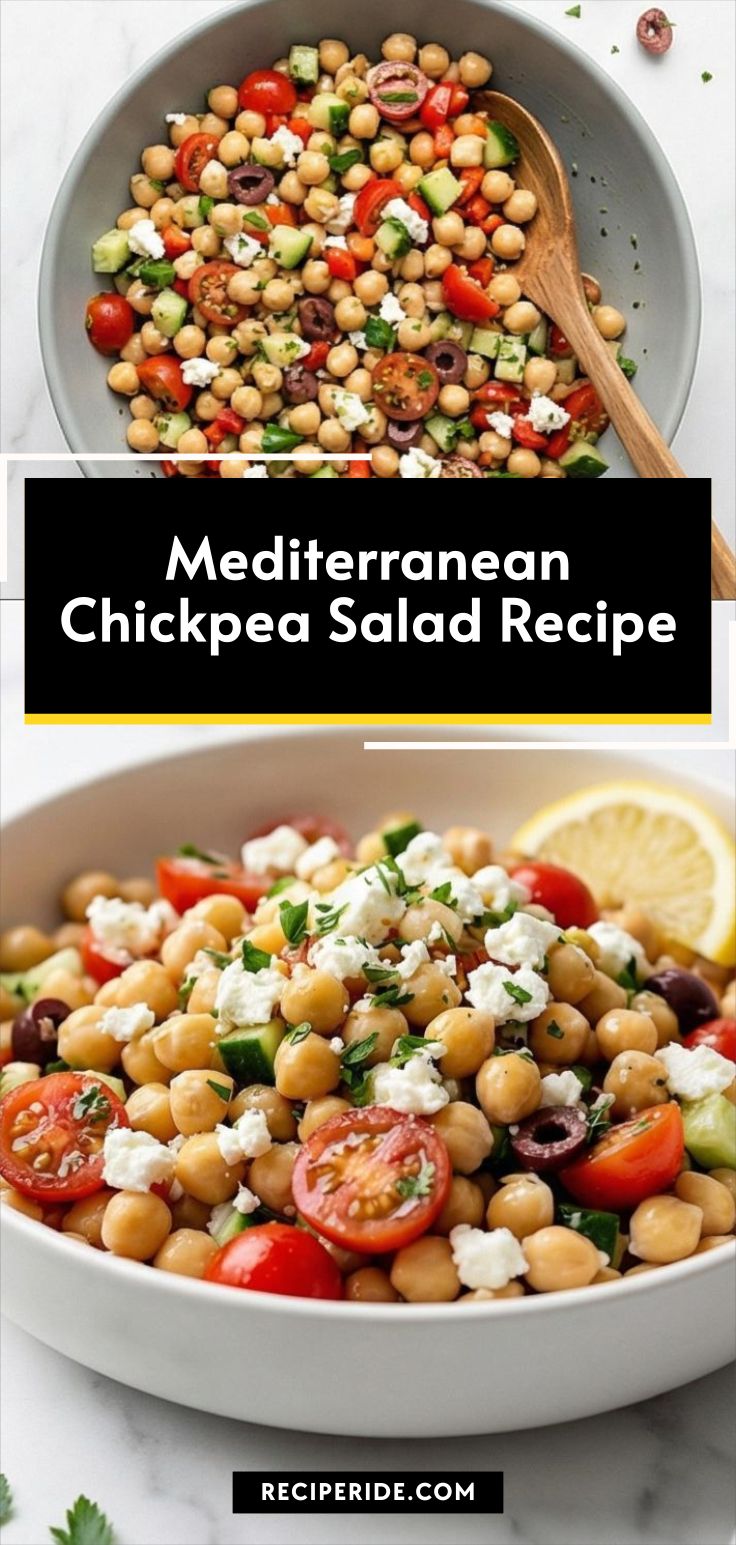
Mediterranean Chickpea Salad Recipe
Make the Mediterranean Chickpea Salad Recipe now for a bright, quick, protein-rich salad ready in about 20 minutes.
Ingredients
Instructions
Step 1: Prepare the chickpeas
Drain the canned chickpeas in a colander and rinse thoroughly under cold water to remove the canning liquid. Shake well to drain, then spread the drained chickpeas across a clean kitchen towel or several layers of paper towels and pat them very dry until there is no visible surface moisture; this dryness is essential to keep the salad bright and not watery. As you dry them, notice their matte, slightly grainy skin and any split peas or loose skins—pick those away so the final salad feels clean and toothsome.
Step 2: Prepare the vegetables and herbs
Dice the English cucumber into neat 1/2-inch cubes, halve the cherry tomatoes, core and dice the red bell pepper into matching 1/2-inch pieces, and finely mince the red onion. Finely chop the flat-leaf parsley and, if using, the mint leaves. Arrange each chopped element into small prep bowls or ramekins so the colors sit next to one another—emerald parsley, ruby tomatoes, pale cucumber flesh—ready to be layered into the mixing bowl. Keep the Kalamata olives halved or sliced and the crumbled feta in a separate small bowl to control texture when they go in.
Step 3: Make the dressing
Measure the extra-virgin olive oil, freshly squeezed lemon juice, red wine vinegar, Dijon mustard, and add the finely minced garlic to a small clear glass jar or a shallow mixing cup. Sprinkle in the dried oregano, salt, cracked black pepper, and the optional red pepper flakes. Having all dressing elements visible in transparent vessels keeps the scene honest—the oil's golden viscosity next to the lemon’s pale citrus and the mustard’s ochre streaks creates an attractive contrast before they are combined.
Step 4: Emulsify the dressing
Vigorously whisk the ingredients for 30–60 seconds or seal the jar and shake until the dressing looks cohesive and slightly thickened, with no obvious oil separation. The emulsion should cling to the whisk or the jar walls in a glossy ribbon and display tiny suspended garlic flecks and oregano specks. Taste and tweak with a pinch more salt or a squeeze more lemon if the vinaigrette needs brighter acidity.
Step 5: Combine the salad base
In a single, wide matte dove-grey stoneware mixing bowl, add the well-dried chickpeas, diced cucumber, halved tomatoes, diced red bell pepper, finely diced red onion, chopped parsley, chopped mint (if using), Kalamata olives, and about half of the crumbled feta, keeping the rest for garnish. Gently fold these elements together so the contrasting textures—firm chickpeas, juicy tomato flesh, crisp cucumber, and briny olive slices—sit visibly layered and balanced in the bowl.
Step 6: Dress the salad and toss
Pour the emulsified dressing evenly over the chickpea and vegetable mixture and use a large spoon or salad tongs to toss gently but thoroughly for 1–2 minutes until each piece is lightly coated. Aim for an even sheen on the chickpeas and vegetables without crushing them; the feta should remain in small curds rather than pulverized. Pause to ensure the dressing has dispersed into tight crevices between chickpeas and diced vegetables so every bite will be flavorful.
Step 7: Taste and adjust
Give the dressed salad a careful taste and adjust seasoning as needed—add small pinches of fine sea salt to lift the flavors, a crack of black pepper for warmth, or an extra squeeze of lemon to brighten. If the bowl seems dry, drizzle another teaspoon or two of olive oil and toss once more; the goal is a balanced, lively flavor profile that complements the salad’s textural variety.
Step 8: Rest to develop flavor
Let the tossed salad sit at room temperature for 10–15 minutes so the flavors meld, or cover and refrigerate for 30 minutes to up to 24 hours. If chilled for longer than an hour, bring the salad out 10–15 minutes before serving so the olive oil and lemon aromas become more pronounced and the textures are not overly cold.
Step 9: Garnish and serve
Just before serving, give the salad one gentle toss and transfer it to a low, wide serving bowl or platter. Sprinkle the reserved crumbled feta and the extra chopped parsley on top for bright contrast, and tuck lemon wedges around the edge for squeezing. The final touch should highlight the salad’s layered textures—crumbly feta, glossy olives, and plump chickpeas—so they read clearly on the plate.
Step 10: Serving suggestions
Serve the Mediterranean chickpea salad slightly chilled or at cool room temperature as a side with grilled fish, chicken, lamb, or alongside warm pita and hummus. It also stands well as a light main on a bed of mixed greens—its bright vinaigrette and herb notes pair especially well with simply seasoned proteins.
Step 11: Storage
Store leftovers in an airtight container in the refrigerator at 40°F (4°C) for up to 3–4 days. Stir before serving; if the salad seems dry after chilling, refresh it with a small squeeze of lemon and a light drizzle of olive oil, then toss to reunite the textures and flavors.
Notes
- Dry the chickpeas thoroughly so the dressing clings and the salad is not watery.
- Taste and add vinaigrette gradually to avoid overdressing.
- Store leftovers in an airtight container and refresh with lemon and olive oil before serving.
- Use the ripest cherry tomatoes for the best flavor in summer.