Lemon Spaghetti: bright, simple, and unexpectedly comforting, this Lemon Spaghetti has become my weeknight go-to when I want something fast but still special. I found the balance between tangy lemon, salty capers, and creamy Pecorino so satisfying that it quickly replaced more complicated pasta plans. I love how it comes together in one pan with just a few pantry staples, and I often make a double batch to share. If you like pasta that tastes fresh and energetic, this Lemon Spaghetti will become a favorite.
How This Plate Found Its Way to My Table
One rainy Saturday evening I made this Lemon Spaghetti on a whim, more as a mood lifter than a meal plan. The kitchen filled with the smell of warm garlic and citrus, and the sound of sauce sizzling in the pan felt instantly comforting. I remember twirling a forkful, the Pecorino melting into glossy ribbons that clung to the strands, and a little burst of caper that made me close my eyes. It felt nostalgic and new at the same time, the kind of recipe that seems simple on paper but gives a small, celebratory thrill with every bite. Since then, it has been my answer to unexpected guests, long work nights, and lazy Sundays.
The Primary Ingredients and Why They Matter
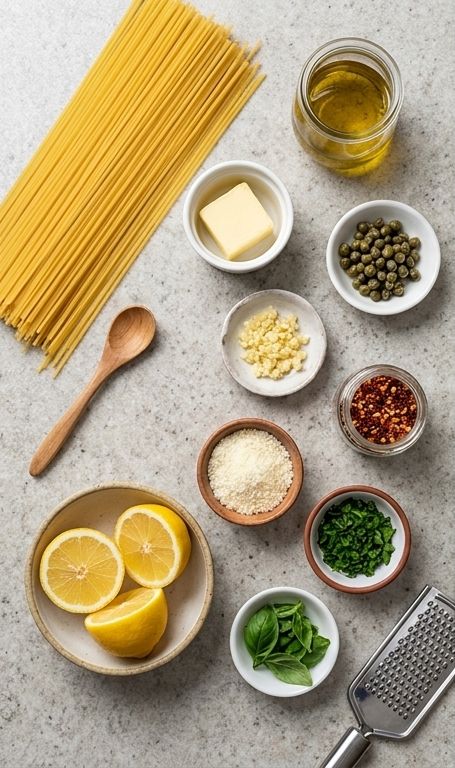
- Spaghetti: The backbone of the dish. Use a good quality durum wheat spaghetti for a firm bite; thin strands let the sauce cling beautifully. Substitute bucatini or linguine if you want a slightly different texture.
- Olive Oil and Butter: They create the sauce base and lend silkiness. Use extra virgin olive oil for flavor; butter adds richness and helps emulsify with the pasta water.
- Capers: A salty, briny counterpoint to lemon. Look for jarred capers packed in brine and rinse lightly if they seem too salty. You can use olives for a different salty note.
- Garlic and Red Pepper Flakes: Provide warmth and aroma. Freshly minced garlic is best; adjust flakes to taste.
- Lemon (zest and juice): The hero that brightens the whole dish. Choose firm, fragrant lemons and zest before juicing to capture the oils.
- Herbs and Pecorino: Fresh basil and parsley add brightness; Pecorino Romano gives savory, salty depth. Parmesan is an acceptable substitute.
Essential Kitchen Tools and Why I Reach for Them
A short list of honest tools makes this Lemon Spaghetti easy to pull off. Each tool helps control texture and timing.
- Wide, large pot: For the shallow, starchy boil. A wide pot creates that cloudy pasta water that helps the sauce cling.
- Large braiser or wide saucepan: Gives room to emulsify the sauce and toss the pasta without splashing.
- Ladle: To reserve starchy pasta water and add it back in small amounts for silkiness.
- Tongs or pasta fork: To lift and toss the strands so each gets coated.
- Microplane and box grater: For zesting lemons and grating Pecorino finely so it melts into the sauce.
- Colander: To drain pasta quickly without rinsing.
If you do not have a braiser, a wide skillet works fine. No microplane? Use the smallest holes on a box grater.
Step-by-Step Preparation Guide.
Step 1: Boil the shallow, starchy pasta
Add roughly 2 quarts (about 8 cups) of water to a wide, large pot so the water sits shallow and becomes very starchy as it boils. Cover to bring to a full boil, then uncover, stir in a tablespoon of salt and ease in the spaghetti so the strands can soften without crowding. Cook uncovered, stirring often, until the strands are just shy of al dente — they will finish in the sauce. Before draining, ladle and reserve one cup of the cloudy, starchy pasta water. Drain the pasta (do not rinse), letting the glossy strands sit ready to finish in the sauce.
Step 2: Build the lemon-caper garlic sauce and finish the pasta
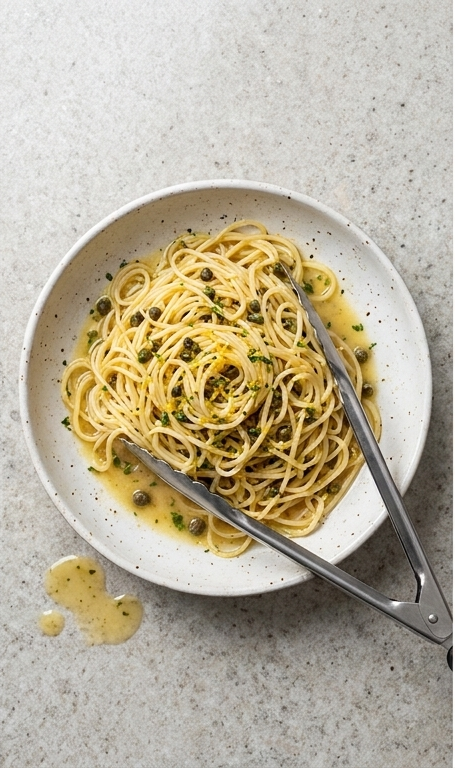
While the pasta cooks, heat a large braiser or wide saucepan and add the olive oil, butter, capers, minced garlic, red pepper flakes and a heavy dose of freshly cracked pepper; warm until very fragrant and the butter is melted. Remove briefly from heat and stir in the lemon juice, lemon zest, oregano and salt so the citrus brightens the aromatics. Return to medium and whisk in about 1/3 cup of the reserved pasta water to loosen and emulsify the pan juices into a thin, glossy sauce. Add the drained spaghetti, minced basil and parsley, and the grated Pecorino Romano; toss and lift the strands continuously until most of the liquid is absorbed and the pasta finishes al dente, adding additional reserved water 1/4 cup at a time only as needed to achieve a silky, clinging sauce. The result should be glossy, lightly sauced spaghetti flecked with capers, herbs and pepper.
Step 3: Plate and garnish for service
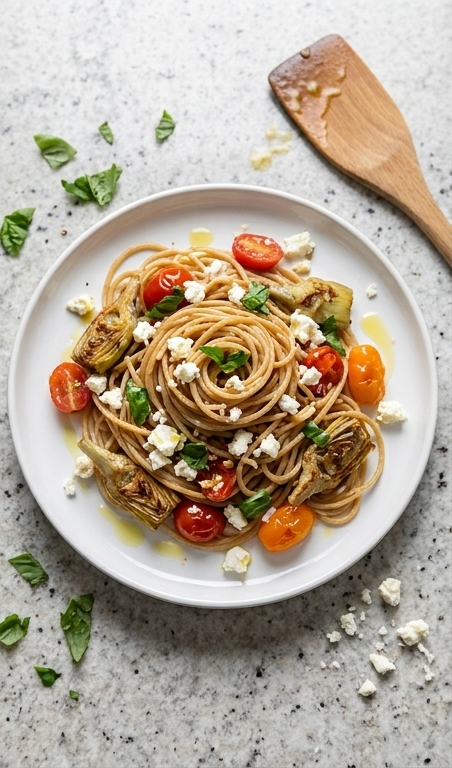
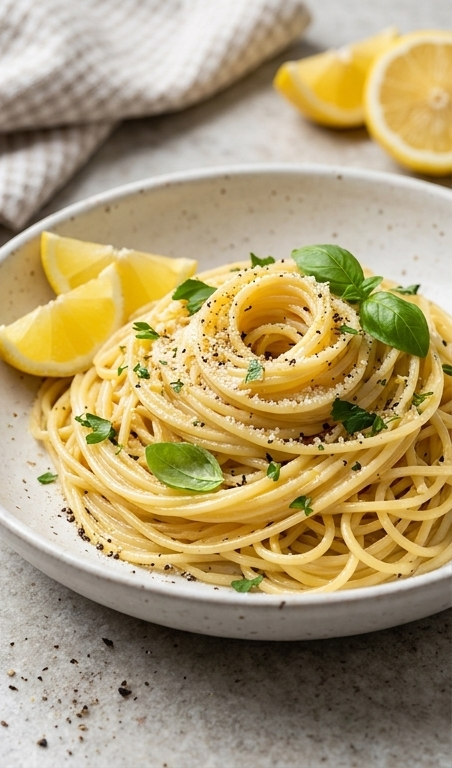
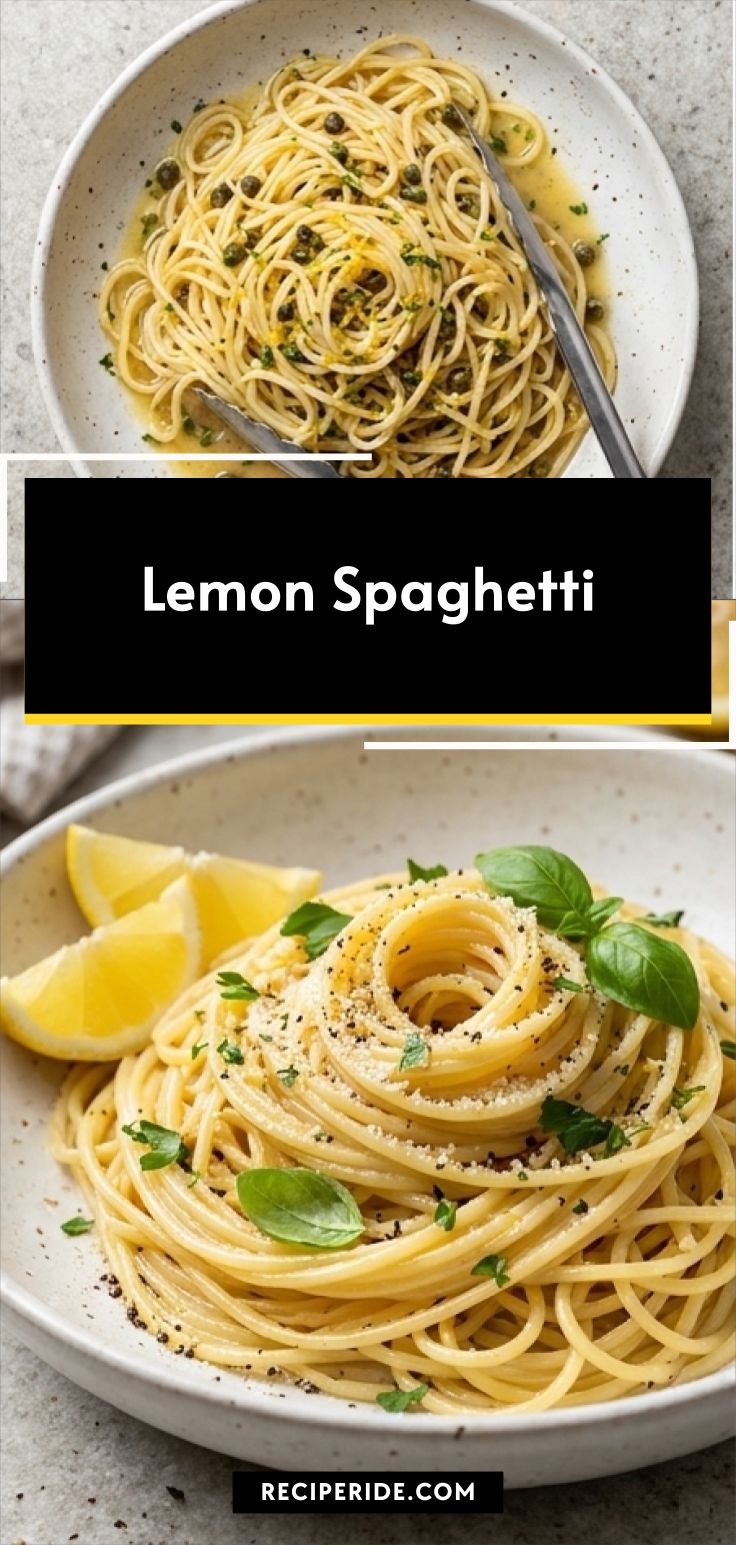
Remove from heat and transfer into a shallow, rustic speckled white serving bowl. Twirl the pasta into an elegant nest, scatter a few whole basil leaves and a sprinkling of minced parsley, grate more Pecorino over the top, and finish with a few generous turns of cracked black pepper. Tuck a couple of lemon wedges at the rim for a finishing squeeze. Taste and add salt if needed, then present immediately while the sauce remains silky and the strands glisten.
Making It Your Own
I often experiment with Lemon Spaghetti in small ways depending on the season and what is in the fridge. In spring I add a handful of blanched peas and a little mint for a bright, garden feel. For a heartier winter version, I fold in seared shrimp or chunks of roasted chicken and finish with extra Pecorino. If you want a vegan twist, swap the butter for olive oil and the Pecorino for a tangy nutritional yeast and lemon rind mixture; the capers and lemon still deliver that lively character. Regional touches, like swapping Pecorino for a sharper aged Parmesan or adding a pinch of smoked paprika, have made this recipe a playground for small, satisfying experiments.
How to Serve
Imagine hosting friends: serve Lemon Spaghetti in shallow bowls so each portion shows off the glossy strands and scattered herbs. For 4 people, plate generous twirls and offer extra Pecorino and lemon wedges at the table so guests can personalize. If you are serving a crowd, toss the pasta briefly in a wide warm pan and transfer to a large platter for family-style passing. Pair with a crisp white wine or a sparkling water with lemon slices. Add a simple green salad and crusty bread to soak up any remaining sauce. The bright flavors stand up well to heavier mains, or let the Lemon Spaghetti be the star with a light appetizer.
Storage and Reheating Tips
Cool leftover Lemon Spaghetti quickly, then place in an airtight container and refrigerate up to 3 days. The sauce may thicken as it chills because the cheese and lemon cling tighter to the pasta.
To reheat, warm a skillet over medium heat with a tablespoon of olive oil or a splash of water, then add the pasta and toss until warmed through, loosening with additional reserved pasta water or a little more lemon juice if needed. Avoid the microwave when possible to keep the texture more like freshly made.
Oops-Proofing: Common Mistakes and How to Avoid Them
The most common slip is over-salting the sauce before tasting. Remember the Pecorino and capers bring strong salt notes; add salt slowly and taste as you go. Another misstep is skimping on the reserved pasta water. That cloudy starchy water is the secret to a silky sauce; add it in small amounts until you hit the right consistency.
If you worry about garlic burning, lower the heat and keep it moving in the pan. Burnt garlic turns bitter and masks the bright lemon character that makes this dish sing.
Final Thoughts and Invitation
This Lemon Spaghetti is fast, bright, and endlessly adaptable. If you love pasta that feels fresh and a little fancy without a lot of fuss, try it this week. Bring good bread and a simple salad, invite someone you like, and let the lemony aroma do the rest.
Frequently Asked Questions.
- What kind of pasta works best for Lemon Spaghetti? Use good quality spaghetti for the classic texture, or try linguine or bucatini for a thicker bite.
- Can I make Lemon Spaghetti ahead of time? You can prepare components ahead, but finish the pasta in the sauce just before serving for best texture.
- How can I make this vegan? Swap butter for olive oil and Pecorino for nutritional yeast or a vegan parmesan alternative.
- Are capers necessary? They are a signature flavor here, but you can use chopped olives or omit for a milder version.
- How do I keep the sauce silky? Reserve and add starchy pasta water gradually; it emulsifies the oil, butter and cheese into a glossy coating.
Lemon Spaghetti
Make Lemon Spaghetti for a bright, quick dinner — zesty lemon, capers, and Pecorino come together in minutes.
Ingredients
Instructions
Step 1: Boil the shallow, starchy pasta
Add roughly 2 quarts (about 8 cups) of water to a wide, large pot so the water sits shallow and becomes very starchy as it boils. Cover to bring to a full boil, then uncover, stir in a tablespoon of salt and ease in the spaghetti so the strands can soften without crowding. Cook uncovered, stirring often, until the strands are just shy of al dente — they will finish in the sauce. Before draining, ladle and reserve one cup of the cloudy, starchy pasta water. Drain the pasta (do not rinse), letting the glossy strands sit ready to finish in the sauce.
Step 2: Build the lemon-caper garlic sauce and finish the pasta
While the pasta cooks, heat a large braiser or wide saucepan and add the olive oil, butter, capers, minced garlic, red pepper flakes and a heavy dose of freshly cracked pepper; warm until very fragrant and the butter is melted. Remove briefly from heat and stir in the lemon juice, lemon zest, oregano and salt so the citrus brightens the aromatics. Return to medium and whisk in about 1/3 cup of the reserved pasta water to loosen and emulsify the pan juices into a thin, glossy sauce. Add the drained spaghetti, minced basil and parsley, and the grated Pecorino Romano; toss and lift the strands continuously until most of the liquid is absorbed and the pasta finishes al dente, adding additional reserved water 1/4 cup at a time only as needed to achieve a silky, clinging sauce. The result should be glossy, lightly sauced spaghetti flecked with capers, herbs and pepper.
Step 3: Plate and garnish for service
Remove from heat and transfer into a shallow, rustic speckled white serving bowl. Twirl the pasta into an elegant nest, scatter a few whole basil leaves and a sprinkling of minced parsley, grate more Pecorino over the top, and finish with a few generous turns of cracked black pepper. Tuck a couple of lemon wedges at the rim for a finishing squeeze. Taste and add salt if needed, then present immediately while the sauce remains silky and the strands glisten.
Notes
- Reserve at least 1 cup of starchy pasta water to finish the sauce.
- Zest lemons before juicing them to capture bright citrus oils.
- Add salt sparingly; Pecorino and capers add substantial saltiness.
- Reheat gently in a skillet with a splash of water or olive oil for best texture.
- Swap Pecorino for Parmesan or use nutritional yeast for a vegan version.