
Biscoff Tiramisu Recipe has become a go-to dessert in my kitchen, and not just because it tastes impossibly good. It balances spiced caramel biscuit flavor with the silky tang of mascarpone in a way that feels both decadent and comforting. I fell for it the first time I layered the coffee-soaked cookies with Biscoff-mascarpone cream and watched friends close their eyes after the first bite. If you love tiramisu but want something with a warm, caramelized twist, this Biscoff Tiramisu Recipe will likely win you over.
How This Recipe Became My Cozy-Weather Treat
One rainy afternoon I had an extra jar of Biscoff spread and a half-used tub of mascarpone, and I wanted something that smelled like home. I brewed a very strong coffee, warmed the spread just enough to make ribbons across the cream, and invited two neighbors for tea. The kitchen filled with a warm brown sugar scent as I layered cookies and cream; steam fogged the window and laughter filled the room. When they tasted it, the room fell quiet for a beat, then everyone asked for seconds. That quiet, the richness on the tongue, and the way the crunchy cookie crumbs contrasted the airy cream is why I keep making this Biscoff Tiramisu Recipe on slow afternoons. It feels like an edible warm blanket.
Primary Ingredients and What They Do
- Coffee or Espresso: The backbone for soaking the cookies. Strong brewed coffee or espresso gives the dessert structure and bitterness that balances the sweet Biscoff. Substitute with robust decaf or a coffee-chocolate blend if you prefer.
- Mascarpone Cheese: Provides the smooth, tangy base for the cream. Pick a high-quality mascarpone and avoid overheating or it will loosen. Cottage cheese is not a good substitute.
- Heavy Cream: Whipped into medium-stiff peaks to lighten the mascarpone. Use full-fat cream for stability; non-dairy alternatives may not whip the same.
- Lotus Biscoff Spread and Cookies: The star flavors. The spread flavors the cream; the cookies provide structure and crunch. Use other speculoos products or ginger snaps as a substitute.
- Granulated Sugar and Vanilla: Small amounts sweeten and brighten. Adjust sugar to taste, and split the vanilla as instructed for layered depth.

Essential Kitchen Tools: What I Reach For
A few simple tools keep this recipe smooth and stress-free. A shallow wide bowl makes dipping cookies fast and even. A chilled stainless-steel bowl helps the cream whip up quickly and reliably. An 8-inch square baking dish keeps layers tidy and gives neat portions. I usually have a large flexible spatula for folding and a long, sharp knife for clean slices.
- Shallow wide bowl: For the coffee dip; a pie plate works as an alternative.
- Chilled mixing bowl: Metal chills faster; use a glass bowl that has been chilled if needed.
- Electric mixer: For whipping cream; a whisk and elbow grease can work but takes longer.
- 8-inch square baking dish: Keeps layers neat; a similar-sized rectangular pan is an alternative.
- Zip-top bag and rolling pin or food processor: For fine cookie crumbs.
Step-by-Step Preparation Guide
Step 1: Mix and cool the coffee dipping liquid
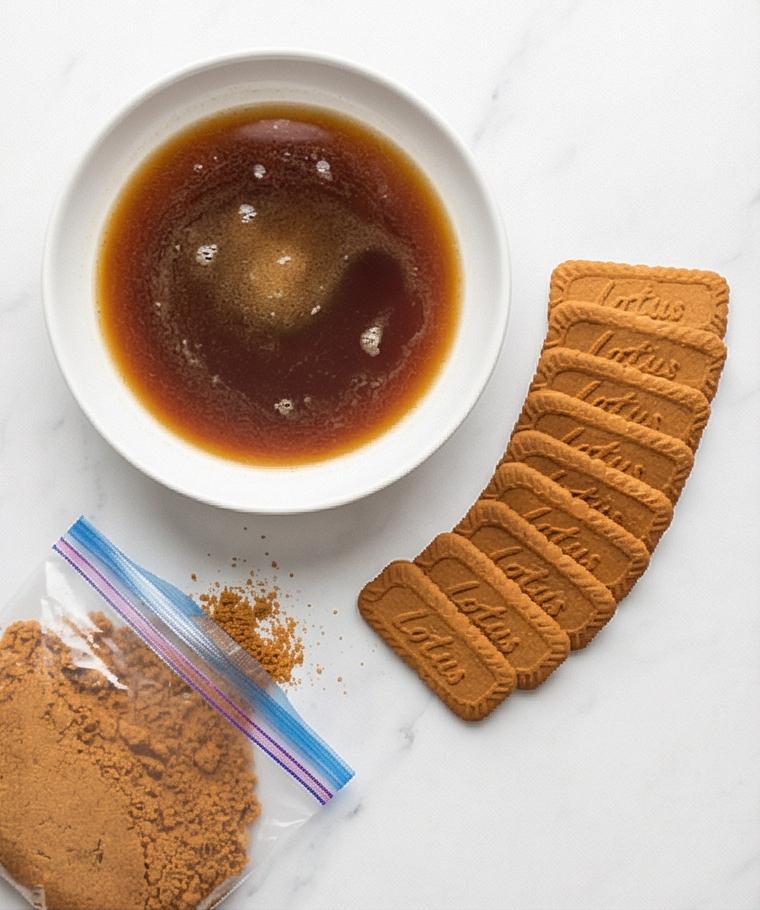
Brew a very strong coffee or espresso and let it cool fully to room temperature; once cooled, stir in the granulated sugar, a splash of dark rum or coffee liqueur if using, and 1/2 teaspoon of vanilla until fully dissolved. Transfer the finished coffee into a shallow wide ceramic bowl that easily fits a cookie for a 1–2 second dip; keep it uncovered at room temperature so it stays ready but not warm. Have the remaining whole Biscoff cookies and a small zip-top bag of two ounces of cookies set beside the bowl for the next step.
Step 2: Crush cookies and prepare the workspace
Place 2 ounces of Lotus Biscoff cookies into a zip-top bag and crush them into a fine, sandy crumb using a rolling pin (or pulse in a food processor) and set the crumbs aside in a small shallow dish for topping. Lay out the remaining whole cookies in a neat stack nearby on the marble, and position an 8-inch (20 cm) square baking dish within reach and completely dry; these simple preparations keep the assembly smooth and uninterrupted.
Step 3: Create the Biscoff-mascarpone base
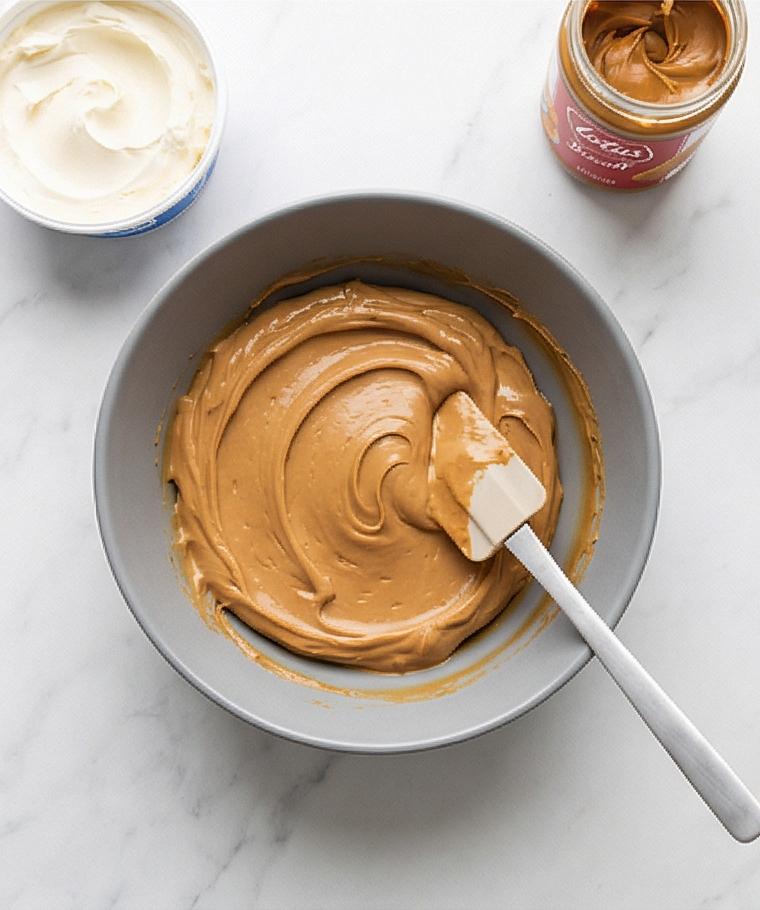
In a single, modern matte grey ceramic mixing bowl (the persistent hero mixing vessel), beat cold-but-slightly-softened mascarpone with 1/3 cup sugar until smooth and free of graininess. Add 1/2 cup room-temperature smooth Biscoff spread, the remaining 1/2 teaspoon vanilla and a pinch of fine sea salt, and beat until the mixture becomes a uniform light caramel color and silky in texture. Scrape the bowl and show the finished spreadable, glossy-matte cream clinging to the spatula—thick, smooth, and unmistakably Biscoff-flavored.
Step 4: Whip and fold to an airy cream
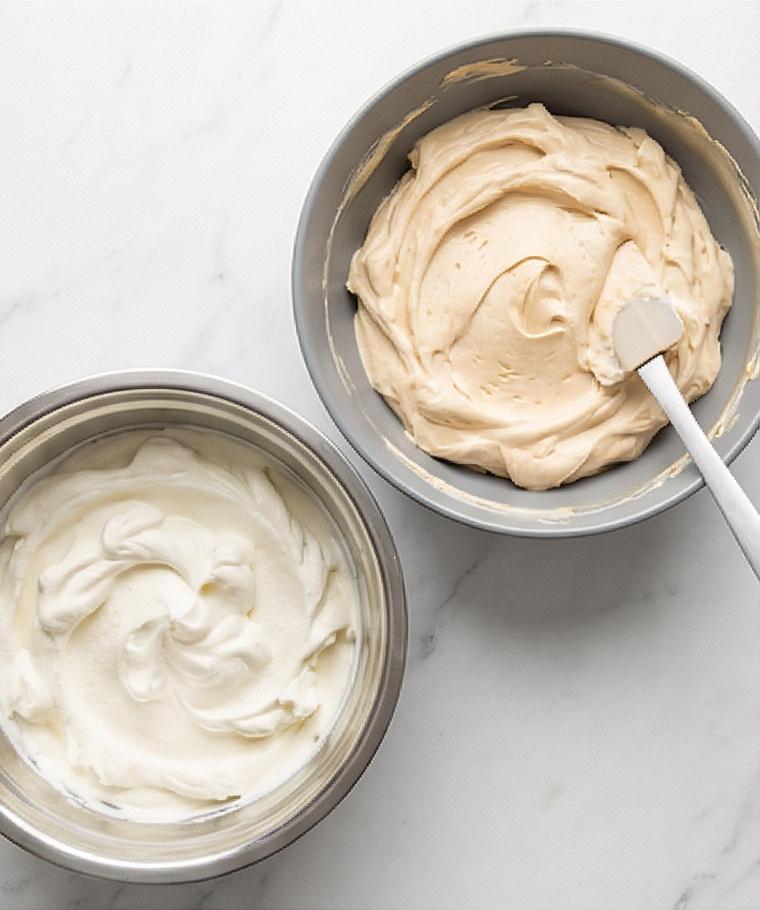
In a separate chilled stainless-steel bowl whip the very cold heavy cream to medium-stiff peaks: glossy, billowy, and able to hold a slight tip. Gently fold the whipped cream into the mascarpone-Biscoff base in three additions using a large spatula in the same matte grey bowl, rotating the bowl with each fold until the mixture is homogeneous, airy, and light—no streaks, no deflation. If you want a stronger Biscoff presence, fold in an extra tablespoon or two of spread just until streaks disappear. Meanwhile, warm 1/2 cup Biscoff spread gently until pourable (below body temperature) and keep the warmed jar nearby for assembly.
Step 5: Assemble, chill, and finish
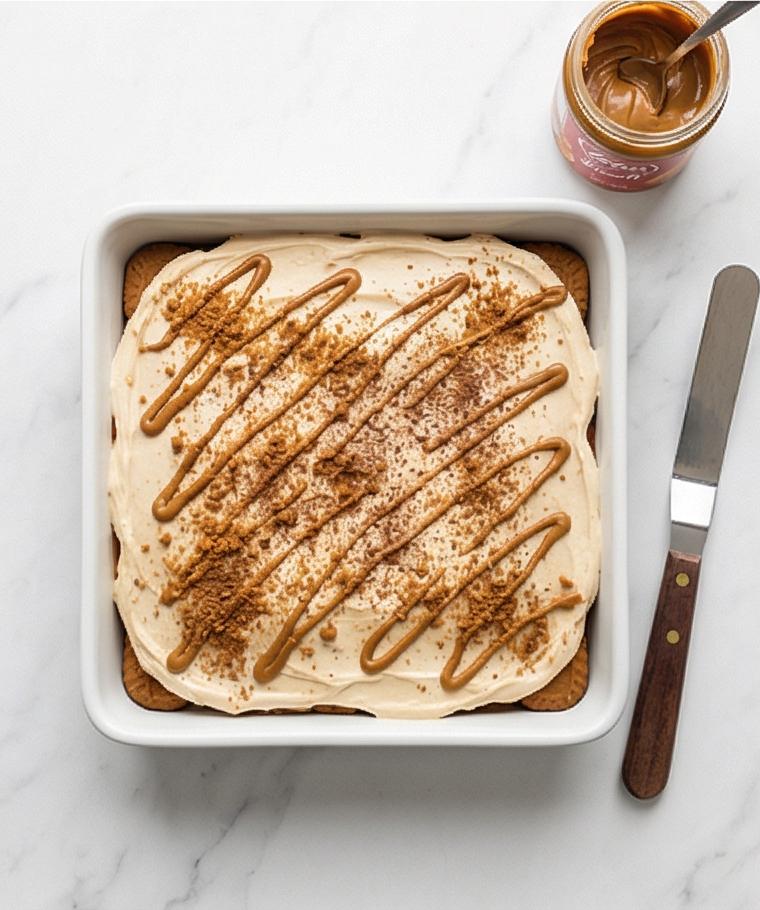
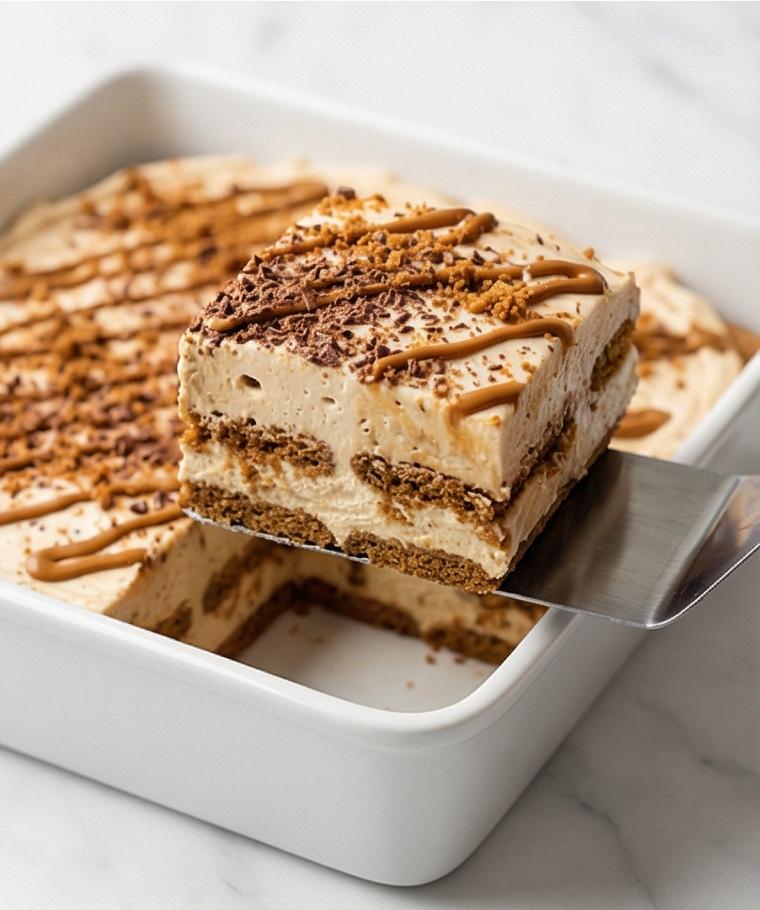
Briefly dip each whole cookie 1–2 seconds per side into the cooled coffee and arrange a snug single layer on the bottom of the prepared 8-inch square baking dish. Spread half the mascarpone-Biscoff cream evenly to the corners, drizzle half the warmed Biscoff spread in thin ribbons, then repeat with a second soaked-cookie layer and the remaining cream. Drizzle the rest of the warmed spread across the top; sprinkle the reserved fine Biscoff crumbs evenly, optionally dust lightly with sifted cocoa and finish with finely shaved dark chocolate. Cover carefully (wrap not touching the surface) and refrigerate for at least 6–8 hours. When serving, let sit 10–15 minutes for cleaner slices, use a long sharp knife and a flat metal spatula to lift neat squares from the same square dish—retaining the pan’s geometry and layered cross-section.
Making It Your Own
Try a few small experiments to make the Biscoff Tiramisu Recipe your own. For a boozy adult version, increase the dark rum or coffee liqueur in the dipping liquid and add a teaspoon to the mascarpone mixture. For a lighter twist, use half the Biscoff spread and fold in extra whipped cream for airier layers.
Swap to gluten-free Biscoff-style cookies or ginger snaps if you need to avoid gluten. For a seasonal spin, stir a pinch of ground cinnamon or cardamom into the mascarpone base. If you want to serve smaller portions, use a muffin tin lined with plastic wrap and build mini tiramisus for party platters.
How to Serve
If I am hosting, I slice the 8-inch square into 9 neat portions and set them on small dessert plates with a fork and a demitasse spoon. A dusting of sifted cocoa and a few shaved dark chocolate curls make the plates look finished without fuss. For larger parties, double the recipe and use a 9×13-inch pan; keep serving slices chilled until the moment they hit the table.
To elevate presentation, spoon a little warmed Biscoff spread onto each plate before placing a square on top. Garnish with toasted hazelnuts or a single whole Biscoff cookie at an angle for visual height. If serving with coffee, offer espresso shots or a spiced latte to echo the flavors.
Storage and Reheating Tips
Store the assembled Biscoff Tiramisu Recipe tightly covered in the refrigerator for up to 3 days. It holds its texture well as the cream firms; the flavors actually meld and taste even better after a day. Keep it away from strong-smelling foods so the delicate mascarpone does not pick up odors.
If you need to freeze, cut into individual portions, wrap each tightly in plastic wrap and then in foil, and freeze for up to 1 month. Thaw overnight in the refrigerator and let sit at room temperature 20 minutes before serving to regain a creamy mouthfeel.
Common Slip-Ups and How to Avoid Them
One easy mistake is over-dipping the cookies; they absorb quickly and go soggy. Dip them just 1 to 2 seconds per side and arrange them snug but not forced. Another common issue is over-whipping the cream into graininess; stop when medium-stiff peaks form.
Also, avoid warming mascarpone or whipping it hot. Keep mascarpone cool and let it sit only briefly at room temperature so it blends without becoming runny.
Final Thoughts and an Invitation
If you love bold caramel-cookie flavor and a custardy, airy finish, give this Biscoff Tiramisu Recipe a try. It is forgiving, crowd-pleasing, and a lovely make-ahead dessert for gatherings or quiet nights in. I hope it finds a corner in your recipe rotation and becomes a dessert you reach for when you want something a little special.
Frequently Asked Questions.
- Can I make Biscoff Tiramisu Recipe ahead of time?
Yes, it benefits from chilling for at least 6 hours or overnight; flavors marry and texture firms. - Can I use decaf coffee for the dipping liquid?
Absolutely, decaf works fine and keeps the flavor with less caffeine. - How long will leftovers keep?
Stored covered in the refrigerator, it keeps well for up to 3 days. - Can I use different cookies instead of Lotus Biscoff?
Yes, speculoos-style or ginger cookies work; flavor will shift slightly. - Is there a dairy-free version?
You can try coconut whipped cream and a vegan cream cheese substitute, but texture will differ.

Biscoff Tiramisu Recipe
Make Biscoff Tiramisu Recipe: layer coffee-soaked Biscoff cookies with Biscoff-mascarpone cream for a rich, easy dessert.
Ingredients
Instructions
Step 1: Mix and cool the coffee dipping liquid
Brew a very strong coffee or espresso and let it cool fully to room temperature; once cooled, stir in the granulated sugar, a splash of dark rum or coffee liqueur if using, and 1/2 teaspoon of vanilla until fully dissolved. Transfer the finished coffee into a shallow wide ceramic bowl that easily fits a cookie for a 1–2 second dip; keep it uncovered at room temperature so it stays ready but not warm. Have the remaining whole Biscoff cookies and a small zip-top bag of two ounces of cookies set beside the bowl for the next step.
Step 2: Crush cookies and prepare the workspace
Place 2 ounces of Lotus Biscoff cookies into a zip-top bag and crush them into a fine, sandy crumb using a rolling pin (or pulse in a food processor) and set the crumbs aside in a small shallow dish for topping. Lay out the remaining whole cookies in a neat stack nearby on the marble, and position an 8-inch (20 cm) square baking dish within reach and completely dry; these simple preparations keep the assembly smooth and uninterrupted.
Step 3: Create the Biscoff-mascarpone base
In a single, modern matte grey ceramic mixing bowl (the persistent hero mixing vessel), beat cold-but-slightly-softened mascarpone with 1/3 cup sugar until smooth and free of graininess. Add 1/2 cup room-temperature smooth Biscoff spread, the remaining 1/2 teaspoon vanilla and a pinch of fine sea salt, and beat until the mixture becomes a uniform light caramel color and silky in texture. Scrape the bowl and show the finished spreadable, glossy-matte cream clinging to the spatula—thick, smooth, and unmistakably Biscoff-flavored.
Step 4: Whip and fold to an airy cream
In a separate chilled stainless-steel bowl whip the very cold heavy cream to medium-stiff peaks: glossy, billowy, and able to hold a slight tip. Gently fold the whipped cream into the mascarpone-Biscoff base in three additions using a large spatula in the same matte grey bowl, rotating the bowl with each fold until the mixture is homogeneous, airy, and light—no streaks, no deflation. If you want a stronger Biscoff presence, fold in an extra tablespoon or two of spread just until streaks disappear. Meanwhile, warm 1/2 cup Biscoff spread gently until pourable (below body temperature) and keep the warmed jar nearby for assembly.
Step 5: Assemble, chill, and finish
Briefly dip each whole cookie 1–2 seconds per side into the cooled coffee and arrange a snug single layer on the bottom of the prepared 8-inch square baking dish. Spread half the mascarpone-Biscoff cream evenly to the corners, drizzle half the warmed Biscoff spread in thin ribbons, then repeat with a second soaked-cookie layer and the remaining cream. Drizzle the rest of the warmed spread across the top; sprinkle the reserved fine Biscoff crumbs evenly, optionally dust lightly with sifted cocoa and finish with finely shaved dark chocolate. Cover carefully (wrap not touching the surface) and refrigerate for at least 6–8 hours. When serving, let sit 10–15 minutes for cleaner slices, use a long sharp knife and a flat metal spatula to lift neat squares from the same square dish—retaining the pan’s geometry and layered cross-section.
Notes
- Chill the tiramisu at least 6 hours or overnight for best texture and flavor melding.
- Warm the extra Biscoff spread gently until just pourable; do not heat it hot or it will break texture.
- Dip cookies quickly (1-2 seconds per side) to avoid sogginess.
- Use a long sharp knife warmed in hot water and wiped dry for cleaner slices.
- For freezable portions, wrap tightly and freeze up to 1 month; thaw overnight in refrigerator.