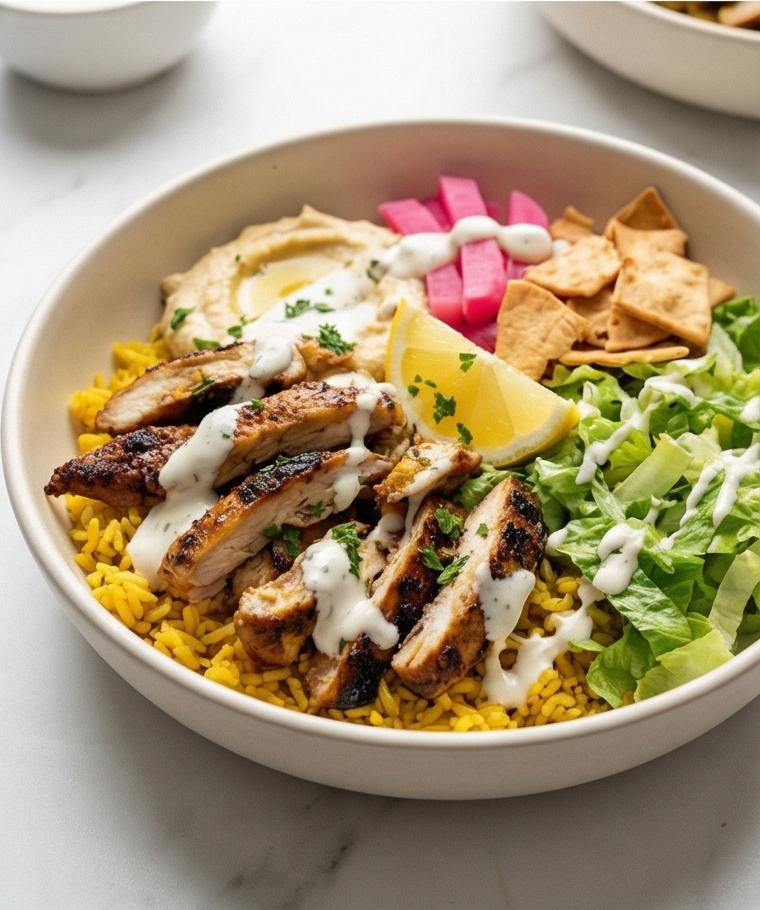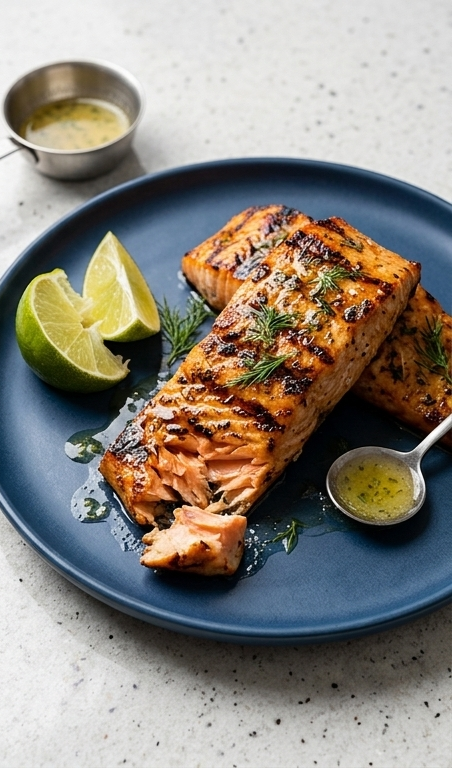
I have a soft spot for weekday dinners that feel like a treat, so the Tuscan Salmon Pasta Recipe became a go-to when I wanted something elegant without fuss. I first made this dish on a rainy evening when I had one salmon fillet left in the fridge and a jar of sun-dried tomatoes begging to be used. The result was a creamy, bright pasta that felt restaurant-worthy but was planted firmly in weeknight reality. I love how the Tuscan Salmon Pasta Recipe balances rich cream and salty Parmesan with lemon and basil for a lift you can actually taste.
How This Recipe Became My Weeknight Comfort
The night I first tossed seared salmon into a pan of garlicky sun-dried tomato cream, the apartment filled with warm, savory smells that felt like an embrace. I remember leaning over the stove, breathing in that garlic-and-tomato perfume, and thinking I should invite someone over. The dish felt like a small celebration of simple things: a good fillet, a handful of basil, and time to sit and savor. Because the flavors are bold but familiar, it always reminds me of comfort and modest indulgence at the same time. That memory is why the Tuscan Salmon Pasta Recipe finds its way into my rotation whenever I want to make a dinner that feels special without being complicated.
Ingredients Spotlight
- Salmon: The star protein that gives the dish its luxurious mouthfeel and savory depth. Choose firm, fresh fillets; Atlantic or sockeye work well. For a substitute, try steelhead trout for a similar texture.
- Short Pasta: Penne, fusilli, or rigatoni trap the creamy sauce. If gluten-free is needed, use a high-quality GF short pasta and cook to a firm al dente.
- Heavy Cream and Parmesan: These form the silky Tuscan sauce. For lighter versions, swap half the cream for whole milk and thicken with a little extra Parmesan.
- Sun-Dried Tomatoes and Garlic: They add concentrated tomato sweetness and savory punch. Use oil-packed tomatoes when possible for more flavor.

Essential Kitchen Tools and Why They Matter
A few reliable tools make this Tuscan Salmon Pasta Recipe easy to pull off. A heavy skillet gives you a dependable sear on the salmon and gathers those browned bits that become sauce flavor. A large pot keeps pasta from sticking and lets you reserve cooking water that helps emulsify the sauce. Sharp knives and a microplane for lemon zest speed prep and improve texture.
- 12-inch stainless or cast-iron skillet: For even heat and a great sear. If you don’t have one, use a heavy nonstick pan but reduce heat slightly.
- Large pasta pot: For room to boil pasta; a stockpot is fine.
- Tongs and a spatula: To flip the fish gently and toss the pasta.
- Microplane or fine grater: For lemon zest and finely grated Parmesan.
Step-by-Step Preparation Guide
Step 1: Bring and salt the pasta water
Bring 3 quarts (2.8 L) of water to a vigorous rolling boil, then stir in 1 teaspoon kosher salt so the water tastes faintly seasoned. While the water heats, have your pasta ready nearby so you can add it as soon as the boil is steady — this is the first time the starch and seasoning begin to shape the final sauce’s body.
Step 2: Dry and season the salmon
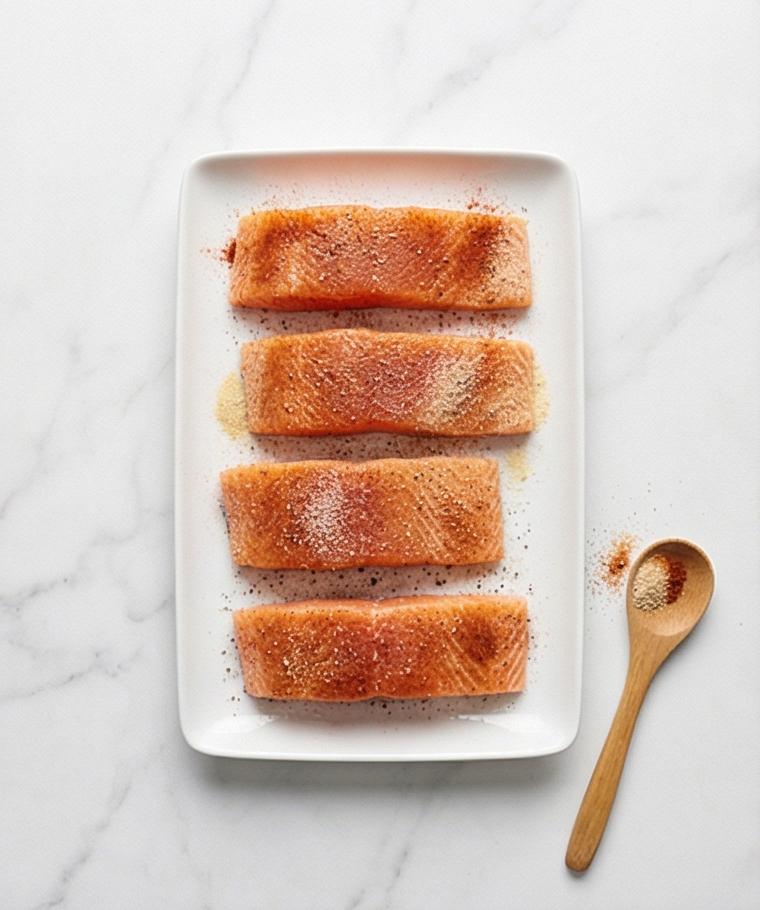
Pat the four salmon fillets very dry with paper towels and let them sit at room temperature briefly so they sear cleanly. Press a dry rub of 1/4 teaspoon kosher salt, 1/2 teaspoon freshly ground black pepper, 1/2 teaspoon smoked paprika and 1/4 teaspoon garlic powder onto both sides of each fillet so the spices cling in a thin, even layer; set them on a shallow white rectangular plate to rest while you move to the pasta.
Step 3: Cook the pasta to just al dente
Add 12 oz (340 g) short pasta to the boiling water, stir to separate, and cook to just al dente (usually 9–11 minutes). Before draining, reserve 1/2 cup (120 ml) of the hot pasta cooking water; then drain the pasta and set it aside, still warm. This reserved water is your secret to loosening and emulsifying the creamy sauce later.
Step 4: Sear the salmon to a golden crust and rest
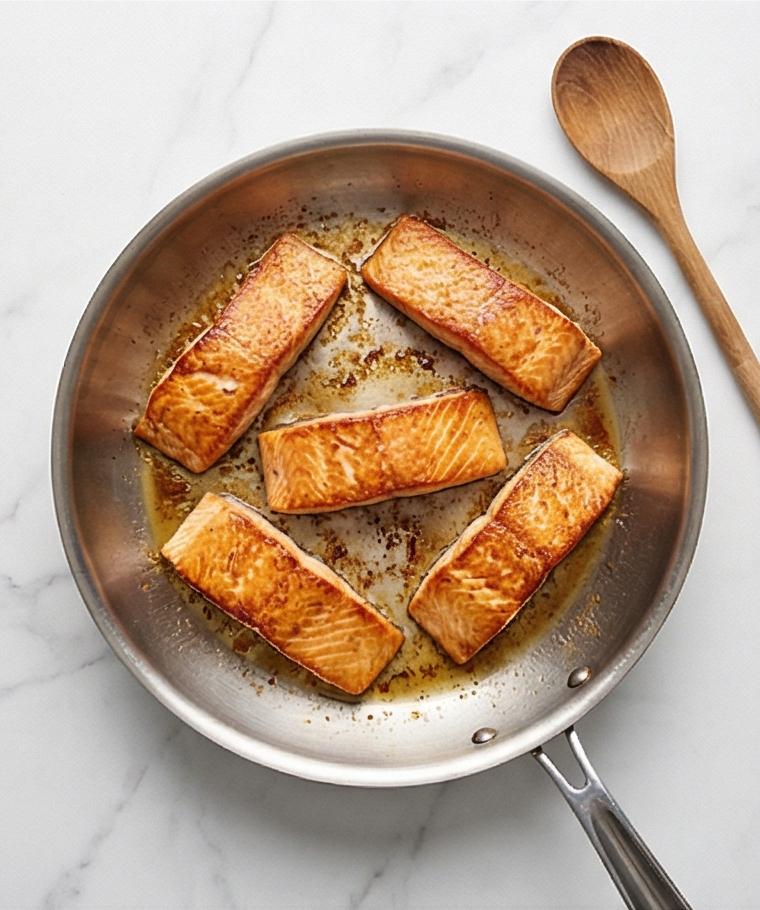
Heat a large 12-inch stainless or cast-iron skillet until hot, add 2 tablespoons extra-virgin olive oil, and place the presentation side of each fillet down, allowing a deeply golden, crisp crust to form undisturbed for 3–4 minutes. Flip, add 2 tablespoons unsalted butter, baste, and cook the second side until just opaque in the center. Transfer the fillets to a warm plate and loosely tent to rest — keep the skillet with its fond and butter; you will use it for the sauce.
Step 5: Build the Tuscan cream sauce in the same skillet
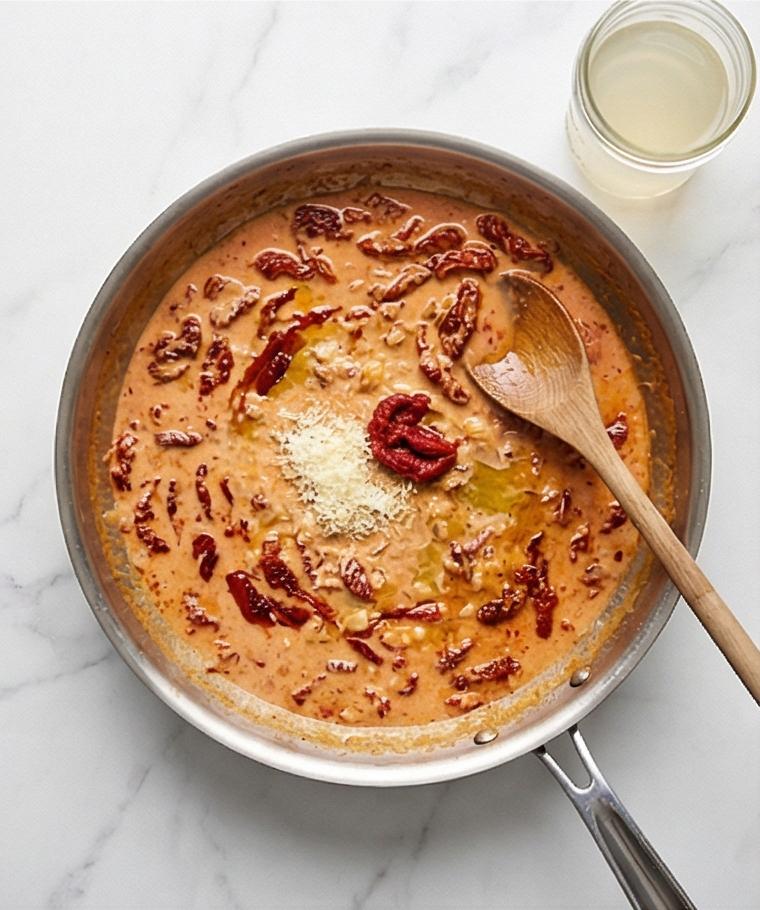
Return the warm skillet to medium heat, add 1 tablespoon oil from the sun-dried tomato jar, then quickly sauté 4 minced garlic cloves until fragrant. Stir in 1/2 cup thinly sliced sun-dried tomatoes, 1 tablespoon tomato paste and 1/4 teaspoon red pepper flakes; briefly toast the paste until it darkens and coats the tomatoes. Deglaze with 1/4 cup dry white wine (or skip and go straight to broth), scrape the brown bits into the liquid, then add 1/2 cup broth and reduce slightly. Lower the heat and slowly whisk in 1 1/2 cups room-temperature heavy cream, then finish the sauce with 3/4 cup finely grated Parmesan, seasoning, and a silky texture.
Step 6: Wilt spinach, fold in pasta, and adjust to glossy perfection
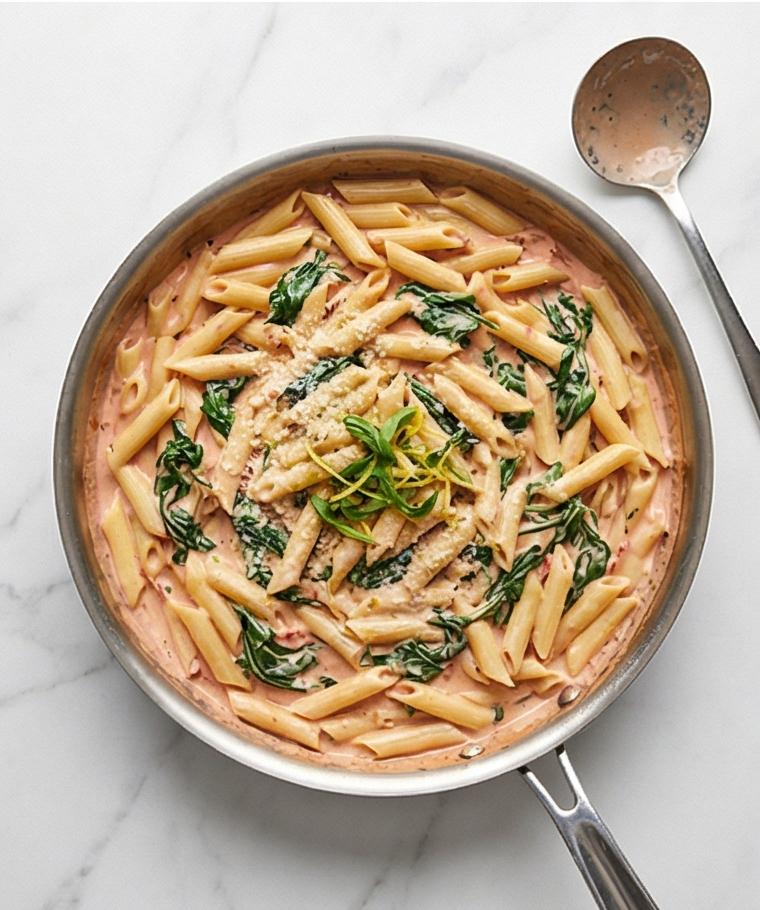
Stir 4 cups of baby spinach into the gentle cream sauce just until bright and wilted. Add the drained al dente pasta and toss gently over low heat so every piece is glossy and clings to the sauce; if the sauce tightens, add reserved pasta water a tablespoon at a time until the sauce loosens and emulsifies into a silky coating. Brighten with 1 teaspoon finely grated lemon zest and 2 tablespoons freshly squeezed lemon juice, taste, and adjust salt and pepper.
Step 7: Reunite salmon with pasta and finish for serving
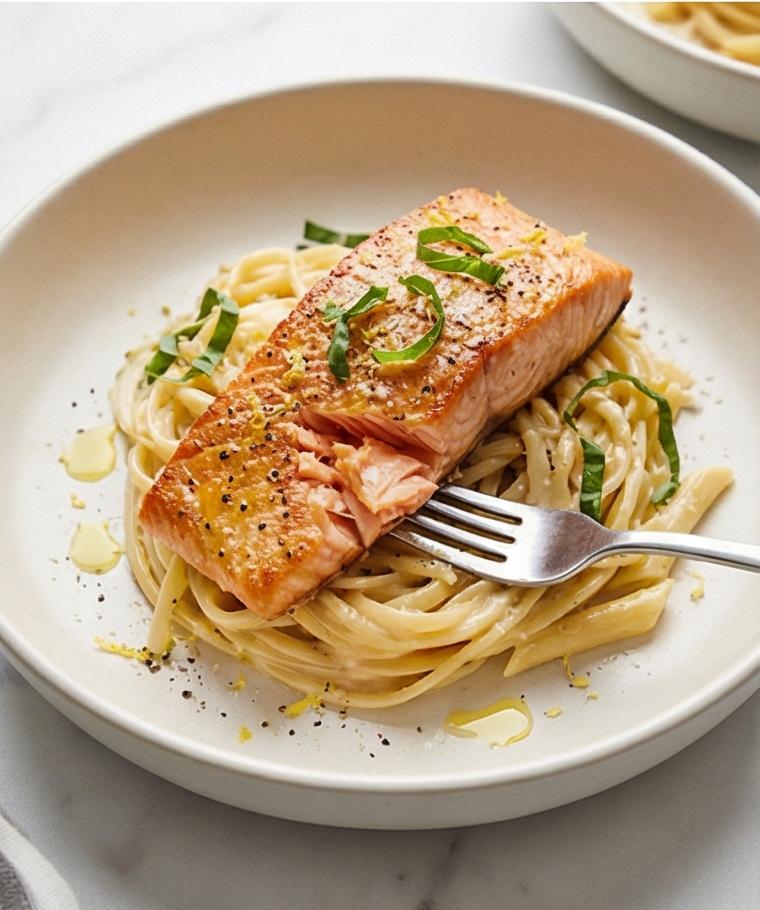
Gently nestle the warm salmon fillets back into the skillet on top of the sauced pasta, spoon a little sauce over each fillet, and warm together for just a minute so the flavors marry without overcooking the fish. Remove from heat, scatter 1/4 cup thinly sliced fresh basil over everything, drizzle a little extra-virgin olive oil if desired, and serve portions into shallow warm bowls topped with extra grated Parmesan and freshly ground black pepper.
Making It Your Own
I often tinker with the Tuscan Salmon Pasta Recipe depending on what is in season or who I am cooking for. For a dairy-free twist I swap the cream for a cashew cream and skip the Parmesan, adding a splash of nutritional yeast for savory depth. If someone needs less fat, I use half the cream and a bit more broth, finishing with a tablespoon of butter for silk.
For a regional spin, try adding Italian sausage in place of some of the salmon for a surf-and-turf vibe, or use lemon-thyme instead of basil for a floral note. When tomatoes are at their peak, I add a few halved cherry tomatoes at the end for freshness; in winter, extra sun-dried tomatoes bring welcome intensity.
How to Serve
When I host, the Tuscan Salmon Pasta Recipe shines plated in warm shallow bowls so the sauce pools and the salmon sits like a crown. For four, serve with a simple green salad dressed with lemon and olive oil and crusty bread to soak up sauce. If you need to stretch the dish to six, increase pasta to 16 oz and add 1/2 cup more broth and a splash more cream to keep the sauce glossy.
For a more formal dinner, portion into warmed bowls, top each plate with a small basil bouquet, and finish with extra grated Parmesan at the table. Pair with a chilled Pinot Grigio or a crisp Sauvignon Blanc to echo the lemon and cut through the cream.
Storage and Reheating Tips
Leftovers keep well for up to 2 days in an airtight container in the refrigerator. Store the salmon and pasta together if you plan to eat within that window; the fish will soften but still be delicious. If you want to keep the salmon more distinct, store the fillets separately and reheat the pasta on its own.
To reheat, warm the pasta gently in a skillet over low heat with a splash of water or broth to loosen the sauce. Nestle the salmon on top for the final minute so it warms without drying. Avoid microwaving on high for extended periods, as that can make the cream separate and the salmon tough.
Common Slip-Ups and How to Avoid Them
Overcooking the salmon is the most frequent misstep. Watch for an opaque center and remove from heat early; carryover will finish it. If your pan is not hot enough you won’t get that golden crust, so heat it well before adding oil.
Another mistake is adding the pasta to a sauce that is too cold; always combine while the pasta is warm and use reserved pasta water to adjust the sauce’s texture. If the sauce breaks, whisk in a tablespoon of cold cream off heat to bring it back together.
Final Thoughts
Give the Tuscan Salmon Pasta Recipe a try the next time you want a weeknight dinner that feels like something you would order out. It is forgiving, flavorful, and quick enough to make on a busy evening, yet special enough for guests. I hope it becomes one of your favorites.
Frequently Asked Questions.
- Q: Can I use frozen salmon for the Tuscan Salmon Pasta Recipe? A: Yes, but thaw it completely and pat very dry before searing so you still get a good crust.
- Q: What can I use instead of heavy cream? A: Try half-and-half mixed with a tablespoon of butter, or a blended cashew cream for a dairy-free option.
- Q: How do I make the sauce less rich? A: Reduce the cream by half, increase broth, and finish with a small knob of butter for silk.
- Q: Can I make this ahead for a dinner party? A: You can cook pasta and sauce slightly underdone and reheat gently, then sear salmon last so it is fresh.
- Q: Is there a good wine pairing? A: A crisp Pinot Grigio or Sauvignon Blanc complements the lemon and cuts through the cream.

Tuscan Salmon Pasta Recipe
Make Tuscan Salmon Pasta Recipe tonight: seared salmon, sun-dried tomato cream, and tender pasta in about 40 minutes.
Ingredients
Instructions
Step 1: Bring and salt the pasta water
Bring 3 quarts (2.8 L) of water to a vigorous rolling boil, then stir in 1 teaspoon kosher salt so the water tastes faintly seasoned. While the water heats, have your pasta ready nearby so you can add it as soon as the boil is steady — this is the first time the starch and seasoning begin to shape the final sauce’s body.
Step 2: Dry and season the salmon
Pat the four salmon fillets very dry with paper towels and let them sit at room temperature briefly so they sear cleanly. Press a dry rub of 1/4 teaspoon kosher salt, 1/2 teaspoon freshly ground black pepper, 1/2 teaspoon smoked paprika and 1/4 teaspoon garlic powder onto both sides of each fillet so the spices cling in a thin, even layer; set them on a shallow white rectangular plate to rest while you move to the pasta.
Step 3: Cook the pasta to just al dente
Add 12 oz (340 g) short pasta to the boiling water, stir to separate, and cook to just al dente (usually 9–11 minutes). Before draining, reserve 1/2 cup (120 ml) of the hot pasta cooking water; then drain the pasta and set it aside, still warm. This reserved water is your secret to loosening and emulsifying the creamy sauce later.
Step 4: Sear the salmon to a golden crust and rest
Heat a large 12-inch stainless or cast-iron skillet until hot, add 2 tablespoons extra-virgin olive oil, and place the presentation side of each fillet down, allowing a deeply golden, crisp crust to form undisturbed for 3–4 minutes. Flip, add 2 tablespoons unsalted butter, baste, and cook the second side until just opaque in the center. Transfer the fillets to a warm plate and loosely tent to rest — keep the skillet with its fond and butter; you will use it for the sauce.
Step 5: Build the Tuscan cream sauce in the same skillet
Return the warm skillet to medium heat, add 1 tablespoon oil from the sun-dried tomato jar, then quickly sauté 4 minced garlic cloves until fragrant. Stir in 1/2 cup thinly sliced sun-dried tomatoes, 1 tablespoon tomato paste and 1/4 teaspoon red pepper flakes; briefly toast the paste until it darkens and coats the tomatoes. Deglaze with 1/4 cup dry white wine (or skip and go straight to broth), scrape the brown bits into the liquid, then add 1/2 cup broth and reduce slightly. Lower the heat and slowly whisk in 1 1/2 cups room-temperature heavy cream, then finish the sauce with 3/4 cup finely grated Parmesan, seasoning, and a silky texture.
Step 6: Wilt spinach, fold in pasta, and adjust to glossy perfection
Stir 4 cups of baby spinach into the gentle cream sauce just until bright and wilted. Add the drained al dente pasta and toss gently over low heat so every piece is glossy and clings to the sauce; if the sauce tightens, add reserved pasta water a tablespoon at a time until the sauce loosens and emulsifies into a silky coating. Brighten with 1 teaspoon finely grated lemon zest and 2 tablespoons freshly squeezed lemon juice, taste, and adjust salt and pepper.
Step 7: Reunite salmon with pasta and finish for serving
Gently nestle the warm salmon fillets back into the skillet on top of the sauced pasta, spoon a little sauce over each fillet, and warm together for just a minute so the flavors marry without overcooking the fish. Remove from heat, scatter 1/4 cup thinly sliced fresh basil over everything, drizzle a little extra-virgin olive oil if desired, and serve portions into shallow warm bowls topped with extra grated Parmesan and freshly ground black pepper.
Notes
- Pat salmon very dry and let it come briefly to room temperature before searing.
- Reserve hot pasta water to loosen and emulsify the sauce as needed.
- Use oil-packed sun-dried tomatoes for extra flavor; save the oil for the sauce.
- If the sauce tightens, add warm pasta water a tablespoon at a time until glossy.
- Reheat gently on the stovetop with a splash of broth to preserve texture.