Cottage Cheese Flatbread Recipe is one of those simple, smart bakes I reach for when I want something fast, comforting and a little unexpected. I first learned the rhythm of this recipe on a rainy afternoon, and since then the Cottage Cheese Flatbread Recipe has become a weeknight favorite in my kitchen. It is soft, slightly tangy from the cottage cheese, and versatile enough to take herbs, cheese or a smear of hummus. If you like bread that feels homemade without the fuss, this Cottage Cheese Flatbread Recipe will quickly earn a place on your rotation.
Why This Cottage Cheese Flatbread Recipe Feels Like Home
One evening, after a long day of errands, I found a forgotten tub of cottage cheese and a handful of pantry staples. I mashed the curds on the counter, whisked in eggs, and rolled out dough while the rain tapped the windows. The kitchen filled with a warm, yeasty scent as the flatbreads puffed and browned, and the first bite tasted like contentment—soft interior, crisp edges, and the faint salt-kissed finish that made everything feel right. That night I served them with lemony roasted vegetables and a quick herb dip; everyone ate standing at the counter, smiling and sharing stories. Since then these flatbreads have been a quiet celebration at my table, a recipe I return to when I want comfort that feels freshly made and honest.
Ingredients That Make This Flatbread Sing
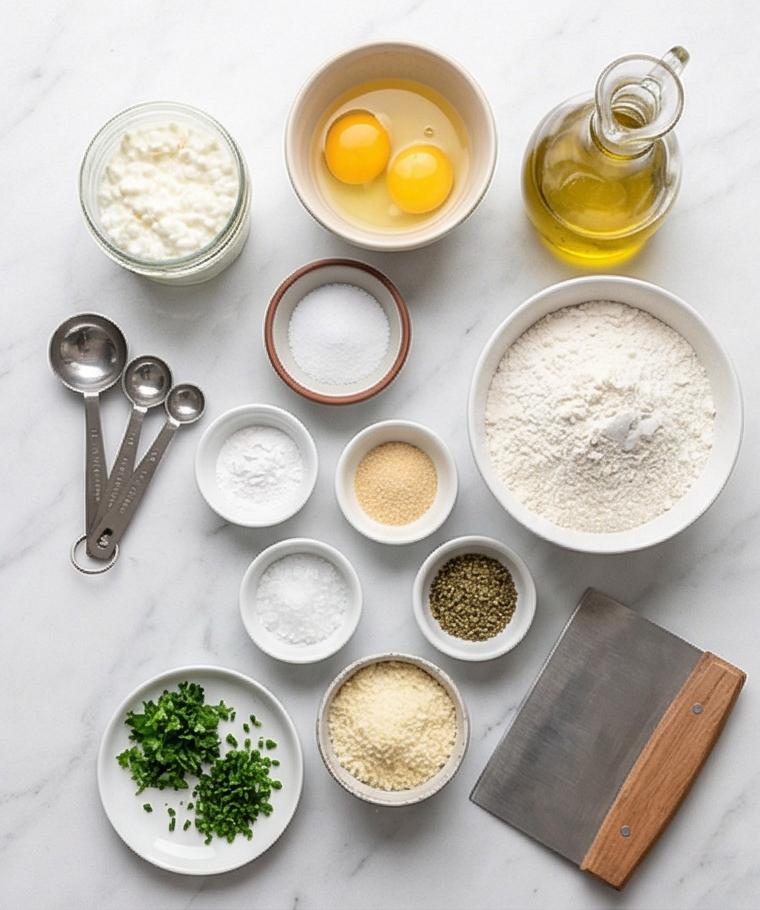
- Cottage Cheese: The creamy base that keeps the dough tender and adds gentle tang; if you need a substitute try ricotta drained well for a similar texture.
- Eggs: Bind and enrich the dough; use room temperature eggs to help the batter emulsify smoothly.
- Olive Oil: Adds richness and helps the crust brown; neutral oil works in a pinch.
- All-Purpose Flour: Provides structure; for a slightly more tender result, try half all-purpose and half pastry flour.
- Baking Powder and Baking Soda: Give a subtle lift so the flatbreads puff in places; don’t skip them.
- Seasonings and Toppings: Garlic powder, flaky salt, mixed Italian herbs and optional Parmesan finish the flavor – experiment with zaatar or smoked paprika.
Essential Kitchen Tools
A few simple tools make this recipe easier and more reliable. A baking sheet lined with parchment keeps the flatbreads from sticking and helps them brown evenly.
- Mixing bowl: Use a medium bowl to mash the cottage cheese and whisk the wet ingredients; a wide bowl gives you room to fold in the flour.
- Rolling pin: Helps you roll the dough thin and even; a wine bottle works for a no-fuss substitute.
- Parchment-lined baking sheet: Ensures easy release and quick cleanup; a pizza stone is an alternative if you like a crisper base.
- Wire rack: Lets the flatbreads cool without steaming so they stay soft but not soggy.
These tools are basic, but each one improves texture and makes the process more relaxed, especially when you are making several rounds.
Step-by-Step Preparation Guide
Step 1: Preheat and prepare the baking surface
Preheat the oven to 400°F (200°C) and line a large rectangular baking sheet with a sheet of parchment paper; set it aside on the marble. Lightly oil a small spot of the parchment with a tablespoon of olive oil so the finished flatbreads will release easily. Keep a clean, lightly floured area of the Carrara marble free for rolling and shaping.
Step 2: Mash the cottage cheese and make the wet mix
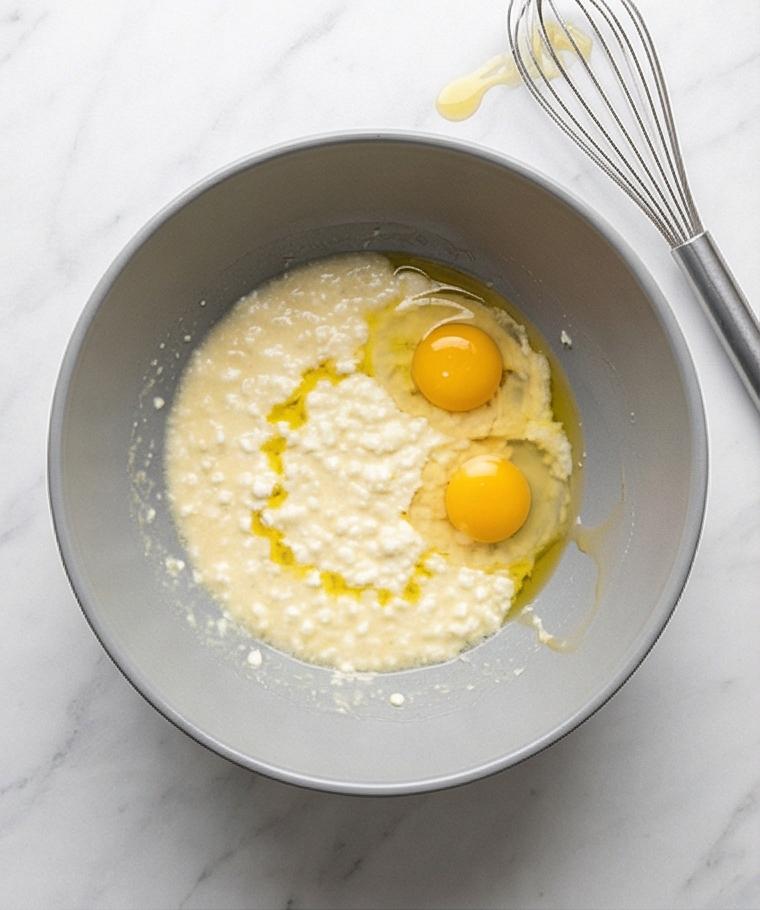
Place 1 cup (240 g) very well-drained full-fat small-curd cottage cheese into a medium matte grey ceramic bowl. Using a fork or small whisk, press and stir for 1–2 minutes until the curds are broken down into a creamy, slightly textured paste with only tiny curd bits remaining. Add the two room-temperature eggs, 1 tablespoon olive oil and 3/4 teaspoon fine sea salt, then whisk briskly until the mixture becomes smooth, thick, glossy and homogenous with tiny curd flecks suspended in the emulsion.
Step 3: Whisk the dry ingredients together
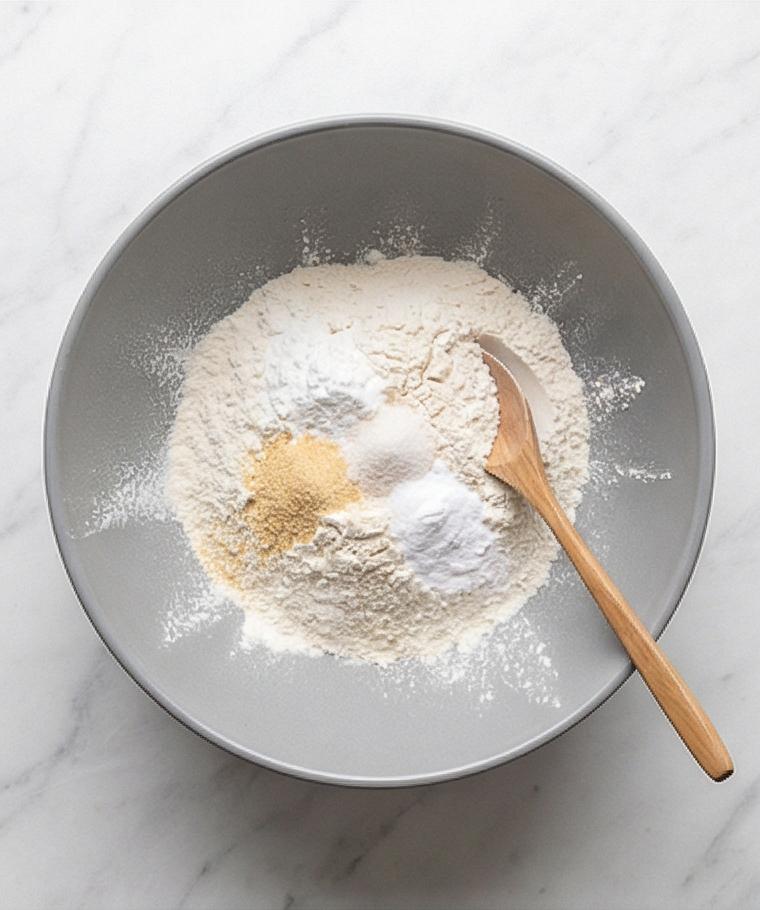
In the same matte grey ceramic bowl (or a matching large mixing bowl if you prefer continuity), combine 1 1/4 cups (150 g) all-purpose flour, 1 teaspoon baking powder, 1/4 teaspoon baking soda and 1/4 teaspoon garlic powder. Whisk until the pale flour turns uniform and aerated, with the tiny leavening granules evenly distributed – the surface should look soft, powdery and slightly billowed from the whisking.
Step 4: Combine wet into dry to form a soft dough
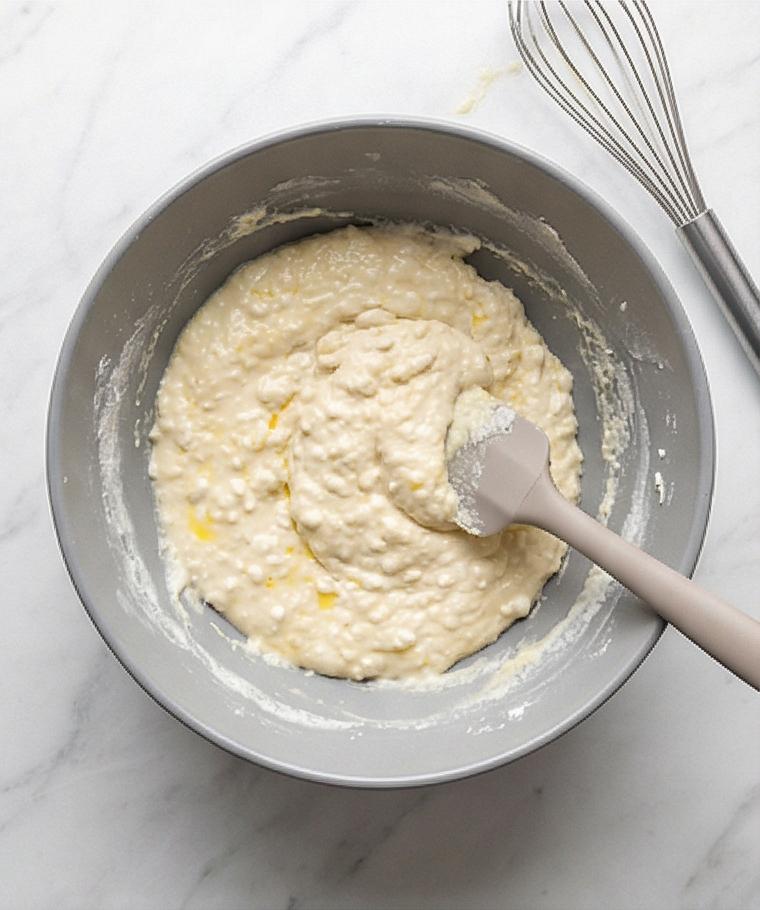
Make a well in the center of the dry flour and pour the cottage-cheese-and-egg mixture into it. Using a spatula, fold and stir from the center outward until the flour is fully moistened and a soft, slightly sticky dough forms. The dough should gather into a cohesive mass that clings a little to the spatula but pulls cleanly away from the bowl sides; it will feel supple and tender rather than dense.
Step 5: Knead gently, divide, and roll into balls
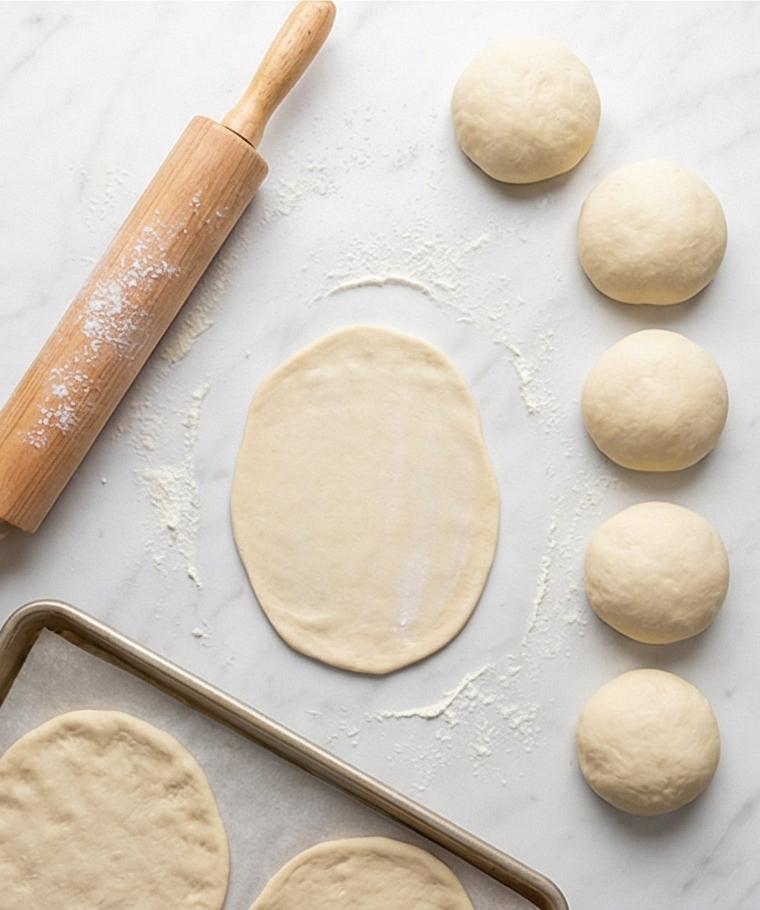
Turn the dough out onto the lightly floured Carrara marble surface. Dust the top lightly and knead just 1–2 minutes until smooth and only faintly tacky. Shape the dough into a rough log and cut into four equal pieces for medium flatbreads. Cup each piece and roll into tight dough balls, the surfaces taut and slightly domed, with a fine dusting of flour clinging to the seams.
Step 6: Roll out, arrange on the sheet, oil and season
Lightly flour the work surface and rolling pin; working one ball at a time, roll each into an oval or round about 6–7 inches (15–18 cm) across and 1/8–1/4 inch (3–5 mm) thick. Rotate the dough quarter turns between rolls so the shape stays even. Transfer each rolled round to the prepared parchment-lined rectangular baking sheet, spacing them so they do not touch. Brush each top lightly and evenly with the remaining tablespoon of olive oil and sprinkle with flaky sea salt, a scattering of dried mixed Italian herbs, and – if using – a thin dusting of finely grated Parmesan.
Step 7: Bake, cool briefly, garnish and serve
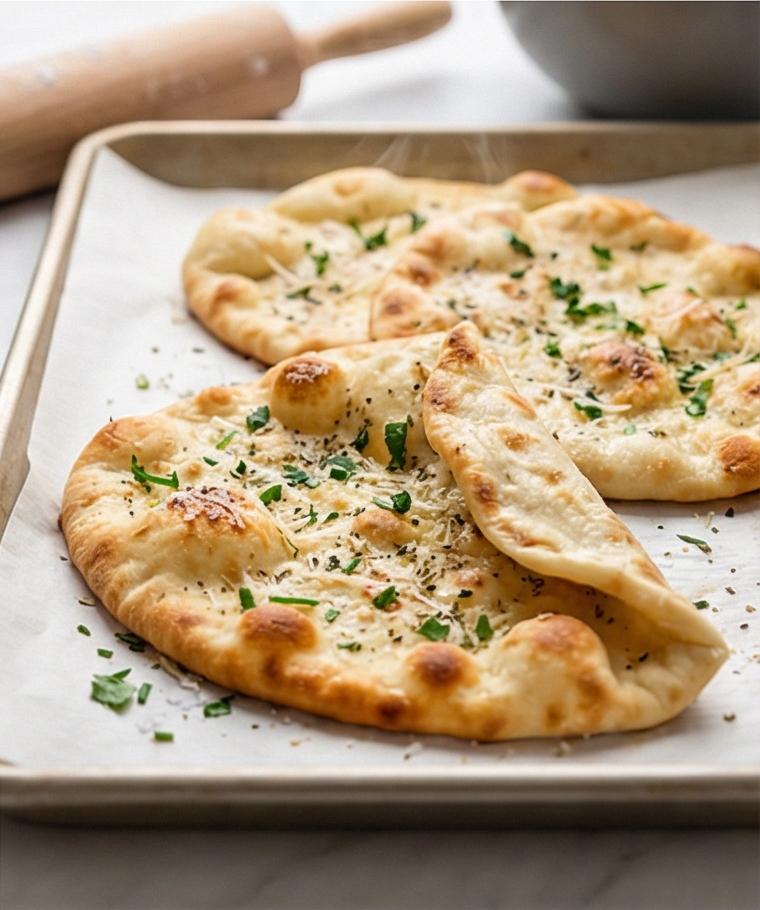
Slide the baking sheet (already pre-lined with the same parchment) into the preheated oven and bake until the flatbreads puff in spots and the edges turn a light golden brown, about 10–14 minutes. Remove the sheet and transfer the warm flatbreads to a wire rack to cool for 5 minutes so they remain soft and pliable. Finish with a sprinkle of finely chopped fresh parsley or chives and an extra pinch of flaky salt; serve warm as a base for sandwiches, with dips, or alongside salads.
Making It Your Own
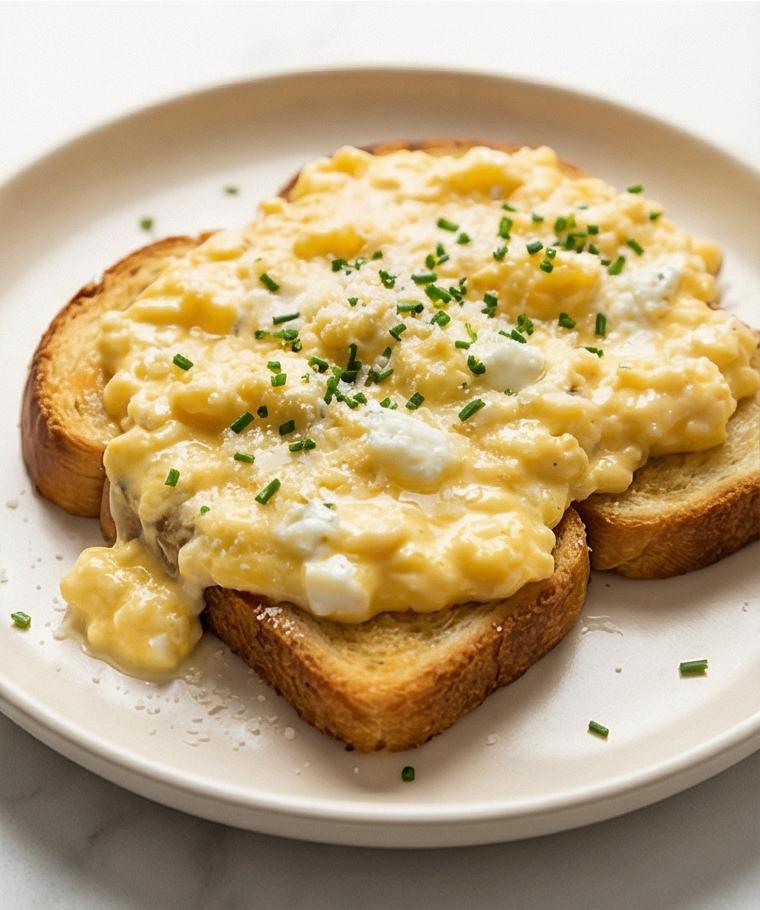
I like to tinker with toppings and mix-ins. For a vegetarian spin I add sliced olives and sun-dried tomatoes before baking; the oil from the tomatoes keeps the surface glossy and gives a salty bite. When I want a breakfast version I sprinkle a little grated cheddar and cracked black pepper, then serve warm with soft scrambled eggs.
For a gluten-free attempt I swap the all-purpose flour for a 1-to-1 gluten-free blend – the texture is slightly different but still satisfying. In summer I fold chopped fresh basil into the dough for a fragrant note. Small changes like switching the herb mix or adding a dusting of smoked paprika will transform the mood of the flatbread without complicating the method.
How to Serve
Think of these flatbreads as a blank canvas when you are hosting. For a casual party, warm several rounds and set out bowls of hummus, marinated artichokes, roasted peppers and crumbled feta so guests can build their own tartines. For a plated dinner, use one flatbread as a base for grilled chicken, lemony yogurt and a scattering of herbs.
Scale up by making multiple batches and keep finished flatbreads warm in a low oven (200°F / 95°C) covered with a clean towel. For a family lunch cut each flatbread in half and stack sandwiches with roasted vegetables or cold cuts; they hold up well and travel nicely.
Storage and Reheating Tips
Store leftover flatbreads in an airtight container or zip-top bag at room temperature for up to 1 day, or in the refrigerator for up to 3 days. If you want to freeze them, separate layers with parchment and freeze flat for up to 1 month.
To reheat, warm individual flatbreads in a dry skillet over medium heat for 1 to 2 minutes per side until pliable and slightly toasted, or pop them in a 350°F (175°C) oven for 5 minutes. If reheating from frozen, let them thaw briefly on the counter or reheat gently in a skillet with a lid so steam restores softness.
Common Mistakes and How to Avoid Them
One common slip is using cottage cheese that is too wet; be sure to drain it well or pat with a towel so the dough is not soggy. Another is overworking the dough – a quick 1 to 2 minute knead is enough to bring it together; over-kneading makes it tough.
Also, rolling too thin will yield crisp, cracker-like results, while rolling too thick risks underbaked centers. Aim for the suggested 1/8 to 1/4 inch thickness and watch the oven closely during the final minutes so you catch the light golden edges.
Final Thoughts and a Warm Invite
This Cottage Cheese Flatbread Recipe is forgiving, fast and endlessly adaptable, which is why I keep it in my back pocket for busy nights and impromptu guests. Give it a try this week, and don’t be afraid to make it your own with favorite herbs or toppings. When you do, tell me which variation became your new go-to.
Frequently Asked Questions.
-
Can I use low-fat cottage cheese instead of full-fat?
Yes, you can, but the texture will be slightly less rich. Drain it well and consider adding a teaspoon of olive oil if the dough feels dry. -
Can I make the dough ahead of time?
Yes, you can shape the dough balls and refrigerate them for up to 24 hours; bring them back to room temperature before rolling and baking. -
How thin should I roll the flatbreads?
Aim for about 1/8 to 1/4 inch thick. Thinner yields crisper results; thicker gives a softer, more pita-like texture. -
Are these flatbreads freezer-friendly?
Yes, cooled flatbreads freeze well. Separate with parchment and freeze for up to 1 month; reheat from thawed or gently from frozen. -
Can I make these dairy-free?
You could try a well-drained mashed silken tofu substitute, but results will vary. Cottage cheese provides both moisture and a slightly tangy flavor that is hard to fully replicate.
Cottage Cheese Flatbread Recipe
Make Cottage Cheese Flatbread Recipe: soft, tangy flatbreads ready in under 35 minutes—easy, versatile, and perfect for weeknight meals.
Ingredients
Instructions
Step 1: Preheat and prepare the baking surface
Preheat the oven to 400°F (200°C) and line a large rectangular baking sheet with a sheet of parchment paper; set it aside on the marble. Lightly oil a small spot of the parchment with a tablespoon of olive oil so the finished flatbreads will release easily. Keep a clean, lightly floured area of the Carrara marble free for rolling and shaping.
Step 2: Mash the cottage cheese and make the wet mix
Place 1 cup (240 g) very well-drained full-fat small-curd cottage cheese into a medium matte grey ceramic bowl. Using a fork or small whisk, press and stir for 1–2 minutes until the curds are broken down into a creamy, slightly textured paste with only tiny curd bits remaining. Add the two room-temperature eggs, 1 tablespoon olive oil and 3/4 teaspoon fine sea salt, then whisk briskly until the mixture becomes smooth, thick, glossy and homogenous with tiny curd flecks suspended in the emulsion.
Step 3: Whisk the dry ingredients together
In the same matte grey ceramic bowl (or a matching large mixing bowl if you prefer continuity), combine 1 1/4 cups (150 g) all-purpose flour, 1 teaspoon baking powder, 1/4 teaspoon baking soda and 1/4 teaspoon garlic powder. Whisk until the pale flour turns uniform and aerated, with the tiny leavening granules evenly distributed — the surface should look soft, powdery and slightly billowed from the whisking.
Step 4: Combine wet into dry to form a soft dough
Make a well in the center of the dry flour and pour the cottage-cheese-and-egg mixture into it. Using a spatula, fold and stir from the center outward until the flour is fully moistened and a soft, slightly sticky dough forms. The dough should gather into a cohesive mass that clings a little to the spatula but pulls cleanly away from the bowl sides; it will feel supple and tender rather than dense.
Step 5: Knead gently, divide, and roll into balls
Turn the dough out onto the lightly floured Carrara marble surface. Dust the top lightly and knead just 1–2 minutes until smooth and only faintly tacky. Shape the dough into a rough log and cut into four equal pieces for medium flatbreads. Cup each piece and roll into tight dough balls, the surfaces taut and slightly domed, with a fine dusting of flour clinging to the seams.
Step 6: Roll out, arrange on the sheet, oil and season
Lightly flour the work surface and rolling pin; working one ball at a time, roll each into an oval or round about 6–7 inches (15–18 cm) across and 1/8–1/4 inch (3–5 mm) thick. Rotate the dough quarter turns between rolls so the shape stays even. Transfer each rolled round to the prepared parchment-lined rectangular baking sheet, spacing them so they do not touch. Brush each top lightly and evenly with the remaining tablespoon of olive oil and sprinkle with flaky sea salt, a scattering of dried mixed Italian herbs, and — if using — a thin dusting of finely grated Parmesan.
Step 7: Bake, cool briefly, garnish and serve
Slide the baking sheet (already pre-lined with the same parchment) into the preheated oven and bake until the flatbreads puff in spots and the edges turn a light golden brown, about 10–14 minutes. Remove the sheet and transfer the warm flatbreads to a wire rack to cool for 5 minutes so they remain soft and pliable. Finish with a sprinkle of finely chopped fresh parsley or chives and an extra pinch of flaky salt; serve warm as a base for sandwiches, with dips, or alongside salads.
Notes
- Drain cottage cheese thoroughly to avoid a wet dough
- Use room temperature eggs to help the mixture emulsify
- Do not over-knead; 1-2 minutes is sufficient
- Roll to 1/8-1/4 inch thickness for best texture
- Store cooled flatbreads layered with parchment in the freezer
- Reheat in a dry skillet or low oven to restore pliability