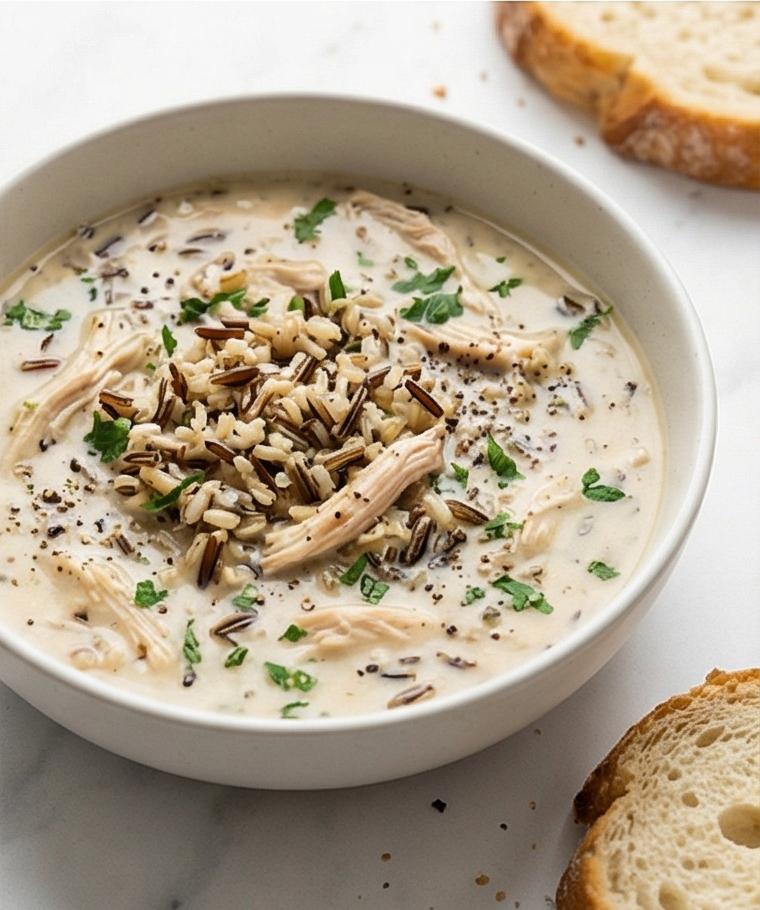
I can still remember the very first pot I made of Coconut Curry Lentil Soup Recipe, the way the kitchen filled with warm curry and coconut steam as I stirred. I always reach for this Coconut Curry Lentil Soup Recipe when I want something comforting but not heavy, a hug in a bowl that also happens to be full of bright flavors. Over the years I have learned small tweaks that bring balance and depth without complicating the process. If you love curry, coconut and satisfying plant protein, this soup will become one of your weeknight anchors.
How This Soup Became My Cozy Kitchen Staple
The first time I made this Coconut Curry Lentil Soup Recipe I was craving something that felt like a warm blanket after a long rainy afternoon. I remember chopping the onions to the soundtrack of steady rain and the kitchen turning aromatic as the coconut oil warmed. As the red lentils softened and the coconut milk added richness, the scent carried me to memories of street-food stalls where spice and comfort meet. I felt both proud and oddly nostalgic, like I had recreated a tiny travel moment in my own small pot. The lime and maple syrup finish surprised me with a bright, rounded balance, and by the time I dished it into bowls my whole apartment felt cozier. That first bowl was eaten slowly, with closed eyes and a resolve to keep a can of coconut milk in my pantry at all times.
The Ingredients That Make the Magic
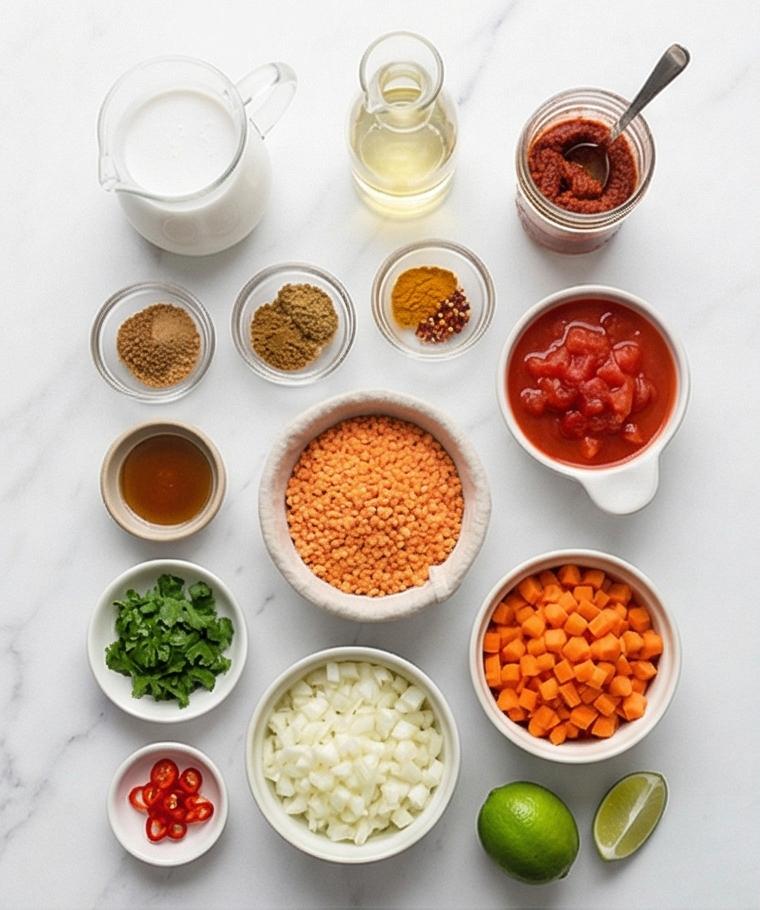
- Coconut Milk: The creamy backbone that brings silkiness and richness; full-fat gives the best mouthfeel. Substitute light coconut milk for fewer calories or use cashew cream for a different nutty richness.
- Red Lentils: They cook quickly and melt into the broth, giving body and protein. Green or brown lentils can work but need longer cooking and hold shape more.
- Red Thai Curry Paste: Gives heat, depth and aromatic curry notes. Substitute a tablespoon or two of paste with curry powder plus chili for a pantry-friendly swap.
- Canned Diced Tomatoes: Add acidity and body; whole peeled tomatoes crushed by hand also work. Choose a good-quality brand with no added sugar.
- Coconut Oil / Neutral Oil: For browning the aromatics; use vegetable oil or ghee for a different flavor profile.
Essential Tools for Great Results
Start with a short list and you will find this soup is forgiving, but a few tools make the process easier. A heavy-bottomed pot helps distribute heat and prevents scorching when you sauté the aromatics. A good wooden spoon keeps you in control while stirring and scraping. An immersion blender is optional but handy if you want a silkier texture without losing all the lentil bits. A fine-mesh sieve is useful if you rinse lentils thoroughly. If you do not have an immersion blender, transfer a portion to a regular blender in batches. Using a sharp knife and a stable cutting board saves time and keeps the vegetable pieces uniform.
- Heavy-bottomed pot: Ensures even heat and reduces burning.
- Wooden or heatproof spoon: For gentle stirring and scraping.
- Immersion blender (optional): For partial blending to add creaminess.
- Sharp chef’s knife and cutting board: For quick, safe prep.
Step-by-Step Preparation Guide
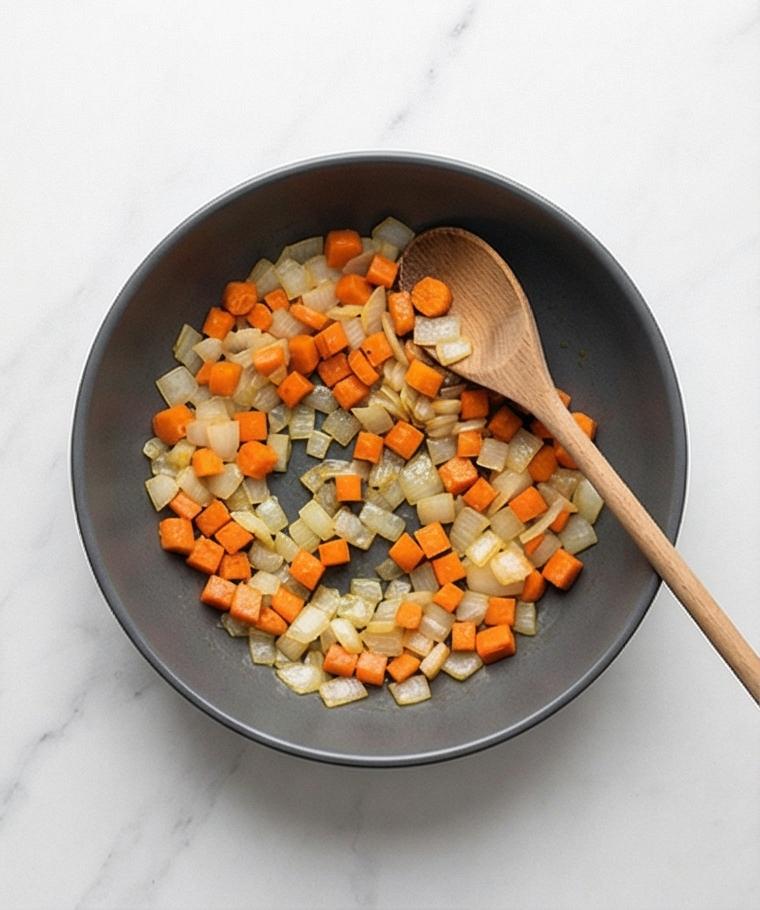
Step 1: Sauté the onion and carrots until soft
Heat the oil in a heavy pot (or imagine the result placed into your serving bowl) and add the finely diced yellow onion and peeled, finely diced carrots. Cook gently until the onion is translucent and the carrot pieces have softened, their edges just beginning to blush gold — the aroma should be sweet and savory. Keep stirring occasionally so nothing darkens; you want glossy, softened vegetables that still hold delicate shape and color.
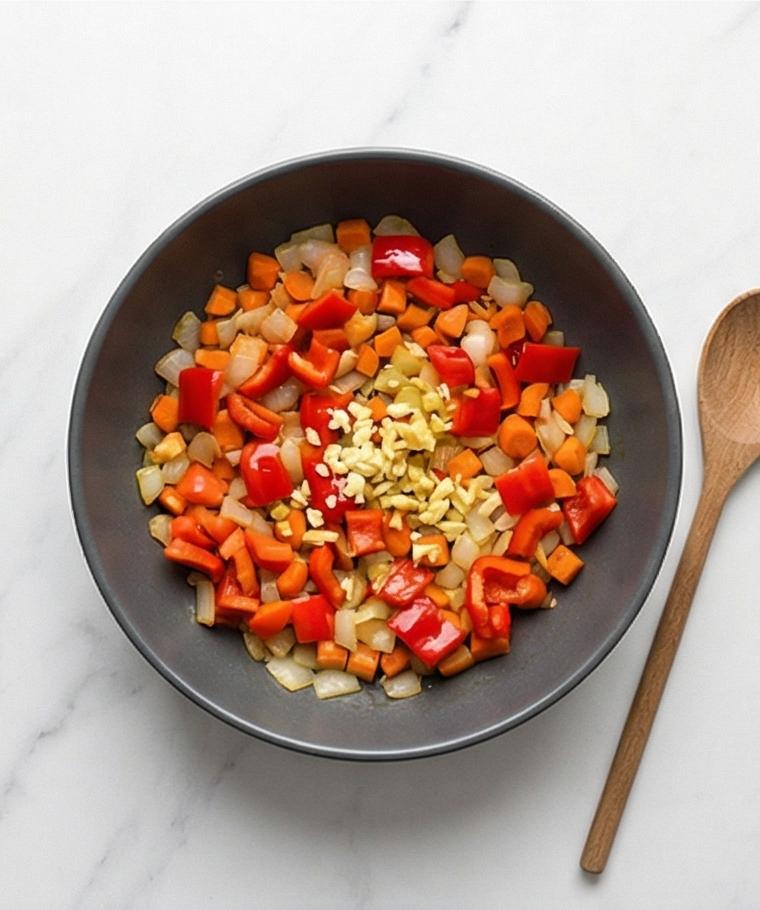
Step 2: Add red bell pepper, garlic and grated ginger
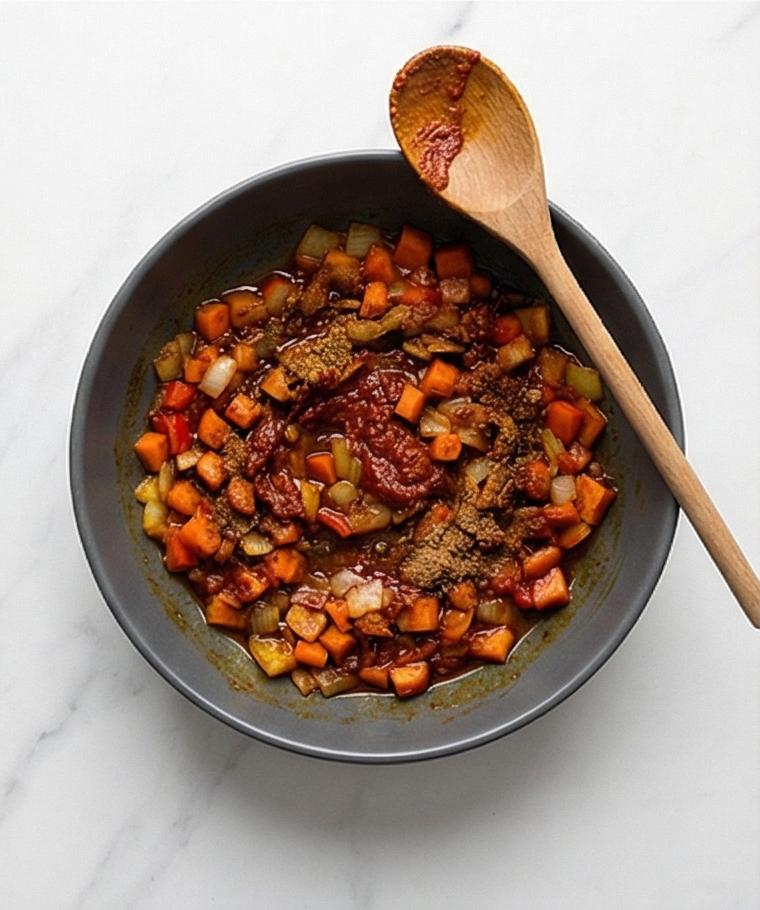
Fold in the diced red bell pepper, minced garlic and freshly grated ginger and cook briefly until everything smells bright and fragrant; the pepper should soften but keep a lively red hue and the garlic should appear softened and glossy, not browned. This stage is all about aromatic lift — the mixture reads as tender, slightly shiny vegetables flecked with minced garlic and pale threads of ginger.
Step 3: Bloom the red curry paste and dry spices
Stir in the red Thai curry paste, ground coriander, cumin, turmeric and optional red pepper flakes so the paste and spices coat the vegetables; cook just until the paste darkens slightly and the whole mixture takes on a richly spiced sheen. Texture shifts to a deeper, more cohesive paste-enrobed vegetable mass with tiny pockets of oil reflecting soft light.
Step 4: Add lentils, tomatoes, coconut milk and broth
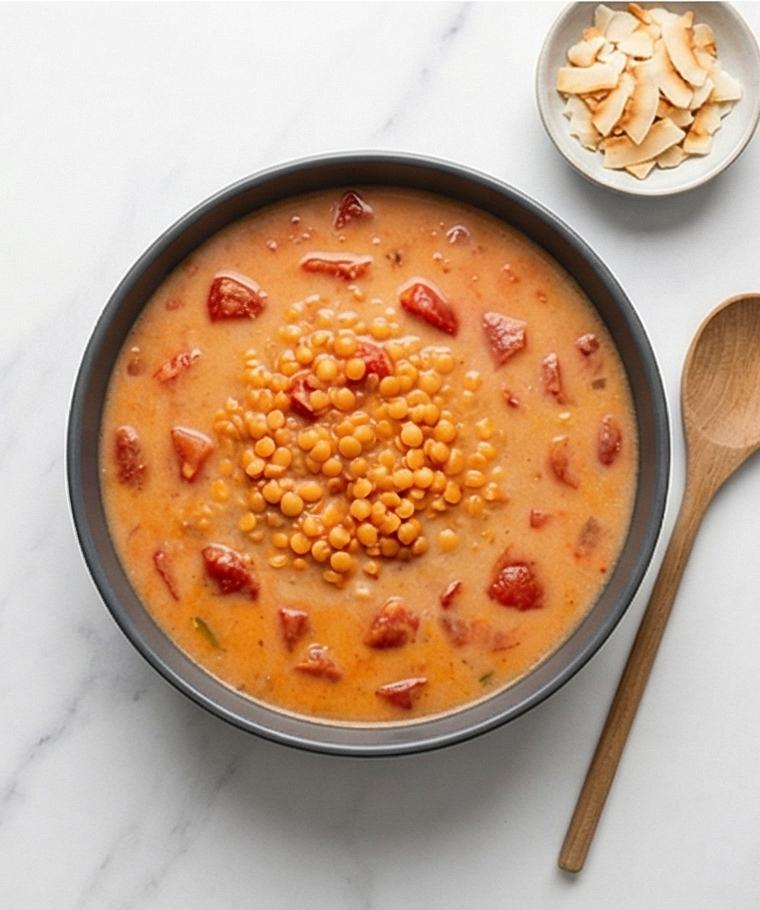
Add the rinsed red lentils, the can of diced tomatoes with their juices, the coconut milk, vegetable broth and a cup of water, seasoning with sea salt and black pepper. Stir thoroughly so the lentils are evenly distributed and the liquids create a glossy, orange-pink curry broth. The bowl should now read as a full, raw soup-stage: separated lentils visible, tomato chunks suspended in rich coconut-tomato liquid.
Step 5: Bring to a gentle boil then simmer until tender and thickened
Bring the mixture to an active boil briefly, then reduce to a gentle simmer and cook until the red lentils are very tender and beginning to break down, the broth thickening into a stew-like consistency. The visual change here is the lentils swelling and softening, edges blurring into the broth and transforming the liquid into a velvety, spoonable texture studded with softened vegetable pieces.
Step 6: Adjust texture and balance flavors
If the soup tightens up, add hot water a little at a time to reach an easily spoonable consistency. Stir in fresh lime juice and maple syrup (or brown sugar) to balance acidity; the surface should brighten subtly and show a glossier, unified texture as flavors meld during a short low simmer.
Step 7: Optionally blend for creaminess while retaining texture
For a creamier body, remove a portion and blend briefly or use an immersion blender for just a few seconds so some lentils remain whole — the result is a hybrid texture: silky soup with visible lentil and vegetable morsels for bite.
Step 8: Finish with cilantro and toasted coconut
Turn off the heat and stir in finely chopped cilantro, letting the soup sit for a few minutes so it thickens slightly and flavors settle. If using toasted coconut, quickly brown flakes in a dry skillet until fragrant and golden, then cool. The finished pot should look layered: glossy curry surface, fresh green cilantro flecks and the warm tan of toasted coconut flakes ready for garnish.
Step 9: Serve and garnish
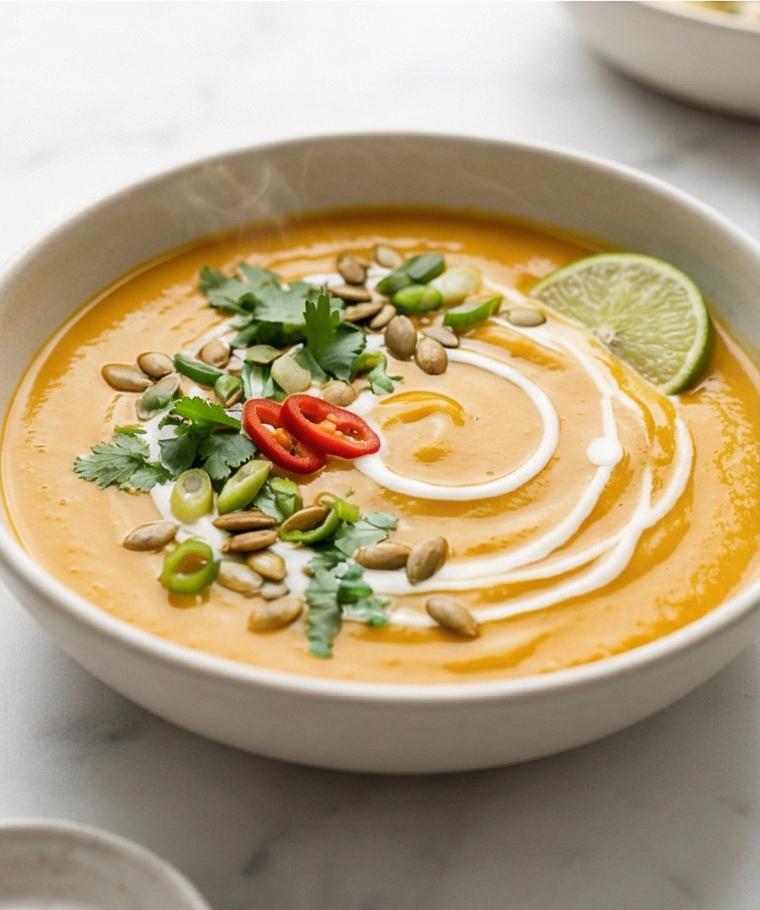
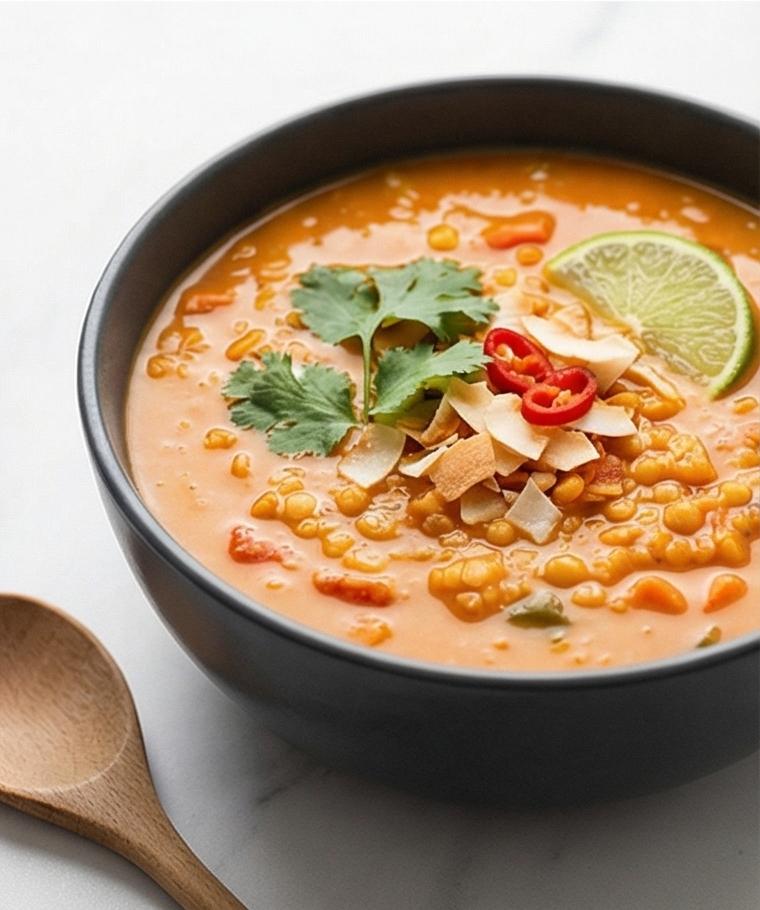
Ladle the hot coconut curry lentil soup into warm deep bowls, garnish with a sprinkle of chopped cilantro, a pinch of toasted coconut flakes and a few thin red chili slices if desired; serve with lime wedges and optional steamed rice on the side. The final presentation is a very close-up, eye-level capture of a steaming, silky-orange soup with visible lentils, bright cilantro, toasted coconut texture and a squeeze of lime on the rim.
Making It Your Own
I like to experiment with this base often. One favorite variation swaps half the coconut milk for plain Greek yogurt stirred in at the end for tang and protein; add it off-heat to prevent curdling. For a heartier winter bowl I stir in chopped sweet potato early with the carrots so it softens and enriches the texture. To make it meat-friendly, brown ground turkey or chicken and fold it in at the end. For a lighter summer twist I use light coconut milk, add extra lime and finish with thinly sliced cucumber on top. Each small change keeps the core character while adapting to seasons, diets or what is in the pantry.
How to Serve
When I host, I think about rhythm: a hot soup course followed by something bright and textural. Serve the Coconut Curry Lentil Soup Recipe in warmed deep bowls with a small side of steamed jasmine or basmati rice for soaking up the sauce. Offer lime wedges, extra chopped cilantro, toasted coconut flakes and thin sliced red chili so guests can customize heat and brightness. For larger groups, keep the soup in a covered slow cooker on low and provide bowls and garnishes buffet-style. To stretch it further, serve over rice noodles or alongside crusty bread and a lemony green salad.
Storage and Reheating Tips
Cool the soup to room temperature within two hours, then transfer to airtight containers. It keeps well in the refrigerator for up to 4 days. When cooling, leave a little headspace in the container; the coconut milk can expand slightly when chilled.
For longer storage, freeze in portions for up to 3 months. Thaw overnight in the refrigerator, then reheat gently over low heat, stirring to reincorporate any separated coconut fat. If the soup thickens after chilling, add hot water or broth a bit at a time while reheating until you reach the desired spoonable consistency.
Common Slipups and How to Dodge Them
Overcooking the aromatics is an easy mistake; keep the heat moderate and stir frequently so the onion and garlic soften without browning too much. Burnt garlic will make the whole pot taste bitter.
Another common issue is the soup becoming too thick after cooling. Prevent this by holding back a small cup of hot water to adjust texture at the end, and remember you can always thin with broth or hot water while reheating. Taste and adjust salt and lime at the end for the best balance.
Final Thoughts and an Invitation
If you try this Coconut Curry Lentil Soup Recipe, give it a few small tweaks to make it yours and notice how it rewards simple attention. It is forgiving, endlessly adaptable and quick enough for weeknights while special enough for guests. Scoop a bowl, add your favorite garnish and enjoy a cozy, flavorful meal.
Frequently Asked Questions.
- What can I use if I do not have red lentils? You can use green or brown lentils, but expect longer cooking and a firmer texture; increase the simmer time until tender.
- Can I make this soup vegan? Yes. The recipe as written is vegan when you use vegetable broth and maple syrup; just avoid ghee or animal fats.
- How spicy is the Coconut Curry Lentil Soup Recipe? Heat level depends on the red Thai curry paste and optional red pepper flakes; start with less paste and add more to taste.
- Can I freeze the soup? Yes, freeze in airtight portions for up to 3 months. Thaw overnight in the refrigerator and reheat gently, adding liquid if needed.
- How do I keep the coconut milk from separating? Stir well while reheating and avoid high, rolling heat; gentle warming and a short whisk will bring it back together.
Coconut Curry Lentil Soup Recipe
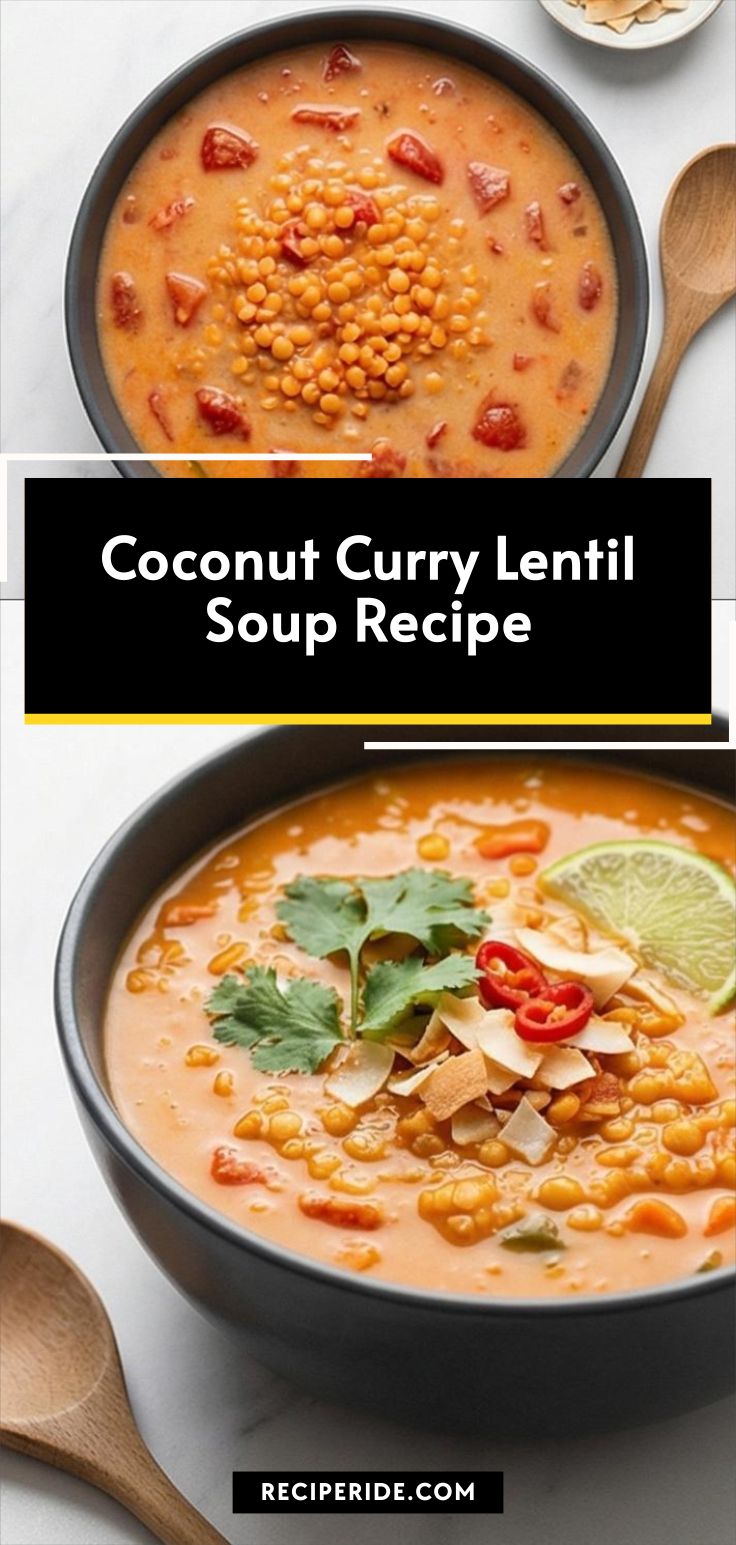
Make Coconut Curry Lentil Soup Recipe: creamy, spiced coconut curry lentil soup ready in about 45 minutes.
Ingredients
Instructions
Step 1: Sauté the onion and carrots until soft
Heat the oil in a heavy pot (or imagine the result placed into your serving bowl) and add the finely diced yellow onion and peeled, finely diced carrots. Cook gently until the onion is translucent and the carrot pieces have softened, their edges just beginning to blush gold — the aroma should be sweet and savory. Keep stirring occasionally so nothing darkens; you want glossy, softened vegetables that still hold delicate shape and color.
Step 2: Add red bell pepper, garlic and grated ginger
Fold in the diced red bell pepper, minced garlic and freshly grated ginger and cook briefly until everything smells bright and fragrant; the pepper should soften but keep a lively red hue and the garlic should appear softened and glossy, not browned. This stage is all about aromatic lift — the mixture reads as tender, slightly shiny vegetables flecked with minced garlic and pale threads of ginger.
Step 3: Bloom the red curry paste and dry spices
Stir in the red Thai curry paste, ground coriander, cumin, turmeric and optional red pepper flakes so the paste and spices coat the vegetables; cook just until the paste darkens slightly and the whole mixture takes on a richly spiced sheen. Texture shifts to a deeper, more cohesive paste-enrobed vegetable mass with tiny pockets of oil reflecting soft light.
Step 4: Add lentils, tomatoes, coconut milk and broth
Add the rinsed red lentils, the can of diced tomatoes with their juices, the coconut milk, vegetable broth and a cup of water, seasoning with sea salt and black pepper. Stir thoroughly so the lentils are evenly distributed and the liquids create a glossy, orange-pink curry broth. The bowl should now read as a full, raw soup-stage: separated lentils visible, tomato chunks suspended in rich coconut-tomato liquid.
Step 5: Bring to a gentle boil then simmer until tender and thickened
Bring the mixture to an active boil briefly, then reduce to a gentle simmer and cook until the red lentils are very tender and beginning to break down, the broth thickening into a stew-like consistency. The visual change here is the lentils swelling and softening, edges blurring into the broth and transforming the liquid into a velvety, spoonable texture studded with softened vegetable pieces.
Step 6: Adjust texture and balance flavors
If the soup tightens up, add hot water a little at a time to reach an easily spoonable consistency. Stir in fresh lime juice and maple syrup (or brown sugar) to balance acidity; the surface should brighten subtly and show a glossier, unified texture as flavors meld during a short low simmer.
Step 7: Optionally blend for creaminess while retaining texture
For a creamier body, remove a portion and blend briefly or use an immersion blender for just a few seconds so some lentils remain whole — the result is a hybrid texture: silky soup with visible lentil and vegetable morsels for bite.
Step 8: Finish with cilantro and toasted coconut
Turn off the heat and stir in finely chopped cilantro, letting the soup sit for a few minutes so it thickens slightly and flavors settle. If using toasted coconut, quickly brown flakes in a dry skillet until fragrant and golden, then cool. The finished pot should look layered: glossy curry surface, fresh green cilantro flecks and the warm tan of toasted coconut flakes ready for garnish.
Step 9: Serve and garnish
Ladle the hot coconut curry lentil soup into warm deep bowls, garnish with a sprinkle of chopped cilantro, a pinch of toasted coconut flakes and a few thin red chili slices if desired; serve with lime wedges and optional steamed rice on the side. The final presentation is a very close-up, eye-level capture of a steaming, silky-orange soup with visible lentils, bright cilantro, toasted coconut texture and a squeeze of lime on the rim.
Notes
- Cool leftovers before refrigerating to preserve texture and flavor.
- Reserve a little hot water to adjust thickness when reheating.
- Toast coconut flakes quickly in a dry skillet for added crunch before serving.
- Taste and adjust salt and lime at the end for the best balance.