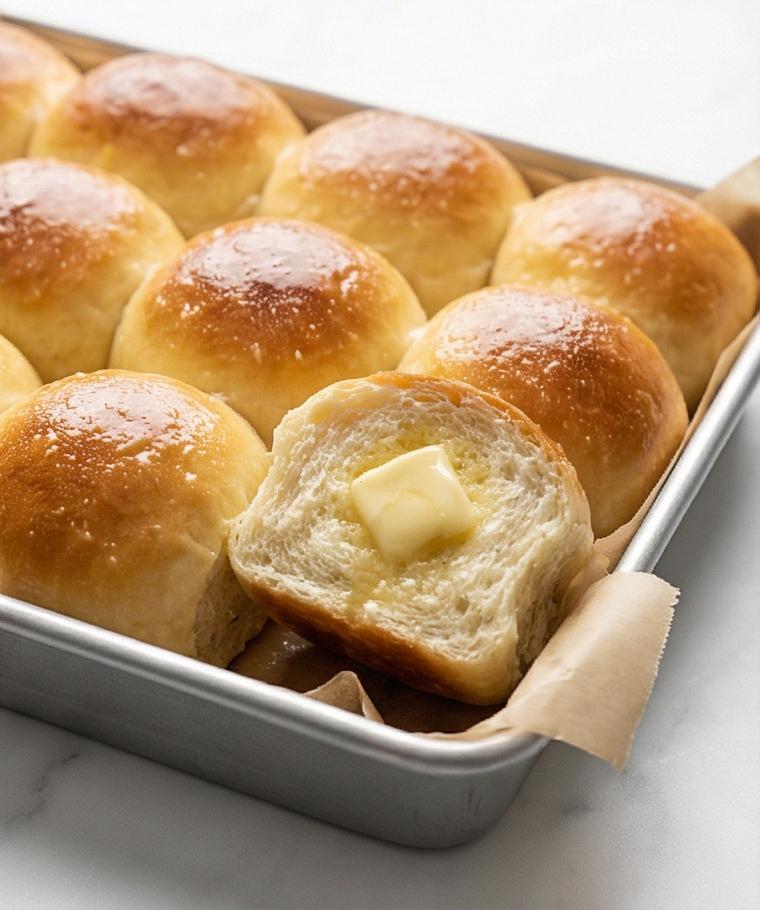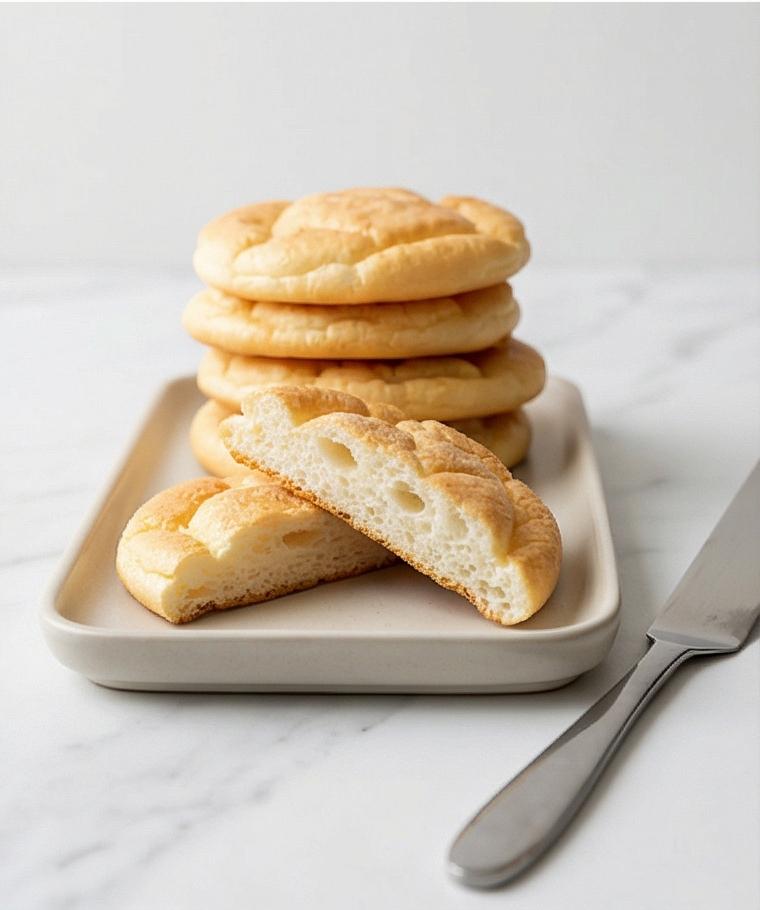
I still remember the first time I baked this Jalapeno Cheddar Bread Recipe for a potluck and watched strangers go back for thirds. The smell of toasted cheddar and warm jalapeño filled my kitchen and put everyone in a good mood. I kept the technique simple, which is why this Jalapeno Cheddar Bread Recipe lives on my weekend baking rotation. If you like a little heat with your carbs, this loaf is the perfect mix of comforting and cheeky.
How This Loaf Became My Go-To Comfort Bake
I baked this Jalapeno Cheddar Bread Recipe on a rainy Sunday when I needed something to lift the house. The dough felt cool and slightly tacky under my fingertips, and when I folded in the cheddar and jalapeños, bright orange and green flecks peeked through like well-deserved confetti. The first bite was warm, with cheddar melting into little pockets and the jalapeño giving a gentle, smoky bite rather than an aggressive burn. I felt proud handing slices to neighbors, watching their faces light up as the bread’s savory, slightly spicy aroma wrapped around a plate of butter. It turned a grey afternoon into something cozy and communal.
Main Ingredients That Make the Flavor Pop
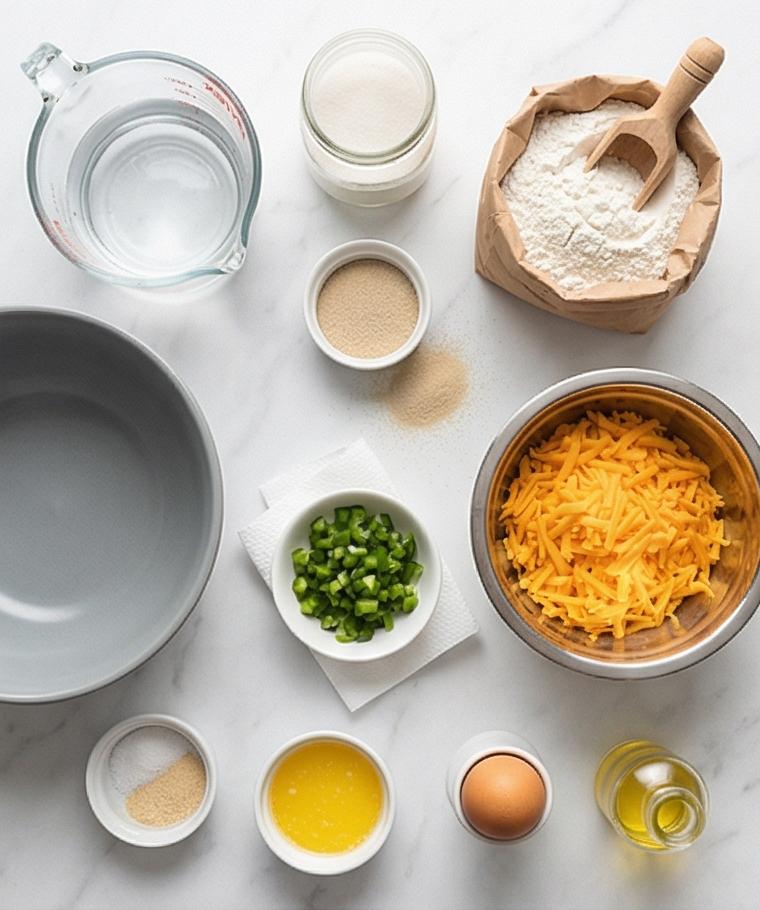
This loaf leans on a few simple ingredients to create layers of flavor and texture. Choose high-quality staples and keep the jalapeños very dry so they do not add excess moisture. If you need swaps, see the notes beside each ingredient.
- Warm Water: Activates the yeast and sets dough temperature; substitute with milk for a richer crumb.
- Granulated Sugar: Feeds the yeast and helps browning; honey works too but reduce liquid slightly.
- Active Dry Yeast: The rising agent; instant yeast can be used at about 20 percent less and mixed with the flour.
- Bread Flour: Gives chew and structure; all-purpose will work but expect a softer crumb.
- Fine Sea Salt: Balances flavor; table salt is okay, but reduce quantity slightly.
- Unsalted Butter: Adds richness; use olive oil for a dairy-free version.
- Egg: Binds and tenderizes; use a flax ‘egg’ for vegan swaps though texture will change.
- Jalapeños: Provide bright heat; poblano or canned green chiles create milder variations.
- Sharp Cheddar: The cheesy backbone; aged cheddar gives more bite, Monterey Jack melts creamier.
Essential Kitchen Tools and Why They Matter
A few reliable tools make this recipe easy and consistent. You do not need fancy gear, but the right alternatives will help you avoid frustration and get a great loaf every time.
- Digital Thermometer: Ensures the water is the right temperature for yeast activation and verifies loaf doneness.
- Mixing Bowl (large): Lets the dough expand; a stand mixer with a dough hook is a handy alternative for less kneading.
- Loaf Pan (9 x 5 inches): Keeps the shape uniform; a free-form oval on a baking sheet will work but bake time may vary.
- Bench Scraper: Makes folding, portioning, and cleaning easier; a sturdy spatula can substitute.
- Cooling Rack: Prevents a soggy crust by allowing airflow; place directly on a clean surface if you do not have one.
Step-by-Step Preparation Guide.
Step 1: Proof the yeast
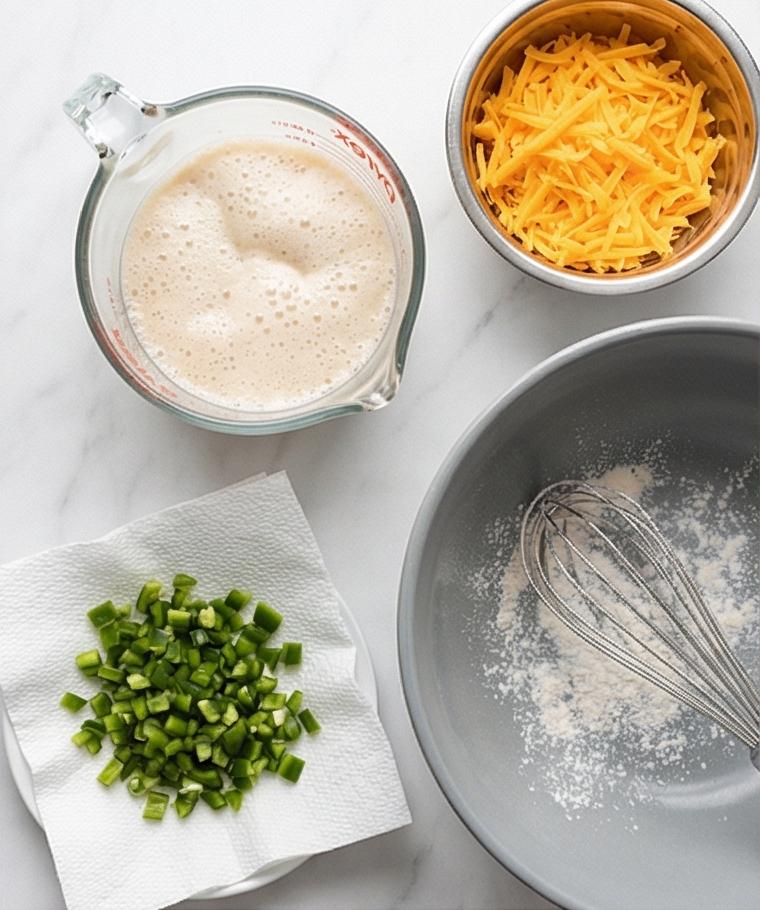
In a medium glass measuring cup combine warm water (105–110°F) with the granulated sugar, stirring until dissolved. Sprinkle the active dry yeast across the surface and let it sit undisturbed until the top becomes visibly foamy and aromatic—this bloom is the first sign the dough will rise. If the mixture does not develop a fluffy foam and a yeasty smell, discard and start over with fresh yeast.
Step 2: Prep the jalapeños and cheddar
Seed and finely dice the jalapeños, then spread them on a paper towel and press gently to remove as much surface moisture as possible so they won’t make the dough gummy. Coarsely shred the sharp cheddar and divide it into the portion for the dough and a chilled portion reserved for topping. Keep the topping cheese cold until ready to use for better melting control.
Step 3: Mix the dry ingredients
In a large matte-grey ceramic mixing bowl whisk together the bread flour, fine sea salt, and garlic powder (if using) until evenly distributed. You should see a fine, powdery surface with faint ripples where the whisk passed through—this is the dry canvas the wet ingredients will hydrate.
Step 4: Combine wet ingredients
To the foamy yeast, whisk in the melted, slightly cooled unsalted butter and the room-temperature egg until the liquid is smooth, pale, and slightly glossy. The mixture should be homogenous, with the butter fully incorporated and no streaks of yolk.
Step 5: Form a rough dough
Make a well in the center of the flour mixture and pour in the wet ingredients. Fold with a sturdy spatula or, on low speed, the dough hook until a rough, shaggy dough forms and most of the flour is moist—expect an irregular, clumped surface with dry flour pockets at the edges.
Step 6: Knead to a smooth, elastic dough
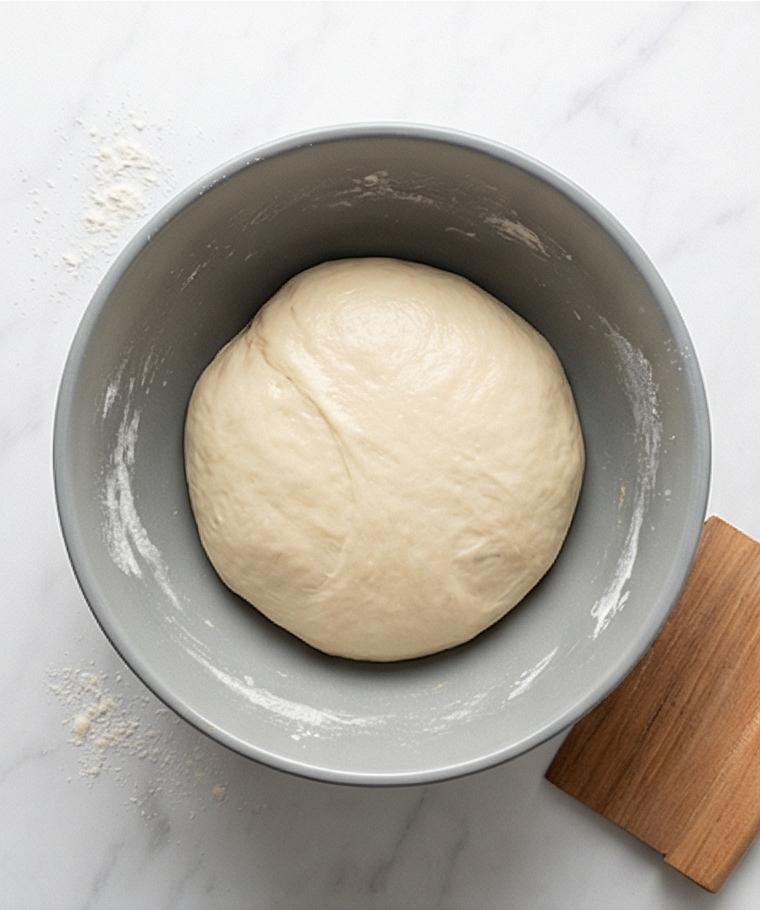
Turn the shaggy mass onto a lightly floured surface (or continue in the mixer) and knead until the dough becomes smooth, elastic, and slightly tacky but not sticky; this usually takes 6–10 minutes depending on method. The dough should pass from ragged clumps to a satin-like surface that springs back when gently pressed.
Step 7: Add the jalapeños and cheddar into the dough
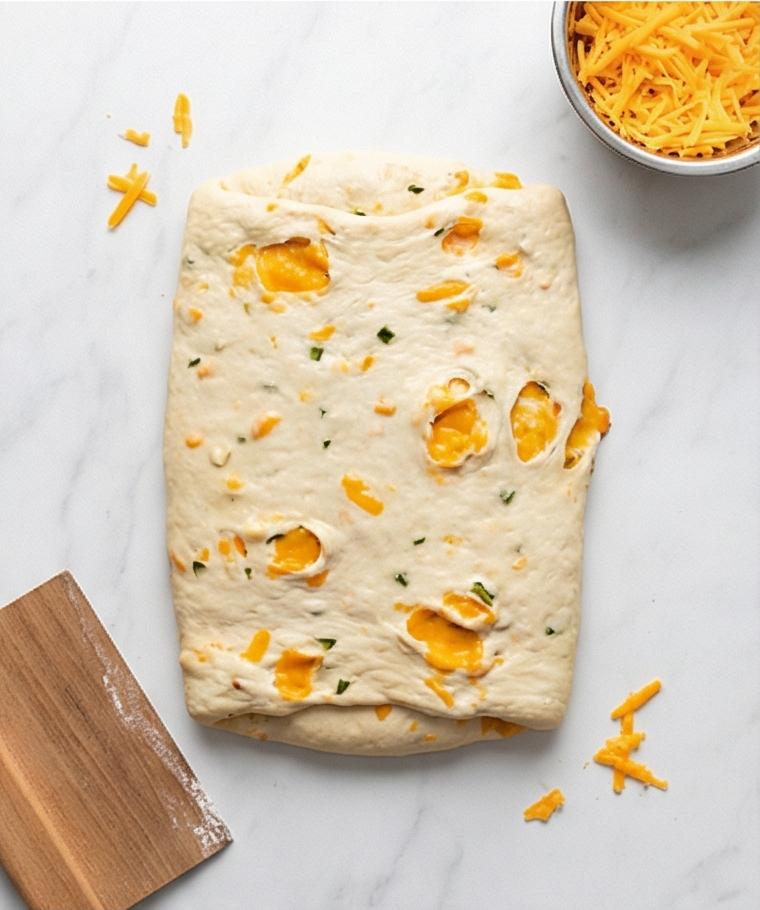
Flatten the kneaded dough into a rectangle and scatter the measured cheddar and the very dry chopped jalapeños evenly across the surface. Fold the dough over like a letter and knead gently just until the add-ins are well distributed—patches of orange cheese and green jalapeño flecks should be visible through the dough’s slightly glossy skin.
Step 8: Shape and rest in an oiled bowl
Lightly oil a clean large bowl with neutral oil or soft butter and shape the dough into a smooth ball by tucking the edges under. Place the dough seam-side down in the bowl, cover tightly with plastic wrap or a damp towel, and set it somewhere warm and draft-free.
Step 9: First rise until doubled
Allow the dough to rise at roughly 75–80°F until doubled in size, about 60–75 minutes. The surface should look puffed and smooth; a gentle poke will leave an indentation that slowly springs back.
Step 10: Prep pan and preheat
Near the end of the rise, lightly grease a 9 x 5–inch loaf pan and preheat the oven to 375°F with the oven rack in the center position so the loaf bakes evenly.
Step 11: Deflate gently and shape
Turn the risen dough out onto a lightly floured surface, pressing gently to expel large air pockets while keeping the interior light. Press the dough into an 8 x 10–inch rectangle, taking care not to over-deflate the crumb.
Step 12: Roll into a tight log
From the short side, roll the dough up tightly into a log and pinch the seam closed to create surface tension. Tuck the ends under so the loaf is neat and uniform, then transfer it seam-side down into the prepared 9 x 5–inch loaf pan.
Step 13: Second rise in the pan
Cover the pan loosely and let the loaf rise again in a warm spot for 30–45 minutes, until it has risen about 1 inch above the rim and looks puffy—when you press the side the indentation should slowly spring back but remain faintly visible.
Step 14: Egg wash (or milk) and top with cheese
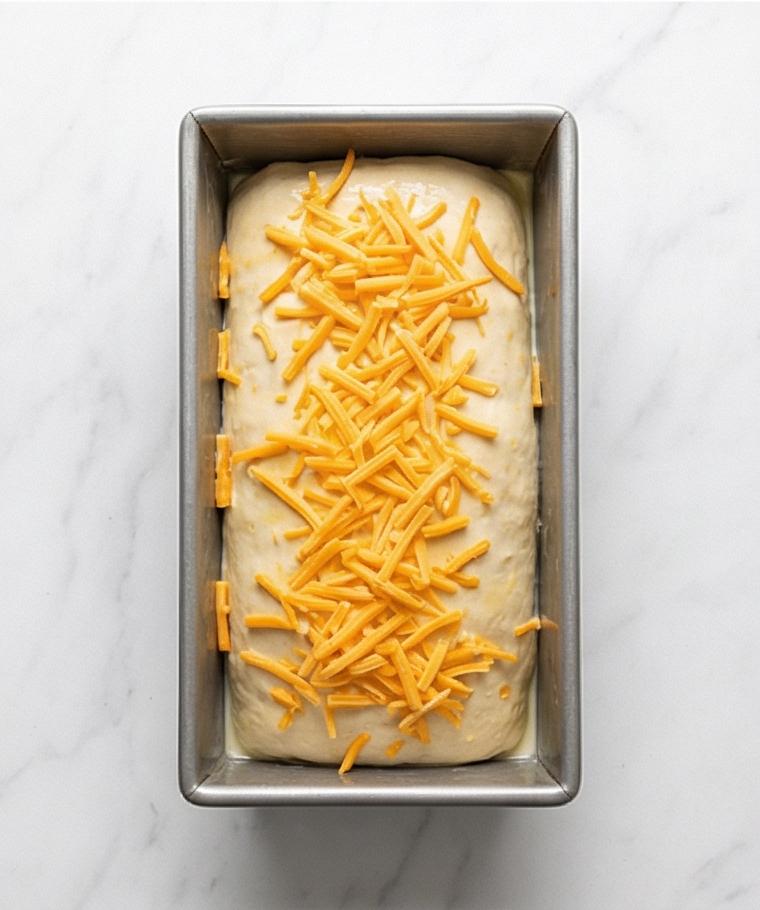
Just before baking, brush the top of the risen loaf lightly with milk, cream, or a thin egg wash, then sprinkle the reserved shredded cheddar evenly over the surface. If you like, finish with a light dusting of smoked paprika for color and aroma.
Step 15: Bake until deep golden
Place the loaf (still in the pan) on the center rack and bake at 375°F for 25–30 minutes, looking for a deep golden-brown top with melted, bubbling cheese. The crust should sound hollow when tapped and an instant-read thermometer inserted into the center will read 195–200°F when done.
Step 16: Tent if browning too quickly
If the top browns before the center reaches the target temperature, tent the loaf loosely with foil to prevent overbrowning while the interior finishes baking.
Step 17: Cool in the pan briefly, then on a rack
Remove the pan from the oven and let the loaf rest in the pan on a cooling rack for 10 minutes to set the crumb. Carefully turn the loaf out onto the rack and let it cool at least another 30 minutes so the interior finishes its final set and the cheese stops pooling.
Step 18: Slice and serve
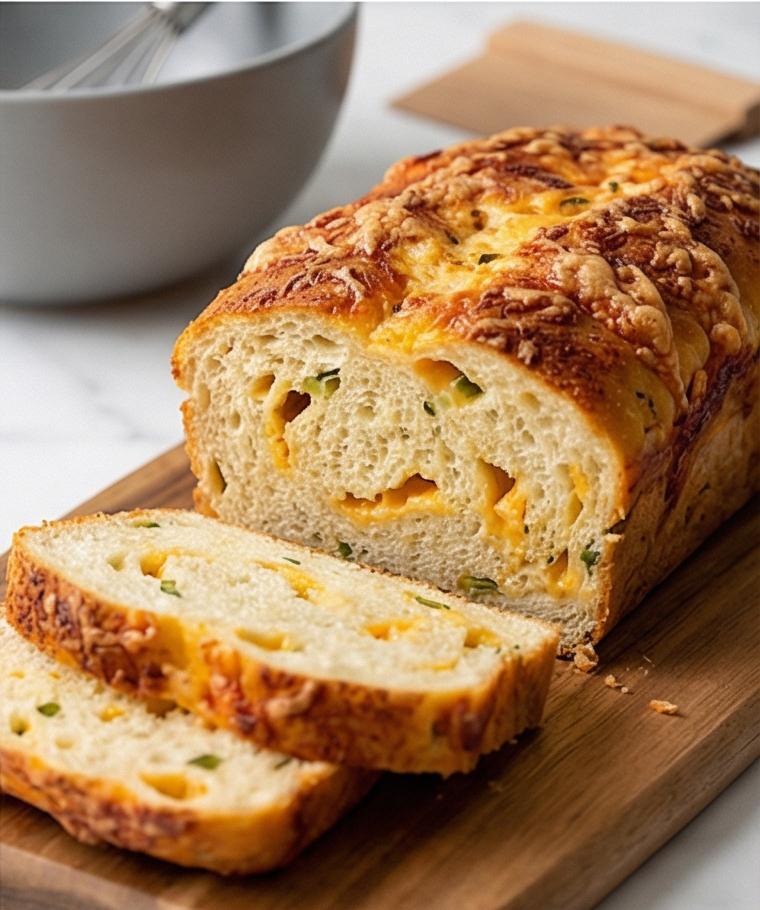
Using a sharp serrated knife, slice the loaf into uniform pieces. Serve slightly warm or at room temperature—this bread shines plain, with butter, or as the foundation for grilled cheese or savory French toast.
Step 19: Store or freeze leftovers
After the loaf cools completely, wrap tightly in plastic wrap or place in an airtight container for up to two days at room temperature. For longer storage, slice and freeze well-wrapped for up to two months; reheat slices in a toaster or a 350°F oven until warmed through.
Making It Your Own
I often tinker with the add-ins depending on season and mood. Try swapping half the cheddar for smoked gouda and you get a richer, more complex flavor with the same melt. For a milder loaf, use poblano or roasted red peppers in place of jalapeños. If you need dairy-free, grated plant-based cheddar plus olive oil works, though the crumb is slightly different.
How to Serve
Picture a small dinner party: slice the loaf thinly and place on a warmed wooden board with softened butter, pickles, and a simple green salad. For larger groups, cut thicker slices and set up a build-your-own sandwich station with roasted turkey and tomato. To stretch servings, bake two smaller loaves and cut into thin slices for appetizers or toast for brunch.
Storage and Reheating Tips
Let the loaf cool fully before wrapping; warm bread traps steam and gets soggy. Store wrapped at room temperature for up to two days in a cool, dry spot.
For longer storage, slice and freeze. Reheat frozen slices in a 350°F oven for about 8–10 minutes or toast them directly for a quick fix. If the crust softens after storage, a short re-toast restores crunch.
Common Mistakes and How to Avoid Them
Not drying the jalapeños enough can make the dough gummy; always pat them very dry and spread them on a towel. Overworking add-ins will crush the peppers and smear cheese; fold gently to keep pockets of flavor.
Underproofing or overproofing will affect texture. Aim for the dough to double and for the second rise to be puffy but not collapsing. Use a timer and look for visual cues rather than relying only on minutes.
Ready to Bake
Give this Jalapeno Cheddar Bread Recipe a try this weekend. You will enjoy the way sharp cheddar and gentle heat turn simple bread into something worth sharing.
Frequently Asked Questions.
- What level of spiciness should I expect from this loaf?
- Expect a gentle, bright heat that complements the cheddar rather than overpowering it. Remove seeds to reduce heat.
- Can I make this bread without a stand mixer?
- Yes, all steps can be done by hand; kneading by hand takes about 6–10 minutes and is very satisfying.
- How do I know when the bread is fully baked?
- Look for a deep golden top, a hollow sound when tapped, or an internal temperature of 195–200°F.
- Can I prepare the dough the night before?
- Yes, refrigerate the dough after the first rise to develop flavor and bake the next day; bring to room temperature before shaping.
- Is there a good substitute for sharp cheddar?
- Aged gouda, gruyere, or a sharp monterey jack work well depending on how bold or melty you want the loaf.
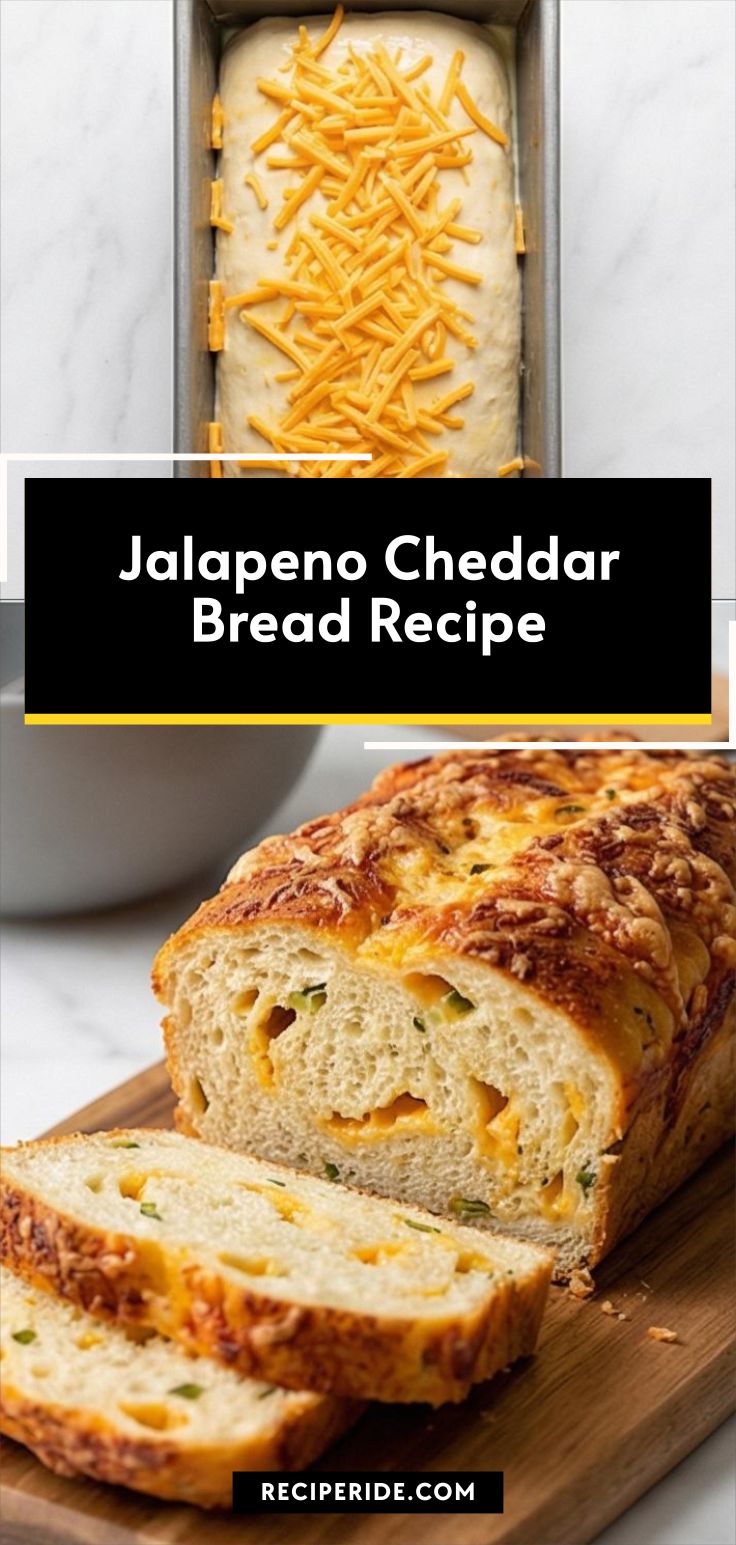
Jalapeno Cheddar Bread Recipe
Bake the Jalapeno Cheddar Bread Recipe for a cheesy, spicy loaf perfect for sandwiches and toast.
Ingredients
Instructions
Step 1: Proof the yeast
In a medium glass measuring cup combine warm water (105–110°F) with the granulated sugar, stirring until dissolved. Sprinkle the active dry yeast across the surface and let it sit undisturbed until the top becomes visibly foamy and aromatic—this bloom is the first sign the dough will rise. If the mixture does not develop a fluffy foam and a yeasty smell, discard and start over with fresh yeast.
Step 2: Prep the jalapeños and cheddar
Seed and finely dice the jalapeños, then spread them on a paper towel and press gently to remove as much surface moisture as possible so they won’t make the dough gummy. Coarsely shred the sharp cheddar and divide it into the portion for the dough and a chilled portion reserved for topping. Keep the topping cheese cold until ready to use for better melting control.
Step 3: Mix the dry ingredients
In a large matte-grey ceramic mixing bowl whisk together the bread flour, fine sea salt, and garlic powder (if using) until evenly distributed. You should see a fine, powdery surface with faint ripples where the whisk passed through—this is the dry canvas the wet ingredients will hydrate.
Step 4: Combine wet ingredients
To the foamy yeast, whisk in the melted, slightly cooled unsalted butter and the room-temperature egg until the liquid is smooth, pale, and slightly glossy. The mixture should be homogenous, with the butter fully incorporated and no streaks of yolk.
Step 5: Form a rough dough
Make a well in the center of the flour mixture and pour in the wet ingredients. Fold with a sturdy spatula or, on low speed, the dough hook until a rough, shaggy dough forms and most of the flour is moist—expect an irregular, clumped surface with dry flour pockets at the edges.
Step 6: Knead to a smooth, elastic dough
Turn the shaggy mass onto a lightly floured surface (or continue in the mixer) and knead until the dough becomes smooth, elastic, and slightly tacky but not sticky; this usually takes 6–10 minutes depending on method. The dough should pass from ragged clumps to a satin-like surface that springs back when gently pressed.
Step 7: Add the jalapeños and cheddar into the dough
Flatten the kneaded dough into a rectangle and scatter the measured cheddar and the very dry chopped jalapeños evenly across the surface. Fold the dough over like a letter and knead gently just until the add-ins are well distributed—patches of orange cheese and green jalapeño flecks should be visible through the dough’s slightly glossy skin.
Step 8: Shape and rest in an oiled bowl
Lightly oil a clean large bowl with neutral oil or soft butter and shape the dough into a smooth ball by tucking the edges under. Place the dough seam-side down in the bowl, cover tightly with plastic wrap or a damp towel, and set it somewhere warm and draft-free.
Step 9: First rise until doubled
Allow the dough to rise at roughly 75–80°F until doubled in size, about 60–75 minutes. The surface should look puffed and smooth; a gentle poke will leave an indentation that slowly springs back.
Step 10: Prep pan and preheat
Near the end of the rise, lightly grease a 9 x 5–inch loaf pan and preheat the oven to 375°F with the oven rack in the center position so the loaf bakes evenly.
Step 11: Deflate gently and shape
Turn the risen dough out onto a lightly floured surface, pressing gently to expel large air pockets while keeping the interior light. Press the dough into an 8 x 10–inch rectangle, taking care not to over-deflate the crumb.
Step 12: Roll into a tight log
From the short side, roll the dough up tightly into a log and pinch the seam closed to create surface tension. Tuck the ends under so the loaf is neat and uniform, then transfer it seam-side down into the prepared 9 x 5–inch loaf pan.
Step 13: Second rise in the pan
Cover the pan loosely and let the loaf rise again in a warm spot for 30–45 minutes, until it has risen about 1 inch above the rim and looks puffy—when you press the side the indentation should slowly spring back but remain faintly visible.
Step 14: Egg wash (or milk) and top with cheese
Just before baking, brush the top of the risen loaf lightly with milk, cream, or a thin egg wash, then sprinkle the reserved shredded cheddar evenly over the surface. If you like, finish with a light dusting of smoked paprika for color and aroma.
Step 15: Bake until deep golden
Place the loaf (still in the pan) on the center rack and bake at 375°F for 25–30 minutes, looking for a deep golden-brown top with melted, bubbling cheese. The crust should sound hollow when tapped and an instant-read thermometer inserted into the center will read 195–200°F when done.
Step 16: Tent if browning too quickly
If the top browns before the center reaches the target temperature, tent the loaf loosely with foil to prevent overbrowning while the interior finishes baking.
Step 17: Cool in the pan briefly, then on a rack
Remove the pan from the oven and let the loaf rest in the pan on a cooling rack for 10 minutes to set the crumb. Carefully turn the loaf out onto the rack and let it cool at least another 30 minutes so the interior finishes its final set and the cheese stops pooling.
Step 18: Slice and serve
Using a sharp serrated knife, slice the loaf into uniform pieces. Serve slightly warm or at room temperature—this bread shines plain, with butter, or as the foundation for grilled cheese or savory French toast.
Step 19: Store or freeze leftovers
After the loaf cools completely, wrap tightly in plastic wrap or place in an airtight container for up to two days at room temperature. For longer storage, slice and freeze well-wrapped for up to two months; reheat slices in a toaster or a 350°F oven until warmed through.
Notes
- Pat jalapeños very dry to prevent a gummy dough.
- Use a digital thermometer to check water and internal loaf temperature.
- Keep topping cheese cold for better melt control.
- Freeze slices for longer storage and reheat in a toaster or 350°F oven.
- For a milder loaf, substitute poblano or roasted red pepper for jalapeños.