Truffle Mac And Cheese Recipe has been my favorite grown-up comfort dish for as long as I can remember. It balances silky cheese sauce, a whisper of truffle oil, and a crunchy Parmesan-panko top in a way that feels both indulgent and reassuring. I first started tinkering with this Truffle Mac And Cheese Recipe on a messy weeknight and it quickly became the thing I reach for when I want something effortless but special. It sings at dinner parties and folds into a cozy weeknight ritual just as happily.
How This Recipe Became My Cozy Dinner Ritual
One rainy evening, the city smelled like warm asphalt and slow-cooked onions. I wanted something to soothe hands chilled from the rain and hearts that had a bit too much day left in them. I pulled out an old box of elbow macaroni, some aged cheddar, and a small bottle of truffle oil I rarely used. As the sauce thickened and the kitchen filled with nutty, toasty cheese aromas, I felt that small, exact pleasure of getting something just right. When the first spoonful hit my mouth, the truffle note lifted the dish from familiar comfort to a quiet little celebration. That night a simple dish became a ritual I retell to friends, the one I make when I want to feel like I am treating myself while staying in.
The Primary Ingredients and Why They Matter
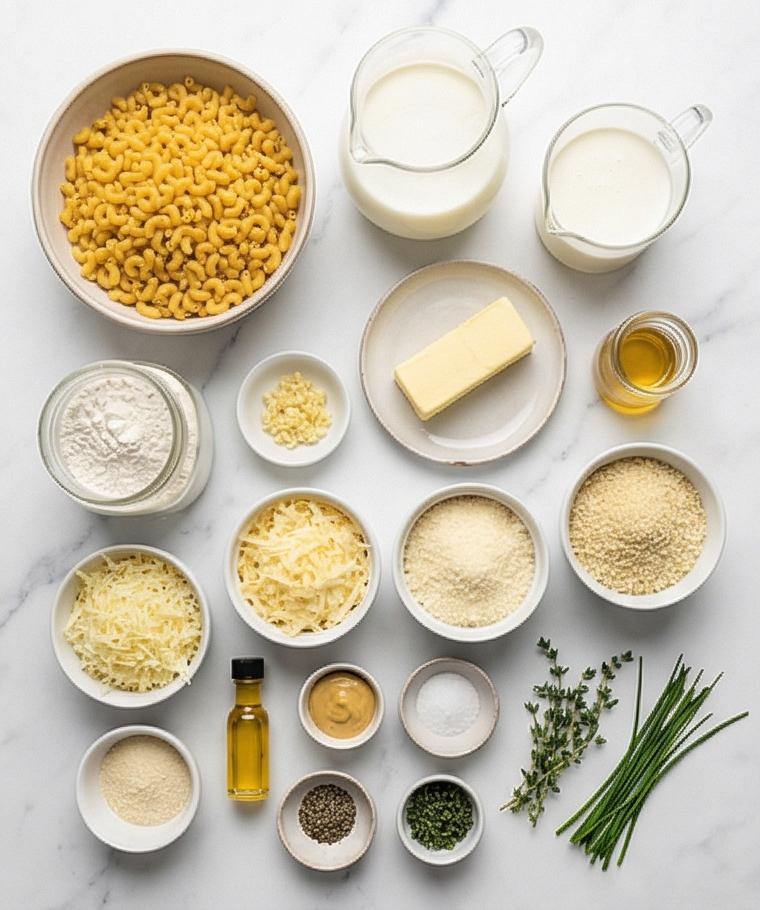
- Pasta: The canvas of the dish. Use elbow macaroni or cavatappi for scoopable nooks; substitute small shells if needed. Choose dried pasta with a firm texture for best bake results.
- Milk and Heavy Cream: Build the sauce body; room temperature helps prevent lumps. Use whole milk and cream for richness; lower-fat swaps thin the sauce.
- Gruyère and Sharp White Cheddar: Provide melt and bite. Gruyère brings nuttiness, cheddar adds tang; swap with fontina for creaminess.
- Parmesan: Adds salty, crystalline umami; reserve a bit for the topping.
- Truffle Oil: A finishing flavor; add sparingly and taste. Substitute with truffle salt for a gentler note.
- Panko Breadcrumbs & Butter: Create crunch on top; seasoned breadcrumbs can be used in a pinch.
Essential Kitchen Tools
A few tools make this Truffle Mac And Cheese Recipe easier and more reliable. Start with a heavy-bottomed saucepan for the roux and sauce; it keeps heat even and prevents scorching. A large pot is essential for boiling the pasta in plenty of salted water; overcrowded pasta ruins texture. A sturdy spatula or silicone spoon helps fold pasta into the sauce without breaking it up. For finishing, a 9×13 baking dish gives the classic casserole shape, but an oven-safe skillet works if you want presentation and fewer dishes.
- Heavy-bottomed saucepan: Prevents hot spots while making the roux.
- Large pot: Gives pasta room to cook and stop sticking.
- Spatula or silicone spoon: Gentle folding and scraping.
- 9×13-inch baking dish: Even baking and crisp edges; use an ovenproof skillet if you prefer.
Step-by-Step Preparation Guide
Step 1: Preheat and Prepare the Pan
Preheat the oven to 375°F (190°C) and lightly grease a 9×13-inch rectangular baking dish with a dab of butter or a neutral cooking spray; set the pan aside on the marble so it’s ready when the assembled mac arrives. Keep everything tidy and close at hand—the baking dish’s clean rectangular silhouette will be important later, so place it openly on the surface and let it sit while you move through the saucing and assembly steps.
Step 2: Cook and Drain the Pasta
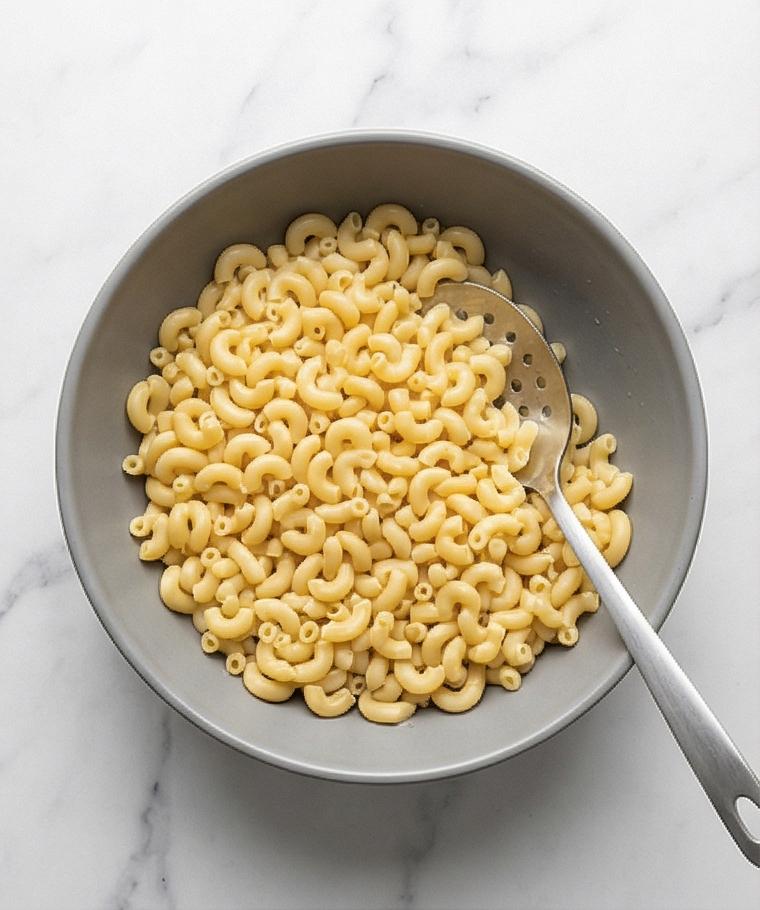
Bring a large pot of well-salted water to a boil and cook the elbow macaroni or cavatappi until just shy of al dente (about 1–2 minutes less than package directions). Drain thoroughly, shake the colander to remove excess water, and transfer the warm pasta to a large mixing bowl so the pieces remain separate and glossy, ready to receive the sauce. Stir the pasta once or twice to avoid clumps and to keep the texture light and slightly springy.
Step 3: Make the Roux and Add Dairy
Melt butter in a heavy-bottomed saucepan, briefly sweat the minced garlic until fragrant, then sprinkle in the flour and whisk constantly to form a pale, foamy roux. While whisking, stream in room-temperature whole milk and heavy cream until the mixture becomes a smooth milky base. Keep the heat gentle—the goal is a silky emulsified liquid that will thicken slowly, not a boil. This is the tactile transformation from opaque milk to the first signs of cream-thickened sauce.
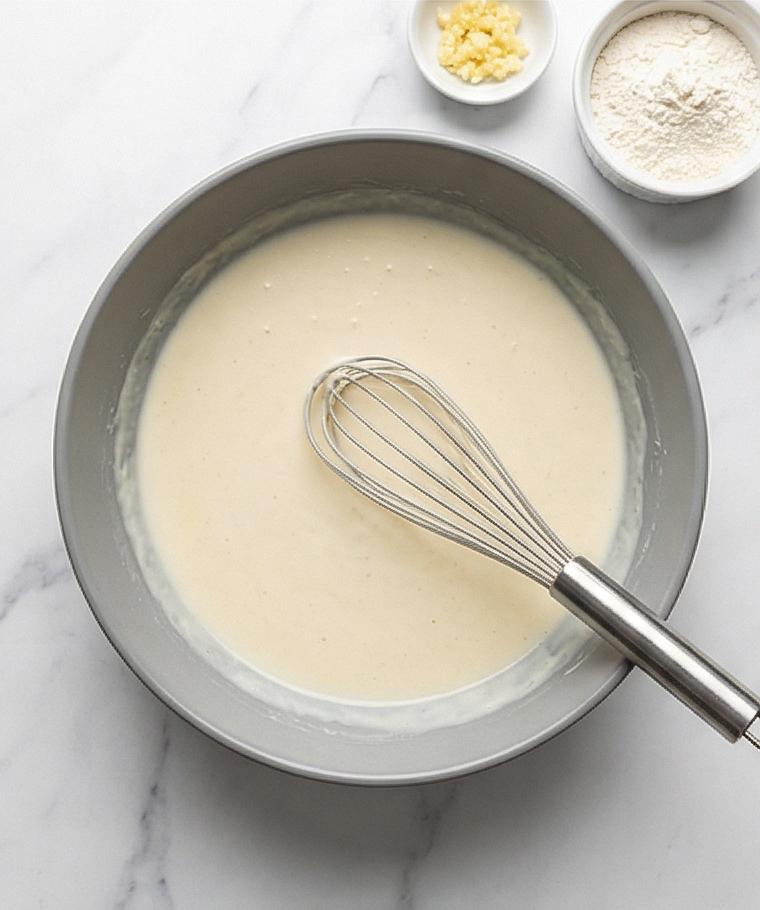
Step 4: Thicken, Season, and Melt the Cheese
Bring the milk-cream mixture to a gentle simmer until it thickens enough to coat the back of a spoon, then reduce to low and stir in Dijon, salt, pepper, smoked paprika (if using), and a whisper of nutmeg so the aromatics bloom. Off the heat or on low, add the grated Gruyère, sharp white cheddar, and a portion of the finely grated Parmesan in small handfuls, whisking after each addition until the sauce is glossy, velvety, and perfectly smooth. Finish by stirring in 2 teaspoons of truffle oil, taste and adjust carefully—truffle should be perfumed, not overbearing.
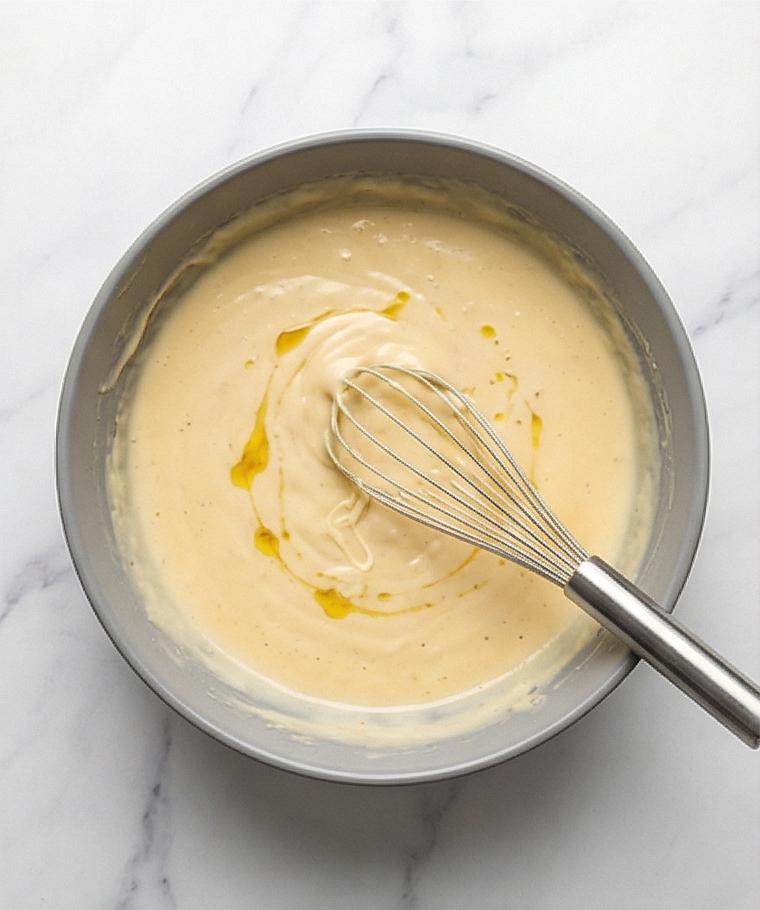
Step 5: Combine Pasta and Sauce, Transfer to the Dish
Fold the drained pasta into the warm cheese sauce with a spatula until every piece is evenly coated; the mixture should look slightly looser than the finished bake, with visible ribbons of melted cheese and tiny pools of truffle oil. Spread the sauced pasta into the greased 9×13-inch rectangular baking dish and smooth the top into an even layer, keeping the dish’s clean geometry intact. Wipe the rim, position the spatula on the dish, and get ready for the crunchy topping.
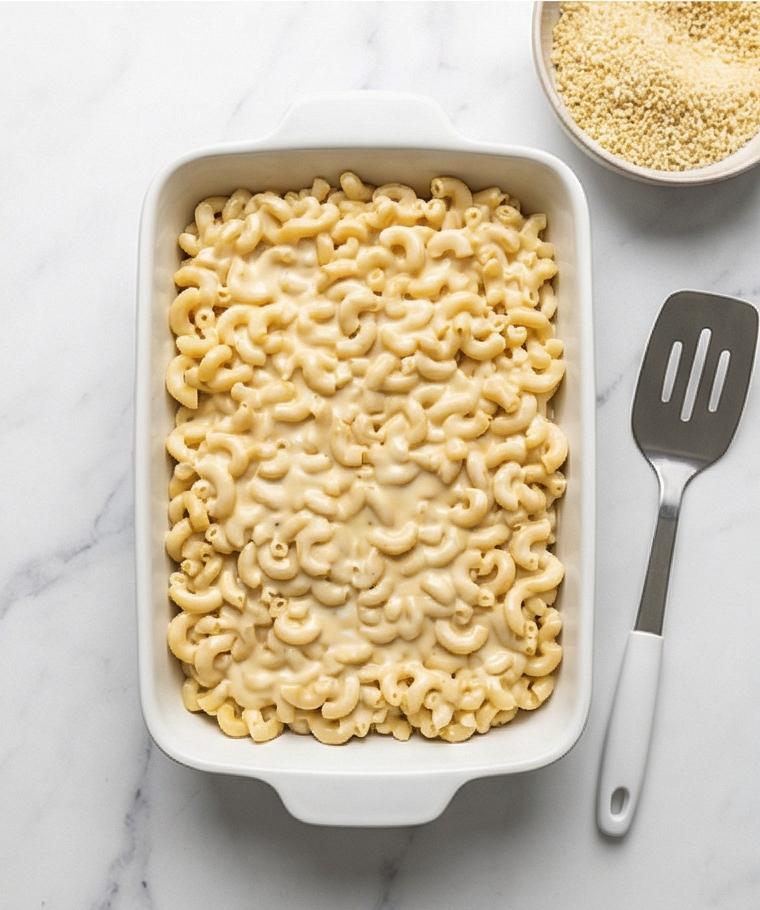
Step 6: Make the Topping, Bake, and Finish
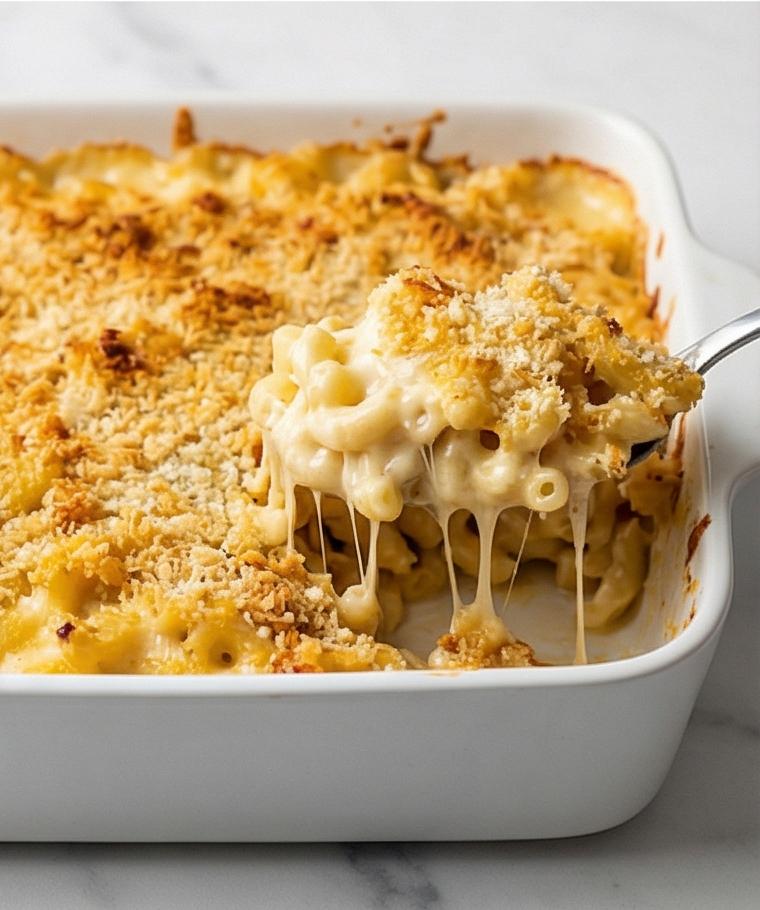
Toss panko breadcrumbs with melted butter, the remaining grated Parmesan, and chopped fresh thyme (or parsley) until the crumbs look slightly damp and clumpy. Sprinkle the topping in an even, thin layer across the entire surface of the assembled mac. Bake in the preheated oven until the edges bubble and the crumb topping becomes a deep golden brown and crisp; let the casserole rest 5–10 minutes so the sauce firms slightly. Just before serving, scatter finely chopped chives or parsley and, if desired, finish with a few tiny drops of truffle oil for an aromatic lift.
Making It Your Own
I like to think of this Truffle Mac And Cheese Recipe as a basecamp for experiments. Try swapping Gruyère for fontina and add a handful of roasted mushrooms for an earthy, fall-focused twist. For a smoky summer version, fold in charred corn and a pinch of smoked paprika. If you need a vegetarian boost, use vegetable broth instead of cream for a lighter sauce and add blanched broccoli or wilted spinach. To make it gluten-free, choose a gluten-free pasta and use a 1-to-1 gluten-free flour for the roux. Small swaps change the character without losing the comforting core.
How to Serve
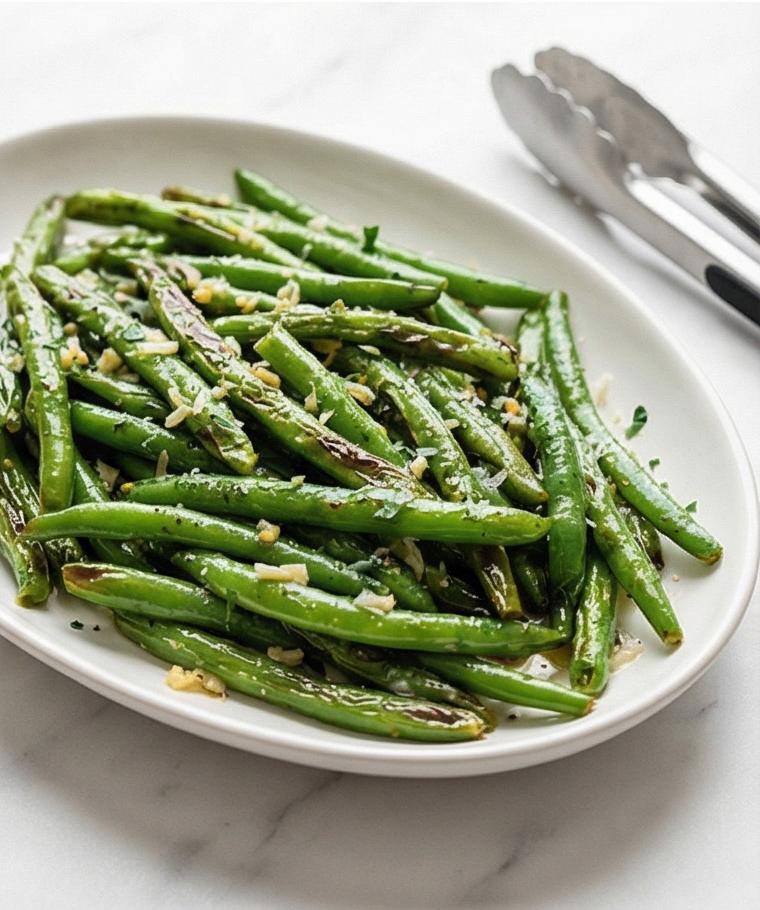
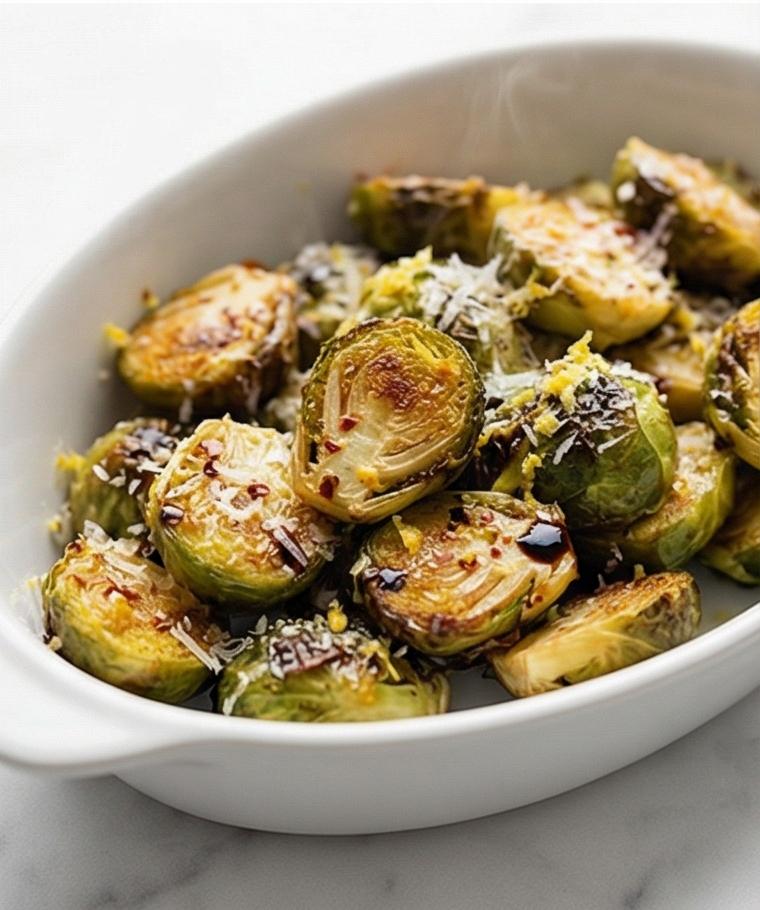
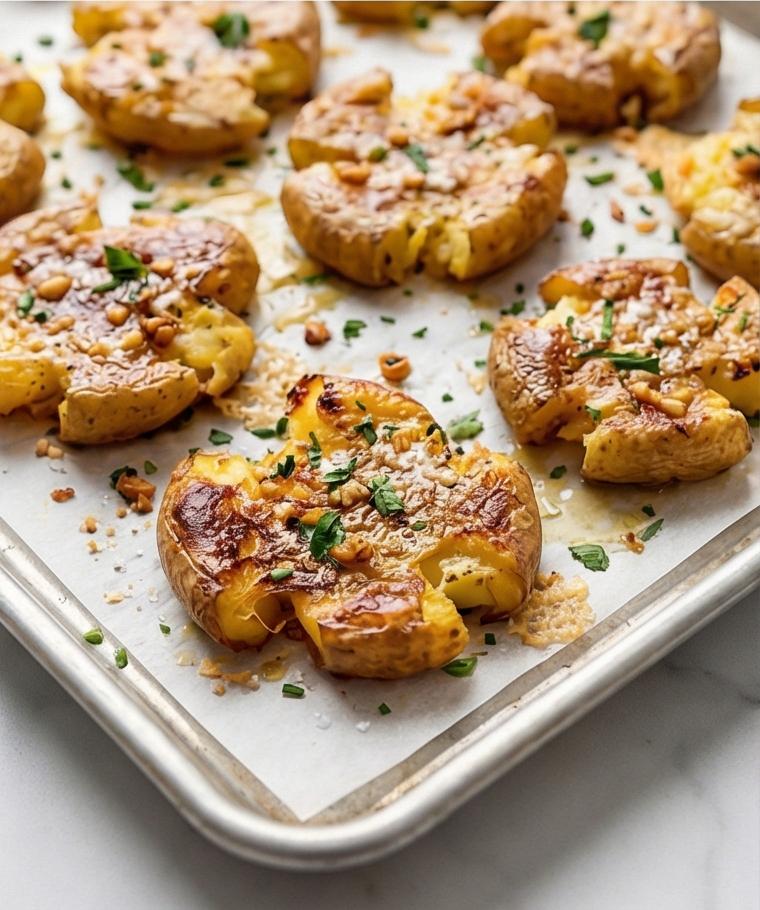
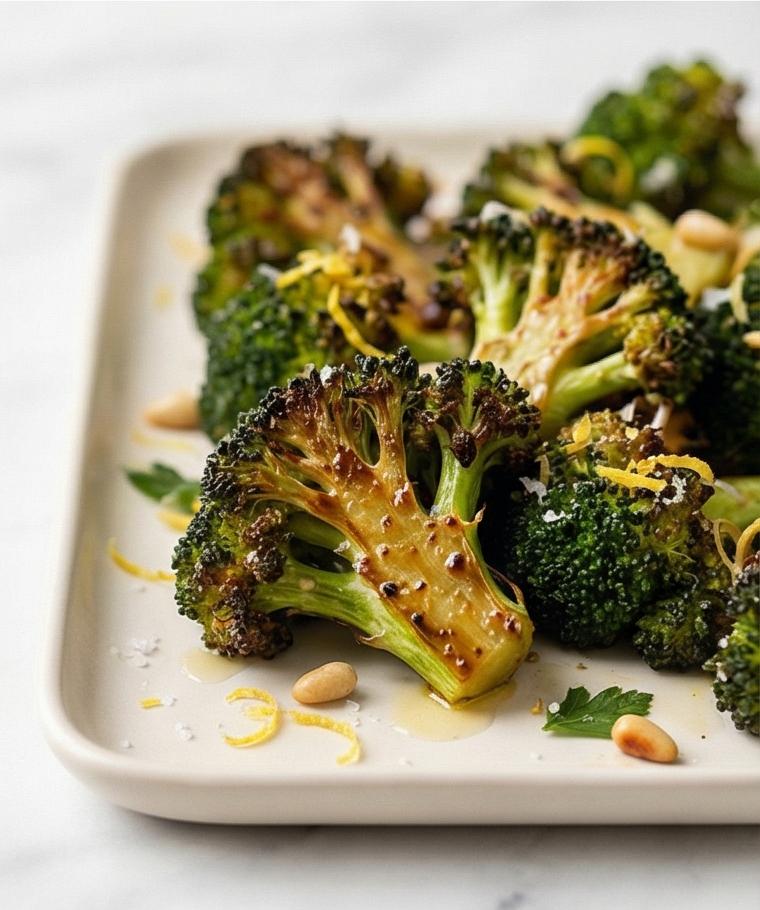
When I host, Truffle Mac And Cheese Recipe goes on the table with simple, bright sides to cut the richness. A crisp green salad with lemon vinaigrette and a bowl of pickled veggies bring contrast. For a dinner party, bake in two smaller gratin dishes so guests can serve hot portions and you can reheat one if needed. To stretch servings, add roasted root vegetables or shredded rotisserie chicken folded into the sauce before baking. Garnish just before serving with chives and a tiny drizzle of truffle oil so the aroma is fresh and inviting.
Storage and Reheating Tips
Let the casserole cool to near room temperature before covering and refrigerating; it keeps well for up to 3 days. Store in an airtight container or cover the baking dish tightly with foil to prevent the topping from sogging.
To reheat, add a splash of milk and warm slowly in a 350°F oven until heated through, 15-20 minutes depending on portion size. For single servings, reheat gently in a skillet over low heat with a lid to keep moisture. If you love the crisp top, re-toast the panko under the broiler for a minute or two, watching carefully.
Common Mistakes and How to Avoid Them
The most common slip is overcooking the pasta; it should be slightly under al dente since it continues cooking in the oven. Drain well so the sauce does not become watery.
Another frequent issue is overheating the sauce when adding cheese; add cheese off the heat or on very low heat and stir constantly to keep the sauce silky. Use truffle oil sparingly; add more only after tasting.
Final Thoughts
I hope you give this Truffle Mac And Cheese Recipe a try soon. It sits at that sweet spot between effortless and fancy, and once you make it a couple of times you will know the little tweaks that make it yours. Serve it warm, share it generously, and enjoy the way a good comfort dish can feel like a small celebration.
Frequently Asked Questions
-
How much truffle oil should I add to the sauce and can I skip it?
Answer: Start with 2 teaspoons in the sauce and add up to 3 teaspoons to taste; you can skip it and use truffle salt or omit entirely if you prefer a more traditional mac. -
Can I make Truffle Mac And Cheese Recipe ahead of time?
Answer: Yes, assemble and refrigerate for up to 24 hours before baking. Let it sit at room temperature for 20 minutes before placing it in the oven. -
What cheeses are best and can I use pre-shredded cheese?
Answer: Gruyère and sharp white cheddar melt best for a creamy texture; pre-shredded cheese contains anti-caking agents and can yield a grainy sauce, so grate fresh if possible. -
Is there a vegetarian version of this recipe?
Answer: The recipe is vegetarian if you use vegetarian Parmesan or omit it; use vegetable stock if you want a lighter base and add roasted vegetables. -
How do I get a crunchy topping that stays crisp?
Answer: Toast the panko slightly in butter before topping, and rest the casserole briefly after baking; if reheating, give it a quick broil to refresh the crispness.
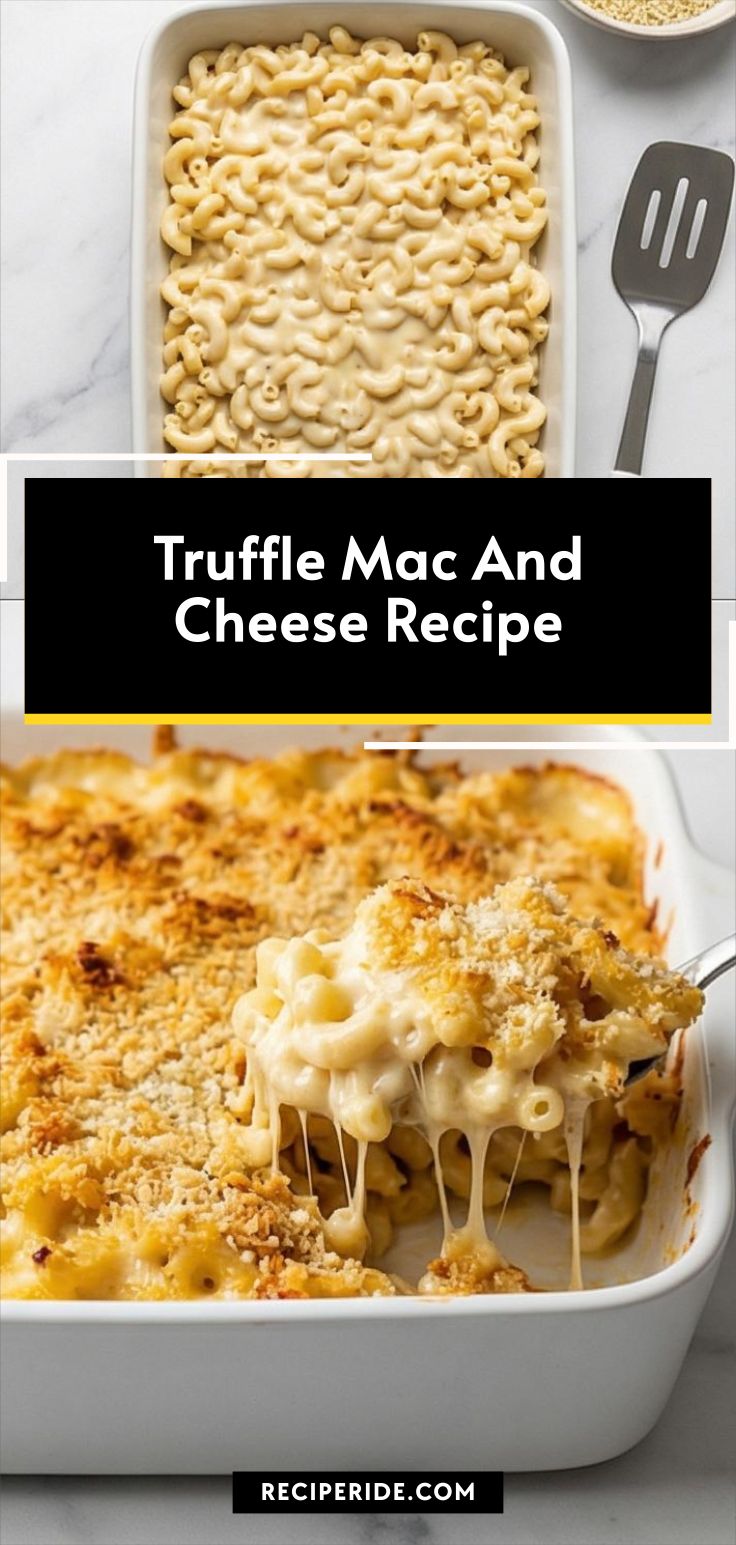
Truffle Mac And Cheese Recipe
Make Truffle Mac And Cheese Recipe tonight: creamy truffle mac with crisp Parmesan-panko topping, ready in 50 minutes.
Ingredients
Instructions
Step 1: Preheat and Prepare the Pan
Preheat the oven to 375°F (190°C) and lightly grease a 9×13-inch rectangular baking dish with a dab of butter or a neutral cooking spray; set the pan aside on the marble so it’s ready when the assembled mac arrives. Keep everything tidy and close at hand—the baking dish’s clean rectangular silhouette will be important later, so place it openly on the surface and let it sit while you move through the saucing and assembly steps.
Step 2: Cook and Drain the Pasta
Bring a large pot of well-salted water to a boil and cook the elbow macaroni or cavatappi until just shy of al dente (about 1–2 minutes less than package directions). Drain thoroughly, shake the colander to remove excess water, and transfer the warm pasta to a large mixing bowl so the pieces remain separate and glossy, ready to receive the sauce. Stir the pasta once or twice to avoid clumps and to keep the texture light and slightly springy.
Step 3: Make the Roux and Add Dairy
Melt butter in a heavy-bottomed saucepan, briefly sweat the minced garlic until fragrant, then sprinkle in the flour and whisk constantly to form a pale, foamy roux. While whisking, stream in room-temperature whole milk and heavy cream until the mixture becomes a smooth milky base. Keep the heat gentle—the goal is a silky emulsified liquid that will thicken slowly, not a boil. This is the tactile transformation from opaque milk to the first signs of cream-thickened sauce.
Step 4: Thicken, Season, and Melt the Cheese
Bring the milk-cream mixture to a gentle simmer until it thickens enough to coat the back of a spoon, then reduce to low and stir in Dijon, salt, pepper, smoked paprika (if using), and a whisper of nutmeg so the aromatics bloom. Off the heat or on low, add the grated Gruyère, sharp white cheddar, and a portion of the finely grated Parmesan in small handfuls, whisking after each addition until the sauce is glossy, velvety, and perfectly smooth. Finish by stirring in 2 teaspoons of truffle oil, taste and adjust carefully—truffle should be perfumed, not overbearing.
Step 5: Combine Pasta and Sauce, Transfer to the Dish
Fold the drained pasta into the warm cheese sauce with a spatula until every piece is evenly coated; the mixture should look slightly looser than the finished bake, with visible ribbons of melted cheese and tiny pools of truffle oil. Spread the sauced pasta into the greased 9×13-inch rectangular baking dish and smooth the top into an even layer, keeping the dish’s clean geometry intact. Wipe the rim, position the spatula on the dish, and get ready for the crunchy topping.
Step 6: Make the Topping, Bake, and Finish
Toss panko breadcrumbs with melted butter, the remaining grated Parmesan, and chopped fresh thyme (or parsley) until the crumbs look slightly damp and clumpy. Sprinkle the topping in an even, thin layer across the entire surface of the assembled mac. Bake in the preheated oven until the edges bubble and the crumb topping becomes a deep golden brown and crisp; let the casserole rest 5–10 minutes so the sauce firms slightly. Just before serving, scatter finely chopped chives or parsley and, if desired, finish with a few tiny drops of truffle oil for an aromatic lift.
Notes
- Use freshly grated cheese to ensure a smooth, velvety sauce.
- Cook pasta slightly under al dente to avoid a mushy bake.
- Add truffle oil sparingly and taste as you go.
- Toast panko in butter for extra crunchy topping.
- Reheat slowly with a splash of milk and refresh under the broiler if needed.