I love mornings that start slow, with sunlight and a small, perfect project in the pan. The Asparagus Omelette with Goat Cheese is one of those dishes I reach for when I want something bright and uncomplicated that still feels a little special. It pairs tart, creamy goat cheese with the green snap of roasted asparagus, and it always makes the kitchen smell like spring. Over the years I have adapted this Asparagus Omelette with Goat Cheese for quick solo breakfasts and relaxed weekend brunches, and it never fails to feel like a treat.
How This Recipe Became My Rainy-Day Favorite
There is a rainy afternoon in my memory where this omelette sealed its place in my rotation. I was halfway through a book, the windows fogged with the kind of soft cool that makes you reach for something warm and green. Roasting those asparagus spears filled the house with a toasty, vegetal scent that felt comforting and a little grown up. When I folded the warm goat cheese into the egg it melted into creamy pockets that made the first bite both tangy and velvet smooth. That quiet, cozy plate convinced me that simple ingredients handled with attention can feel celebratory, and I kept the recipe in my mind for every gray morning since.
Primary Ingredients and What They Bring to the Dish
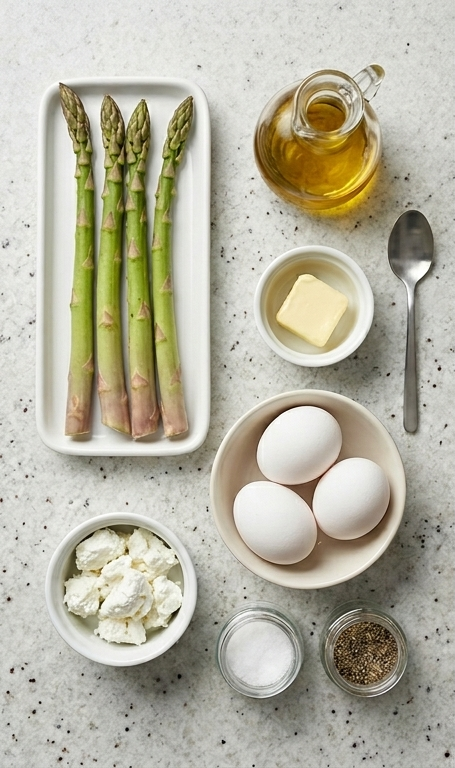
- Asparagus: The seasonal backbone, offering a crisp, grassy note and a pleasant chew when roasted. Substitute blanched green beans or baby spinach for a similar green touch. Look for firm, bright spears with closed tips.
- Olive Oil: Helps roast the asparagus and deepen flavor. Use a mild extra virgin or swap for avocado oil if you want a neutral profile.
- Butter: Adds nutty richness to the omelette base. Clarified butter or ghee works if you want less moisture.
- Eggs: Provide the custardy body. Farm fresh eggs give fuller color and extra flavor; three large eggs make a generous single omelette.
- Goat Cheese: Brings tang and creaminess in soft, melting pockets. Substitute feta for a firmer salty crumble or cream cheese for milder richness.
- Salt and Fresh Ground Pepper: Small players that tune the whole dish. Use sea salt or kosher salt and grind pepper just before serving for best aroma.
Write a friendly advice section about essential kitchen tools
A few well chosen tools turn this omelette from tricky to easy. You do not need a long list, just a handful of reliable items that will keep the eggs tender and the asparagus perfectly roasted. If you do not own everything suggested below, swapping in a close alternative usually works fine.
- 10-inch nonstick skillet: Keeps the eggs from sticking and helps you fold the omelette. Use a well seasoned small cast iron or a stainless skillet with plenty of butter if you do not have nonstick.
- Baking sheet and parchment: For roasting the asparagus evenly and with minimal cleanup. A rimmed sheet pan without parchment will work too; just toss the asparagus half way through.
- Vegetable peeler and sharp knife: For trimming and peeling thicker spears and chopping them uniformly. A peeler makes the texture more refined; skipping it is fine for thin spears.
- Small bowl and whisk: To mix the eggs to a light, homogenous state. A fork can substitute in a pinch.
Step-by-Step Preparation Guide.
Step 1: Prep and trim the asparagus
Preheat the oven to 400°F (200°C) and line a baking sheet with parchment for easy cleanup. For thick asparagus, bend a stalk until it snaps naturally to locate the woody end, then trim the rest to a uniform length and use a vegetable peeler to remove the tough outer layer. For thinner spears trim about 1/2 inch from the ends; no peeling needed. Lightly pat the spears dry so they roast evenly.
Step 2: Season and roast until tender
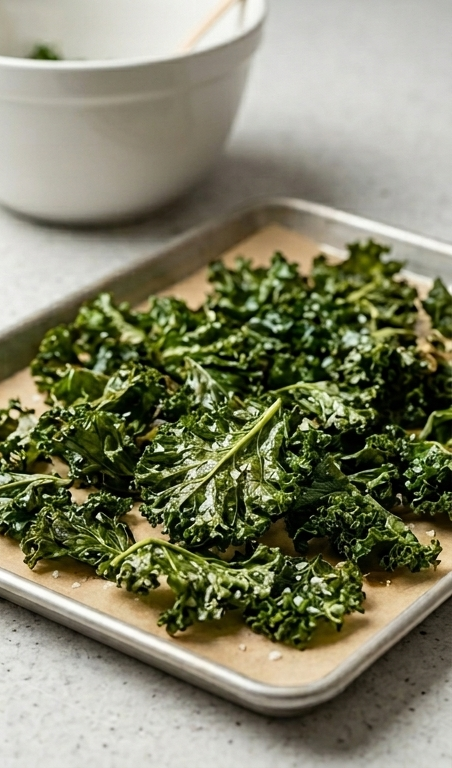
Arrange the trimmed spears on the prepared sheet, drizzle with a teaspoon of olive oil from a small glass cruet, and toss gently so each stalk gets a thin sheen. Season with a pinch of salt and a few turns of fresh ground pepper, spread in a single layer, and roast until the tips begin to brown and the stalks are tender – 15 to 25 minutes depending on thickness. Remove, let cool slightly, then chop the asparagus into roughly 1‑inch pieces to keep bright color and bite.

Step 3: Whisk eggs and form the soft omelette base
Crack the three large eggs into a bowl, season with a pinch of salt, and whisk until the yolks and whites are fully blended and slightly aerated. In a 10‑inch nonstick skillet melt the butter over medium‑low heat until it bubbles and smells nutty, then swirl to coat the pan. Pour in the eggs, wait ten seconds, then gently stir and lift the custardy set so any liquid egg flows underneath; after about 30–60 seconds the curd should be uniformly cooked but still moist and glossy.
Step 4: Add fillings, fold and serve
Scatter the chopped roasted asparagus and two tablespoons of soft goat cheese over one half of the omelette so the cheese warms and softens but still retains creamy curds. With a spatula fold the omelette onto itself into a neat half‑moon, let it rest a moment to meld, then slide the finished omelette into the same skillet or directly transfer to a serving plate. Serve immediately, seasoned with a final crack of fresh ground pepper.

Making It Your Own
I have experimented with a few variations that keep the spirit of the Asparagus Omelette with Goat Cheese while leaning into different seasons and diets. For a spring-forward plate, fold in a tablespoon of fresh chopped herbs like chives or tarragon for brightness. If you want a heartier brunch, add a few thinly sliced new potatoes pan-fried until golden and mix them with the asparagus.
For a vegetarian boost in protein, stir a spoonful of ricotta into the eggs before pouring them into the pan; it gives silkier texture. To make this dairy free, replace goat cheese with a sprinkle of toasted nutritional yeast and omit the butter, using extra olive oil instead. Regional twists are fun too – add a few chopped sun-dried tomatoes for a Mediterranean feel or a pinch of smoked paprika for warmth.
How to Serve
If you are hosting, make a few omelettes one at a time and keep them warm on a low oven rack set to about 200°F. Plate each omelette right away so the goat cheese stays slightly melty and the asparagus keeps its bite. Garnish with a scatter of chopped herbs, a light drizzle of extra virgin olive oil, and a crack of fresh ground pepper.
For two, split the ingredients and cook back-to-back; for a small crowd, consider doubling the asparagus and making two omelettes rather than a single giant one, which is harder to fold. Serve with crusty bread or a simple salad dressed with lemon and olive oil to balance the richness. Add roasted cherry tomatoes or a crisp vinaigrette-dressed lettuce for color and contrast.
Storage and Reheating Tips
Leftovers are best stored in an airtight container in the refrigerator and eaten within 24 hours for the best texture. The asparagus will soften and the eggs lose a bit of their silk, but the flavors remain pleasant.
To reheat, warm gently in a nonstick skillet over low heat, adding a teaspoon of butter or oil to revive the omelette’s surface. Microwave can be used in short bursts but expect a slightly different texture. If you want to prepare elements ahead, roast the asparagus in advance and keep it chilled; then finish the omelette fresh to preserve custardy eggs.
Common Mistakes and How to Avoid Them
Overcooking the eggs is the most common slip-up; cook slowly over medium-low heat and remove while the surface still looks slightly glossy so residual heat finishes the set. Using too much oil or butter can make the omelette heavy; use just enough to coat the pan.
Chopping the asparagus unevenly leads to mismatched bites. Roast until tender and chop into consistent pieces so every forkful has balanced texture. Finally, skip the goat cheese at your own risk – it provides the tang that lifts the whole dish.
A Warm Invitation
If you love simple, flavor-forward breakfasts, give this Asparagus Omelette with Goat Cheese a try this week. It rewards a little attention and yields a bright, satisfying plate that feels both homey and a little elegant. I hope it becomes one of your go-to brunches too.
Frequently Asked Questions.
- Can I make the Asparagus Omelette with Goat Cheese ahead of time?
Yes, roast the asparagus ahead and keep it chilled, but cook the eggs just before serving for best texture. - What can I use instead of goat cheese?
Feta, ricotta, or cream cheese work well; feta offers a saltier bite while ricotta is milder and creamier. - How do I keep the omelette from sticking?
Use a good nonstick skillet, melt butter over medium-low heat, and do not rush the flip or fold; a flexible spatula helps. - Is this recipe gluten free?
Yes, the Asparagus Omelette with Goat Cheese is naturally gluten free as written. - Can I add other vegetables?
Absolutely. Sliced mushrooms, blanched peas, or wilted spinach are tasty additions, just make sure they are cooked and drained of excess moisture first.

Asparagus Omelette with Goat Cheese
Make Asparagus Omelette with Goat Cheese for a quick, bright brunch with roasted asparagus and creamy goat cheese.
Ingredients
Instructions
Step 1: Prep and trim the asparagus
Preheat the oven to 400°F (200°C) and line a baking sheet with parchment for easy cleanup. For thick asparagus, bend a stalk until it snaps naturally to locate the woody end, then trim the rest to a uniform length and use a vegetable peeler to remove the tough outer layer. For thinner spears trim about 1/2 inch from the ends; no peeling needed. Lightly pat the spears dry so they roast evenly.
Step 2: Season and roast until tender
Arrange the trimmed spears on the prepared sheet, drizzle with a teaspoon of olive oil from a small glass cruet, and toss gently so each stalk gets a thin sheen. Season with a pinch of salt and a few turns of fresh ground pepper, spread in a single layer, and roast until the tips begin to brown and the stalks are tender — 15 to 25 minutes depending on thickness. Remove, let cool slightly, then chop the asparagus into roughly 1‑inch pieces to keep bright color and bite.
Step 3: Whisk eggs and form the soft omelette base
Crack the three large eggs into a bowl, season with a pinch of salt, and whisk until the yolks and whites are fully blended and slightly aerated. In a 10‑inch nonstick skillet melt the butter over medium‑low heat until it bubbles and smells nutty, then swirl to coat the pan. Pour in the eggs, wait ten seconds, then gently stir and lift the custardy set so any liquid egg flows underneath; after about 30–60 seconds the curd should be uniformly cooked but still moist and glossy.
Step 4: Add fillings, fold and serve
Scatter the chopped roasted asparagus and two tablespoons of soft goat cheese over one half of the omelette so the cheese warms and softens but still retains creamy curds. With a spatula fold the omelette onto itself into a neat half‑moon, let it rest a moment to meld, then slide the finished omelette into the same skillet or directly transfer to a serving plate. Serve immediately, seasoned with a final crack of fresh ground pepper.
Notes
- Roast the asparagus until just tender to keep color and bite.
- Use room temperature eggs for a more even custard.
- Warm the goat cheese slightly before folding for better melting.
- Keep heat low when cooking eggs to avoid dryness.
- Make the asparagus ahead if you need a faster morning workflow.