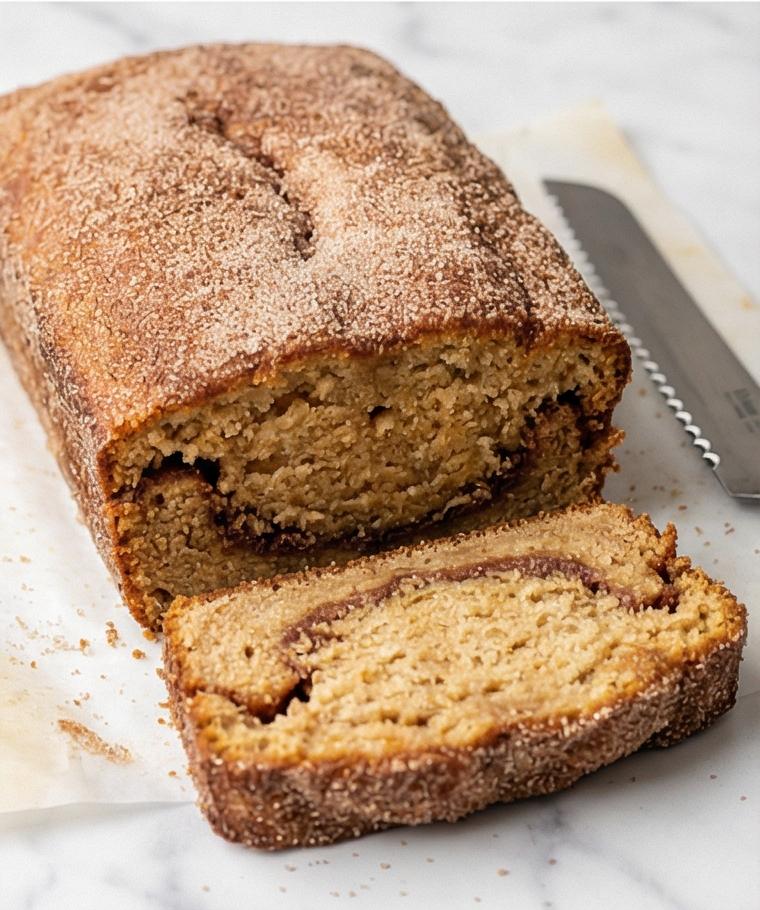
Monkey Bread Recipe has always been my go-to for weekend breakfasts and cozy gatherings. I remember the first time I made this Monkey Bread Recipe: the kitchen smelled like warm cinnamon and caramel, and everyone hovered around the Bundt pan like it was a miracle. It’s sticky, pull-apart, and impossibly satisfying — exactly the kind of recipe that turns a regular morning into something to look forward to. Over the years I’ve tweaked the caramel and the glaze, but the heart of this Monkey Bread Recipe stays the same: soft, buttery dough rolled in cinnamon sugar, baked into a glossy, shareable ring.
How This Recipe Became My Cozy Morning Obsession
The first batch I made was on a rain-soaked Saturday when friends dropped by unannounced. I remember peeling back the towel after the first rise and the dough had puffed into soft silk, ready to be divided and rolled. When the caramel hit the warm dough and the oven swell began, the house filled with the scent of brown sugar and butter; it felt like wrapping everyone in a warm blanket. Pulling the bread from the pan, fingers sticky and laughing with delight, turned a soggy day into something celebratory. Every bite brings that same mix of nostalgia and comfort, and that is why this recipe has stayed on my counter and in my weekend plans.
The Ingredients That Make It Magic
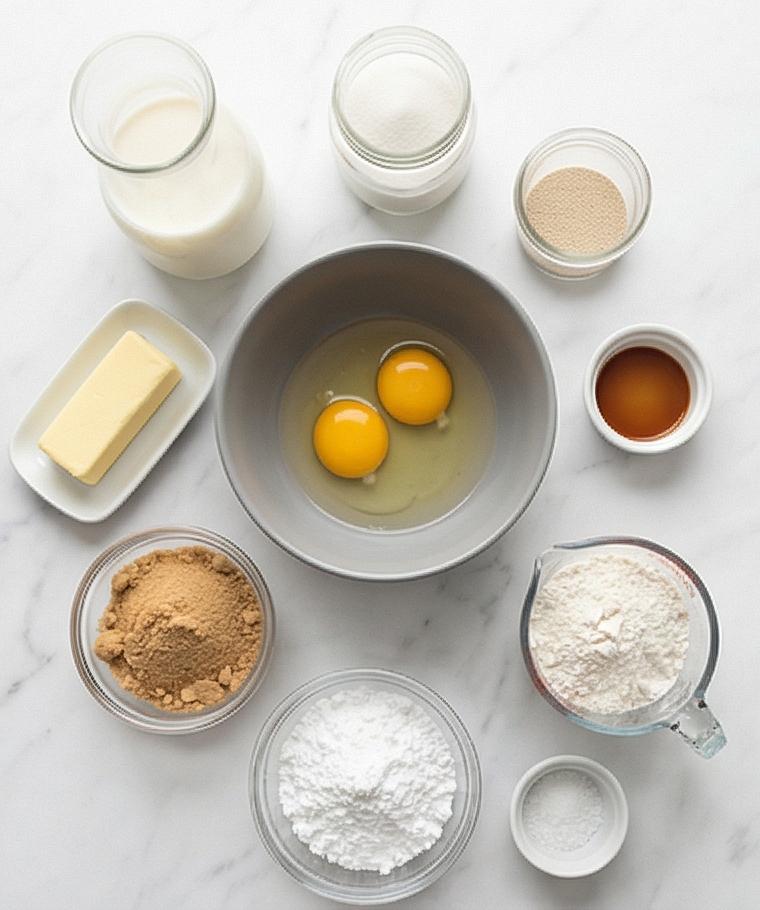
- Whole Milk: Adds tenderness and a slightly rich flavor; substitute with 2% if needed but avoid skim for best texture.
- Active Dry Yeast: The lift maker; swap for instant yeast at 25 percent less, adding directly to flour.
- Eggs: Provide structure and richness; for egg-free, try a commercial egg replacer and extra liquid.
- Unsalted Butter: Brings flavor in dough and caramel; use European butter for extra richness or a neutral oil if dairy-free.
- All-Purpose Flour: The backbone of the dough; bread flour gives more chew, cake flour will make it too tender.
- Granulated and Brown Sugar: Granulated for coating, packed brown for caramel depth; dark brown gives deeper molasses notes.
- Cinnamon: Essential warm spice; use fresh ground for the brightest aroma.
- Heavy Cream: Enriches the caramel; coconut cream can be a dairy-free swap but alters flavor.
Essential Kitchen Tools and Why They Matter
A handful of simple tools makes this Monkey Bread Recipe straightforward and more fun to assemble. A stand mixer with a dough hook speeds up kneading and gives a consistent, elastic dough; if you do not have one, firm hand kneading on a lightly floured surface works beautifully. A 10 to 12 cup Bundt pan creates the signature ring and textured pull-apart layers; an alternative is a deep tube pan. Small bowls for cinnamon sugar and melted butter keep assembly tidy and efficient. Finally, a reliable instant-read thermometer helps check milk temperature for activating yeast and the bread’s doneness.
- Stand mixer with dough hook: Speeds kneading and builds gluten evenly.
- 10–12 cup Bundt pan: Ensures the classic shape and even baking.
- Instant-read thermometer: Confirms milk temp and doneness.
- Small bowls and spatulas: Keep assembly neat and quick.
Step-by-Step Preparation Guide
Step 1: Warm the milk and activate the yeast
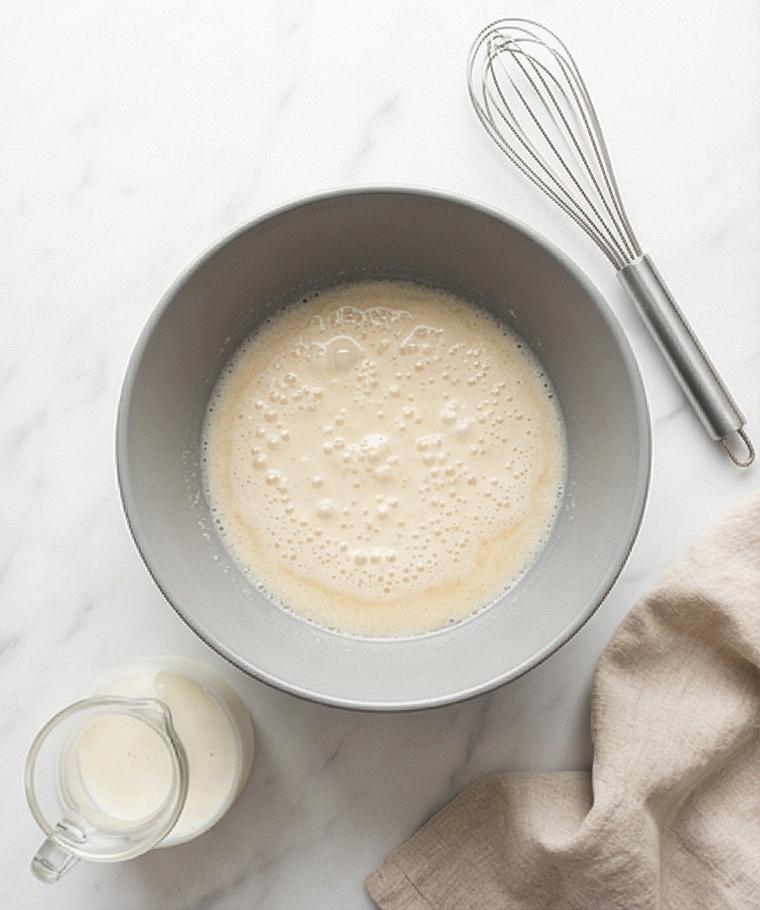
Gently warm the whole milk until it feels warm to the touch (around 105–115°F), then stir in the granulated sugar and sprinkle the active dry yeast over the surface. Let the mixture rest in the mixing bowl until it becomes noticeably foamy and slightly puffed—this visual bloom is your signal that the yeast is alive and ready. If the surface remains flat after 10 minutes, discard and start again with fresh yeast.
Step 2: Add eggs, butter, and vanilla to the yeast base
Whisk the foamy yeast briefly, then add the room-temperature eggs, the cooled melted butter, and the vanilla extract. Mix gently until the wet ingredients are smooth, uniform, and glossy; the mixture should look cohesive and slightly satiny, with no streaks of egg white or butter, ready to accept the flour.
Step 3: Combine dry ingredients and form the dough
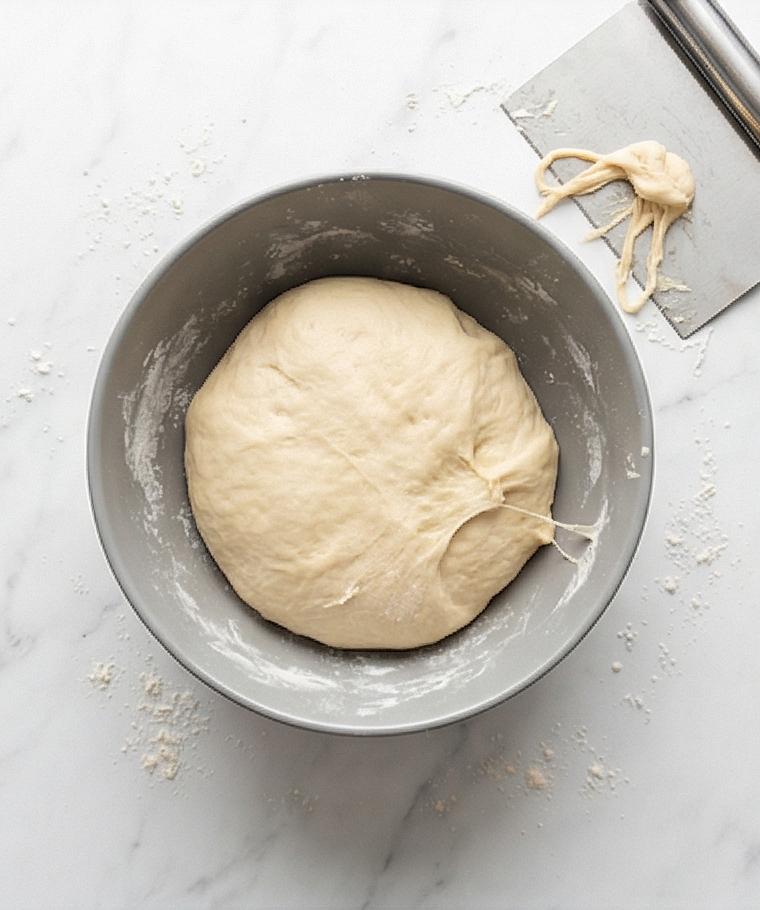
Whisk the all-purpose flour and fine sea salt together, then gradually add the flour to the wet mixture while mixing on low. Bring everything together into a soft dough that pulls away from the bowl; add small spoonfuls of extra flour only if it remains overly sticky. Increase speed (or knead by hand on a lightly floured surface) until the dough is smooth, elastic, and slightly tacky—stretchy strands, a soft matte surface, and a satiny interior indicate proper gluten development.
Step 4: First rise and prepare pan and coatings
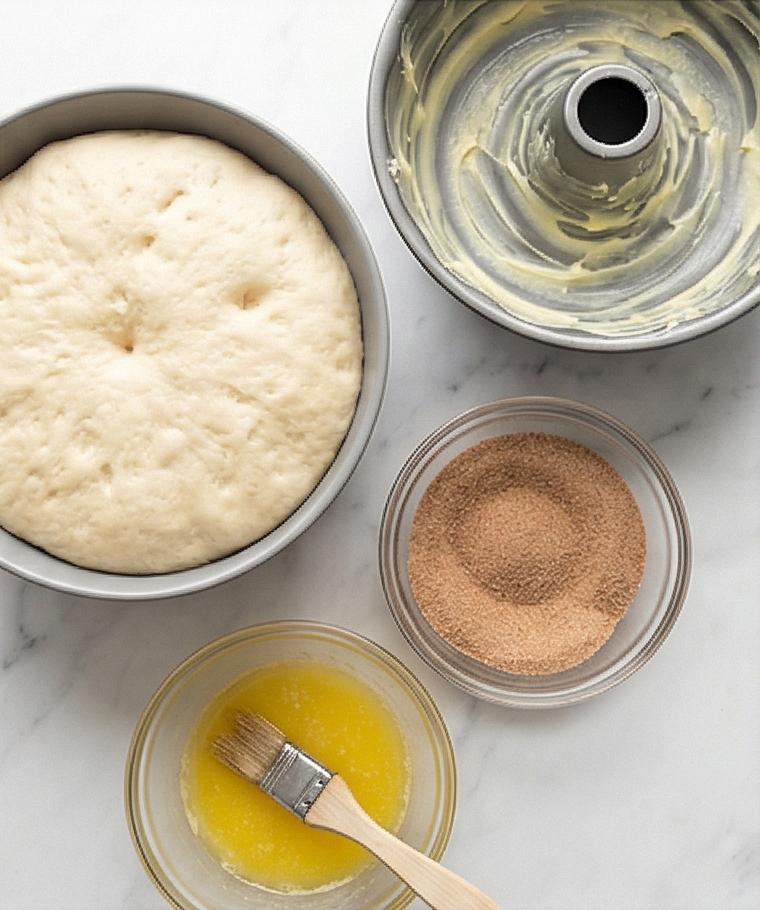
Coat a clean bowl with neutral oil, shape the dough into a smooth ball, and let it rise in a warm, draft-free spot until doubled and pillowy. While it rises, generously butter a 10–12 cup Bundt pan, whisk granulated sugar with ground cinnamon into an even cinnamon-sugar mix, and melt the dipping butter, leaving it warm but not scorching—each element should be in its own small vessel so everything is ready for assembly.
Step 5: Divide, shape, coat, and arrange
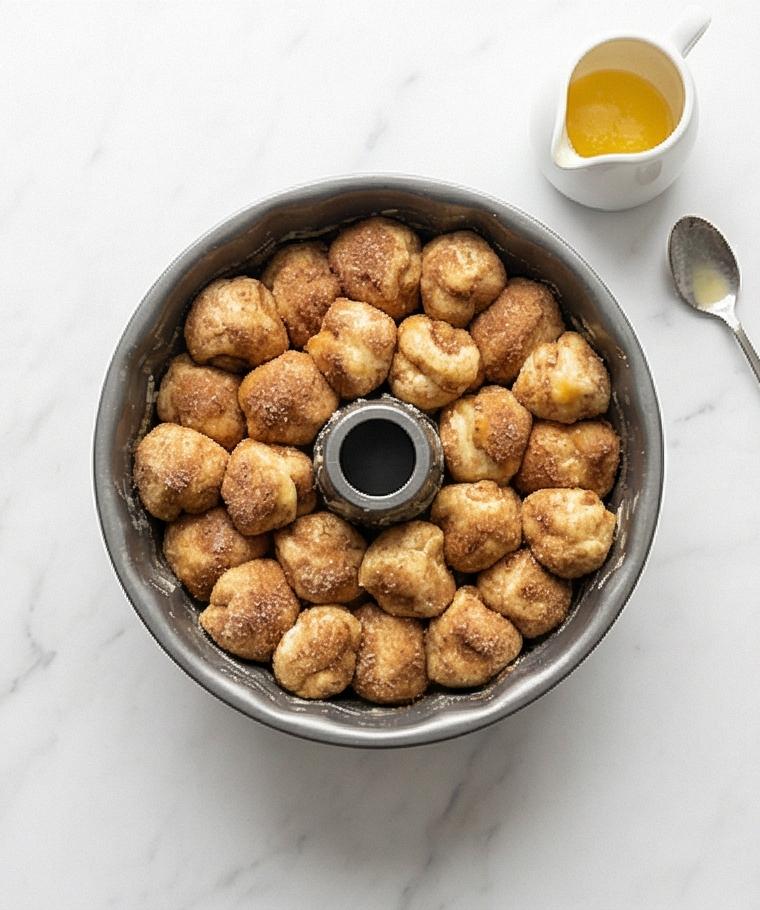
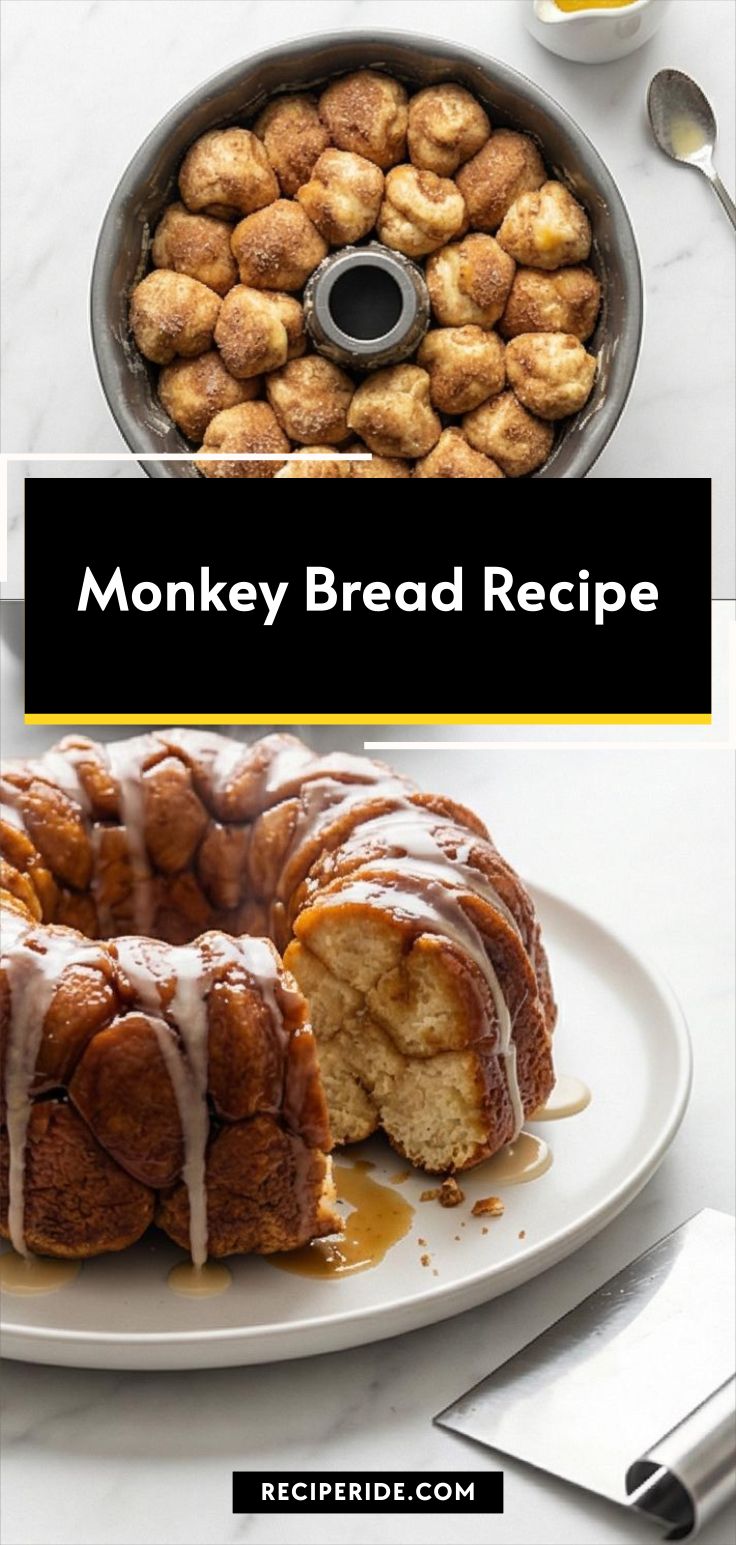
Turn the doubled dough out onto a very lightly floured surface, pat into a rough rectangle, and divide into small even pieces. Roll each into a smooth ball, then work a few at a time: dip in the warm melted butter, let excess drip, and roll in the cinnamon-sugar until fully coated. Arrange the coated balls in the prepared Bundt pan in an irregular, layered fashion so the finished loaf will be pull-apart and textured; drizzle any remaining butter and sprinkle leftover cinnamon sugar over the top.
Step 6: Second rise, caramel, bake, and unmold
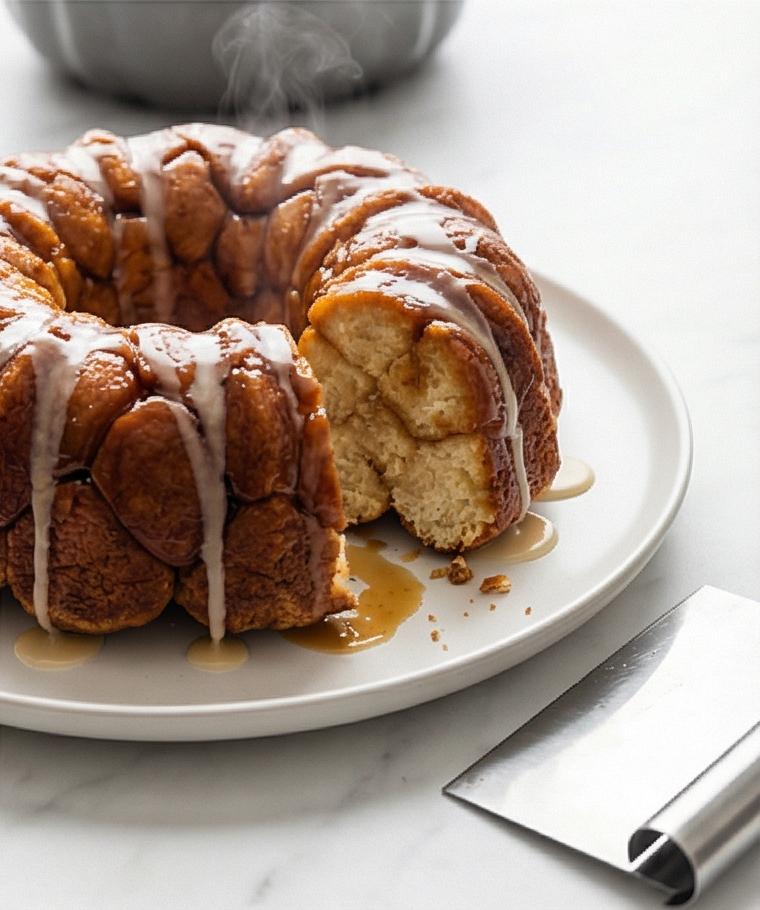
Cover the pan loosely and let the dough puff and rise close to the top. Meanwhile make a glossy caramel by melting butter with packed light brown sugar, then stirring in room-temperature heavy cream, salt, and vanilla until smooth and shiny. Pour the warm caramel evenly over the risen dough so it seeps into crevices, then bake until deep golden and caramel is bubbling. Cool the pan briefly (5–10 minutes), loosen the edges and center tube, invert onto a serving plate, and reveal the glossy, caramel-coated ring.
Step 7: Glaze and serve warm
Whisk sifted confectioners’ sugar with a little milk and vanilla until a thick but pourable glaze forms; while the monkey bread is warm (not piping hot), drizzle the glaze so it pools in the crevices and runs down the glossy caramel. Serve immediately so guests can pull apart the soft, caramel-sticky pieces; leftover portions can be cooled fully and stored airtight for brief reheating.
Making It Your Own
I like to experiment with the Monkey Bread Recipe by swapping small amounts of ingredients to see how the flavor shifts. Try folding in chopped toasted pecans between the layers for a crunchy contrast. For a seasonal twist, add a tablespoon of orange zest to the caramel and use dark brown sugar for a deeper, autumnal flavor. If you want a breakfast-friendly version, tuck in a few dried cranberries with the coated dough balls so they plump during baking.
For a dietary change, I once replaced half the butter in the caramel with coconut oil and it still produced a glossy finish; the flavor was different but very pleasant. Another experiment was using cardamom with the cinnamon for a slightly floral, Middle Eastern twist. Small changes make the Monkey Bread Recipe feel new without losing the comforting core.
How to Serve
When hosting, bring the Monkey Bread Recipe to the table on a large platter so guests can pull apart pieces and pass them around. For a brunch of 8 to 10 people, pair the bread with simple offerings: Greek yogurt, fresh berries, and a pot of strong coffee. If serving a smaller group, halve the recipe and use a smaller tube pan or individual ramekins for single-serve pulls.
For a dessert service, serve warm with a scoop of vanilla ice cream and a drizzle of warmed caramel sauce. For an elegant touch, scatter toasted nuts and a few edible flowers around the base of the ring. Label flavor variations so guests know which twist they are trying.
Storage and Reheating Tips
Cool any leftover Monkey Bread Recipe completely before storing to keep the caramel from becoming overly sticky in the container. Transfer to an airtight container and refrigerate for up to 3 days; for longer storage, slice portions and freeze flat in a single layer before transferring to a freezer bag for up to a month.
To reheat, warm individual portions in a 325°F oven for 8 to 12 minutes or microwave a piece for 20 to 30 seconds until soft and slightly gooey. If it tastes a bit dull after refrigeration, a quick brush with warm butter and a light reheat brings back the shine and flavor.
Common Mistakes and How to Avoid Them
Skipping the yeast proofing step is an easy misstep. If the milk is too hot it will kill the yeast, and if the yeast does not bloom you will not get the pillowy rise you want. Always test the milk temperature and look for a foamy surface after 5 to 10 minutes.
Overloading the pan can lead to uneven baking and sticky overflow. Give the dough room to rise, and if you see caramel bubbling over, place a sheet pan below to catch drips. Little care in timing and temperature keeps this Monkey Bread Recipe reliable and joyful to make.
Ready to Try It?
If you love sticky, shareable sweets, give this Monkey Bread Recipe a go this weekend. It rewards a little patience with big smiles and an irresistible warm, caramel sparkle. Gather friends or family, and enjoy the way a simple Bundt pan can create a memorable moment.
Frequently Asked Questions.
-
Can I make Monkey Bread Recipe ahead of time and bake later?
Yes. Assemble the coated dough balls in the Bundt pan, cover tightly, and refrigerate overnight; bring to room temperature and allow a final short proof before baking. -
Can I use instant yeast instead of active dry yeast?
Yes. Use slightly less instant yeast and add it directly to the flour; reduce proofing time as it acts faster. -
How can I make this dairy-free?
Substitute butter with vegan butter and heavy cream with full-fat coconut milk; flavor will shift but texture remains satisfying. -
Why did my caramel seize or crystalize?
If the caramel cools too quickly or crystallizes, reheating gently with a splash of cream and stirring until smooth usually fixes it. -
What’s the best way to get clean slices for serving?
This bread is meant to be pull-apart, but to slice, chill briefly to firm up the caramel and use a sharp serrated knife with a gentle sawing motion.
Monkey Bread Recipe
Make Monkey Bread Recipe: pull-apart caramel cinnamon loaf that bakes into a glossy, shareable treat.
Ingredients
Instructions
Step 1: Warm the milk and activate the yeast
Gently warm the whole milk until it feels warm to the touch (around 105–115°F), then stir in the granulated sugar and sprinkle the active dry yeast over the surface. Let the mixture rest in the mixing bowl until it becomes noticeably foamy and slightly puffed—this visual bloom is your signal that the yeast is alive and ready. If the surface remains flat after 10 minutes, discard and start again with fresh yeast.
Step 2: Add eggs, butter, and vanilla to the yeast base
Whisk the foamy yeast briefly, then add the room-temperature eggs, the cooled melted butter, and the vanilla extract. Mix gently until the wet ingredients are smooth, uniform, and glossy; the mixture should look cohesive and slightly satiny, with no streaks of egg white or butter, ready to accept the flour.
Step 3: Combine dry ingredients and form the dough
Whisk the all-purpose flour and fine sea salt together, then gradually add the flour to the wet mixture while mixing on low. Bring everything together into a soft dough that pulls away from the bowl; add small spoonfuls of extra flour only if it remains overly sticky. Increase speed (or knead by hand on a lightly floured surface) until the dough is smooth, elastic, and slightly tacky—stretchy strands, a soft matte surface, and a satiny interior indicate proper gluten development.
Step 4: First rise and prepare pan and coatings
Coat a clean bowl with neutral oil, shape the dough into a smooth ball, and let it rise in a warm, draft-free spot until doubled and pillowy. While it rises, generously butter a 10–12 cup Bundt pan, whisk granulated sugar with ground cinnamon into an even cinnamon-sugar mix, and melt the dipping butter, leaving it warm but not scorching—each element should be in its own small vessel so everything is ready for assembly.
Step 5: Divide, shape, coat, and arrange
Turn the doubled dough out onto a very lightly floured surface, pat into a rough rectangle, and divide into small even pieces. Roll each into a smooth ball, then work a few at a time: dip in the warm melted butter, let excess drip, and roll in the cinnamon-sugar until fully coated. Arrange the coated balls in the prepared Bundt pan in an irregular, layered fashion so the finished loaf will be pull-apart and textured; drizzle any remaining butter and sprinkle leftover cinnamon sugar over the top.
Step 6: Second rise, caramel, bake, and unmold
Cover the pan loosely and let the dough puff and rise close to the top. Meanwhile make a glossy caramel by melting butter with packed light brown sugar, then stirring in room-temperature heavy cream, salt, and vanilla until smooth and shiny. Pour the warm caramel evenly over the risen dough so it seeps into crevices, then bake until deep golden and caramel is bubbling. Cool the pan briefly (5–10 minutes), loosen the edges and center tube, invert onto a serving plate, and reveal the glossy, caramel-coated ring.
Step 7: Glaze and serve warm
Whisk sifted confectioners’ sugar with a little milk and vanilla until a thick but pourable glaze forms; while the monkey bread is warm (not piping hot), drizzle the glaze so it pools in the crevices and runs down the glossy caramel. Serve immediately so guests can pull apart the soft, caramel-sticky pieces; leftover portions can be cooled fully and stored airtight for brief reheating.
Notes
- Use an instant-read thermometer to check milk is 105–115°F for proper yeast activation.
- If the yeast does not foam within 10 minutes, start again with fresh yeast.
- To prevent sticking, butter the Bundt pan thoroughly and dust with a little flour.
- Rewarm caramel gently if it firms before pouring to help it seep into the dough.
- For crunch, sprinkle toasted pecans between layers before baking.